A sunny afternoon on the patio should involve cold drinks, grilled food, and perhaps an argument about who forgot the hamburger buns. It should not involve a squadron of yellowjackets performing low-altitude inspections of everyone’s plate.
When stinging insects begin hovering around trash cans, outdoor dining areas, fruit trees, or pet-food bowls, a homemade wasp trap can provide inexpensive, pesticide-free relief. The classic Bob Vila–style design transforms an empty plastic bottle into a funnel trap using little more than scissors, tape, string, bait, water, and dish soap.
The project is easy, but successful wasp control requires more than pouring soda into a bottle and hoping for the best. The target species, season, bait, trap location, and surrounding sanitation all affect the results. Most importantly, a DIY wasp catcher is designed to reduce the number of foraging insects in a specific area. It is not a safe substitute for professional treatment of a large or hidden nest.
Research support:
How Does a Homemade Wasp Trap Work?
A bottle trap uses two simple principles: attraction and confusion. Scent draws a wasp or yellowjacket toward the bait. The insect flies through a narrow funnel opening, enters the bottle, and then has difficulty locating the small exit. If the bait contains soapy water, the soap reduces the water’s surface tension, making it harder for the insect to remain on the surface or escape.
The trap does not repel wasps. In fact, it deliberately attracts them, which is why placement matters so much. A trap beside a picnic table is essentially an insect restaurant beside your own restaurant. The better strategy is to place it along the property’s perimeter or between a gathering area and the location from which the insects appear to be approaching.
Traps tend to be most useful for nuisance yellowjackets scavenging around food, garbage, fallen fruit, and outdoor events. Results can vary dramatically by species and region. Certain commercial or homemade lures catch large numbers of western yellowjackets, while some paper wasps show little interest in the same trap. Catching twenty insects may feel like a major victory, but it does not necessarily mean the colony has been eliminated.
Research support:
Know What You Are Trying to Trap
Yellowjackets
Yellowjackets are compact social wasps with bold yellow, black, or white markings. Many species build underground nests, although others use wall voids, structural cavities, or protected aboveground spaces. They frequently become noticeable near human food in late summer and fall, when colonies are large and workers aggressively search for carbohydrates and other easy meals.
These are usually the insects people have in mind when they complain about “wasps” invading a cookout. Yellowjackets may enter open soda cans, collect meat from a plate, inspect garbage, and defend a nest when disturbed.
Paper Wasps
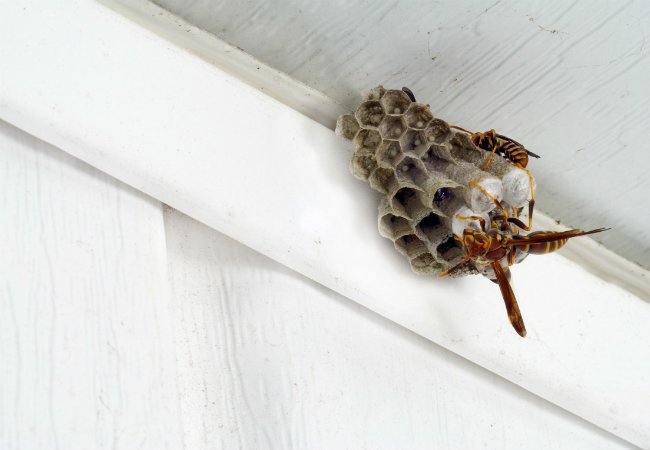
Paper wasps generally have slimmer bodies and long legs that hang beneath them during flight. Their exposed, umbrella-shaped nests are often built under eaves, railings, porch ceilings, and other sheltered surfaces. They prey on caterpillars and other garden pests, making them useful neighbors when their nests are located away from doors, play areas, and regular foot traffic.
A trap that works beautifully on scavenging yellowjackets may catch few paper wasps. Some regional guidance describes fruit-based trapping for particular paper wasp species, while other university research reports that common yellowjacket lures are ineffective against European paper wasps. Identification should therefore come before an all-out trapping campaign.
Bees and Other Beneficial Insects
Honey bees and bumble bees are generally hairier and less sharply striped than yellowjackets. They are important pollinators and should not become accidental casualties of backyard pest control. Avoid honey as bait, and use sweet liquids cautiously when bees are actively foraging nearby. Protein bait or a species-targeted commercial lure may reduce the risk of attracting bees.
Many solitary wasps are also valuable predators or pollinators and rarely cause trouble. A mud dauber quietly building a small mud nest is not the same threat as a busy yellowjacket colony beneath a lawn mower’s future path. Pest control works best when it is selective rather than fueled by the scientific principle of “it has wings, so panic.”
Research support:
Materials for a DIY Wasp Trap
- One empty 1- or 2-liter clear plastic bottle
- A permanent marker
- Sharp scissors or a utility knife
- Packing tape or strong weather-resistant tape
- String, wire, or sturdy garden twine
- Water
- Liquid dish soap
- Seasonally appropriate bait
- Protective gloves
A 2-liter soda bottle provides plenty of room for bait and captured insects, but a smaller water bottle can work for a compact trap. Clear plastic makes it easy to inspect the contents without opening the container. Use a clean bottle without strong chemical residue.
How to Make a Homemade Wasp Trap
Step 1: Mark and Cut the Bottle
Remove the cap and rinse the bottle. Draw a line around the bottle just below the sloping shoulder, where the upper section begins transitioning into the straight-sided body.
Carefully cut along the line. A utility knife can start the opening, after which scissors may be easier to control. Cut away from your hands and work on a stable surface. The plastic edge can be surprisingly sharp, proving that even recycling can occasionally fight back.
Step 2: Create the Funnel
Turn the removed top section upside down and insert it into the lower portion of the bottle. The bottle opening should point downward, creating a funnel with space beneath it for the bait.
Secure the two sections with tape around the rim. The funnel should fit firmly enough that wind, rain, or curious animals cannot pull the trap apart. Do not replace the bottle cap.
Step 3: Add a Hanging Handle
Punch two holes on opposite sides near the upper rim, passing through both layers of plastic when possible. Thread string or wire through the holes and tie it securely.
A hanging trap is convenient around fences and tree branches, but it is not the only option. Yellowjackets often forage close to the ground, so a stable trap placed low on a perimeter post may also perform well. Keep any trap where children and pets cannot reach or knock it over.
Step 4: Prepare the Liquid Base
Pour approximately 1 to 2 cups of water into the bottom of the bottle. Add a few drops of liquid dish soap and stir gently. You need enough liquid to capture insects without bringing the surface so close to the funnel that the entrance becomes blocked.
Leave at least an inch between the liquid and the lowest point of the funnel. Wasps should be able to enter without standing at the opening and casually reconsidering their life choices.
Step 5: Choose the Right Seasonal Bait
Wasp food preferences can shift as colonies develop. During spring and early summer, adults are collecting protein for growing larvae. Later in summer and into fall, nuisance yellowjackets commonly show greater interest in sugary foods and overripe fruit.
| Season or Situation | Suggested Bait | Important Consideration |
|---|---|---|
| Spring and early summer | A small piece of cooked meat, tuna, fish, pet food, or meat drippings | Protein spoils quickly and may need frequent replacement. |
| Late summer and fall | Diluted fruit juice, jam mixed with water, overripe fruit, or a small amount of soda | Sweet bait may attract bees and other non-target insects. |
| Near honey bee activity | Meat bait or a yellowjacket-specific commercial lure | Avoid honey and minimize exposed sugary ingredients. |
Begin with a modest amount of bait. More is not automatically better, especially when meat begins aging in hot weather. The objective is to produce an attractive scent, not to create the backyard’s least desirable soup.
Research support:
Where Should You Place the Trap?
Place a homemade wasp trap away from doors, patios, grills, swimming pools, children’s play equipment, and outdoor dining spaces. A distance of roughly 20 to 30 feet from heavily used areas is a practical starting point for many residential yards. Bob Vila’s method recommends at least 10 yards from family gathering areas.
The best location is often along the edge of the property or between the protected area and the direction from which wasps are traveling. Observe from a safe distance. If most insects arrive from a line of shrubs, wooded border, garbage area, or fallen-fruit zone, position the trap on that side of the yard rather than randomly choosing the prettiest tree.
Do not place the trap directly beside an active nest entrance. Trapping individual workers does not make disturbing the colony safer. A ground nest, wall-void nest, or large aerial nest requires a separate risk assessment and often professional treatment.
Sunlight can increase bait odor, but intense heat may also make meat spoil quickly. Partial shade can help the trap remain usable longer. Protect it from sprinklers and heavy rain, which may dilute the lure or fill the container.
Research support:
Maintaining and Emptying the Trap Safely
Inspect the trap every few days, preferably during the cooler early morning or evening hours when stinging insects are generally less active. Do not assume every insect inside is dead. Watch the trap for movement before touching it.
Replace sweet bait when it becomes diluted, moldy, or noticeably less effective. Protein bait may spoil within hours during hot weather, so check it more frequently. A trap that smells unpleasant to you may also have passed the point at which it attracts the intended species.
Before opening the bottle, cover or plug the funnel entrance and make sure no live wasps remain. Wearing gloves, place a disposable trap in a sealed bag and discard it according to local waste rules. A reusable trap can be emptied into a sealed bag, washed with soapy water, and reloaded.
Keep a simple record of the bait, location, weather, and approximate catch. If one trap remains empty while another catches insects consistently, move the unsuccessful trap rather than endlessly improving its recipe like a chef seeking a yellowjacket Michelin star.
Why Your Wasp Trap May Not Be Working
The Bait Does Not Match the Season
A sweet lure may underperform when workers are primarily searching for protein. Conversely, meat bait may become less competitive when late-season yellowjackets are obsessing over fruit, soda, and desserts.
You Are Targeting the Wrong Species
“Wasp trap” is a broad label. A bait that attracts one yellowjacket species may not attract another, and it may have little effect on paper wasps or hornets. Regional extension guidance sometimes differs because local species respond differently.
The Trap Is Too Close to People
The trap may be working perfectly while creating the impression of a worse infestation. Move it away from the patio and toward the perimeter so attracted insects travel away from people.
Competing Food Is More Appealing
An uncovered garbage can, overflowing recycling bin, pet-food bowl, fallen pears, or plate of barbecue can overpower a small bottle of bait. Trapping without sanitation is like setting one mousetrap beside an unlimited cheese warehouse.
The Colony Is Simply Too Large
A mature colony may contain hundreds or thousands of workers. Casual trapping can reduce local foraging pressure, but university guidance warns that traps frequently have little effect on the total population. Treat the trap as a supporting tool rather than a complete colony-control program.
Research support:
Make Your Yard Less Attractive to Wasps
The most effective DIY pest-control plan combines trapping with sanitation and exclusion. Keep outdoor food covered until it is served, and bring leftovers indoors promptly. Wipe tables, grills, and preparation surfaces after meals.
Use trash and recycling containers with tight-fitting lids. Rinse sugary cans and bottles before placing them in outdoor bins. Clean food residue from the containers themselves, since a closed lid does little good when the outside smells like a county fair.
Pick up fallen fruit, clean spilled pet food, cover compost appropriately, and repair leaking faucets. Seal cracks and openings that could provide access to wall voids, but never seal an opening while an active colony is inside. Trapped insects may find their way into the home instead.
If a wasp lands on you, remain calm. Avoid swatting or making sudden movements. Gently brush it away or wait for it to leave. Never strike, kick, mow over, dig near, or pour improvised substances into a suspected ground nest.
Research support:
When to Call a Pest-Control Professional
Professional assistance is the safest choice when a nest is inside a wall, attic, chimney, soffit, utility box, or other structural cavity. You should also call an expert for a large aerial nest, heavy traffic from an underground entrance, repeated indoor sightings, or a colony beside a doorway, school area, business entrance, or frequently used walkway.
Do not attempt nest treatment when you have a known sting allergy, lack protective equipment, cannot maintain a safe escape route, or cannot positively identify the insect. A mistake around a defensive colony can result in numerous stings within seconds.
Traps may lower the number of workers visiting a patio, but they do not neutralize the nest. A professional can identify the species, locate hidden entrances, choose a legally labeled treatment, and determine whether removal is necessary.
Wasp Sting Safety
Most insect stings cause temporary pain, redness, itching, and localized swelling. Wash the area with soap and water and apply a cold compress. Follow guidance from a healthcare professional for appropriate over-the-counter treatment, especially for children or anyone with existing medical conditions.
Call 911 immediately when a sting is followed by trouble breathing, swelling of the face or throat, widespread hives, dizziness, fainting, a weak rapid pulse, vomiting, or other signs of a severe allergic reaction. Use prescribed emergency epinephrine as directed, and then obtain emergency medical care. Multiple stings can also require urgent evaluation.
Research support:
Practical Experience: What Homeowners Commonly Learn After Using DIY Wasp Traps
The first lesson from real-world wasp trapping is that location usually matters more than an elaborate bait recipe. A trap hanging beside the back door may capture insects, but it also invites incoming foragers into the exact area everyone wants to protect. Moving the same trap to the far side of the yard can noticeably reduce traffic around the doorway without changing a single ingredient.
A common test involves placing two identical bottle traps in different locations. One might hang near a clean fence line, while the other sits between the patio and a row of shrubs where yellowjackets regularly disappear. After several days, the shrub-side trap often catches more insects because it intercepts an existing travel route. This simple comparison prevents homeowners from blaming the bait when the real problem is poor placement.
The second lesson is that bait preferences are not fixed. A trap filled with diluted fruit juice may catch almost nothing in early summer. Replacing it with a small amount of tuna or cooked meat can improve activity when workers are gathering protein. Several weeks later, that pattern may reverse, with sweet bait becoming more attractive as late-season workers visit fruit, soda, and outdoor meals.
Maintenance is another frequent surprise. A homemade trap is inexpensive, but it is not entirely hands-off. Rain can dilute the bait. Hot weather can spoil protein rapidly. Dead insects can accumulate near the funnel or absorb liquid. A quick inspection every few days produces better results than hanging the bottle in June and remembering it sometime around Halloween.
Homeowners also learn that a full trap does not automatically equal successful colony control. Seeing dozens of captured yellowjackets is satisfying, particularly after several ruined lunches, but mature colonies may produce large numbers of workers. The practical goal should be fewer encounters in a defined areanot the expectation that one recycled soda bottle will defeat an entire colony with cinematic efficiency.
Another useful observation is that yard sanitation can improve performance more than adding extra sugar. A trap must compete with open garbage, recycling residue, fallen peaches, dog food, and whatever is cooking on the grill. Once those competing attractions are removed or covered, the trap becomes a more prominent scent source. The yard may also become less appealing to new foragers overall.
Non-target catch deserves attention. When bees or other beneficial insects appear inside a sweet-bait trap, discontinue that recipe. Switch to a protein lure, use a yellowjacket-specific commercial attractant, or move the trap away from flowers and bee activity. Selective control protects pollinators while still addressing the insects creating a genuine safety problem.
Finally, DIY trapping teaches an important boundary: foraging control and nest control are different jobs. A bottle trap can make a cookout more comfortable. It cannot make it safe to approach a ground entrance receiving steady traffic. When repeated trapping does not reduce activity, or when insects are entering a wall, the most useful experience is knowing when to stop experimenting and contact a licensed professional.
Conclusion
A homemade wasp trap is one of the simplest forms of DIY pest control: cut a plastic bottle, invert the top, add seasonal bait and soapy water, and place the trap away from people. The design costs little, avoids broad pesticide use, and can reduce the number of nuisance yellowjackets foraging near a patio, garden, or outdoor eating area.
Success depends on realistic expectations. Match the bait to the season, identify the insect whenever possible, protect bees and beneficial wasps, maintain the trap regularly, and eliminate competing food sources. Most importantly, remember that trapping individual workers does not eliminate a dangerous nest.