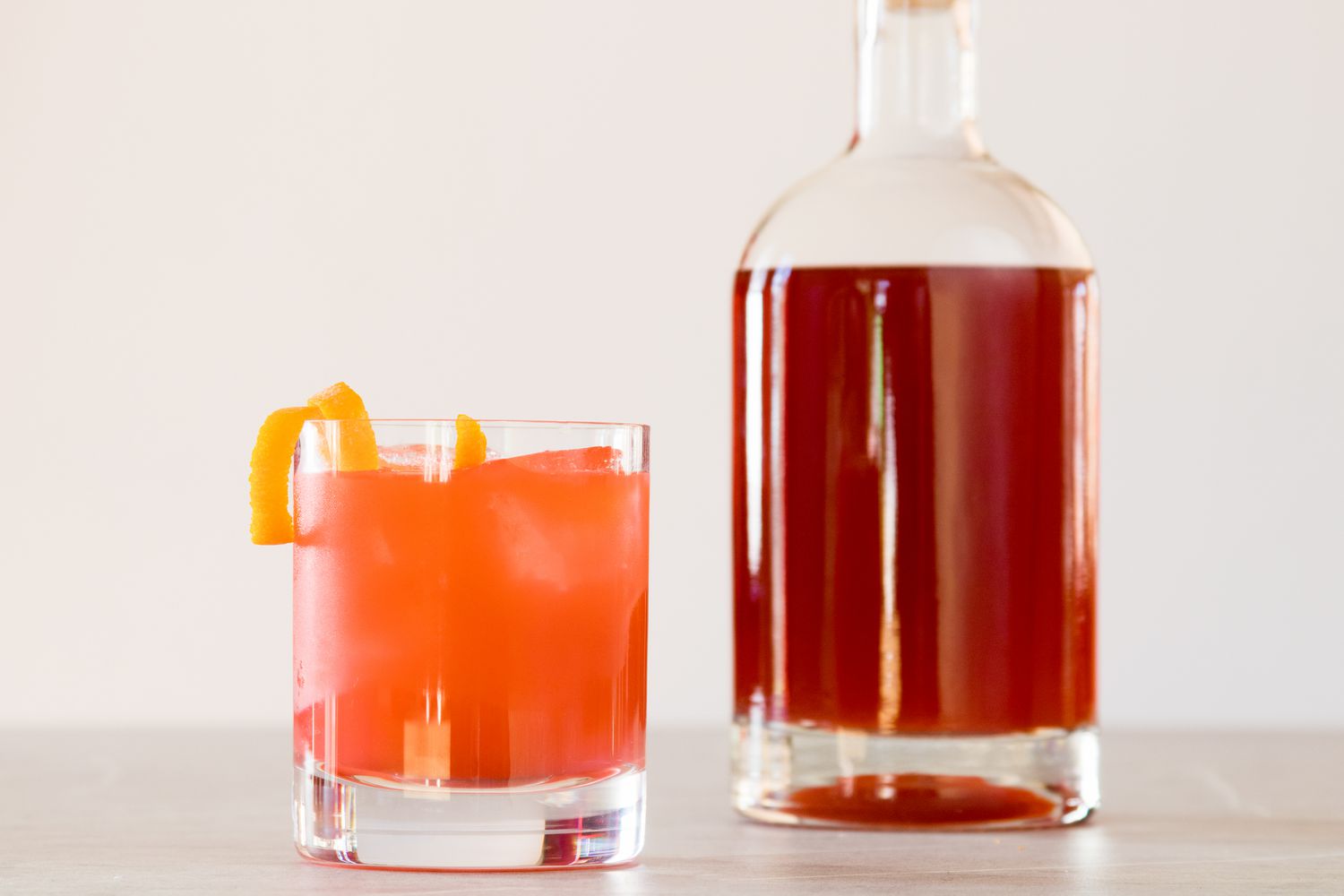
Note: This article keeps the search-friendly title “Homemade Campari Recipe,” but the recipe below is a Campari-inspired, alcohol-free bitter aperitif syrup. It is designed for readers who want the bold, bittersweet, citrusy vibe of the original style without making an alcoholic drink at home.
If your taste buds like drama, this one’s for you. A good bitter aperitif does not walk into the room quietly. It arrives in bright color, waves a little citrus in the air, drops a few herbal notes on the table, and dares your palate to keep up. That is exactly why people search for a homemade Campari recipe in the first place. They want that grown-up bittersweet flavor that makes soda feel fancy and ice cubes feel like they are doing meaningful work.
Here is the catch: the original formula behind Campari-style drinks is famously secret, so no homemade version can claim to be an exact copy. But you can absolutely create a delicious, layered, ruby-toned, bitter-citrus syrup at home that captures the same spirit. Think orange peel, grapefruit peel, rhubarb, tea, warm spices, and just enough sweetness to keep the bitterness from acting like it owns the place.
This guide gives you a practical, web-ready version of a homemade Campari-inspired recipe that is easy to make, easy to tweak, and easy to turn into a zero-proof spritz. It also explains how to balance bitterness, how to avoid a syrup that tastes like a medicine cabinet with ambition, and how to customize the flavor for your own kitchen style.
What Makes a Homemade Campari-Inspired Recipe Taste Right?
A successful homemade bitter aperitif needs four things: bitterness, citrus, color, and balance. Miss one, and the whole drink feels confused. Too bitter and it tastes like your tea bag filed a complaint. Too sweet and it becomes fancy fruit punch. Too much citrus without herbal depth and it reads like breakfast juice trying to wear evening clothes.
The goal is a bittersweet profile with a long finish. Orange peel brings brightness. Grapefruit peel adds a deeper, more pithy bitterness. Rhubarb contributes tartness and that classic aperitif-adjacent personality. Tea adds structure and tannin, which helps the drink feel more serious and less like melted candy. Hibiscus and pomegranate help with color and tang, giving the final syrup a bold red look that feels festive without being artificial.
In other words, we are not trying to make a clone. We are building a clever tribute. That is often the better move anyway, because your kitchen is not a 19th-century Italian lab, and your saucepan deserves realistic expectations.
Homemade Campari-Inspired Syrup Recipe
Ingredients
- 2 cups water
- 1 cup granulated sugar
- Zest of 2 oranges, removed in wide strips with as little white pith as possible
- Zest of 1 grapefruit
- 1 cup chopped rhubarb
- 2 tablespoons dried hibiscus
- 2 black tea bags
- 1 small cinnamon stick
- 3 whole cloves
- 1 thin slice fresh ginger
- 2 tablespoons pomegranate juice
- 1 tablespoon fresh lemon juice
- 1 tiny pinch of salt
Instructions
- Add the water, sugar, orange zest, grapefruit zest, rhubarb, hibiscus, cinnamon stick, cloves, ginger, and salt to a medium saucepan.
- Bring the mixture to a gentle simmer over medium heat, stirring until the sugar dissolves.
- Lower the heat and let it simmer gently for 12 to 15 minutes. You want the rhubarb soft, the liquid deep in color, and the kitchen smelling like a citrus grove with opinions.
- Turn off the heat. Add the black tea bags and let everything steep for 5 minutes.
- Remove the tea bags. Stir in the pomegranate juice and lemon juice.
- Let the mixture cool slightly, then strain it through a fine-mesh sieve into a clean jar or bottle. Press lightly on the solids, but do not mash aggressively unless you enjoy cloudy syrup.
- Cool completely, then refrigerate.
You should end up with a rich red syrup that tastes bitter at the front, citrusy in the middle, and pleasantly herbal at the finish. If you taste it straight, do not panic. It is a concentrate. It is supposed to be intense. Straight syrup is not the final performance; it is the rehearsal.
How to Serve It
The Easiest Campari-Inspired Spritz
Fill a glass with ice. Add 1 1/2 to 2 ounces of the syrup. Top with 4 to 6 ounces of sparkling water. Stir gently and garnish with an orange slice or grapefruit twist. That is it. It is bright, bitter, bubbly, and far more interesting than plain soda.
Make It Sweeter
If you want a softer aperitif-style drink, add a splash of orange juice. This rounds out the edges and makes the bitterness feel less sharp. It is a good move for people who say they are “curious about bitter drinks” but still order dessert first. We support growth.
Make It More Bitter
Add a little extra grapefruit zest next time, or steep the tea for an additional minute. Go slowly. Bitterness is like eyeliner: a little can look chic, a lot can get dramatic fast.
Make It More Herbal
Try a tiny strip of rosemary or a few bruised cardamom pods during the simmer. Do not overdo it. You want “complex,” not “my herb drawer exploded.”
Tips for Getting the Flavor Right
Use fresh citrus peel. The peel does much of the heavy lifting here. Fresh zest gives your syrup fragrant oils and a cleaner finish. Old citrus tends to taste tired, and tired citrus is not invited to this party.
Watch the white pith. A little pith adds pleasant bitterness. Too much can push the syrup toward harshness. Think confident, not confrontational.
Do not over-steep the tea. Tea gives the drink backbone, but too much can turn the whole batch woody or chalky. Five minutes is enough for structure without a lecture.
Let it chill before judging. Bittersweet drinks taste more integrated after resting in the refrigerator for several hours. Right after cooking, the flavors can seem scattered. By the next day, they usually settle down and act like a team.
Why This Works as a Homemade Campari Recipe Alternative
Most people looking for a homemade Campari recipe want one of two things: a fun kitchen project or a way to enjoy that signature bitter-orange profile without buying another bottle. This version gives you the same style of experience in a safer, pantry-friendly format. You are still getting that classic bitter-citrus-herbal triangle, just through syrup-building rather than alcohol infusion.
It also gives you control. You decide how bitter, how tart, how sweet, and how spiced the final drink should be. That matters, because “perfectly balanced” means different things to different people. One person wants lively and zesty. Another wants full, moody, and almost medicinal in the best possible way. Your saucepan does not judge.
Common Mistakes to Avoid
Making It Too Sweet
If your syrup tastes like ruby pancake topping, reduce the sugar slightly next time or increase the grapefruit zest. Bitter aperitif flavors need room to breathe.
Making It Too Sour
Too much lemon or pomegranate can flatten the complexity. Tartness should support the bitterness, not replace it.
Using Too Many Spices
Clove, cinnamon, and ginger are supporting actors. They should not grab the microphone and start a solo career.
Skipping the Salt
That tiny pinch matters more than it looks. Salt rounds sharp edges and helps the citrus and bitter notes taste fuller.
How to Store Homemade Campari-Inspired Syrup
Store the syrup in a clean, sealed bottle or jar in the refrigerator. It is best within 1 to 2 weeks for the brightest flavor. If you want to keep it longer, make smaller batches rather than one giant potion bottle you forget in the back of the fridge next to the mustard from three summers ago.
Always use a clean spoon or pour directly from the bottle to keep the syrup fresh. If the aroma changes in an unpleasant way or the syrup looks cloudy beyond the normal fruit haze, make a new batch.
Creative Ways to Use It Beyond a Spritz
- With tonic water: More bitterness, more snap, more aperitif energy.
- With sparkling lemonade: Brighter and friendlier for beginners.
- Over crushed ice: Excellent for hot afternoons when your ambition is low but your standards remain high.
- In a mocktail float: Add sparkling water and a spoonful of blood orange sorbet for a dramatic dessert drink.
- In a citrus granita base: Freeze, scrape, and serve in small glasses for a bitter-cool palate cleanser.
Frequently Asked Questions
Is this an exact copy of Campari?
No. It is a homemade, alcohol-free, Campari-inspired syrup designed to echo the bittersweet citrus-herbal style, not replicate a proprietary formula.
Can I make it less bitter?
Yes. Reduce the grapefruit peel, steep the tea a little less, or add a touch more sugar. You can also serve it with more sparkling water.
Can I make it more ruby-red?
Yes. Add a little more hibiscus or pomegranate juice. Both deepen color and increase tartness, so adjust carefully.
Can I batch it for parties?
Absolutely. Make the syrup ahead, chill it, and let guests build their own glasses with soda, tonic, citrus slices, and lots of ice. It feels sophisticated and takes almost no last-minute effort.
Final Thoughts
A homemade Campari recipe does not have to mean chasing a mysterious bottle-for-bottle duplicate. In many kitchens, the smarter move is to build a bold, alcohol-free bitter aperitif syrup that captures the same mood: bright citrus, assertive bitterness, a little herbal intrigue, and just enough sweetness to keep everything delicious. That is what this recipe delivers.
It is flexible, flavorful, and surprisingly fun to tweak. One batch may lean more orange-forward, another more tart and rhubarb-driven. That is part of the charm. Once you understand the balance, you stop following the recipe like a rulebook and start using it like a playlist. A little more grapefruit here, less clove there, maybe extra bubbles because life is short and flat drinks are boring.
If you want a drink with personality, color, and a pleasantly bitter finish, this homemade Campari-inspired syrup is a great place to start. It is proof that you can make something elegant, intense, and wildly refreshing at home without needing a secret formula or a bar cart that looks like it pays rent.
Experience Notes: What It Feels Like to Make and Sip a Homemade Campari-Inspired Recipe
The first time you make a bitter aperitif-style syrup at home, the experience is oddly theatrical. Nothing about the ingredient list looks especially dramatic at first. Citrus peels, rhubarb, tea, spices, sugar. It all seems very reasonable. Very calm. Then the pot starts simmering, and suddenly your kitchen smells like a tiny European café collided with a fancy marmalade shop. It is one of those recipes that makes you feel more competent than you were ten minutes earlier.
There is also a strangely satisfying moment when the color starts to deepen. At first, the liquid looks like a polite fruit tea. Then the hibiscus and rhubarb settle in, the citrus oils wake up, and everything turns gloriously bold. It feels less like making syrup and more like brewing a personality. A strong one. Possibly one that uses words like “nuance” and “finish.”
Tasting along the way is half the fun. Early on, the mixture can seem sharp, almost stubborn. You may think, well, that escalated quickly. But once it cools and gets diluted with sparkling water, the whole thing makes sense. That is the lesson homemade bitter drinks teach better than almost any other recipe: balance is not obvious in the middle of the process. You have to let the flavors calm down, meet each other properly, and stop trying to speak over one another.
Another memorable part of the experience is serving it to people who claim they do not like bitter drinks. Almost everyone says the same thing at first. “I’m not sure I’m a bitter person.” Then they take a sip, pause, and immediately ask why it tastes so refreshing. That is the magic of a well-made aperitif-style drink. The bitterness is not there to punish you. It is there to make the citrus brighter, the sweetness more interesting, and the finish longer.
Making it at home also changes how you think about flavor in general. You start noticing how a tiny strip of grapefruit peel can shift an entire batch. You realize black tea can act like structure, not just flavor. You see how a drop of lemon can sharpen everything without making it taste lemony. Suddenly you are not just following a recipe. You are editing one. That is where the real fun begins.
And yes, there is a small emotional reward in pouring a homemade red bitter spritz over ice and watching it fizz. It looks festive. It tastes intentional. It makes an ordinary afternoon feel slightly more cinematic. Even if you are just standing in your kitchen wearing socks that do not match, the drink still says, “We are doing something stylish here.”
That is probably the best part of the whole experience. A homemade Campari-inspired recipe feels both practical and a little glamorous. It is affordable, customizable, and easy enough for a casual weekend project, but it also gives you a result that feels special. Not flashy. Not fussy. Just clever, bold, and refreshingly different. Which, honestly, is a pretty good description of the best homemade recipes in general.