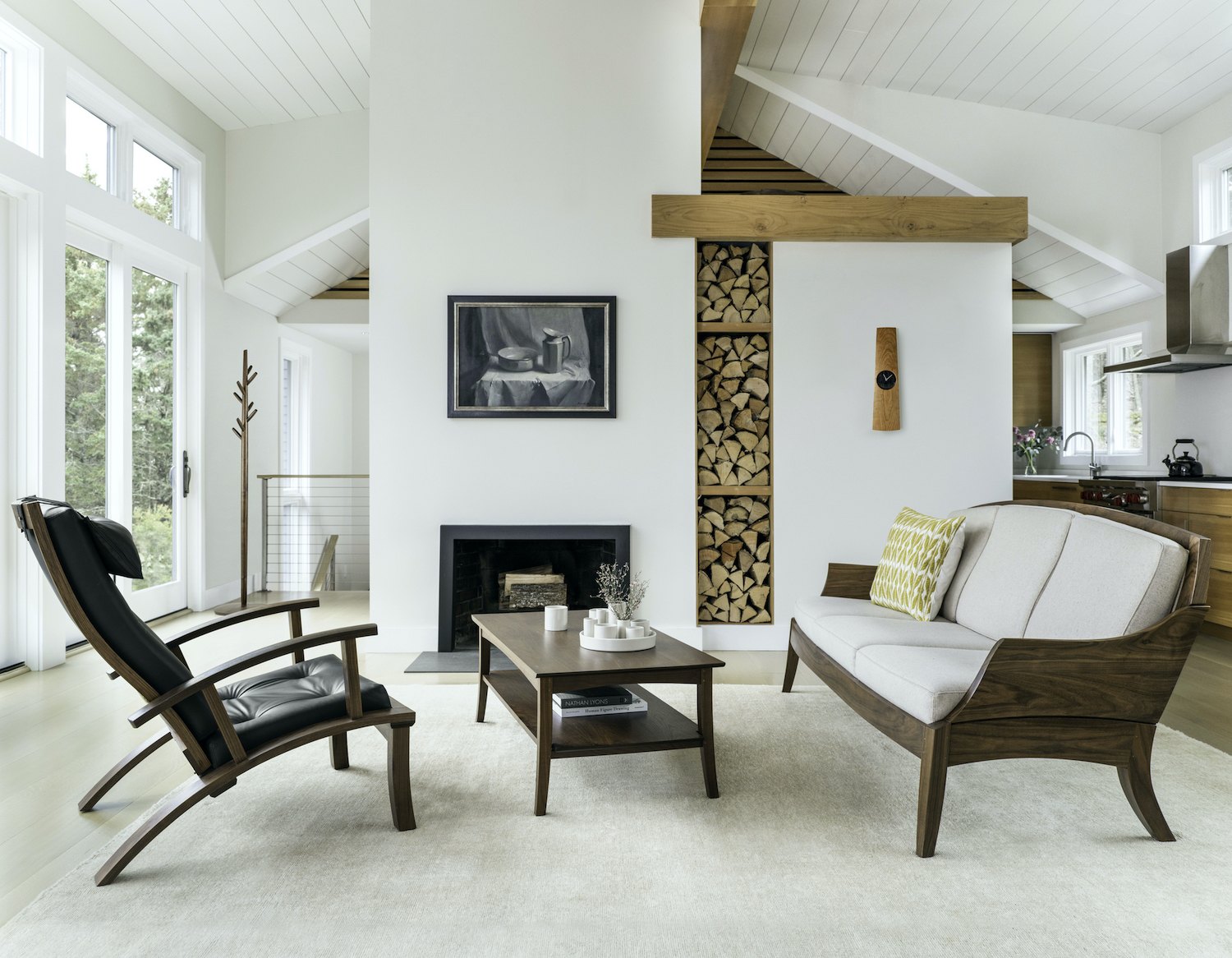
Home trends are having a very human moment. After years of rooms that looked camera-ready but felt about as warm as a dentist’s waiting room, homeowners are leaning toward spaces with comfort, personality, and practical value. Today’s home isn’t just supposed to look pretty in a photo. It has to survive family life, support work, host friends, calm the nervous system, and maybe even make room for a hidden coffee station that feels wildly luxurious at 7:12 a.m.
That shift is what makes the current wave of home trends so interesting. This is not just about chasing the latest paint color or buying a trendy lamp shaped like a mushroom, though the lamp may still be invited. The bigger story is that homes are becoming warmer, more layered, more personal, and more resilient. Style is no longer separated from function. The new ideal is a house that works hard, feels good, and looks like someone with actual opinions lives there.
Below is a deep dive into the home trends shaping how Americans are decorating, remodeling, and thinking about their spaces right now.
Warmth Is Winning Over Sterile Minimalism
The biggest change in home design is emotional, not technical. People are moving away from stark all-white rooms, gray-everything palettes, and spaces that feel overly polished. In their place: warmth, softness, and lived-in character. Think creamy neutrals, chestnut browns, earthy greens, terracotta tones, and woods with visible grain instead of flat, anonymous finishes.
This does not mean homes are becoming cluttered or chaotic. It means they are becoming more inviting. Warm minimalism is the sweet spot. You still edit your space, but you do not strip out every trace of personality. A room can be clean without looking like it is afraid of being touched. That is progress.
What this trend looks like in real life
In practical terms, warm design shows up through layered neutrals, richer stains on cabinetry, softer upholstery, vintage accents, and tactile materials like linen, plaster, stone, wool, and hand-finished wood. Instead of building a room around one perfectly matching furniture set, homeowners are mixing pieces that feel collected over time. The result is less showroom, more sanctuary.
For example, a living room that once relied on white walls, a gray sectional, and black metal lighting might now feature mushroom-colored paint, a caramel chair, walnut side tables, woven shades, and a patterned rug with a little history in it. Same room. Better mood. Considerably less chance it feels like a temporary rental staged by a very tidy ghost.
Color Is Back, and It Is Not Being Shy About It
Color has staged a dramatic return, and frankly, it deserves the applause. One of the most visible home trends is color drenching, where one hue is carried across the walls, trim, ceiling, and sometimes even built-ins. The effect is immersive, cozy, and far more sophisticated than the old “one accent wall and a prayer” approach.
Popular shades are moving deeper and moodier: aubergine, olive, burgundy, tobacco, rust, denim blue, and saturated greens. Even homeowners who still prefer neutrals are using warmer, more dimensional versions. Beige is no longer boring when it has depth. Brown is no longer dated when it is paired with soft lighting and natural textures. The palette overall feels richer and more intentional.
How to use color without regretting it by Thursday
The smartest approach is to pick one room that can benefit from mood. Bedrooms, powder rooms, entryways, libraries, and small studies are great candidates for bold color. If painting every surface feels like a commitment worthy of a prenup, start with cabinetry, millwork, or the ceiling. The point of this trend is not simply “more paint.” It is creating atmosphere.
Color is also showing up through tile, drapery, upholstery, art, and decorative stone. Homes are increasingly using color as a design tool, not a random afterthought added with throw pillows at the end of the project.
Natural Materials and Craftsmanship Matter More Than Ever
Another major trend is the move toward authenticity in materials. Homeowners are favoring natural stone, terracotta, unlacquered metals, solid woods, limewash finishes, handmade tile, and pieces that age gracefully. There is a clear preference for surfaces that develop character over time instead of trying to remain suspiciously perfect forever.
This trend is partly aesthetic and partly philosophical. People want materials that feel honest. A reclaimed wood console, a quartzite counter with natural variation, or brass hardware that develops patina tells a story. These choices make a home feel grounded and less mass-produced.
Why this trend has staying power
Craftsmanship tends to outlast fads because it is connected to quality, not novelty. A fluted wood vanity, a hand-glazed backsplash, or a vintage chest does not scream for attention the way a gimmicky trend piece does. It simply improves the room. That is a good lesson for the rest of us, honestly.
Even new construction is borrowing this mindset. Rather than chasing flashy finishes, more homeowners are looking for millwork details, textured surfaces, and architectural elements like arches, built-ins, and layered trim. These choices add soul without making the space feel overly themed.
Personalized Spaces Are Replacing Cookie-Cutter Rooms
One of the clearest home trends is the rise of rooms designed for specific habits, not generic resale fantasies. Homeowners want spaces that reflect how they actually live. That means reading nooks, home libraries, music corners, hobby rooms, prep kitchens, coffee stations, mudroom drop zones, compact fitness areas, and small retreats for quiet time.
This is a meaningful shift. For a while, “dream home” language often centered on open-concept sameness. Now people are rediscovering the charm of niche spaces. A tucked-away bench by the window can feel more luxurious than a giant undefined room with nowhere to hide from your own family.
Examples of this trend in action
A homeowner who loves books may build floor-to-ceiling shelves around a window seat. A family that entertains may install an under-counter beverage fridge and a coffee bar instead of spending a fortune on a full outdoor kitchen. A remote worker may swap a bland spare bedroom for a moody office with sound-softening fabrics and storage that actually conceals the chaos.
The common thread is intentionality. Personalized spaces make homes feel useful and emotionally resonant. They also help people get more value out of every square foot, which matters in a market where moving is not always easy or affordable.
Wellness Design Is Moving Beyond the Buzzword Phase
Wellness in home design used to sound suspiciously like a candle trying to charge you extra. Now it is becoming practical. Homeowners are looking for spaces that reduce stress, support better routines, and feel more restorative. That shows up in spa-like bathrooms, better lighting, improved acoustics, indoor plants, natural ventilation, and calming materials.
Bedrooms are becoming more cocoon-like, with padded headboards, layered textiles, softer edges, and fewer visual distractions. Bathrooms are leaning into a retreat mindset with warmer finishes, better storage, larger showers, and a stronger emphasis on comfort over flash. Kitchens, too, are being designed around healthy habits, better flow, and lighting that supports different moods throughout the day.
The sensory side of design
Today’s wellness trend is not just visual. It is sensory. People are paying more attention to how a room sounds, feels, and functions. Upholstered walls, curtains, rugs, textured plaster, and natural fibers all help soften the environment. Good design is no longer just what you see. It is what your body notices when you walk into the room and your shoulders drop half an inch.
Kitchens Are Doing More Jobs Than Ever
The kitchen remains the hardest-working room in the house, and current home trends reflect that reality. Kitchens are expected to cook, gather, organize, host, and occasionally serve as a background for video calls nobody asked for. As a result, design is leaning toward multifunctionality, concealed storage, mood lighting, and features that make daily routines smoother.
Walk-in pantries, hidden appliance garages, integrated storage, prep sinks, second islands where space allows, and multifunction appliances are all part of this story. So are panel-ready fronts, flatter cabinet profiles, and layout choices that reduce visual clutter. The look is streamlined, but not cold.
What modern kitchen luxury really means now
Luxury in kitchens is shifting away from sheer size and toward convenience. A thoughtful pantry, a built-in coffee station, excellent task lighting, and a layout that keeps traffic flowing may matter more than having a dozen decorative bells and whistles. People want kitchens that feel tailored to their routines, not designed for a real-estate brochure from another dimension.
Color is becoming more accepted in kitchens too, especially greens, warm woods, mixed metals, and earthy surfaces. The kitchen is increasingly treated as part utility room, part social hub, and part mood-setting design feature.
Energy Efficiency and Resilience Are Part of Good Design
Perhaps the most important shift in home trends is that resilience is becoming stylish. Buyers and remodelers are showing growing interest in features that improve efficiency, reduce operating costs, and prepare homes for environmental stress. That includes better insulation, EV charging, battery backup systems, water-saving fixtures, zero-energy-ready elements, fire-conscious landscaping, and flood-aware construction choices where relevant.
This is a major evolution in how people define an attractive home. A beautiful house that is expensive to run or vulnerable to disruptions no longer feels especially aspirational. The new ideal blends comfort and preparedness. In other words, homeowners want the charming reading nook and the practical battery backup. One is for the soul. One is for the storm. Both are welcome.
Why these features matter to everyday buyers
Efficiency and resilience features are not just about emergency scenarios. They also influence monthly costs, maintenance, long-term value, and peace of mind. WaterSense fixtures, better daylighting, natural ventilation, low-maintenance materials, and smart storage are all examples of trends that make a home more functional over time. This is where “trend” starts looking a lot like common sense.
Indoor-Outdoor Living Is Getting Smarter
Indoor-outdoor design is still strong, but it is evolving. Instead of treating the backyard as a giant wishlist, homeowners are being more strategic. Large openings, better sightlines, layered outdoor seating, low-voltage lighting, and flexible entertaining zones remain desirable. But there is also more focus on cost-effective upgrades with clear everyday value.
That is why smaller luxury appliances for entertaining, pizza ovens, beverage stations, and compact outdoor enhancements are getting attention. People still want outdoor living areas, but they are increasingly balancing fantasy with usability. The best outdoor space is not the one that looks the most dramatic on social media. It is the one people actually use more than twice a year.
What Is Fading Out
No trend report is complete without a gentle goodbye to the looks losing momentum. The most obvious ones include all-white rooms, excessive gray palettes, overly formulaic minimalism, cheap faux finishes, and decor that feels designed mainly to perform online. Homeowners are also becoming more skeptical of features that are high on novelty and low on function.
That does not mean every classic white kitchen is suddenly a design crime. It means the market is favoring homes with more texture, more individuality, and more warmth. The room that wins today is not necessarily the one that looks the newest. It is the one that feels the most believable, comfortable, and complete.
Experiences Homeowners Are Having With Today’s Home Trends
One reason the current home trends feel so powerful is that they connect directly to everyday experience. Homeowners are not just changing how their spaces look. They are changing how their spaces feel at 6 a.m., at dinnertime, during a work call, on a rainy Saturday, and when friends drop by unexpectedly with snacks and opinions.
A lot of people who once chased the “perfect” room are now realizing that perfection is exhausting. They are repainting white walls in warmer tones and suddenly noticing that the room feels calmer at night. They are replacing a trendy chair that looked fabulous and felt terrible with one that actually supports a human spine. It is an emotional upgrade disguised as a furniture decision.
There is also a growing appreciation for homes that support rituals. A reading nook becomes the place where a parent drinks coffee before the house wakes up. A layered bedroom with dimmable lighting helps someone wind down after a long day. A pantry with real organization reduces the tiny daily frustration of opening a cabinet and getting hit by an avalanche of snacks. These are not dramatic transformations, but they change the mood of life in meaningful ways.
Families are also experiencing the benefit of more intentional zones. In many homes, open concept once sounded ideal until everyone tried to live in the same giant room at the same time. Now people are carving out corners for focus, privacy, and play. A built-in bench near the kitchen might become homework central. A spare wall in the bedroom becomes a desk nook with shelves. A formal dining room that nobody used in 2018 might be reborn as a library, music room, or hybrid guest space.
Entertaining has changed, too. Instead of chasing grand, expensive renovations that look impressive in listing photos, homeowners are often investing in smaller pleasures that improve real gatherings. A beverage fridge, a coffee bar, better patio lighting, or more comfortable seating can transform how a home hosts people. Guests remember the room where they felt relaxed, not the square footage statistics.
Another common experience is learning that personal style ages better than trend obedience. People who bring in family pieces, vintage finds, travel souvenirs, handmade art, and books often end up with interiors that feel richer and more original. Those rooms carry memory. They do not feel like they were assembled in one fast shopping trip during a weekend identity crisis.
Even practical upgrades are changing the homeowner experience. Better storage reduces visual stress. Energy-efficient features make bills more manageable. More resilient materials mean less anxiety about wear and tear. Natural light, layered textures, and indoor plants can make a home feel healthier and more alive without requiring a complete remodel.
Perhaps the biggest experience of all is this: people are feeling permission to make their homes personal again. Not perfect. Not algorithm-approved. Personal. And that may be the best home trend of them all, because it turns design from performance back into real life.
Conclusion
The biggest home trends today are not random style swings. They reflect a deeper shift in what people want from where they live. Homes are becoming warmer, more expressive, more functional, and more resilient. Color is back. Natural materials matter. Kitchens are working harder. Wellness is becoming tangible. Small personalized spaces are earning more love than giant generic ones.
If there is one takeaway, it is this: the best home trend is the one that makes daily life better. That might mean a moody library, a hidden coffee station, a terracotta backsplash, a walk-in shower, or simply a living room that finally feels like it belongs to you. Trends come and go, but a home that feels honest, useful, and deeply comfortable never really goes out of style.