Note: This article is a fully rewritten, publication-ready HTML draft based on current U.S. home design, organizing, child-safety, and budget decorating guidance.
Decorating a home on a budget is a little like packing a lunch for a picky child: you want it to be practical, affordable, good-looking, and somehow still exciting enough that nobody complains by Wednesday. The good news is that a beautiful home does not require designer wallpaper, custom built-ins, or a bank account that faints every time you open a furniture catalog. Sometimes, the smartest upgrades are the ones that use paint, storage baskets, secondhand furniture, and a ruthless commitment to asking, “Do we actually need seventeen tiny plastic dinosaurs on this dresser?”
The idea behind Home Sweet Home on a Budget is simple: every room deserves attention, but not every room deserves a financial meltdown. Last month’s practical home featuresthink laundry zones, mudroom-style storage, drop zones, and everyday organizationoffer useful lessons for the room we are focusing on now: kids bedrooms. Children’s rooms are not just miniature adult bedrooms with more stickers. They are sleeping spaces, play zones, reading corners, homework stations, toy warehouses, art galleries, and sometimes mysterious sock graveyards.
Designing kids bedrooms on a budget means creating a room that grows with the child, survives daily chaos, and still feels personal. It should be safe, flexible, easy to clean, and cheerful without turning into a theme-park gift shop. Below is a deep, practical guide to making kids bedrooms stylish, organized, and affordablewithout pretending that children will suddenly start folding pajamas into perfect thirds.
What Last Month’s Home Features Teach Us About Budget Decorating
Before jumping into kids bedrooms, it helps to borrow a few lessons from hardworking spaces like laundry rooms, mudrooms, and family entryways. These rooms are often small, busy, and expected to do a lot with very little square footage. Sound familiar? That is basically the job description of a child’s bedroom.
The best budget home ideas usually follow three rules: give every item a home, use vertical space, and choose materials that can handle real life. In a mudroom, that might mean wall hooks, labeled bins, washable rugs, and a bench with hidden storage. In a laundry room, it might mean shelves above the machines, baskets for sorting, and a folding surface that doubles as storage. In a kids bedroom, the same ideas become low hooks for backpacks, under-bed bins for toys, cube organizers for books, and washable bedding that does not require a ceremonial apology every time juice happens.
Budget Decorating Is Not About Being Cheap
There is a big difference between cheap and smart. Cheap is buying a wobbly dresser because it was on sale and then hoping gravity takes a long vacation. Smart is buying a sturdy piece secondhand, painting it, replacing the knobs, and anchoring it securely to the wall. Cheap is decorating with trendy items that will feel outdated in six months. Smart is using affordable accessoriespillows, prints, decals, bedding, lamps, and basketsto bring in personality while keeping the larger furniture neutral.
Budget decorating works best when money goes toward the bones of the room: a safe bed, reliable storage, decent lighting, and durable surfaces. The personality can come from lower-cost layers. Kids change their favorite colors, animals, sports, superheroes, and imaginary careers at alarming speed. Today it is dinosaurs. Tomorrow it is space. Next week it may be “minimalist gamer woodland fairy,” and good luck to us all.
Start With a Kids Bedroom Plan, Not a Shopping Cart
The fastest way to overspend on a kids bedroom is to start buying before measuring, sorting, and planning. A room makeover should begin with a simple inventory. What does the child actually do in the room? Sleep? Read? Build Lego cities? Practice dance routines? Hoard craft supplies like a tiny art dragon? The answer determines the layout.
Divide the room into zones: sleep, storage, study, play, and display. Not every room needs a full desk or a large play area, especially in smaller homes. A wall-mounted shelf can become a book nook. A small table can serve as both homework space and art station. A rolling cart can move from bedside table to craft storage to school-supply station. When furniture does double duty, the room feels larger and the budget stretches further.
Measure First, Then Dream
Measure the floor, windows, closet, door swing, and wall space before buying anything. This one step prevents the classic budget decorating tragedy: finding the perfect bed frame online, assembling it with the confidence of a home renovation celebrity, and then discovering the closet door now opens exactly four inches. Measure twice, buy once, and keep receipts because children’s rooms have a way of humbling even the optimistic.
Choose Furniture That Grows With the Child
One of the best budget strategies for kids bedrooms is choosing furniture that can adapt over time. A neutral bed frame, simple dresser, classic bookcase, or basic desk can last for years if the room’s style changes through accessories instead of major furniture replacements. Skip overly themed furniture unless it is inexpensive, temporary, or easy to repaint. A race-car bed may be thrilling now, but a simple twin bed with fun bedding can shift from toddler style to tween style with far less drama.
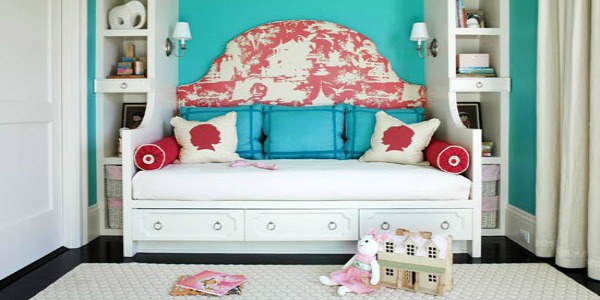
Convertible furniture can also be a smart investment. Cribs that convert into toddler beds, daybeds with trundles, loft beds with desk space underneath, and beds with built-in drawers can save space and money. For shared rooms, bunk beds can be practical, but safety comes first. Young children should not use the top bunk, and any bunk bed should have guardrails, a secure ladder, and a mattress that fits properly.
Secondhand Furniture Can Be a Budget Hero
Thrift stores, online marketplaces, family hand-me-downs, and garage sales can be gold mines for kids bedroom furniture. Look for solid wood pieces, simple shapes, and sturdy construction. A dated dresser can become charming with sanding, paint, peel-and-stick wallpaper on drawer fronts, or new hardware. A plain bookcase can feel custom with baskets, labels, and a painted back panel.
However, secondhand furniture needs a safety check. Avoid recalled products, unstable dressers, damaged cribs, loose bunk beds, and anything with peeling old paint unless you can verify it is safe to refinish. Clothing storage units, bookshelves, and tall furniture should be anchored to the wall. Beautiful design is lovely, but furniture that stays upright is the real luxury.
Safety Is the Foundation of a Beautiful Kids Bedroom
A kids bedroom should be cute, yes. But first, it should be safe. Furniture tip-overs are a serious risk, especially with dressers, bookshelves, cabinets, and TVs. Children climb. They climb when you are watching. They climb when you are not watching. They climb things that adults did not know were climbable. Secure tall and heavy furniture to wall studs with anti-tip kits, and do not place tempting items like toys or remote controls on top of dressers.
Use cordless window coverings where possible, or keep cords completely out of reach. Choose rugs with non-slip pads. Keep heavy items on lower shelves. Make sure shelves are installed correctly. Use nightlights for younger children who wake up at night. For infants, follow safe sleep basics: a firm, flat sleep surface, fitted sheet, and no pillows, loose blankets, stuffed toys, or soft bedding in the crib.
Design Around Real Behavior
The safest room is designed for how children actually behave, not how we wish they behaved. If your child jumps on the bed, do not place hard-edged furniture inches away from it. If toys pile up near the door, create a low bin right there. If books end up under the pillow, add a wall shelf or bedside basket. Good design does not scold the family every day; it quietly makes better habits easier.
Paint: The Budget Makeover MVP
Paint remains one of the most powerful affordable decorating tools. A fresh wall color can make a kids bedroom feel cleaner, brighter, calmer, or more playful in a single weekend. Soft neutrals, warm whites, pale blues, muted greens, dusty pinks, and gentle yellows can create a flexible background that works across ages. For more personality, paint one accent wall, a half-wall, a stripe, a scalloped border, or even the ceiling.
Two-tone walls are especially helpful in kids rooms. A darker color on the lower portion can hide scuffs, while a lighter shade above keeps the room airy. Peel-and-stick wallpaper is another budget-friendly option for renters or commitment-shy decorators. Use it behind a bed, inside a closet, on drawer fronts, or on the back of a bookcase for a small but satisfying design moment.
Let Kids Help Without Handing Them the Entire Paint Deck
Children love having a say in their rooms, but unlimited choice can quickly lead to neon chaos. Instead of asking, “What color do you want?” offer three parent-approved options. This gives kids ownership while protecting the room from becoming a glow-in-the-dark smoothie. The same strategy works for bedding, wall art, rugs, and storage bins.
Smart Storage Ideas for Kids Bedrooms on a Budget
Storage is where kids bedrooms either become peaceful or turn into indoor obstacle courses. The goal is not perfection. The goal is a system simple enough for children to use. Low bins, open cubbies, under-bed drawers, wall hooks, baskets, book ledges, and labeled containers all help children see where things belong.
Use vertical space whenever possible. Floating shelves can hold books, trophies, small toys, and framed art. Peg rails can store hats, bags, dress-up clothes, or headphones. Over-the-door organizers can hold shoes, craft supplies, dolls, cars, or hair accessories. Under-bed storage is perfect for seasonal clothes, extra bedding, puzzles, and toys that do not need daily access.
Labels Are Not Just for Adults With Label Makers
Labels help children clean up independently. For younger kids, use picture labels. For older kids, use simple text labels. Categories should be broad: blocks, animals, cars, art, dolls, books, pajamas. If the system is too specific, nobody will maintain it. “Tiny accessories from three unrelated toy sets” may be accurate, but it is not a lifestyle anyone can sustain.
Create a Bedroom That Encourages Reading, Rest, and Creativity
A budget kids bedroom does not need expensive built-ins to feel special. A cozy reading corner can be made with a floor pillow, small rug, wall-mounted book ledges, and a clip-on lamp. A creativity station can be as simple as a small table, washable mat, supply caddy, and a wall display for art. A calm sleep zone can be built with soft bedding, a nightlight, blackout curtains, and a clutter-free bedside area.
Wall art does not need to be expensive. Frame children’s drawings, printable art, postcards, fabric scraps, maps, or pages from damaged picture books. Use clipboards or magnetic strips to make an easy rotating gallery. This makes the room feel personal and avoids buying new decor every time interests change.
Display Collections Like Decor
Many children collect something: rocks, shells, action figures, tiny animals, medals, cards, or objects that adults may politely describe as “treasures.” Instead of fighting every collection, give it boundaries. A small shelf, shadow box, jar, or tray turns clutter into display. When the collection outgrows the boundary, it is time to edit. This teaches organization without declaring war on every pinecone.
Budget Lighting That Changes the Whole Room
Lighting can make a kids bedroom feel warmer, safer, and more functional. Ideally, the room should have layered lighting: overhead light, task light, and soft light. A desk lamp helps with homework. A bedside lamp supports reading. A plug-in wall sconce can save nightstand space. A nightlight helps younger children move around safely.
Choose bulbs with comfortable brightness and avoid harsh glare. String lights can be charming, but they should be installed safely and kept away from cribs, climbing areas, and anything flammable. Battery-operated puck lights inside closets or reading nooks are an inexpensive way to brighten dark corners.
How to Make a Small Kids Bedroom Feel Bigger
Small kids bedrooms can work beautifully when the layout is intentional. Use light colors, mirrors placed safely, furniture with visible legs, and storage that goes up the wall instead of across the floor. Avoid oversized furniture that blocks movement. Keep the center of the room as open as possible so children have space to play.
For shared rooms, use bunk beds, loft beds, trundles, or matching twin beds with a shared nightstand. Define each child’s space with bedding, wall art, or a small shelf rather than dividing the room with bulky furniture. In a tiny room, every piece must earn its keep. If a chair only collects laundry, it has chosen its destiny and should probably move out.
Closets Can Do More Than Hold Clothes
A closet can become a storage powerhouse with a second hanging rod, stackable bins, shelf dividers, and door organizers. If the child has more toys than clothes, use part of the closet for toy rotation. Store some toys out of sight and swap them every few weeks. Kids often play more deeply with fewer choices, and parents get the magical feeling of “new” toys without buying anything.
Affordable Decor Ideas That Still Feel Special
Personality is what makes a kids bedroom memorable. The trick is adding it in affordable, changeable ways. Try colorful bedding, removable wall decals, painted furniture, DIY garlands, framed art, a fun rug, or curtains in a favorite pattern. Swap drawer pulls for stars, animals, wood knobs, or colorful ceramic options. Add a corkboard or magnetic board for photos, certificates, and tiny notes.
One of the best budget decorating moves is repeating colors. Choose two or three main colors and echo them in bedding, art, storage bins, and accessories. This makes even inexpensive pieces look intentional. A room with a plan feels designed. A room with every color ever invented feels like the craft aisle sneezed.
Last Month’s Feature Mindset: Use What You Already Have
The most budget-friendly home makeover begins with shopping the house. A basket from the laundry room can become toy storage. An unused side table can become a nightstand. Leftover paint can refresh a chair. A spare curtain panel can become a closet curtain. A small bookcase from the living room can move into a child’s bedroom and suddenly become the hero of the room.
Repurposing works especially well in children’s spaces because kids care more about usefulness and fun than whether something came from the “right” department. A kitchen cart can hold art supplies. A spice rack can display small books. A shoe organizer can hold dolls, cars, socks, or craft tools. A storage bench can hide dress-up clothes and provide seating.
Real-Life Experience: What Actually Works in a Budget Kids Bedroom
After looking at countless budget home ideas, the most useful experience is this: the room has to be designed for daily reset, not just reveal-day photos. A kids bedroom can look perfect for exactly nine minutes after a makeover. Then life arrives wearing sneakers. The backpack lands on the floor, the pajamas miss the hamper, a stuffed animal family reunion takes place on the bed, and someone decides that the rug is lava. That is normal. A good room can recover quickly.
The first thing that works is low storage. Adults love high shelves because they look clean. Children love low bins because they can actually reach them. When toys are stored at kid height, cleanup becomes less of a performance. A cube shelf with fabric bins is not glamorous, but it is the budget bedroom equivalent of a reliable minivan: practical, flexible, and secretly heroic. Keep the most-used toys in the easiest bins and move less-used items higher or into the closet.
The second thing that works is limiting categories. Many parents buy more organizers when the real problem is too much stuff. Before buying bins, reduce the number of items. Donate outgrown toys, recycle broken pieces, and store sentimental items somewhere other than the everyday bedroom. Children often rediscover their favorite things when the room is not overflowing. Fewer toys can mean more play, which sounds backward until you watch a child ignore a mountain of clutter and spend forty minutes with one cardboard box.
The third lesson is to spend money where touch and wear matter. Bedding gets washed often. Rugs get stepped on, jumped on, and occasionally introduced to snacks. Dressers open and close daily. These items should be durable. Wall art, decorative pillows, and themed accessories can be cheaper because they are easier to replace. This balance keeps the room from feeling disposable while protecting the budget.
The fourth experience is that kids are more cooperative when they help make the room. Let them choose between two bedding options, pick art for the wall, label bins, or decide where books should go. Ownership builds pride. Of course, this does not mean handing over full creative control unless you are emotionally prepared for a room inspired by outer space, rainbows, sharks, and competitive pizza. Guided choices work beautifully.
The fifth lesson is to plan for bedtime. A bedroom that is exciting all day but chaotic at night is not doing its full job. Keep the sleep zone calmer than the play zone. Store noisy toys away from the bed. Use softer lighting near bedtime. Keep books close but screens out if possible. A simple nightstand basket with a book, water bottle, tissues, and small flashlight can prevent the nightly treasure hunt known as “I need something.”
Finally, accept that a kids bedroom is never truly finished. It evolves. The toddler bed becomes a twin bed. The toy kitchen becomes a desk. The dinosaur prints become sports posters, then music posters, then perhaps a mysterious blank wall during the teenage minimalist phase. Budget design is successful when the room can change without starting over. Paint, storage, flexible furniture, and personal touches create a home sweet home that grows with the childand lets the adults keep at least some money for groceries, repairs, and coffee. Especially coffee.
Conclusion
Creating a beautiful kids bedroom on a budget is not about copying a showroom. It is about building a room that supports sleep, play, learning, storage, safety, and personality in real life. The best ideas from last month’s practical home featuresclear zones, hardworking storage, smart repurposing, and durable materialsfit perfectly in children’s rooms. With thoughtful planning, safe furniture, flexible decor, and a little DIY confidence, you can design a kids bedroom that feels cheerful, organized, and personal without overspending.
A budget-friendly kids bedroom should grow with your child, not demand a full makeover every time their favorite color changes. Start with the basics, add creativity in layers, and remember that the goal is not perfection. The goal is a room where children feel comfortable, parents can find the floor, and everyone can enjoy a little more peace at home. That is the real definition of home sweet home.