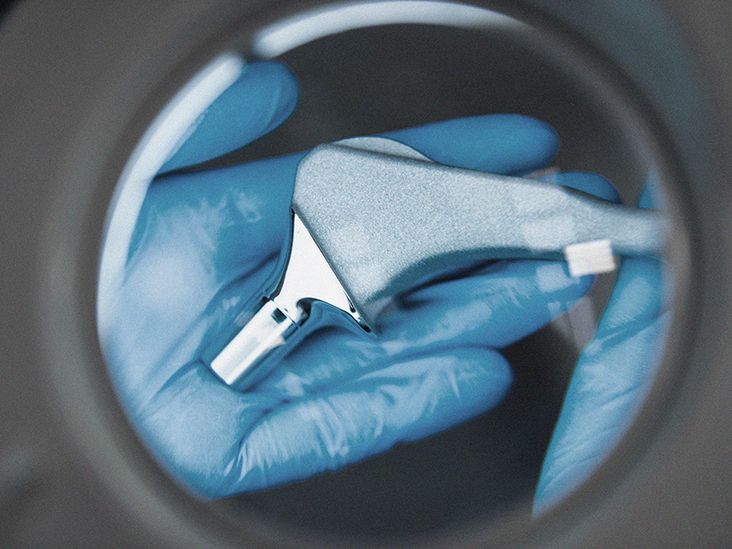
When hip pain turns putting on socks into a competitive event, it may be time to look beyond another heat, removes damaged parts of the hip joint and replaces them with artificial components designed to move smoothly and bear weight. It is major surgery, but for carefully selected patients, it can substantially reduce pain, improve mobility, and restore everyday independence. oes not mean every sore hip needs a new set of hardware. Hip pain can come from muscles, tendons, bursae, the spine, fractures, or joint disease, and treatment depends on the cause. A decision about surgery should follow a thorough evaluation and a realistic conversation about symptoms, overall health, personal goals, risks, and recovery. happens during a hip replacement?
The natural hip is a ball-and-socket joint. The rounded head of the femur fits into the acetabulum, a socket in the pelvis. Cartilage helps these surfaces glide with very little friction. When cartilage and bone become badly damaged, movement may feel stiff, grinding, or sharply painful.
During a total hip replacement, the surgeon removes the damaged femoral head, prepares the upper thighbone, and inserts a stem topped with a new ball. The damaged socket surface is also reshaped and fitted with a cup and liner. Components may be made from metal, ceramic, and highly cross-linked polyethylene. The procedure commonly takes roughly one to two hours, although complex anatomy, previous surgery, fractures, or complications can lengthen it. ight need a hip replacement?
There is no single age, scan result, or pain score that automatically sends someone to the operating room. Surgeons generally consider hip replacement when joint damage causes persistent pain and disability, nonsurgical treatments no longer provide acceptable relief, and the expected benefits outweigh the risks. tions that may lead to surgery
Osteoarthritis is the most common reason for elective hip replacement. As cartilage breaks down, the joint may become painful, stiff, and less functional. Other possible reasons include rheumatoid arthritis, post-traumatic arthritis after an injury, osteonecrosis caused by reduced blood supply to the femoral head, developmental hip dysplasia, certain childhood hip disorders, and severe fractures of the femoral neck. Rarely, tumors or other destructive joint conditions may require reconstruction. ial hip replacement is often used for selected hip fractures, especially when the natural socket remains healthy. Elective total replacement is more commonly performed for advanced arthritis or other diseases affecting both sides of the joint. day signs that the problem has become serious
- Pain continues at rest or wakes you during the night.
- Walking, climbing stairs, shopping, working, or getting into a car has become difficult.
- You need a cane or routinely avoid activities because of the hip.
- Stiffness makes dressing, bathing, or reaching your foot challenging.
- Medication, activity changes, injections, or physical therapy no longer provide enough relief.
- Your quality of life has narrowed to “things located near the couch.”
Imaging matters, but symptoms and function matter just as much. Some people have dramatic-looking X-rays and manageable symptoms, while others have life-limiting pain that deserves attention. The decision should be shared, individualized, and based largely on what the hip is preventing the person from doing. is usually tried before surgery?
Unless there is an urgent fracture or another time-sensitive problem, treatment often begins conservatively. Options may include weight management when appropriate, low-impact exercise, physical therapy, walking aids, activity modification, heat or ice, and pain-relieving or anti-inflammatory medicines. Joint injections may provide temporary relief for some patients. reatment has limitations and possible risks. A plan should account for factors such as kidney disease, stomach ulcers, cardiovascular disease, diabetes, blood-thinning medication, and other health conditions. Nonsurgical care also does not have to “fail heroically” for years before surgery becomes legitimate. If pain remains severe, sleep is poor, mobility is declining, and daily life is shrinking despite reasonable treatment, an orthopedic consultation can clarify the next step.
Types of hip replacement
Total hip replacement
Total hip arthroplasty replaces both the femoral head and the damaged socket surface. It is the standard operation for many people with advanced hip arthritis. The design generally includes a stem in the femur, a ball attached to the stem, a cup fixed in the pelvis, and a liner between the ball and cup. al hip replacement
Partial replacement, or hemiarthroplasty, replaces the femoral head but leaves the natural socket in place. It is most often used for certain displaced femoral neck fractures, particularly in older adults. It is generally not the preferred operation when arthritis has significantly damaged the socket. esurfacing
Hip resurfacing preserves more of the femoral head by trimming and capping it rather than removing it completely. It is performed much less often than total replacement and is generally limited to carefully selected patients, often younger, active men with strong bone. Traditional resurfacing uses a metal-on-metal bearing, which brings specific concerns about metal wear and metal ions. It is not a universal “sporty upgrade.” ion hip replacement
Revision surgery removes or repairs a previous implant because of loosening, wear, infection, fracture, instability, or another complication. It is usually more complex than the first operation, may require special implants or bone grafting, and often involves a longer recovery. nt materials and fixation
Modern implants combine several materials. Common bearing surfaces include ceramic-on-polyethylene and metal-on-polyethylene. Ceramic-on-ceramic may also be used in selected cases. Fully metal-on-metal total hip systems are not currently marketed with FDA approval in the United States. Implant choice depends on anatomy, bone quality, age, activity level, surgeon experience, and the performance history of the device. ents may be cemented, using bone cement for immediate fixation, or cementless, using a textured or porous surface that allows bone to grow onto the implant. A hybrid replacement combines the two methods. Cement is not simply “better glue,” and cementless fixation is not automatically superior because it sounds more modern. Each technique has situations in which it makes sense. ior, posterior, and lateral approaches
The surgical approach describes how the surgeon reaches the joint. In an anterior approach, the incision is made toward the front of the hip. A posterior approach enters from the back, while lateral or anterolateral techniques approach from the side. Each route has advantages, limitations, and a learning curve. atients experience less early pain or faster early mobility with muscle-sparing anterior techniques, but the approach alone does not guarantee a superior result. By several weeks after surgery, recovery may be similar for many patients regardless of the route used. Accurate implant placement, protection of nerves and soft tissues, complication prevention, and the surgeon’s experience with the chosen technique usually matter more than the marketing label attached to the incision. ring for hip replacement surgery
Preparation can make the first days at home much less chaotic. Before surgery, the care team may review medications, blood tests, cardiovascular or lung concerns, diabetes control, smoking, dental or skin infections, and the home setup. Some patients benefit from “prehab” exercises intended to improve strength and teach movements they will use after surgery. Arrange for a responsible adult to help with transportation, meals, pets, and household tasks.
Patients may receive spinal, regional, or general anesthesia. Many uncomplicated replacements are now performed with same-day discharge, while other patients require an overnight stay or rehabilitation placement. The right setting depends on medical stability, mobility, support at home, and the complexity of surgerynot on winning a speed contest. eplacement recovery: What to expect
The first 24 hours
Recovery begins almost immediately. Staff control pain, monitor the incision and circulation, and help the patient stand and walk with assistance. Early movement, compression devices, and blood-thinning medication may be used to reduce blood-clot risk. Before discharge, patients commonly practice getting out of bed, using a walker, navigating steps when necessary, and performing basic exercises. irst two weeks
Swelling, bruising, fatigue, and surgical soreness are normal. The old arthritic joint pain may be gone, but the tissues still know that surgery happened. Short, frequent walks and prescribed exercises are generally more useful than one heroic lap followed by a two-day recovery nap.
Patients should keep the wound clean and dry, take medication exactly as directed, use ice and elevation when recommended, and avoid movements restricted by the surgeon. Some people need a walker for only a few days, while others use it for several weeks. Progress should be based on safe walking and strength, not pride. three through six
Many people gradually transition to a cane and then to independent walking. Daily tasks become easier, but stamina may lag behind pain relief. Depending on the job, surgical side, medication use, and ability to enter and safely control a vehicle, driving and work may resume during this period. Only the surgeon should clear driving. o twelve weeks and beyond
Many patients return to most routine activities within approximately three months, but complete recovery is not a single finish line. Strength, balance, confidence, and soft-tissue healing may continue improving for six to twelve months. Age, health, preoperative conditioning, complications, the reason for surgery, and adherence to rehabilitation all affect the timeline. pact activities such as walking, cycling, swimming, and golf are commonly encouraged after healing. Running, repeated jumping, contact sports, deep squats, and extreme yoga positions may place more stress on the implant or increase dislocation risk. Activity recommendations vary, so “my neighbor did it” is not a rehabilitation protocol. and possible complications
Most hip replacements are successful, but complications can occur. Important risks include infection, blood clots, pulmonary embolism, bleeding, anesthesia problems, dislocation, fracture, nerve or blood-vessel injury, leg-length difference, persistent pain, stiffness, implant loosening, wear, and the need for revision surgery. Medical conditions such as poorly controlled diabetes, smoking, immune suppression, cardiovascular disease, and previous infection may increase certain risks. he surgical team promptly for increasing redness or drainage, pain that is worsening rather than improving, fever, chills, calf pain, or new one-sided leg swelling. Chest pain, sudden shortness of breath, coughing blood, fainting, or confusion requires emergency evaluation. ong does an artificial hip last?
No implant comes with a lifetime guarantee, but modern hip replacements are designed for long service. Longevity varies with implant design, fixation, surgical positioning, body weight, activity, bone quality, infection, trauma, and individual biology. Younger patients have more years in which wear or loosening can develop, so they should discuss the possible need for revision later in life. e follow-up may include examinations and periodic X-rays even when the hip feels fine. Problems such as wear or bone loss can develop quietly, and finding them early may make treatment easier. ions to ask an orthopedic surgeon
- What is causing my pain, and how certain is the diagnosis?
- What nonsurgical alternatives are still reasonable?
- Why do you recommend total, partial, resurfacing, or revision surgery?
- Which approach, implant, bearing surface, and fixation method do you recommend for someone like me?
- How frequently do you perform this operation?
- What are my personal risks, and how can I lower them?
- When can I drive, work, travel, exercise, and sleep in my preferred position?
- Which warning signs should trigger an urgent call?
Writing questions down before the appointment can help patients compare choices and remember the details afterwardbecause an orthopedic consultation is not the ideal moment to discover that the brain has temporarily deleted every question it prepared. stic hip replacement experiences: What patients often notice
Hip replacement stories tend to arrive in two flavors: “I walked into brunch on day three!” and “Why did nobody warn me that socks require engineering?” Real recovery usually lives somewhere between those extremes. The following composite experiences reflect frequently reported recovery themes rather than promises or testimonials from specific patients. ience 1: The painful joint feels better before the body feels normal
A person with severe osteoarthritis may wake after surgery and notice that the deep, grinding groin pain has changed. That can feel encouraging, but it does not mean the leg is ready for a theme-park vacation. Incisional soreness, swelling, bruising, muscle weakness, and fatigue can dominate the first week. Sleep may be awkward, appetite may be reduced, and simple routines can take twice as long.
The practical victory is often not “zero pain.” It is standing safely, reaching the bathroom, completing prescribed exercises, and taking several short walks without becoming exhausted. Pain and swelling should generally trend downward, although the improvement may be gradual rather than dramatic. ience 2: Improvement is rarely a perfectly straight line
During week two or three, a patient may feel so good that they double their walking distance, reorganize a closet, and celebrate by cooking dinner. The next morning, the hip is swollen and cranky. This does not automatically mean the implant is damaged. It may simply mean activity increased faster than recovering tissues could tolerate.
The sensible response is to scale back, use the care team’s swelling-management plan, and rebuild gradually. Persistent or severe symptoms, sudden loss of function, wound changes, fever, or increasing pain deserve a call to the surgical team rather than an evening of internet detective work. ience 3: A walking aid is a tool, not a report card
Some patients abandon the walker early because pain is low, yet they still lean heavily or limp. A physical therapist may recommend keeping the device longer to retrain a balanced gait. Another patient may need a cane for several weeks because the surrounding muscles were weak before surgery.
Neither patient has “failed.” Walking well with support is usually better than walking poorly without it. The cane can retire when strength, balance, gait quality, and confidence are readynot when an impatient calendar declares that it has been long enough. ience 4: Recovery involves logistics as much as exercise
People are sometimes surprised by how helpful small preparations become. A firm chair is easier to leave than a low sofa. A basket for medications prevents a daily scavenger hunt. Frozen meals suddenly become fascinating. Help with laundry, pets, shopping, and transportation preserves energy for healing.
Patients who live alone may recover successfully at home, but they need a detailed plan for the first several days and a backup person who can respond if something changes. Some patients may temporarily need home health support, outpatient therapy, or care in a rehabilitation facility. ience 5: The new hip may improve life in quiet ways
The biggest milestone is not always climbing a mountain. It may be sleeping through the night, putting on shoes without holding one’s breath, walking through a grocery store, or accepting an invitation without first calculating every chair, parking space, and staircase.
Those changes can arrive gradually. Some people feel dramatic relief within weeks, while others need months for strength and confidence to catch up. Comparing one recovery with another can create unnecessary worry because patients begin with different diagnoses, muscle strength, medical conditions, home environments, operations, and personal goals. st useful experience-based lesson is simple: prepare carefully, take rehabilitation seriously, respect warning signs, and allow recovery to be individual. A hip replacement is not a magic hinge installed at a repair shop. It is a partnership between surgery, biology, movement, patience, and a surprisingly important supply of ice packs.
Conclusion
Hip replacement may be appropriate when severe joint damage causes persistent pain, stiffness, and loss of function despite reasonable nonsurgical treatment. Total replacement is the most common option, while partial replacement, resurfacing, and revision surgery serve more specific situations. Implant materials, fixation, and surgical approach should be selected for the individual rather than chosen according to trends.
Recovery starts with early movement and continues for weeks or months. Many patients regain everyday independence well before every tissue has fully healed. The safest path combines realistic expectations, careful preparation, prescribed rehabilitation, and prompt attention to warning signs.
Medical note: Anyone considering hip replacement should discuss personal benefits, risks, implant choices, and recovery goals with a qualified orthopedic surgeon. This article provides general educational information and is not a substitute for individualized medical diagnosis or treatment.