Some photos politely ask to be admired. Others kick the door open wearing sunglasses and shout, “Please turn me into a tiny feathered CEO immediately.” A picture of a bird often belongs to the second category. Birds already have the dramatic posture, suspicious side-eye, aerodynamic flair, and “I know something you don’t” energy that make the internet reach for Photoshop faster than a gull spots an unattended French fry.
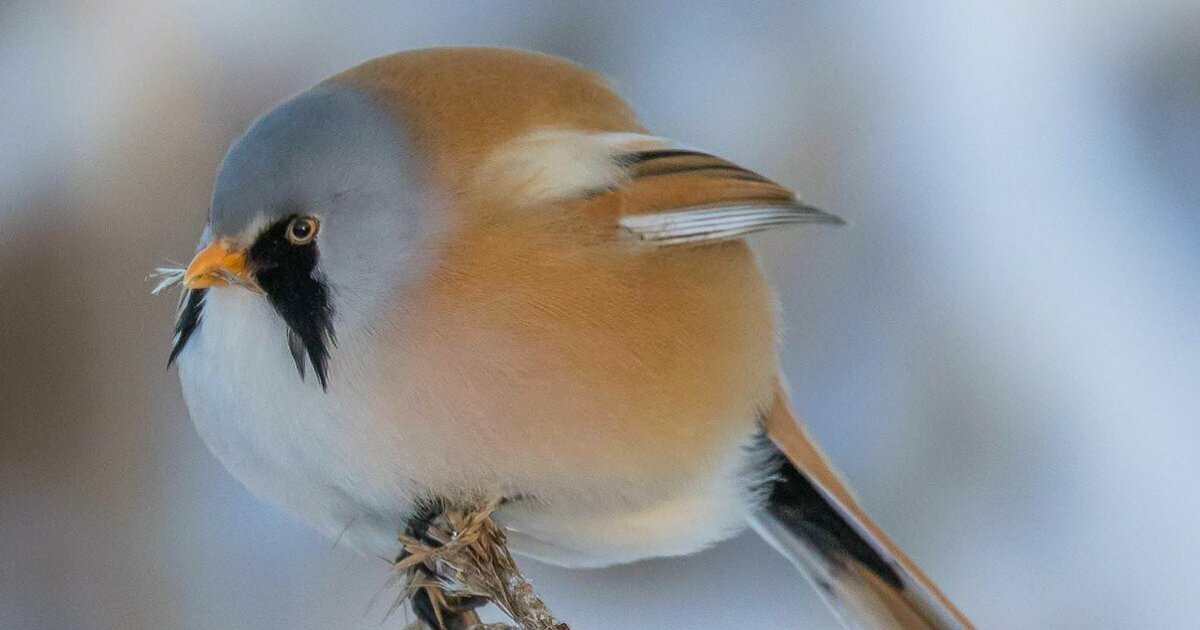
The phrase “Hey Pandas, Photoshop This Picture Of A Bird” captures a very specific kind of online joy: a community sees one funny, odd, or perfectly timed bird image and collectively decides that reality was merely the first draft. Suddenly, the bird is not just standing on a branch. It is hosting a cooking show, running for mayor, escaping a spy movie, judging a talent competition, or riding a skateboard through a museum after hours. No one asked the bird for permission, mostly because the bird was unavailable for comment.
But behind the silliness is something genuinely interesting. Photoshop challenges, meme editing, bird photography, digital art, and online community humor all meet in one tiny beak-shaped arena. A simple bird photo becomes a creative playground where amateurs, designers, meme-makers, and casual internet comedians can practice storytelling with pixels.
Why Bird Photos Make Perfect Photoshop Material
Birds are natural performers. Even when they are doing absolutely nothing, they tend to look like they are doing something extremely important. A pigeon staring into the distance can resemble a retired detective remembering one last case. A duck mid-step looks like it is late for a staff meeting. A parrot with tilted posture may appear to be delivering breaking news. This built-in drama makes birds ideal subjects for funny photo edits.
Unlike many animals, birds have expressive silhouettes. Wings, beaks, claws, crests, long necks, and strange little feet create shapes that remain recognizable even after heavy editing. This is useful in Photoshop because the subject must still read clearly after backgrounds, props, costumes, captions, or surreal elements are added. A bird in a tiny helmet still looks like a bird. A bird standing on the moon still looks like a bird. A bird wearing a business tie may look more employable than most of us on Monday morning, but yes, still a bird.
Bird photos also work well because they invite scale jokes. A small bird can become a giant monster terrorizing a city. A large bird can be placed on a tiny office chair. A bird can be edited into a royal portrait, a movie poster, a video game cover, or a vacation postcard. The humor comes from contrast: wild creature meets human situation, tiny animal meets huge responsibility, elegant wings meet ridiculous accessories.
The Photoshop Battle Spirit: From Simple Edits to Internet Theater
A Photoshop battle is not just a contest of technical skill. It is a contest of imagination. The original image is the setup; every edited version is a punchline. In many online communities, users take an unusual photo and transform it into dozens of alternate realities. Some edits are polished enough to look like movie posters. Others are intentionally rough, and somehow that makes them funnier.
The best Photoshop battle entries usually understand one rule: the joke should arrive fast. Online viewers scroll quickly. A great edit communicates its idea in a second or two. Maybe the bird is edited into a famous painting pose. Maybe it becomes the villain in a fantasy movie. Maybe its awkward stance is turned into a runway walk. The viewer should not need a map, a glossary, and three cups of coffee to understand the gag.
That does not mean every edit must be loud. Some of the funniest bird edits are subtle. A bird standing with serious posture might simply be placed behind a presidential podium. A heron looking confused might be dropped into a customer service desk. A puffed-up sparrow could become a tiny bodybuilder. The magic is not always in adding more elements; often, it is in choosing the exact context that makes the original expression shine.
What Makes a Bird Photo “Photoshop-Worthy”?
Not every bird photo screams, “Turn me into a blockbuster franchise.” The most editable images usually have a few helpful qualities.
1. A Clear Subject
The bird should stand out from the background. A clean silhouette makes masking easier, whether the editor uses Photoshop, Lightroom, Canva, Affinity Photo, GIMP, or another editing tool. If the bird blends into leaves, shadows, or busy branches, the edit becomes more difficult. A clean subject gives creators room to move the bird into new worlds without fighting every feather.
2. A Funny Pose or Expression
Birds do not smile like humans, but they absolutely have facial energy. A tilted head, puffed chest, stretched wing, open beak, or dramatic stare can suggest a story. The best Photoshop prompts often start with a bird that already looks like it is mid-scene. Editors do not have to invent the humor from scratch; they simply help the bird fulfill its destiny.
3. Room Around the Bird
Negative space is helpful. If the bird is too tightly cropped, creators have less freedom to add backgrounds, props, or motion. A little extra space around the subject allows for dramatic skies, fake explosions, stage lights, cartoon speech bubbles, or a tasteful tiny throne. The throne is optional, but highly recommended for birds with strong leadership energy.
4. Good Lighting
Lighting can make or break a composite. If the original bird is lit from the left, but the new background has strong light from the right, the edit may feel awkward. Skilled photo manipulators often adjust shadows, color temperature, contrast, and highlights so all elements appear to share the same environment. In comedy edits, perfect realism is not always required, but believable lighting makes even the silliest image more satisfying.
Creative Photoshop Ideas for a Bird Picture
If you are staring at a bird photo and wondering what to do with it, begin with the bird’s body language. Let the image tell you what kind of character it wants to be. A stern owl could become a courtroom judge. A duck in motion could become an action hero walking away from a harmless cartoon explosion. A seagull with stolen food energy could become the lead in a heist movie. A tiny finch perched proudly could become the commander of a space fleet.
Here are a few directions that usually work well:
Turn the Bird Into a Movie Poster
Birds and movie posters belong together. Add cinematic lighting, a dramatic title, fake critic quotes, and a moody background. A crow becomes the star of a noir mystery. A peacock becomes the lead in a fashion documentary. A chicken becomes the hero of an epic farm rebellion. The key is to treat the bird as if it is genuinely famous. Confidence sells the joke.
Put the Bird in a Human Job
Few things are funnier than an animal appearing slightly underqualified for office work. Add a desk, laptop, coffee mug, name badge, or headset. Suddenly the bird is answering customer complaints, managing spreadsheets, or leading a quarterly planning meeting. Bonus points if the bird already looks overwhelmed, judgmental, or suspiciously proud of itself.
Create a Fantasy or Sci-Fi Scene
Birds naturally fit fantasy worlds because they already look like creatures from folklore. A hawk can become a dragon rider. A hummingbird can become a jewel-powered spaceship pilot. A raven can perch on a wizard’s staff. A flamingo can guard the entrance to a neon cyberpunk nightclub. The more seriously the image is composed, the funnier the contrast can become.
Make It a Sports Moment
A bird with wings spread can look like it just scored the winning goal. Add a stadium, cheering crowd, scoreboard, jersey, or trophy. A diving kingfisher could become an Olympic athlete. A running ostrich already needs almost no editing; it arrives pre-loaded with track-and-field drama.
Use Famous Art Styles Carefully
A bird can be reimagined as a Renaissance portrait, a vintage travel poster, a comic book hero, or a museum-worthy oil painting. The trick is to create a transformation rather than a lazy filter. Match composition, lighting, background texture, and color palette. A pigeon in a powdered wig may not improve Western civilization, but it will improve someone’s lunch break.
Photo Editing Versus Photo Manipulation
It is helpful to understand the difference between editing and manipulation. Basic photo editing usually improves an image that already exists. This includes cropping, exposure correction, color balancing, sharpening, noise reduction, and minor cleanup. A bird photographer might edit a photo to make the final image better match what they saw in the field.
Photo manipulation goes further. It changes the content or meaning of the image by adding, removing, replacing, or combining elements. In a Photoshop challenge, manipulation is the whole point. Nobody thinks the bird actually wore sunglasses during a bank robbery scene. The audience understands the edit as a joke, artwork, or remix.
The ethical issue appears when manipulation is presented as documentary truth. If an image is meant to represent real wildlife behavior, news, science, or conservation evidence, then major content changes should be disclosed. If an image is clearly labeled as a creative edit, parody, or Photoshop challenge, viewers can enjoy the fantasy without confusion.
How to Make a Bird Photoshop Edit Look Better
A funny idea can survive rough editing, but a few technical habits make the final result much stronger.
Start With a Clean Cutout
Feathers are tricky. A sloppy selection can leave halos around the bird, especially against bright skies or dark backgrounds. Use selection tools carefully, refine the edge, and zoom in around wings, tail feathers, and tiny feet. The better the cutout, the more believable the composite.
Match Light and Shadow
Every object in a scene should seem to live under the same light. Add shadows beneath the bird if it is standing on a surface. Adjust brightness if the bird is too flat or too contrasty compared with the background. Even a ridiculous image benefits from visual logic. The viewer may accept a penguin DJ, but they will still notice if the lighting looks like three different planets had a meeting.
Use Color Grading
Color ties everything together. If the background is warm and golden, cool blue shadows on the bird may stand out too much. If the scene is dark and cinematic, the bird may need lowered highlights or richer contrast. A final color adjustment layer can help all pieces feel like one image instead of a sticker collection.
Do Not Overload the Joke
One strong idea usually beats twelve random additions. If the bird is a secret agent, give it sunglasses, a dramatic hallway, and maybe a laser dot on the wall. You probably do not also need pizza, fireworks, a pirate ship, six cats, and a motivational poster in the background. Unless the theme is “bird having the most chaotic Tuesday ever,” restraint is your friend.
The Role of AI Tools in Modern Bird Edits
Modern image editing has changed quickly. Generative tools can extend backgrounds, remove distractions, create props, or test visual concepts with text prompts. For creative challenges, this can speed up brainstorming. An editor might ask for a fantasy forest, a dramatic stage, or a tiny royal banquet hall, then refine the result manually.
Still, AI does not replace taste. The funniest edits come from human observation: noticing that the bird looks offended, heroic, confused, glamorous, or ready to file a complaint. Software can generate pixels, but it does not always understand why a duck in a judge’s robe is funnier than a duck in random armor. The editor’s job is to choose the idea, control the composition, and polish the details.
Transparency matters here, too. If AI-generated elements are part of the image, it is wise to disclose that when the context requires it. In casual meme culture, viewers may not need a full production report. In contests, portfolios, journalism, or educational work, honesty builds trust.
Bird Photography Still Matters
Before a bird photo becomes a meme, it begins as a photograph. Good bird photography requires patience, timing, respect for wildlife, and an understanding of behavior. Photographers often study when birds feed, perch, fly, court, preen, or gather. The more the photographer understands the subject, the better the chance of capturing a pose that feels alive.
Ethical bird photography is especially important. Getting the shot should never come before the bird’s well-being. Responsible photographers avoid disturbing nests, stressing wildlife, damaging habitat, or using harmful baiting practices. A funny edit is not worth a frightened animal or a disrupted environment. The best creative chain starts with a respectful original image.
In fact, ethical photography and silly Photoshop edits can support each other. A humorous bird image can make people pay attention to birds they might normally ignore. A meme can lead someone to learn the difference between a crow and a raven, or to notice how expressive a heron can be. Comedy may be light, but curiosity has wings.
Why Community Challenges Are So Addictive
Part of the fun of a “Photoshop this bird” prompt is seeing how differently people interpret the same image. One person sees a superhero. Another sees a substitute teacher. Someone else sees a bird who has clearly just discovered taxes. The original photo becomes a shared starting line, and every edit reveals a different sense of humor.
Community challenges also lower the pressure. Not every participant needs to be a professional designer. Beginners can practice masking, layering, shadows, typography, and composition while making people laugh. More advanced creators can flex their technical skills. Viewers can vote, comment, and suggest new ideas. The whole process feels less like a formal art class and more like a digital potluck where everyone brought one weird casserole.
That sense of participation is why these posts travel well on social media. People love before-and-after images. They love seeing ordinary photos become absurd scenes. They love spotting small details hidden in the edit. Most of all, they love the feeling that the internet can still produce harmless, collaborative nonsense. In a world of loud arguments, a bird in a tiny astronaut suit is practically community service.
How to Caption a Photoshopped Bird Image
A caption can turn a good edit into a great one. The best captions are short, specific, and matched to the visual joke. If the bird is edited into a courtroom, a caption like “Your Honor, the seed was already missing when I arrived” works better than a long explanation. If the bird is on a movie poster, a fake tagline can complete the illusion.
Try writing captions that sound like the bird is speaking. Birds already look opinionated, so first-person comedy often works. “I would like to speak to the park manager.” “This meeting could have been a migration.” “No crumbs were harmed, only relocated.” These little lines give the image a personality and make it more shareable.
Common Mistakes to Avoid
The first common mistake is making the edit too busy. If viewers cannot find the bird, the joke gets lost. The second mistake is ignoring perspective. If the bird is placed on a table, its feet should align with the surface. If it is sitting in a chair, the body angle needs to make sense. The third mistake is using text that is too small or hard to read on mobile screens.
Another mistake is relying only on references that will age quickly. A trendy meme format may be funny today but confusing next month. The strongest edits often use timeless situations: job interviews, movie scenes, royal portraits, sports victories, school photos, vacation disasters, and awkward family moments. Birds are eternal. Meme formats, sadly, molt.
Experience Section: What This Topic Teaches About Creativity
There is something wonderfully freeing about working with a bird photo as a creative prompt. Unlike a serious branding project or a client-approved advertisement, a Photoshop bird challenge gives people permission to be playful. The stakes are low, the canvas is small, and the possible outcomes are endless. That combination is powerful because it encourages experimentation without fear of failure.
Imagine opening a plain image of a bird perched on a fence. At first, it is just a bird. Then you notice its posture. Maybe it looks proud, as if it has just completed a heroic mission. That single observation becomes the doorway. You might place the bird on a mountaintop with a flag. Then you add sunrise lighting. Then a dramatic title appears: “The Last Crumb.” Suddenly, the image has a story.
The best experience with this kind of editing is not only the final image; it is the chain of decisions. You learn to ask visual questions. What does the bird seem to feel? What background would exaggerate that mood? What prop would make the idea clearer? Should the edit look realistic, cartoonish, cinematic, or intentionally ridiculous? Each answer teaches design thinking in a fun way.
Beginners often discover that Photoshop is less intimidating when the goal is humor. A perfect commercial composite can feel overwhelming, but a bird wearing a tiny crown invites patience. You are more willing to try again when the project makes you laugh. Masking feathers becomes practice rather than punishment. Adjusting shadows becomes part of the joke. Even mistakes can become ideas. A badly stretched wing might inspire a superhero cape. A strange background mismatch might become a dream sequence. Creative play turns errors into possibilities.
Another valuable experience is learning how much context changes meaning. The same bird can feel majestic in a mountain landscape, nervous in a dentist’s office, rebellious on a concert stage, or suspicious in a detective scene. Nothing about the bird changes, but everything around it changes how we read it. That is one of the core lessons of visual storytelling: meaning lives in relationships. Subject, setting, scale, color, text, and timing all work together.
Community feedback also makes the process better. Someone may notice a funnier angle you missed. Another person may suggest a cleaner caption. A viewer might laugh at a tiny detail you almost removed. Over time, you learn what people respond to: clarity, surprise, personality, and confidence. The internet may be chaotic, but in creative challenges, it can become a huge comedy workshop with feathers.
Finally, this topic reminds us that creativity does not always need a grand purpose. Sometimes the purpose is simply to make a bird look like it is late for a board meeting. That is enough. Small, silly projects keep creative muscles active. They help people learn tools, share laughs, and notice the weird beauty of everyday images. A bird photo may begin as a snapshot, but with imagination, it can become a whole tiny universe.
Conclusion
“Hey Pandas, Photoshop This Picture Of A Bird” is more than a funny internet prompt. It is a celebration of remix culture, visual comedy, photo editing skill, and the universal truth that birds are funnier than they probably realize. A strong bird photo gives editors expression, shape, character, and story. A thoughtful Photoshop edit turns those ingredients into a joke, a fantasy, a parody, or a miniature masterpiece.
Whether you are a beginner cutting out your first sparrow or an experienced designer building a cinematic eagle saga, the secret is the same: respect the original image, choose one clear idea, polish the details, and let the bird’s personality lead the way. The internet does not need another boring scroll. It needs a dramatic pigeon in a courtroom. Obviously.