Hemp plants have had quite the public-relations journey. One minute they are lumped into every confusing cannabis conversation on the internet; the next, they are showing up in farm fields, skincare aisles, protein powders, building materials, textiles, pet discussions, policy debates, and your uncle’s “I could grow that” retirement plan. But what exactly is a hemp plant? How can you identify one? And is it actually legal in the United States?
The short answer: hemp is a type of Cannabis sativa L. that is legally defined by its low THC concentration. The longer answer is more interesting. Hemp can be grown for fiber, grain, seed, oil, cannabinoids, research, and industrial materials. It can look very similar to marijuana because both come from the same species, but the legal difference depends on chemistry, not leaf shape alone. In other words, your eyes can start the identification process, but a lab test gets the final vote.
This guide explains how to identify hemp plants, how hemp differs from marijuana, what federal law currently says, why state laws still matter, and what growers, consumers, and curious plant people should know before making assumptions. Think of it as a field guide with fewer muddy boots and more legal common sense.
What Are Hemp Plants?
Hemp plants are cultivated varieties of Cannabis sativa L. grown for agricultural, industrial, or cannabinoid-related purposes. Under U.S. federal law, hemp has historically been defined as cannabis and cannabis derivatives containing no more than 0.3% delta-9 THC on a dry-weight basis. THC, short for tetrahydrocannabinol, is the main intoxicating compound associated with marijuana.
That legal threshold is important because hemp and marijuana are not separated by a neat botanical fence. They are more like cousins wearing different job uniforms. Hemp varieties are bred for low THC and may be selected for tall stalks, strong fiber, nutritious seeds, high CBD content, or stable field performance. Marijuana varieties are typically bred for higher THC content and intoxicating effects.
Common Uses of Hemp Plants
Hemp is often called a “multi-use crop,” which is agricultural speak for “this plant has a resume longer than most job applicants.” Different parts of the plant can be used in different ways:
- Stalks: Used for fiber, textiles, rope, paper, insulation, biocomposites, animal bedding, and hempcrete-style building materials.
- Seeds: Used for hemp hearts, hemp seed oil, protein powder, animal feed research, and culinary products.
- Flowers: Used in some cannabinoid products, especially CBD-focused products, depending on legal and regulatory requirements.
- Leaves and biomass: Used in extraction, composting, research, or processing streams, depending on the crop’s purpose.
- Roots: Historically overlooked, but increasingly studied for potential agricultural and research value.
Not every hemp field is grown for the same purpose. A fiber hemp field may look tall, narrow, and dense, while a CBD hemp field may be spaced farther apart to encourage branching and flower development. Grain hemp may be managed differently again. This is why identifying hemp requires context, not just a quick glance and a confident nod.
How to Identify Hemp Plants
Hemp identification begins with visual clues, but it should end with caution. Because hemp and marijuana are both cannabis, visual identification alone cannot prove legality. Still, there are several botanical features that can help you recognize a likely hemp plant.
1. Look at the Leaf Shape
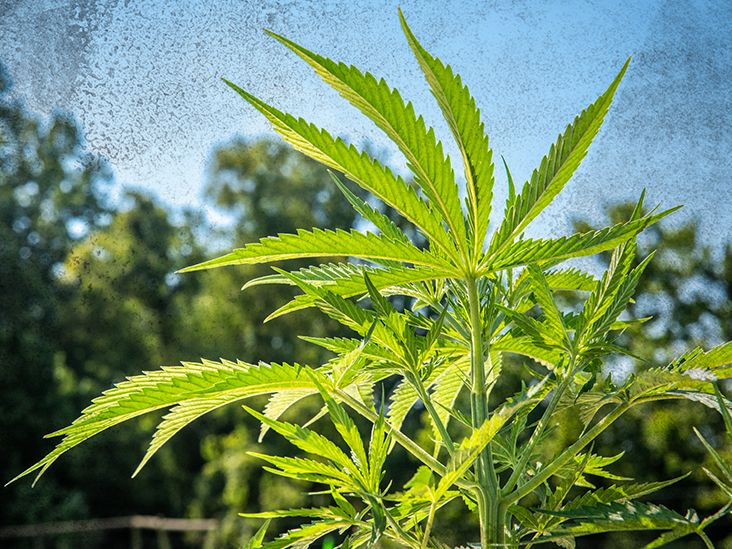
Hemp leaves are usually palmately compound, meaning several narrow leaflets radiate from a central point like fingers from a hand. Most mature leaves have five to nine serrated leaflets, though the number can vary depending on plant age, genetics, and growing conditions.
The leaflets are typically long, slim, pointed, and toothed along the edges. Younger plants may have fewer leaflets, while older plants often show the more familiar fan-like cannabis leaf. However, leaf shape alone does not tell you whether the plant is legally hemp or marijuana. Plenty of cannabis plants can produce similar leaves, and the law is not impressed by “but it looked hempy.”
2. Check the Plant Height and Growth Habit
Fiber hemp varieties often grow tall and upright, sometimes reaching impressive heights under good conditions. These plants may have long stems, fewer side branches, and dense field spacing. They are bred to produce stalk material, so the plant puts much of its energy into vertical growth.
CBD or cannabinoid hemp plants often look bushier because growers give them more space to branch and produce flowers. Grain hemp may fall somewhere in between. This means a tall, bamboo-like cannabis plant in a dense field may suggest fiber hemp, while a shorter, wider, heavily flowered plant may suggest cannabinoid production. Again, these are clues, not courtroom evidence.
3. Study the Stems
Hemp stems are typically fibrous, ridged, and strong. In fiber varieties, the stalk is one of the most valuable parts of the plant. The outer bast fiber can be processed for textiles, cordage, and specialty materials, while the inner woody core, often called hurd or shiv, can be used in animal bedding, composites, and building applications.
A mature hemp stem may become thick and woody near the base. In dense fiber fields, plants often compete upward for light, producing long, relatively straight stems. In wider-spaced cannabinoid fields, the stems may support more branching and flower clusters.
4. Identify Male and Female Hemp Plants
Hemp is commonly dioecious, meaning male and female flowers appear on separate plants. Some commercial varieties are monoecious, meaning male and female flowers can appear on the same plant. This detail matters because the plant’s sex affects seed production, pollen movement, cannabinoid yields, and crop management.
Male hemp plants usually produce pollen sacs in loose clusters. They may appear taller, slimmer, and less leafy once flowering begins. Female hemp plants produce flower structures with bracts and, at early stages, small white hair-like stigmas. Female flowers are especially important in CBD production because cannabinoids are concentrated in the resinous flower material.
Before flowering, male and female hemp plants can be difficult or impossible to distinguish visually. Once flowering starts, the differences become much clearer. If you are inspecting plants too early, patience is not just a virtue; it is part of the identification method.
5. Notice the Smell
Hemp plants may have a strong, earthy, herbal, skunky, piney, citrusy, or floral smell, especially during flowering. Terpenes create much of this aroma. A strong cannabis smell does not automatically mean the plant is marijuana. Some legal hemp varieties smell extremely loud, as if the plant is trying to introduce itself from across the county.
Smell can help confirm that a plant is cannabis-like, but it cannot identify THC concentration. A hemp plant and a marijuana plant may smell similar because both can produce overlapping terpene profiles.
Hemp vs. Marijuana: What Is the Difference?
The most important difference between hemp and marijuana is legal and chemical, not simply visual. In the United States, hemp is cannabis that stays within the legal THC threshold. Marijuana is cannabis that exceeds that threshold or falls outside the legal definition of hemp.
Botanically, both can belong to Cannabis sativa L.. Culturally, legally, and commercially, they are treated very differently. Hemp is regulated as an agricultural commodity when produced under an authorized program. Marijuana remains subject to separate federal and state controlled-substance rules, even where state cannabis programs allow medical or adult use.
Why Lab Testing Matters
No one can reliably determine THC percentage by looking at a plant. A field may look like hemp, smell like hemp, and be planted by someone wearing a very official hat, but compliance depends on testing. Under hemp production rules, samples are collected and analyzed to determine whether the crop stays within the acceptable THC level.
This is why growers talk about “hot hemp.” A hemp crop “goes hot” when THC levels exceed the legal limit. The plant may have been intended as hemp, but if the tested THC concentration is too high, it can become noncompliant and may need to be remediated or destroyed according to program rules. That is an expensive way for a farmer to learn that cannabis chemistry has no sense of humor.
Is Hemp Legal in the United States?
Hemp became federally legal as an agricultural crop under the 2018 Farm Bill, which removed qualifying hemp from the federal definition of marijuana. However, “legal” does not mean “plant it anywhere and call it a lifestyle brand.” Hemp production is regulated, and growers generally must be licensed or authorized under a state, tribal, or USDA hemp program.
At the federal level, hemp production rules include licensing, reporting, sampling, testing, disposal or remediation of noncompliant crops, and recordkeeping. States and tribes may operate USDA-approved hemp plans, and some states impose additional requirements.
Federal Hemp Rules in Plain English
For practical purposes, U.S. hemp legality involves several basic ideas:
- The plant must meet the legal THC standard. Historically, hemp has been tied to no more than 0.3% delta-9 THC on a dry-weight basis.
- Growers need authorization. A person generally cannot legally produce hemp without being licensed or approved under the correct hemp program.
- Testing is central. Compliance is confirmed through sampling and laboratory analysis, not visual inspection.
- Noncompliant crops can create serious problems. Crops that exceed the acceptable THC level may require disposal, remediation, reporting, or corrective action.
- FDA rules still apply to products. Hemp’s removal from the controlled-substance definition did not erase food, drug, cosmetic, supplement, or labeling requirements.
Important 2026 Legal Update
Hemp law is not frozen in amber. Federal restrictions affecting hemp-derived cannabinoid products are scheduled to change on November 12, 2026. The new framework narrows how hemp and certain hemp-derived products are treated, especially products containing intoxicating or THC-like cannabinoids. This matters for businesses selling CBD, delta-8 THC, THCA, hemp beverages, gummies, vapes, tinctures, and similar consumer products.
For readers, the main takeaway is simple: always check current federal and state rules before growing, selling, transporting, or buying hemp-derived cannabinoid products. What is allowed today may be restricted tomorrow, and what is allowed in one state may be banned, age-gated, or tightly regulated in another.
Do State Hemp Laws Matter?
Absolutely. State laws matter a lot. Federal law creates the national framework, but states can regulate hemp cultivation, processing, retail sales, age limits, testing standards, labeling, intoxicating hemp products, and licensing. Some states welcome hemp as an agricultural opportunity. Others are more cautious, especially with products that can produce intoxicating effects.
This patchwork can be confusing for consumers and businesses. A hemp product that is sold openly in one state may be restricted in another. A farmer may need state-specific permits. A retailer may face different labeling rules depending on where the product is sold. A trucker transporting hemp may need documentation proving the crop was lawfully produced.
If you are dealing with hemp commercially, do not rely on a social media post, a friendly cashier, or a cousin who “knows a guy.” Check your state agriculture department, cannabis regulatory agency, or legal counsel.
Can You Grow Hemp at Home?
This is one of the most common questions, and the answer is: maybe, but do not assume. Hemp is federally regulated as an agricultural crop, and production usually requires licensing. Some states may allow certain types of cannabis home cultivation under marijuana laws, but that does not automatically create a legal right to grow hemp as an agricultural crop.
Home gardeners should be careful. A few plants in the backyard may look harmless, but cannabis plants can trigger legal issues if they are not permitted, if they exceed THC limits, or if local law prohibits cultivation. In many places, hemp production is designed for licensed growers, not casual patio experiments next to the tomatoes.
How Hemp Is Grown: A Quick Overview
Hemp can be grown outdoors, in greenhouses, or under protected cultivation. The production method depends on the crop’s purpose. Fiber hemp is often planted densely to encourage tall, straight stalks. Grain hemp is managed for seed production. Cannabinoid hemp is usually grown with wider spacing, careful genetics, and close monitoring of flower development.
Soil and Climate
Hemp generally prefers well-drained soil, adequate fertility, and good airflow. Like many field crops, it dislikes standing water and severe weed pressure. Farmers often pay close attention to planting date, variety selection, nutrient management, pest pressure, and harvest timing.
Contrary to internet mythology, hemp is not a magical crop that grows perfectly anywhere while solving every agricultural problem before lunch. It can be hardy and useful, but it still needs good management. Poor soil, bad genetics, drought stress, disease, and market uncertainty can turn a promising hemp plan into an expensive lesson.
Pollen Drift and Neighbor Problems
Hemp pollen can travel, and that matters. Male plants can pollinate female plants, causing seed formation. In CBD-focused production, pollination can reduce flower quality and complicate processing. A grain hemp field near a cannabinoid hemp field may create tension between neighbors if pollen moves across property lines.
This is one reason communication and planning are important in hemp-growing regions. Farmers may need isolation distances, planting coordination, variety selection, or local agreements to reduce conflict. Hemp may be a plant, but sometimes it behaves like a neighborhood committee meeting with roots.
Hemp Products: What Consumers Should Know
Hemp products fall into several categories, and they are not regulated the same way. Hemp seed foods, such as hemp hearts and hemp seed oil, are different from CBD tinctures or intoxicating hemp-derived THC products. Consumers should read labels carefully and understand what they are buying.
Hemp Seed Products
Hemp seeds are used in foods because they contain protein, fats, and minerals. Hulled hemp seeds, often called hemp hearts, have a mild nutty flavor and can be added to smoothies, oatmeal, salads, yogurt, and baked goods. Hemp seed oil is used in foods and body care products, but it is not the same as CBD oil.
This distinction is important: hemp seed oil generally comes from seeds, while CBD oil is usually extracted from flowers or aerial plant parts. If a product markets hemp seed oil as if it contains meaningful CBD, read the label twice and raise one eyebrow.
CBD and Cannabinoid Products
CBD products are more legally complicated. The FDA has approved one prescription CBD medicine, but it has not broadly approved over-the-counter CBD products for all the uses often claimed online. Products marketed with medical claims may create regulatory issues. Quality can also vary widely, so consumers should look for third-party testing, batch numbers, clear cannabinoid content, contaminant screening, and responsible labeling.
People who take medications, are pregnant or nursing, have liver concerns, or are sensitive to cannabinoids should speak with a qualified health professional before using CBD or hemp-derived cannabinoid products. Natural does not automatically mean risk-free. Poison ivy is natural too, and nobody invites it to brunch.
Common Hemp Plant Look-Alikes
Because cannabis leaves are distinctive, hemp is not easily confused with most common garden plants once mature. However, young plants, photos, or distant field views can be misleading. Some ornamental plants have divided or serrated leaves that may cause confusion for casual observers.
The safest approach is to identify the full plant, not just one leaf. Consider leaf arrangement, stem structure, smell, flowers, field pattern, and documentation. For legal purposes, never rely on a photo alone. A plant that “looks like hemp” may still require lab testing and production records.
Environmental and Economic Potential of Hemp
Hemp attracts attention because it can supply fiber, grain, oil, and biobased materials. Industrial hemp may support markets for sustainable textiles, biodegradable composites, specialty papers, construction materials, and plant-based nutrition. It also gives farmers another crop option, especially where processors and buyers are available.
However, hemp markets can be volatile. After federal legalization, some growers rushed into CBD hemp when prices looked exciting. Oversupply, regulatory uncertainty, processing bottlenecks, and inconsistent contracts hurt many producers. The lesson is clear: hemp may be versatile, but versatility does not guarantee profit.
Successful hemp production depends on matching the crop to a real market. Fiber growers need decortication and processing capacity. Grain growers need buyers and cleaning infrastructure. CBD growers need compliant genetics, testing plans, drying capacity, extraction partners, and a realistic understanding of demand. Hemp is not a lottery ticket with leaves.
Practical Tips for Identifying and Handling Hemp Legally
- Do not judge legality by appearance. Hemp and marijuana can look nearly identical.
- Ask for documentation. Licensed growers and transporters should have paperwork showing lawful production and testing.
- Check state law. Local rules may be stricter than federal rules.
- Know the product category. Hemp seed food, CBD oil, fiber, and intoxicating cannabinoid products face different rules.
- Use reputable labs. For growers and businesses, accurate testing is essential.
- Avoid medical claims. Product marketing can trigger FDA concerns if it claims to treat or cure disease without approval.
- Stay updated. Hemp law is changing, especially around hemp-derived cannabinoids.
Frequently Asked Questions About Hemp Plants
Can hemp get you high?
Properly compliant hemp plants contain low levels of THC and are not grown for intoxication. However, some hemp-derived products may contain cannabinoids that can be intoxicating, depending on formulation, concentration, and state law. Always read labels and understand local regulations.
Is CBD the same as hemp?
No. Hemp is the plant category. CBD is one cannabinoid that may be extracted from hemp. Hemp seed oil is also not the same as CBD oil.
Can police tell hemp from marijuana by looking?
Not reliably. Visual inspection may suggest cannabis, but THC testing is needed to distinguish legal hemp from marijuana under the legal standard.
Why do hemp laws keep changing?
The hemp market expanded quickly after the 2018 Farm Bill, especially for CBD and intoxicating hemp-derived cannabinoids. Lawmakers and regulators are now addressing safety, youth access, labeling, synthetic conversion, interstate commerce, and market oversight.
Field Notes: Practical Experiences With Hemp Plants
People who work around hemp often learn quickly that the plant is both simpler and more complicated than it looks. From a distance, a hemp field can seem uniform: green rows, serrated leaves, tall stems, and the unmistakable cannabis silhouette. Up close, the differences become more obvious. A fiber field may feel like walking beside a wall of slender stalks. A cannabinoid hemp plot may look more like a carefully managed orchard of bushy plants, each one spaced apart and watched like it owes the farmer money.
One common experience is surprise at how strongly hemp can smell during flowering. Many first-time visitors assume only marijuana has that familiar cannabis aroma. Then they stand downwind of a legal hemp field and discover that terpenes did not receive the memo. The scent can be sharp, skunky, sweet, earthy, or citrus-like depending on the variety. That smell can lead to neighbor complaints, mistaken reports, or awkward conversations with people who think they have uncovered a secret operation. Good signage, documentation, and community communication can prevent unnecessary drama.
Growers also learn that genetics matter enormously. Two hemp varieties may look similar early in the season but perform very differently as they mature. One may stay comfortably below the THC limit, while another may creep close to noncompliance as harvest approaches. Weather stress, plant maturity, and genetics can all affect cannabinoid levels. Experienced growers do not wait until the last minute to think about testing. They monitor plants, understand harvest windows, and work with reliable laboratories.
Another real-world lesson is that hemp is not automatically easy money. When CBD hemp became popular, some new growers entered the market expecting quick profits. Many discovered that planting was the easy part. Drying, storage, labor, testing, contracts, extraction, insurance, banking, pests, weeds, and changing laws all had opinions. A beautiful crop without a buyer is not a business plan; it is expensive scenery.
For consumers, the experience is different but equally educational. Many people start with hemp seed foods and find them straightforward: nutty hemp hearts in oatmeal, hemp protein in smoothies, hemp seed oil in dressings. CBD products require more scrutiny. Smart shoppers learn to look for certificates of analysis, clear dosage information, contaminant testing, and transparent company practices. The cheapest bottle on the shelf is not always the best choice, especially when product quality varies.
The biggest practical takeaway is humility. Hemp is a useful crop, a regulated commodity, a botanical cousin of marijuana, and a fast-changing legal topic all at once. Identifying it requires plant knowledge. Handling it legally requires paperwork. Buying it wisely requires label reading. Growing it successfully requires planning. Hemp may be ancient, but in today’s market, it still keeps everyone on their toes.
Conclusion
Hemp plants are far more than a cannabis look-alike with a legal footnote. They are versatile agricultural plants used for fiber, grain, food, oil, cannabinoids, and emerging industrial materials. Identifying hemp involves looking at leaves, stems, growth habit, flowers, plant sex, aroma, and field context, but legality ultimately depends on THC concentration and compliance with federal, state, tribal, or local rules.
The most important point is this: hemp and marijuana may look similar, but the law treats them differently based on chemistry and authorization. Growers need proper licensing, businesses need current compliance plans, and consumers should understand the difference between hemp seed products, CBD products, and intoxicating hemp-derived cannabinoids. With major federal changes scheduled for 2026, staying updated is not optional. In the world of hemp, yesterday’s answer may already need a policy refresh.