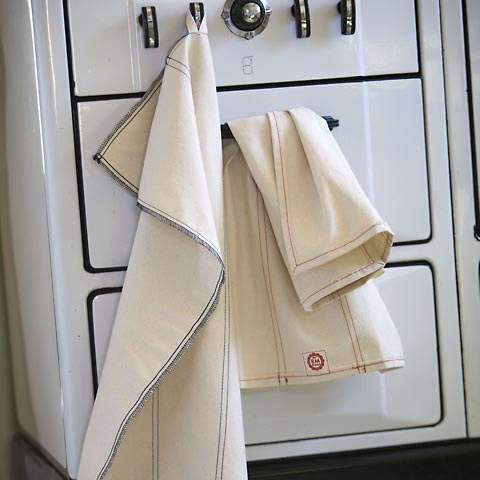
A heavy cotton twill classic dishtowel may not sound like the superhero of the kitchen, but spend one chaotic Saturday making pancakes, washing pans, rescuing a splash of coffee, and drying a mountain of dishes, and suddenly this humble rectangle of fabric deserves its own theme music. In a world full of paper towels, mystery microfiber cloths, and decorative towels that look afraid of actual work, the cotton twill dishtowel stands out for one simple reason: it is built to be used.
The phrase “Heavy Cotton Twill Classic Dishtowel” tells you almost everything you need to know. “Heavy” suggests a substantial feel and better durability. “Cotton” points to natural absorbency, softness, and washability. “Twill” refers to a diagonal weave known for strength and structure. “Classic” means it belongs in nearly any kitchen style, from farmhouse cozy to stainless-steel modern. And “dishtowel” means it will be asked to do approximately 47 jobs before lunch.
This guide breaks down what makes a heavy cotton twill classic dishtowel useful, how it compares with other kitchen towel types, what to look for before buying, and how to care for it so it does not turn into a sad, stiff kitchen rag hiding behind the sink.
What Is a Heavy Cotton Twill Classic Dishtowel?
A heavy cotton twill classic dishtowel is a kitchen towel made from cotton yarns woven in a twill pattern. Unlike plain weave fabric, twill creates subtle diagonal ribs across the surface. This structure gives the towel a slightly thicker hand feel, stronger drape, and better resistance to everyday wear. Think of it as the denim jacket of kitchen textiles: casual, tough, dependable, and somehow better after a few washes.
Cotton is widely used in kitchen towels because it can absorb moisture, tolerate regular laundering, and feel comfortable in the hand. A heavy twill version adds a bit more body than thin flour sack towels, which makes it useful for drying dishes, wiping countertops, holding warm pan handles briefly, lining a bread basket, or covering rising dough.
Why Twill Weave Matters
The weave is the secret sauce. Twill fabric is recognized by its diagonal texture, which is created by passing the weft thread over and under warp threads in a staggered pattern. This construction often makes the fabric stronger and more flexible than a simple plain weave. In a dishtowel, that matters because kitchen towels are twisted, folded, washed, tugged, hung, and occasionally used to swat away steam like a tiny domestic flag.
A heavy cotton twill dishtowel is usually smoother than terry cloth and more structured than gauze. It may not have the fluffy loops of a bath towel, but it offers a practical balance: absorbent enough for dishes, flat enough for folding neatly, and sturdy enough for daily use.
Why Cotton Remains a Kitchen Favorite
Cotton has earned its place in the kitchen because it does several things well at once. It absorbs water, withstands frequent washing, softens with use, and feels natural rather than slick. When woven into a heavier twill, cotton becomes even more appealing for households that want one towel to handle both light drying and bigger messes.
Many kitchen towel tests and buying guides focus on absorbency, drying speed, durability, lint control, size, and feel. Cotton towels repeatedly show up in these comparisons because they strike a practical balance. They are not always the fastest-drying option, and they may not polish glass as perfectly as microfiber, but they are reliable, washable, and versatile.
Absorbency Without the Drama
A good heavy cotton twill classic dishtowel should absorb water without pushing it around like a tiny mop with commitment issues. It should handle wet plates, damp hands, minor spills, and countertop splashes. Because twill has more texture and density than some flat weaves, it can feel more substantial when drying cookware or wiping down a prep area.
Durability for Real Kitchens
Real kitchens are not staged photo shoots. Someone spills sauce. Someone burns toast. Someone uses the “good towel” to clean up juice. Heavy cotton twill performs well in these moments because the fabric can handle repeated laundering and daily friction. The towel may fade or soften over time, but that aging often makes it more comfortable rather than less useful.
Heavy Cotton Twill vs. Other Kitchen Towels
Not all kitchen towels are created equal. Some are best for polishing wine glasses. Others are better for soaking up puddles or replacing paper towels. A heavy cotton twill classic dishtowel sits comfortably in the middle: it is not too delicate, not too bulky, and not too precious to use.
Compared With Flour Sack Towels
Flour sack towels are lightweight, thin, and often excellent for lint-free drying. They are great for glassware, straining, covering dough, or wrapping herbs. However, they can feel less substantial when handling larger spills or heavy cookware. A heavy cotton twill dishtowel offers more structure and a sturdier hand feel.
Compared With Terry Towels
Terry towels have loops that can soak up a lot of liquid, which makes them handy for spills. The trade-off is that they can shed lint, feel bulkier, and dry more slowly. Cotton twill is flatter and more refined, making it easier to fold, hang, and use for dish drying without feeling like a miniature bath towel wandered into the kitchen.
Compared With Waffle Weave Towels
Waffle weave towels have a textured grid that increases surface area and can improve absorbency. They are popular for drying dishes and hands. Cotton twill, however, offers a smoother, more classic appearance. If waffle weave is the sporty cousin, twill is the calm, capable relative who brings a casserole and knows where the measuring cups are.
Compared With Microfiber
Microfiber is excellent for polishing glass, stainless steel, and mirrors. It often dries quickly and can be very absorbent. Still, many home cooks prefer cotton for general kitchen work because it feels natural, washes easily, and looks at home hanging from an oven handle. Heavy cotton twill is especially good for people who want a towel that feels traditional but still works hard.
Key Features to Look For Before Buying
Choosing a heavy cotton twill classic dishtowel is not complicated, but a few details can make the difference between “I love this towel” and “Why does this thing repel water like a raincoat?”
1. 100% Cotton or High-Cotton Content
For a classic dishtowel, 100% cotton is usually the safest choice. It gives you absorbency, softness, and easy care. Some blends may dry faster or resist wrinkles, but they can feel less traditional and may not absorb as naturally as pure cotton.
2. Medium-to-Heavy Weight
“Heavy” should mean substantial, not bulky. The ideal towel feels thick enough to handle moisture but not so dense that it stays damp for hours. A good towel should fold easily, hang without sagging sadly, and dry reasonably between uses.
3. Tight Twill Weave
Look for an even weave with no loose threads, thin patches, or rough seams. A tighter twill weave generally improves durability and gives the towel that classic, structured look.
4. Practical Size
Many everyday kitchen towels fall somewhere around 14 by 25 inches to 20 by 30 inches. Smaller towels are easier to handle and store, while larger towels are better for drying cookware, covering dough, or wrapping warm bread. For most kitchens, a medium-large cotton twill towel is the sweet spot.
5. Hemmed Edges and Hanging Loop
Well-stitched hems prevent fraying. A hanging loop is a small detail that becomes surprisingly important when your towel needs to dry instead of becoming a damp countertop noodle.
Best Uses for a Heavy Cotton Twill Classic Dishtowel
The beauty of a heavy cotton twill classic dishtowel is its versatility. It earns its drawer space because it can move from task to task without complaining.
Drying Dishes and Cookware
This is the obvious job, and a good cotton twill towel handles it well. It is especially useful for plates, bowls, cutting boards, baking sheets, and pans. For glassware, make sure the towel is well-washed first to reduce lint.
Wiping Counters and Small Spills
A heavy twill towel can quickly handle water around the sink, coffee drips, or a small splash of soup. For raw meat juices or heavy grease, use a separate cleaning cloth and wash it promptly with proper kitchen hygiene in mind.
Covering Bread Dough
Cotton towels are often used to cover resting dough because they are breathable and easy to drape. A clean twill towel can help protect dough from drafts while avoiding the plastic-wrap cling battle nobody asked for.
Lining Baskets and Trays
A classic cotton twill towel makes a bread basket look intentional. Suddenly, rolls from the grocery store look like they came from a charming bakery with a chalkboard sign.
Handling Warm Items Carefully
A folded heavy cotton twill towel can help grip a warm pot handle or pan edge for a short moment. However, it should not replace a proper oven mitt for high heat, and it should never be used when wet near hot cookware because moisture transfers heat quickly.
How to Wash and Care for Cotton Twill Dishtowels
The fastest way to ruin a good towel is to treat it like an indestructible kitchen wizard. Cotton is durable, but care still matters. The goal is to keep the fibers clean, absorbent, and free from residue.
Wash Before First Use
New cotton towels often become more absorbent after the first few washes. Washing removes finishing residues from manufacturing and helps the fibers relax. Do not judge a towel too harshly on day one; sometimes it needs a little laundry spa day before it reaches peak performance.
Avoid Fabric Softener
Fabric softener can coat cotton fibers and reduce absorbency. The towel may feel softer at first, but it can become less effective at drying. Dryer sheets can create a similar issue. For kitchen towels, clean and absorbent beats perfume-commercial fluffy.
Use the Right Amount of Detergent
Too much detergent can build up in the fabric and make towels feel stiff or smell musty. Use a measured amount and avoid overloading the washer so the towels can rinse properly.
Dry Thoroughly
Hang towels between uses so they dry fully. A damp towel trapped in a ball is basically an invitation for unpleasant odors. Tumble dry on low or medium heat if the care label allows, or line dry for a simple, energy-saving option.
Separate by Job
For a cleaner kitchen routine, keep different towels for different tasks. Use one towel for clean dishes, another for hands, and another for spills. This system sounds fancy, but it is mostly just a way to stop the “Is this towel clean?” debate from becoming a household mystery series.
Style: Why “Classic” Still Works
A classic cotton twill dishtowel is not trying to be the loudest thing in the kitchen. That is part of its charm. Stripes, checks, solid colors, and simple woven borders all work well because they blend into many design styles. A white towel with blue or red stripes feels timeless. A natural cotton towel looks calm and organic. A darker towel hides stains better, which is useful if your tomato sauce behaves like modern art.
Classic design also makes these towels gift-friendly. A stack of heavy cotton twill towels tied with twine can be a practical housewarming present, especially when paired with olive oil, wooden spoons, or a loaf of bread. It says, “I respect your kitchen,” which is a very underrated social message.
Who Should Choose a Heavy Cotton Twill Classic Dishtowel?
This towel is a smart choice for home cooks, bakers, hosts, apartment dwellers, and anyone trying to cut down on paper towel use. It is also ideal for people who prefer durable basics over trendy kitchen accessories. If you cook often, wash dishes by hand, bake bread, or simply want a towel that looks good hanging from the oven, cotton twill is worth considering.
It may not be the best choice if you need ultra-fast drying above all else, or if you want a towel specifically for polishing glass to a streak-free shine. In those cases, a thin flour sack towel or microfiber cloth may be better. But for everyday kitchen work, heavy cotton twill is a reliable all-rounder.
Buying Tips for Better Value
When shopping, consider buying dishtowels in sets. Kitchen towels work best when you have enough to rotate. A household that cooks daily can easily use several towels in a day, especially if one is for dishes, one is for hands, and one is for cleanup. Having extras means you can wash them frequently without running out.
Check product details for material, size, weave, care instructions, and whether the towels are prewashed. Read reviews that mention absorbency after washing, lint, shrinkage, and seam durability. Be cautious of towels that look beautiful but are described as “decorative only.” A dishtowel that cannot dry dishes is basically a kitchen poster with commitment issues.
Common Mistakes to Avoid
Using One Towel for Everything
One towel should not dry dishes, wipe the floor, clean spills, and then return to the oven handle like nothing happened. Rotate towels by task and wash them often.
Leaving Towels Wet in a Pile
Moisture causes odors. Hang towels flat or spread them over a rack so air can circulate.
Expecting Maximum Absorbency Immediately
Cotton towels often improve after several washes. Give them a short break-in period before deciding whether they are keepers.
Using Too Much Heat
High heat may shrink cotton or wear fibers faster. Follow the care label and use moderate drying when possible.
Experience Notes: Living With a Heavy Cotton Twill Classic Dishtowel
After using heavy cotton twill dishtowels in a real kitchen routine, the first thing you notice is the hand feel. They do not behave like thin, slippery towels that fold into nothing and absorb approximately one dramatic tear. They feel grounded. When you grab one from the drawer, it has enough weight to feel useful before it even touches a plate.
The best experience comes after the first few washes. Straight out of the package, some cotton twill towels can feel a little crisp. After laundering, the fibers relax, the towel becomes more flexible, and the absorbency usually improves. This is the towel version of someone needing coffee before becoming charming.
For dish drying, heavy cotton twill is especially satisfying with plates, mugs, mixing bowls, and cutting boards. It has enough surface area to keep working after a few items, unlike smaller cloths that become damp immediately. When drying pans, the thicker fabric gives a better grip, though it still should not be treated like a heavy-duty potholder.
For baking, a clean cotton twill towel is surprisingly useful. It can cover dough while it rests, line a cooling basket, or wrap biscuits to keep them warm for a short time. The classic look also helps. There is something comforting about a striped cotton towel over a bowl of rising dough. It makes the kitchen feel like it has its life together, even if the sink says otherwise.
For cleanup, the towel performs best with water-based spills and everyday counter wiping. It is not the first choice for greasy messes because grease can cling to cotton fibers and require hotter washing or stronger detergent. A good kitchen system uses cotton twill for clean tasks and general moisture, while saving scrub cloths or paper alternatives for the messier jobs.
In terms of storage, heavy cotton twill towels fold neatly and stack well. They look good in an open basket or on a shelf, especially in classic colors like white, navy, red, gray, or natural cotton. If your kitchen has open shelving, matching cotton twill towels can create a tidy visual rhythm without trying too hard.
The biggest practical lesson is rotation. One towel is never enough. A set of six to twelve gives you freedom to use them properly and wash them often. Keep a small basket or drawer section for clean towels and a separate hamper for used ones. This tiny habit makes the kitchen feel cleaner and reduces reliance on disposable paper towels.
Another lesson is to avoid fabric softener completely. The towel may smell like a meadow in a commercial, but it will not dry dishes as well. Clean cotton with no residue is the goal. If towels start to smell musty, wash them thoroughly, dry them completely, and make sure they are not sitting damp between uses.
Overall, the heavy cotton twill classic dishtowel is the kind of kitchen item that proves usefulness can be beautiful. It is not flashy. It does not connect to Wi-Fi. It will not send you a notification when your dishes are dry. But it does its job, looks good doing it, and gets better with regular use. That is more than many kitchen gadgets can say.
Conclusion
A heavy cotton twill classic dishtowel is a practical, timeless, and hardworking kitchen essential. Its cotton fibers provide absorbency and comfort, while the twill weave adds strength and structure. Whether you are drying dishes, covering bread dough, wiping counters, lining a basket, or simply trying to make your kitchen look more put-together, this towel earns its place.
The best version is made from high-quality cotton, has a tight twill weave, features durable hems, and feels substantial without becoming bulky. With proper care, especially washing before use, skipping fabric softener, and drying thoroughly, it can stay useful and attractive through many rounds of real-life kitchen duty.
If your kitchen needs fewer disposable paper towels, better everyday tools, and a little classic charm, the heavy cotton twill classic dishtowel is a small upgrade with a surprisingly big impact.