Almond oil is one of those humble pantry-and-bathroom heroes that quietly does the most. It can soften dry skin, add shine to tired hair, upgrade salad dressings, and make a simple body-care routine feel a little more luxurious without requiring a twelve-step ritual or a suspiciously expensive jade roller. But like all “natural” products, almond oil is not magic in a bottle. It is useful, nutrient-rich, and versatilebut it works best when you understand what it can do, what it cannot do, and when to leave it on the shelf.
In this guide, we will explore the health benefits and uses of almond oil, including its role in skin care, hair care, cooking, massage, nail care, and everyday wellness. We will also look at the difference between sweet almond oil and bitter almond oil, how to choose the right type, and the important safety notes people with tree nut allergies should know before using it.
What Is Almond Oil?
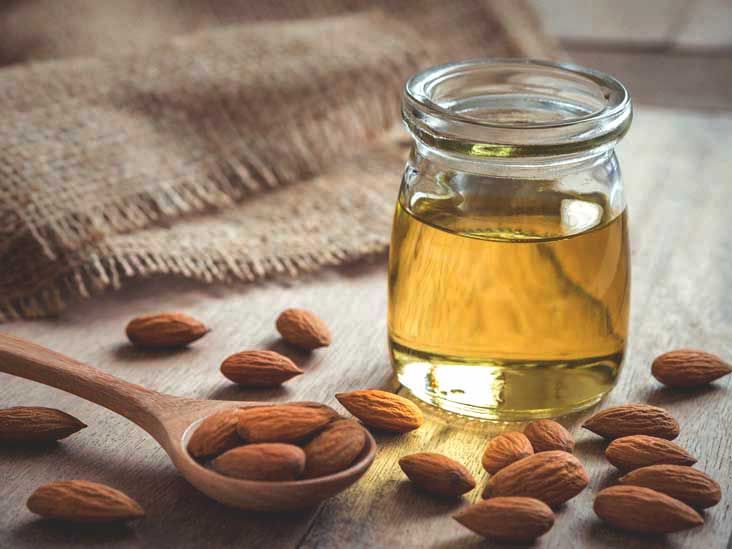
Almond oil is extracted from almonds, the edible seeds of the almond tree. The oil is naturally rich in fats, especially monounsaturated fats, along with vitamin E and smaller amounts of other fat-soluble compounds. Its texture is light compared with heavier oils, which is why it is popular in moisturizers, massage oils, hair products, lip balms, and kitchen recipes.
Sweet Almond Oil vs. Bitter Almond Oil
The almond oil most people use for skin, hair, massage, and food is sweet almond oil. It comes from edible sweet almonds and is widely considered the standard choice for personal care and culinary uses.
Bitter almond oil, on the other hand, is a different story. It can contain compounds that require careful processing and is not the oil you want to casually rub on your face after watching one enthusiastic beauty video. For household wellness purposes, look for products labeled “100% sweet almond oil,” “food-grade almond oil” for cooking, or “cosmetic-grade sweet almond oil” for skin and hair.
Nutritional Profile of Almond Oil
Almond oil is a concentrated fat, so it is calorie-dense. One tablespoon typically provides about 120 calories and roughly 14 grams of fat, with little to no protein, carbohydrate, fiber, sodium, or cholesterol. Its main nutritional strength is its fat composition: almond oil contains mostly unsaturated fats, especially monounsaturated fat, plus vitamin E, an antioxidant nutrient that helps protect cells from oxidative stress.
This does not mean almond oil should be poured over everything like confetti at a parade. It is still oil, and portions matter. But when used in place of butter, shortening, or other saturated-fat-heavy options, almond oil can fit nicely into a heart-conscious eating pattern.
Top Health Benefits of Almond Oil
1. Supports Heart-Friendly Eating Patterns
Almond oil is rich in unsaturated fats, especially monounsaturated fats. These fats are commonly recommended as better choices than saturated and trans fats because they can support healthier cholesterol patterns when used as part of an overall balanced diet. The key phrase here is “in place of,” not “in addition to.” Adding almond oil to a diet already overflowing with fried foods and pastries will not magically turn the menu into the Mediterranean diet. However, swapping it for butter in a vinaigrette, using it as a finishing oil, or choosing it instead of more saturated fats can be a smart move.
2. Provides Vitamin E for Antioxidant Support
Vitamin E is one of almond oil’s standout nutrients. It acts as an antioxidant, helping protect body cells from damage caused by free radicals. In skin care, vitamin E is also valued because it supports the skin barrier and helps maintain a smooth, healthy-looking appearance. While almond oil should not be treated as a cure for skin disease or a replacement for sunscreen, its vitamin E content is one reason it has earned a long-standing place in cosmetic formulas.
3. Moisturizes Dry Skin
One of almond oil’s most practical benefits is its ability to work as an emollient. Emollients soften the skin and help reduce moisture loss by supporting the skin’s protective barrier. If your elbows feel like they have been studying sandpaper, almond oil may help smooth and comfort them.
For dry skin, apply a few drops to slightly damp skin after bathing. Damp skin helps trap water, while the oil helps seal in softness. Almond oil can be used alone, but many people prefer layering it over a fragrance-free lotion or mixing a few drops into body cream. This gives you the comfort of an oil without the “I hugged a frying pan” feeling.
4. May Help Comfort Sensitive or Eczema-Prone Skin
Because almond oil is an emollient, it may help people with dry, sensitive, or eczema-prone skin feel more comfortable. Moisturizing is a major part of managing dry and irritated skin because it helps protect the barrier and reduce cracking. That said, eczema is complicated. Some people do well with simple oils, while others react to botanical ingredients, fragrances, or allergens.
If you have eczema, psoriasis, chronic irritation, or very reactive skin, test almond oil on a small area first. Choose a fragrance-free product, avoid essential-oil blends, and ask a dermatologist if your skin is inflamed, broken, oozing, or worsening.
5. Adds Shine and Softness to Hair
Almond oil is popular in hair care because it can coat the hair shaft, reduce dryness, tame frizz, and add shine. It is especially helpful for dry ends, curly textures, heat-styled hair, and hair that looks dull after sun, wind, or too many “just one more pass” sessions with a flat iron.
To use almond oil for hair, warm a few drops between your palms and smooth them over the mid-lengths and ends. Start small. Hair oil has a sneaky personality: one drop looks elegant, five drops can look like you lost an argument with a deep fryer.
6. Supports Scalp Comfort When Used Carefully
Almond oil can help soften a dry scalp and reduce the tight, itchy feeling that comes with dryness. A gentle scalp massage with a small amount of oil can also make wash day feel more like self-care and less like routine maintenance. However, people with dandruff, seborrheic dermatitis, or oily scalp conditions should be cautious. Some scalp problems are related to yeast, inflammation, or excess oil, and adding more oil may not help.
A good method is to massage a teaspoon or less into the scalp, leave it on for 20 to 30 minutes, then shampoo thoroughly. If itching, flakes, or irritation get worse, stop using it and consider a medicated shampoo or dermatologist advice.
7. Works as a Gentle Makeup Remover
Sweet almond oil can help dissolve makeup, sunscreen, and long-wear products because oil breaks down oil-based residue. Massage a small amount onto dry skin, then wipe gently with a soft damp cloth or follow with a mild cleanser. This method can be especially useful for people who find foaming cleansers too drying.
Be careful around the eyes, and avoid getting oil directly in them. If you wear lash extensions, check with your technician because oils may weaken some adhesives.
8. Helps Soften Cuticles and Nails
Dry cuticles can make hands look rough even when nails are neatly trimmed. Almond oil can soften the skin around the nails and reduce the appearance of dryness. Rub one drop into each nail and cuticle before bed. It is a tiny habit with a surprisingly polished payofflike ironing your shirt collar, but for your fingertips.
9. Useful for Massage
Almond oil is a classic massage oil because it spreads easily, absorbs gradually, and has a mild scent. It gives enough glide for massage without feeling as heavy as some thicker oils. For at-home use, apply it to shoulders, legs, or feet after a shower. If you want scent, use a professionally formulated product rather than adding random essential oils from the back of a drawer. Essential oils can irritate skin when used incorrectly.
10. Can Be Used in the Kitchen
Food-grade almond oil has a delicate, nutty flavor that works well in salad dressings, roasted vegetables, grain bowls, smoothies, and baked goods. Unrefined almond oil is best used as a finishing oil because high heat can reduce its flavor and delicate nutrients. Refined almond oil has a higher smoke point and can be used for sautéing or roasting, although it may have a milder taste and fewer delicate compounds than unrefined versions.
Try whisking almond oil with lemon juice, Dijon mustard, honey, salt, and pepper for a quick salad dressing. Drizzle it over roasted carrots, cooked quinoa, or steamed green beans. It also pairs beautifully with cinnamon, pears, apples, citrus, yogurt, and dark chocolate. Yes, dark chocolate counts as a pairing strategy. We do not make the rules; we simply respect dessert science.
Best Uses of Almond Oil in Daily Life
For Face
Use one to three drops on damp skin, preferably at night. It can be applied after moisturizer to help seal in hydration. People with acne-prone or oily skin should patch test first because even oils considered lightweight can clog pores for some individuals.
For Body
Apply almond oil after bathing, especially on dry areas such as knees, elbows, shins, and hands. For a lighter feel, mix a few drops into unscented body lotion.
For Hair
Use it as a pre-shampoo treatment, a tiny finishing oil, or a dry-end smoother. Fine hair usually needs only one or two drops. Thick, curly, or textured hair may tolerate more.
For Cooking
Choose food-grade almond oil. Use unrefined almond oil in dressings or as a finishing oil, and refined almond oil for moderate cooking. Store it in a cool, dark place and smell it before use. If it smells sharp, stale, or paint-like, it may be rancid and should be discarded.
How to Choose the Best Almond Oil
When shopping for almond oil, look for a product that clearly states its intended use. For skin and hair, choose cosmetic-grade sweet almond oil that is fragrance-free and packaged in a dark bottle. For eating, choose food-grade almond oil from a reputable brand.
Cold-pressed almond oil is often preferred for skin care and finishing foods because it is less processed and tends to retain more aroma and delicate compounds. Refined almond oil is more neutral and heat-tolerant, making it better for cooking. Neither is automatically “better”; the best choice depends on what you plan to do with it.
Safety, Side Effects, and Who Should Avoid Almond Oil
Almond oil is generally well tolerated, but it is not right for everyone. People with almond or tree nut allergies should avoid almond oil unless their allergist says otherwise. Unrefined nut oils may contain proteins that can trigger allergic reactions, and even refined oils can be risky for highly sensitive individuals.
For skin use, always patch test first. Apply a small amount to the inner arm and wait 24 hours. If redness, itching, swelling, burning, or rash appears, do not use it. Avoid applying almond oil to deep wounds, infected skin, or severe rashes without medical guidance.
For acne-prone skin, proceed slowly. Some people find almond oil soothing; others may notice clogged pores. Skin care is annoyingly personal, which is why your friend’s miracle oil can become your forehead’s villain origin story.
Real-Life Experiences and Practical Observations With Almond Oil
Many people discover almond oil not through a dramatic wellness transformation, but through a small, ordinary problem: dry hands in winter, frizzy hair before work, rough heels, flaky elbows, or makeup that refuses to leave politely. Almond oil often becomes useful because it is simple. It does not require a complicated routine, a subscription box, or a bathroom shelf that looks like a chemistry lab.
For example, someone with dry legs after showering may find that regular lotion disappears too quickly. Adding a few drops of almond oil while the skin is still slightly damp can make the skin feel softer for longer. The experience is usually not instant movie-magic, but after several days, the skin may feel less tight and look smoother. The trick is consistency and restraint. Using a small amount daily often works better than applying a large amount once and sliding around the house like a freshly glazed donut.
Hair users often notice the biggest difference on dry ends. A person with shoulder-length hair might rub one drop between the palms and smooth it over the last few inches of hair before leaving the house. The result can be less frizz, more shine, and fewer flyaways. However, the same person may learn very quickly that applying oil near the roots is not always wise, especially with fine hair. Almond oil is lightweight, but gravity and enthusiasm are a dangerous team. Start with the ends, then decide whether your scalp needs any at all.
In the kitchen, almond oil can make simple foods taste a little more intentional. A spoonful whisked into a citrus vinaigrette gives salads a soft nutty note. A drizzle over roasted squash or carrots adds richness without overpowering the dish. It is especially nice in recipes where olive oil tastes too grassy or strong. Unrefined almond oil shines when it is added after cooking, while refined almond oil is more practical for heat. Many home cooks keep both rules in mind: delicate oil for finishing, refined oil for cooking.
For nail care, almond oil is one of the easiest habits to maintain. Keeping a small bottle near the bed or desk can turn cuticle care into a 30-second routine. A drop massaged into each nail before sleep can help the skin around the nails look neater over time. This is especially useful for people who wash their hands often, use hand sanitizer frequently, or live in dry climates.
The most important experience-based lesson is that almond oil works best as a support product, not a miracle cure. It can moisturize, soften, smooth, and add shine. It may help comfort dry skin and improve the feel of hair. It can make food taste richer and more balanced. But it will not erase deep wrinkles, cure eczema, reverse hair loss, or replace medical treatment. Think of almond oil as the dependable friend who brings snacks, not the superhero who flies in through the roof. Useful? Absolutely. Magical? Let us keep our expectations moisturized but realistic.
Conclusion
Almond oil deserves its reputation as a versatile natural oil because it is genuinely useful in many everyday routines. It can moisturize dry skin, soften cuticles, smooth frizzy hair, support scalp comfort when used carefully, remove makeup, serve as a massage oil, and add a mild nutty flavor to food. Its unsaturated fat profile and vitamin E content make it a smart ingredient in both nutrition and personal care conversations.
The best results come from choosing the right type of almond oil for the job. Use sweet almond oil for skin and hair, food-grade almond oil in the kitchen, unrefined oil for dressings and finishing, and refined oil when moderate heat is involved. Most importantly, avoid almond oil if you have a tree nut allergy unless a qualified healthcare professional tells you it is safe.
Simple, affordable, and surprisingly flexible, almond oil is not a cure-allbut it is a very handy bottle to have around. Used wisely, it can make your skin softer, your hair shinier, your salads more interesting, and your self-care routine feel a little less like a chore and a little more like a tiny spa day with better snacks.