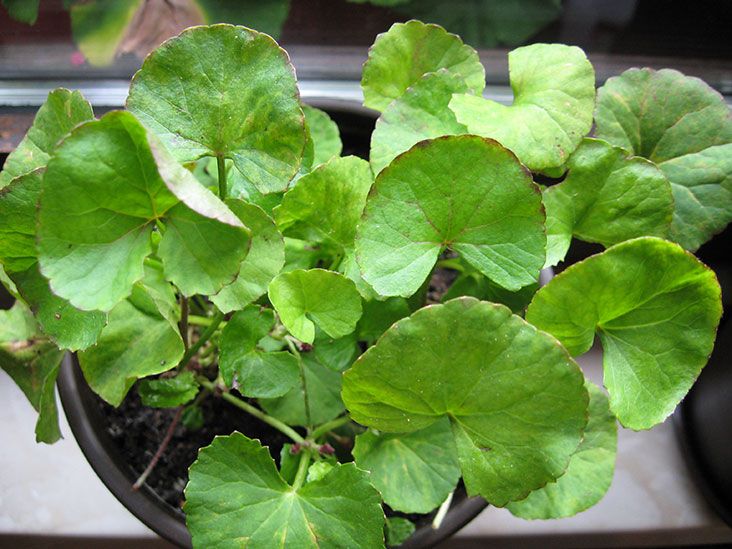
Gotu kola sounds like something you might order with extra ice at a drive-thru, but it is not a soda, not a cousin of caffeine, and not the secret ingredient in a superhero smoothie. Gotu kola, also known by its botanical name Centella asiatica, is a leafy herb used for centuries in traditional wellness systems, especially in parts of Asia. Today, it appears in capsules, teas, powders, ointments, serums, and skin creams with promises ranging from sharper focus to smoother skin.
But here is the grown-up, evidence-loving version of the story: gotu kola has promising compounds, a long history of use, and some interesting research behind it, especially for skin health, wound healing, and circulation. However, it is not a miracle herb, and the science is not equally strong for every claim. It can also cause side effects, interact with medications, and may not be safe for everyone.
This guide explains the potential health benefits of gotu kola, possible side effects, how people use it, who should avoid it, and how to think about this supplement without falling for every “ancient secret” headline on the internet.
What Is Gotu Kola?
Gotu kola is a small, green, fan-shaped plant that grows in tropical and subtropical regions. It is commonly called Indian pennywort, Asiatic pennywort, tiger grass, or simply centella. In traditional Ayurvedic and Asian wellness practices, the plant has been used for skin concerns, wound care, mental clarity, circulation, and general vitality.
The modern interest in gotu kola comes from its natural plant compounds, especially triterpenes such as asiaticoside, madecassoside, asiatic acid, and madecassic acid. These compounds are often discussed for their possible role in collagen support, antioxidant activity, anti-inflammatory effects, and skin repair.
That does not mean every gotu kola product works the same way. A fresh herb, a tea, a standardized capsule, and a cosmetic cream may contain different amounts of active compounds. In plain English: one bottle may be a serious herbal extract, while another may be mostly marketing wearing a green leaf hat.
Potential Health Benefits of Gotu Kola
1. May Support Skin Health and Collagen Production
One of the best-known uses of gotu kola is skin support. In skincare, Centella asiatica is often included in products marketed for sensitive, dry, irritated, or stressed skin. You may see it on labels as centella, cica, tiger grass, madecassoside, or asiaticoside.
Gotu kola compounds may help support collagen production, which matters because collagen is one of the structural proteins that helps skin stay firm and resilient. Some topical formulas are used to calm the appearance of redness, support the skin barrier, and provide a soothing effect after dryness or irritation.
For example, a person with skin that feels tight after using exfoliating products might choose a centella-containing moisturizer to help calm the skin. That does not make gotu kola a cure for acne, eczema, or rosacea, but it may be useful as a supportive ingredient in a gentle skincare routine.
2. May Help With Wound Healing
Gotu kola has a long reputation as a wound-support herb, and this is one area where the research is especially interesting. Some studies suggest that compounds in Centella asiatica may encourage collagen formation, support new blood vessel development, and help the skin repair itself.
Topical preparations containing gotu kola have been studied for minor wounds, burns, and post-procedure skin recovery. Results are not perfect or universal, but the herb’s wound-healing reputation is not pulled out of thin air. It has enough scientific curiosity behind it to keep dermatology researchers paying attention.
Still, it is important to use common sense. Gotu kola cream is not a substitute for medical care if a wound is deep, infected, bleeding heavily, spreading, or not healing. For serious skin injuries, the correct move is not “add more herbs.” It is “call a healthcare professional.”
3. May Improve Symptoms of Poor Leg Circulation
Another potential benefit of gotu kola involves chronic venous insufficiency, a condition in which veins in the legs have trouble moving blood back toward the heart. This can lead to leg swelling, heaviness, discomfort, and visible varicose veins.
Some clinical research suggests that standardized gotu kola extracts may improve certain symptoms linked to venous insufficiency, such as swelling and leg heaviness. The effect appears related to microcirculation and vein-wall support rather than a dramatic overnight transformation.
Think of it this way: if your legs feel heavy after standing all day, gotu kola is sometimes discussed as one possible supportive option. But it should not replace proven strategies such as movement, compression stockings when recommended, weight management, hydration, and medical evaluation for persistent swelling or pain.
4. May Support Memory, Focus, and Mood
Gotu kola is often promoted for brain health, focus, memory, and calmness. Some small studies have explored its effects on cognitive function, mood, alertness, and stress response. A few findings are encouraging, especially in older adults or specific study groups, but the overall evidence is mixed.
This means gotu kola should not be treated like a guaranteed “study pill” or a fast fix for anxiety, depression, brain fog, or memory problems. It may have mild calming or cognitive-support effects for some people, but more high-quality human research is needed before strong claims can be made.
A practical example: someone interested in gotu kola for focus might notice nothing at all, while another person might feel calmer during a busy workweek. Individual experiences vary, and personal stories are not the same as clinical proof.
5. May Have Antioxidant and Anti-Inflammatory Effects
Gotu kola contains compounds studied for antioxidant and anti-inflammatory activity. Antioxidants help protect cells from oxidative stress, while anti-inflammatory effects may help explain why centella is popular in skincare and wound-support formulas.
However, “anti-inflammatory” is one of those phrases that can get stretched like a cheap pair of leggings. Many plant compounds show anti-inflammatory activity in lab studies, but that does not automatically mean they treat inflammatory diseases in real life. The body is more complicated than a petri dish, and supplements do not always behave in humans the way they behave in early research.
Gotu Kola for Skin: Why “Cica” Products Are Everywhere
If you follow skincare trends, you have probably seen cica creams, tiger grass balms, or centella serums. These products are especially popular among people with sensitive skin, dryness, post-acne marks, or irritation from strong actives like retinoids and exfoliating acids.
Topical gotu kola products may help support the skin barrier, calm the look of irritation, and improve hydration when used in well-formulated creams or serums. In many cases, the overall formula matters as much as the centella itself. A moisturizer with centella, glycerin, ceramides, and panthenol may feel soothing because several ingredients are working together like a tiny skincare orchestra.
If you are trying a new centella product, patch test it first. Apply a small amount to a discreet area and wait 24 to 48 hours. This is not glamorous, but neither is discovering your face dislikes a product five minutes before leaving the house.
Possible Side Effects of Gotu Kola
Gotu kola is often described as generally well tolerated, but “natural” does not always mean “risk-free.” Poison ivy is natural too, and nobody is adding that to a wellness latte.
Possible side effects of oral gotu kola may include:
- Nausea
- Stomach upset or indigestion
- Headache
- Dizziness
- Drowsiness
- Skin rash or allergic reaction
Topical gotu kola products may cause burning, itching, redness, or allergic contact dermatitis in some users. If irritation appears, stop using the product and seek medical advice if symptoms are severe or do not improve.
Liver Safety Concerns
One of the most important safety concerns with gotu kola is the possibility of liver injury. Rare cases of liver toxicity have been reported with Centella asiatica. This does not mean everyone who uses gotu kola will have liver problems, but it does mean people should avoid casual long-term use without guidance.
People with liver disease, a history of liver problems, heavy alcohol use, or those taking medications that may affect the liver should be especially cautious. Warning signs that need medical attention include yellowing of the skin or eyes, dark urine, unusual fatigue, upper abdominal pain, persistent nausea, or unexplained itching.
Who Should Avoid Gotu Kola?
Gotu kola may not be appropriate for everyone. The following groups should avoid it or speak with a healthcare professional before using it:
- People who are pregnant or breastfeeding
- Children and teenagers unless advised by a clinician
- People with liver disease or abnormal liver tests
- People taking sedatives, sleep medications, or anti-anxiety medications
- People taking medications that may affect the liver
- People with a known allergy to gotu kola or centella products
- People scheduled for surgery, unless their healthcare provider approves use
Because gotu kola may have sedating effects, combining it with alcohol, sleeping pills, or calming medications may increase drowsiness. It may also be risky to mix it with multiple supplements that have similar effects. Supplement stacking can sound sophisticated, but sometimes it is just confusion in capsule form.
How Gotu Kola Is Used
Gotu kola is available in several forms, including capsules, tablets, powders, teas, tinctures, creams, ointments, and serums. The best form depends on the reason for use.
Oral Supplements
Oral gotu kola supplements are usually used for circulation, cognitive support, or general wellness. Some standardized extracts provide specific amounts of triterpenes, which can make dosing more consistent. However, there is no universally accepted dose for every condition.
Some references discuss standardized extract ranges used in studies, but that should not be interpreted as a personal recommendation. The safest approach is to follow product labeling and ask a healthcare provider, especially if you take medications or have health conditions.
Topical Products
Topical gotu kola is common in skincare and wound-support products. These may be used as creams, ointments, balms, or serums. For cosmetic use, centella products are often applied once or twice daily, depending on the formula and skin tolerance.
If a product stings badly, causes a rash, or makes redness worse, stop using it. Your skin does not get extra points for suffering dramatically.
Tea and Food Uses
In some cultures, gotu kola is consumed as a leafy vegetable, juice, or tea. Food use may be different from concentrated supplement use because extracts can deliver much higher amounts of active compounds. This is why a traditional beverage and a high-strength capsule should not be treated as identical.
How to Choose a Gotu Kola Supplement Safely
In the United States, dietary supplements are regulated differently from prescription medicines. This means products are not approved for safety and effectiveness before being sold in the same way drugs are. Quality can vary from one brand to another.
When choosing a gotu kola supplement, look for products that clearly state the plant name, serving size, extract strength, and whether the extract is standardized. Third-party testing from organizations such as USP, NSF, or ConsumerLab can add confidence that the product contains what the label claims and is screened for certain contaminants.
Avoid products that promise to cure disease, reverse aging, detox the liver, or replace medical treatment. When a supplement label sounds like it was written by a wizard with a sales quota, be suspicious.
Gotu Kola vs. Bacopa: Do Not Confuse the Two
Gotu kola is sometimes called brahmi in traditional contexts, but another herb, Bacopa monnieri, is also commonly called brahmi. These are not the same plant. Bacopa is more commonly marketed for memory and cognition, while gotu kola is often associated with skin, circulation, wound healing, and calming support.
If you are shopping for an herbal product, check the botanical name. For gotu kola, the name to look for is Centella asiatica. Common names can be confusing, but botanical names are the plant world’s version of checking someone’s ID.
Is Gotu Kola Worth Trying?
Gotu kola may be worth considering for certain wellness goals, especially topical skin support or clinician-guided use for circulation concerns. It has a long history of traditional use and some research-backed potential. But it should be approached with realistic expectations.
The strongest practical interest appears to be in skin health, wound support, and venous insufficiency symptoms. The evidence for memory, anxiety, and mood is less settled. For serious medical conditions, gotu kola should never replace diagnosis, prescription treatment, therapy, wound care, or professional medical advice.
A smart approach is simple: define why you want to use it, choose a quality product, use it for a limited period, watch for side effects, and talk to a healthcare professional if you take medications or have any health conditions.
Experience Notes: What Using Gotu Kola Often Looks Like in Real Life
In real-world wellness routines, gotu kola usually shows up in two very different ways: as a gentle skincare ingredient or as an herbal supplement people take for circulation, calm, or focus. The experience can vary widely depending on the form, dose, product quality, and the person using it.
For skincare, many people first meet gotu kola through “cica” creams. The typical experience is not dramatic in a movie-trailer way. Nobody applies a centella moisturizer and wakes up looking like they were airbrushed by angels. Instead, the benefits tend to be subtle: skin may feel less tight, less irritated, or better supported after a few days or weeks. People with sensitive skin often appreciate centella products because they are usually designed to be calming rather than aggressive.
A common example is someone who starts using retinol and gets dryness around the mouth or cheeks. Adding a centella-based moisturizer may help the routine feel more comfortable. The gotu kola is not doing all the work by itself; the full formula matters. Humectants, barrier-support ingredients, and fragrance-free design can make a huge difference. The lesson: do not buy a product just because “cica” is printed in large letters. Read the whole ingredient list and consider your skin type.
With oral gotu kola, experiences are more mixed. Some people say they feel calmer or more mentally clear. Others notice absolutely nothing except the responsibility of remembering another capsule. For circulation-related use, the experience may also be gradual. If a person is using gotu kola for leg heaviness, they should not expect instant relief after one serving. Most circulation-focused studies look at use over weeks, not hours.
The biggest real-life mistake is treating gotu kola like a harmless everyday habit just because it is an herb. People may combine it with sleep aids, anxiety medications, alcohol, or other supplements without thinking about additive drowsiness or liver stress. Another mistake is using it continuously for months without checking whether it is helping. A supplement should have a purpose, not become a permanent passenger in your cabinet because the label looks botanical and trustworthy.
A better experience starts with a small, careful plan. For topical use, patch test first and introduce one new product at a time. For oral use, discuss it with a healthcare professional if you take medication, have liver concerns, are pregnant or breastfeeding, or are buying it for a child or teenager. Track what changes, what does not, and whether any side effects appear.
Gotu kola works best when expectations are realistic. It may be a helpful support, especially for skin comfort or certain circulation concerns, but it is not a cure-all. Think of it as a potentially useful tool, not the entire toolbox. A balanced routine, medical care when needed, sleep, nutrition, movement, and good product quality still matter more than any single herb.
Conclusion
Gotu kola is a fascinating herb with a long traditional history and several promising modern uses. Its best-known benefits involve skin health, wound support, and possible improvement in symptoms linked to poor leg circulation. It may also have mild effects on mood, focus, and oxidative stress, although the evidence in these areas is still developing.
The main takeaway is balance. Gotu kola may be helpful, but it is not magic. It can cause side effects, may affect the liver in rare cases, and should be used carefully by people taking medications or managing health conditions. For topical skincare, it may be a soothing ingredient. For oral supplements, caution and professional guidance are wise.
If you are considering gotu kola, choose quality products, avoid exaggerated claims, monitor your body’s response, and remember that “natural” is a starting point for curiosity, not a guarantee of safety.