Note: This article is for educational purposes only and is not a substitute for diagnosis or treatment from an ophthalmologist, optometrist, ocular oncologist, or other licensed healthcare professional.
Glaucoma and eye cancer can both sound terrifying, mainly because they involve the one body part most of us would rather not “wait and see” about. The tricky part is that both conditions can affect vision, both may be quiet in the beginning, and both can be discovered during a routine dilated eye exam. That is where the similarities mostly end. Glaucoma is usually a chronic disease that damages the optic nerve, often related to eye pressure. Eye cancer is an abnormal growth of cells in or around the eye, with ocular melanoma being the most common primary eye cancer in adults.
Think of glaucoma as a plumbing-and-nerve problem: fluid does not drain properly or pressure harms the optic nerve, slowly narrowing the visual field. Eye cancer is more like an unwanted construction project: abnormal cells multiply where they should not, sometimes forming a tumor in the iris, choroid, ciliary body, conjunctiva, eyelid, orbit, or other eye structures. Neither condition should be ignored. One can quietly steal sight; the other can threaten vision and, in some cases, overall health.
What Is Glaucoma?
Glaucoma is a group of eye diseases that damage the optic nerve, the cable that carries visual information from the eye to the brain. The most common form is primary open-angle glaucoma, which often develops slowly and painlessly. Many people do not notice symptoms until peripheral vision has already been affected. That is why glaucoma has earned the deeply unhelpful nickname “the silent thief of sight.” It does not kick down the door; it quietly takes the side windows first.
Eye pressure, also called intraocular pressure, is a major risk factor. The eye constantly makes a clear fluid called aqueous humor. When that fluid does not drain well, pressure can rise. Over time, this pressure may damage the optic nerve. However, glaucoma can also occur with normal eye pressure, which is one reason a complete eye exam matters more than simply asking, “Do my eyes feel fine?”
What Is Eye Cancer?
Eye cancer is cancer that starts in the eye or nearby tissues. It can also refer to cancer that spreads to the eye from another part of the body. In adults, ocular melanoma, especially uveal melanoma, is one of the most discussed primary eye cancers. The uvea includes the iris, ciliary body, and choroid. The choroid, a blood-vessel-rich layer under the retina, is a common site for uveal melanoma.
Other forms of eye cancer include conjunctival melanoma, eyelid cancers, retinoblastoma in children, intraocular lymphoma, and orbital tumors. Some are rare, but “rare” does not mean “impossible.” It means the average person may not think about it until an eye doctor spots something unusual during an exam, which is another excellent reason not to treat annual eye visits like optional software updates.
Glaucoma vs. Eye Cancer: The Big Difference
The biggest difference is the underlying problem. Glaucoma damages the optic nerve, usually due to pressure or drainage issues. Eye cancer involves abnormal cell growth that forms a tumor or malignant lesion. Glaucoma usually progresses over time and is managed long-term. Eye cancer treatment depends on tumor type, size, location, growth, and whether it has spread.
Another difference is the pattern of symptoms. Glaucoma often affects peripheral vision first. Eye cancer may cause a dark spot on the iris, floaters, flashes, blurry vision, pupil changes, eye bulging, or sometimes no symptoms at all. Eye cancer can also cause secondary glaucoma if a tumor blocks drainage or changes eye pressure. Yes, the eye can create medical plot twists.
Symptoms of Glaucoma
Open-Angle Glaucoma Symptoms
Open-angle glaucoma is the most common type and often produces no warning signs in its early stages. Over time, a person may notice patchy blind spots, trouble seeing objects off to the side, or tunnel vision in advanced disease. Because central vision can remain sharp for a while, someone may pass casual “I can see the TV” tests while glaucoma is already doing damage.
Angle-Closure Glaucoma Symptoms
Angle-closure glaucoma can be sudden and dramatic. Symptoms may include severe eye pain, headache, blurry vision, halos around lights, nausea, vomiting, red eye, and sudden vision changes. This is an emergency. If open-angle glaucoma is the quiet burglar, acute angle-closure glaucoma is the burglar who arrives with a marching band and a fog machine.
Symptoms of Eye Cancer
Eye cancer symptoms vary depending on the tumor type and location. Some people have no symptoms at first. Others may notice blurry or distorted vision, partial vision loss, floaters, flashes of light, a growing dark spot on the iris or white part of the eye, a change in pupil shape, bulging of the eye, pain, redness, or a change in how the eye moves or looks.
A dark freckle-like spot on the eye is not automatically cancer. Many eye spots are benign. However, a new, growing, raised, irregular, or changing spot deserves professional evaluation. The eye is not the place to run a “we’ll see what happens” experiment, especially when the whole problem is about seeing.
Causes and Risk Factors for Glaucoma
Glaucoma is not caused by one single thing. It is usually related to how fluid flows through the eye and how vulnerable the optic nerve is to pressure-related damage. Risk factors include older age, family history of glaucoma, elevated eye pressure, African American or Hispanic heritage, thin corneas, high myopia, diabetes, high blood pressure, eye injury, long-term corticosteroid use, and previous eye inflammation or surgery.
Some people develop secondary glaucoma due to another eye condition, medication, trauma, inflammation, or even a tumor. That is one reason eye doctors look at the whole eye, not just the pressure reading. A pressure number is useful, but it is not the entire biography of your eyeball.
Causes and Risk Factors for Eye Cancer
The exact cause of many eye cancers is not fully understood. Ocular melanoma starts when pigment-producing cells in the eye develop genetic changes that allow them to grow out of control. Known risk factors for uveal melanoma include light eye color, fair skin, older age, being White, certain inherited or uncommon pigment conditions, and some types of abnormal moles. Conjunctival melanoma may be associated with pigmented lesions on the eye surface and can behave more aggressively than some internal eye melanomas.
Eye cancer is not usually something a person causes by reading in dim light, sitting too close to a screen, or forgetting sunglasses one Tuesday in July. Still, protecting the eyes from ultraviolet exposure, monitoring unusual spots, and getting regular eye exams are sensible habits. Sunglasses are not just fashion armor; they are also eye-care equipment with better branding.
How Doctors Diagnose Glaucoma
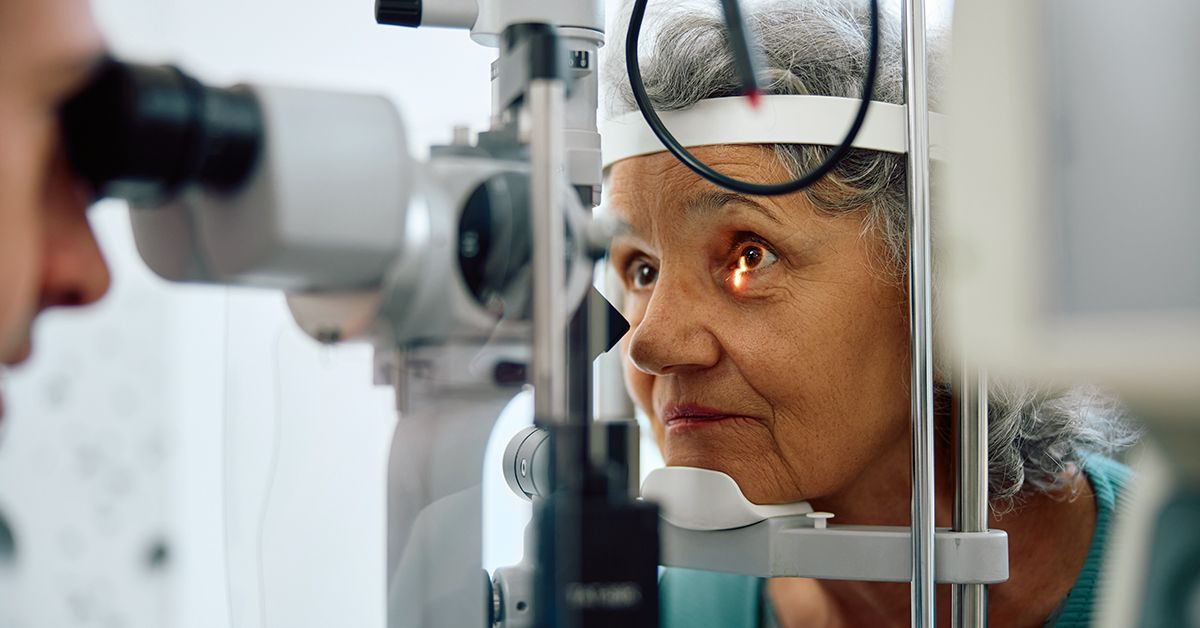
Glaucoma diagnosis usually involves a comprehensive dilated eye exam. An eye doctor may measure eye pressure, examine the optic nerve, test peripheral vision, measure corneal thickness, inspect the drainage angle, and use imaging tests such as optical coherence tomography. The goal is to identify optic nerve damage early, before noticeable vision loss occurs.
People at higher risk may need eye exams more often. Early detection matters because glaucoma-related vision loss cannot usually be reversed. Treatment can slow or prevent further damage, but it cannot rewind the optic nerve like a deleted email you found in the trash folder.
How Doctors Diagnose Eye Cancer
Eye cancer diagnosis may also begin with a dilated eye exam. If a suspicious lesion or tumor is seen, the doctor may use specialized imaging, ultrasound, optical coherence tomography, fluorescein angiography, fundus photography, or biopsy in selected cases. For ocular melanoma, doctors may also evaluate tumor size, location, and features that suggest risk of spread.
Because some eye cancers can metastasize, especially to the liver in uveal melanoma, additional testing may be recommended. This might include blood tests, liver imaging, genetic testing of tumor tissue, or referral to an ocular oncologist and medical oncologist. The treatment team may include ophthalmology, oncology, radiation oncology, pathology, genetics, and reconstructive specialists.
Treatment for Glaucoma
Prescription Eye Drops
Most glaucoma treatment begins with lowering eye pressure. Prescription eye drops may reduce fluid production or improve drainage. These drops only work when used consistently, which sounds obvious until real life enters the chat. Travel, busy mornings, forgetfulness, and “I’ll do it after brushing my teeth” can all sabotage good intentions. Many patients use alarms, pill organizers, or bathroom-counter reminders to stay on track.
Laser Treatment
Laser procedures can help fluid drain more effectively or prevent angle-closure attacks. Selective laser trabeculoplasty is commonly used for open-angle glaucoma. Laser peripheral iridotomy may be used for narrow angles or angle-closure glaucoma. These procedures are typically performed by an ophthalmologist and may reduce the need for medication in some patients.
Surgery
If drops and laser treatment are not enough, surgery may be recommended. Options include trabeculectomy, drainage implants, and minimally invasive glaucoma surgery. The best procedure depends on glaucoma type, eye anatomy, pressure goal, previous surgeries, and overall health. Surgery does not “cure” glaucoma, but it can help control pressure and preserve remaining vision.
Treatment for Eye Cancer
Observation or Watchful Waiting
Small, slow-growing tumors may be monitored closely before treatment begins. This is not the same as ignoring cancer. It is active surveillance with scheduled imaging and measurements. Because some eye cancer treatments can harm vision, doctors may recommend observation when the risk of immediate treatment is greater than the risk of careful monitoring.
Radiation Therapy
Radiation is a common treatment for ocular melanoma. Plaque brachytherapy involves placing a small radiation source on the outside of the eye near the tumor for a set period. External beam radiation, proton therapy, or stereotactic techniques may be considered in certain cases. The goal is to control the tumor while preserving the eye and as much vision as possible.
Laser, Cryotherapy, and Surgery
Some tumors may be treated with laser therapy, freezing treatment, local tumor removal, or surgery. In advanced cases, enucleation, or removal of the eye, may be necessary. This sounds frightening, and it is a major decision, but modern prosthetic eyes can provide an excellent cosmetic result. For conjunctival melanoma, treatment may include surgical removal, cryotherapy, topical chemotherapy, radiation, or additional therapy based on the tumor’s behavior.
Targeted Therapy, Immunotherapy, and Clinical Trials
If eye cancer spreads beyond the eye, treatment may involve systemic therapy such as targeted therapy, immunotherapy, liver-directed treatment, or clinical trials. Uveal melanoma behaves differently from skin melanoma, so treatment decisions should be guided by specialists familiar with ocular tumors. This is not a “one-size-fits-all” diagnosis; it is more like a custom suit, except nobody invited the tailor.
When to Seek Emergency Care
Seek urgent medical care for sudden vision loss, severe eye pain, eye pain with nausea or vomiting, sudden halos around lights, a red painful eye, new flashes or a curtain-like shadow, or rapidly worsening vision. These symptoms may indicate acute glaucoma, retinal detachment, bleeding, inflammation, infection, or another serious condition.
Schedule an eye exam soon if you notice a growing dark spot on the eye, persistent blurry vision, new floaters, pupil changes, bulging, eye movement changes, or unexplained visual distortion. The best-case scenario is that it is something harmless. The second-best scenario is that it is found early enough to treat effectively.
Can Glaucoma Be Mistaken for Eye Cancer?
Sometimes symptoms overlap, but the conditions are usually distinguishable with a proper exam. Glaucoma affects the optic nerve and visual field. Eye cancer involves a tumor or abnormal lesion. However, eye cancer can sometimes cause glaucoma by blocking drainage or increasing eye pressure. That means a person can have glaucoma-like findings because of a tumor, which is why unexplained or unusual glaucoma requires careful evaluation.
Prevention and Healthy Eye Habits
You cannot prevent every case of glaucoma or eye cancer, but you can improve the odds of early detection. Get regular comprehensive dilated eye exams, especially if you are over 40, have a family history of glaucoma, have diabetes, have high blood pressure, are at increased risk, or notice changes in vision. Wear protective eyewear during sports or work that could injure the eye. Use UV-blocking sunglasses outdoors. Follow prescribed glaucoma treatment exactly as directed.
For eye cancer awareness, pay attention to visible changes. A mole-like spot on the iris or conjunctiva that grows or changes should be checked. Persistent floaters, flashes, or unexplained visual changes should not be dismissed as “just getting older.” Aging may bring wisdom, gray hairs, and suspiciously loud knees, but it should not be blamed for every eye symptom without an exam.
Living With Glaucoma or Eye Cancer
A diagnosis involving vision can feel personal in a way that few other medical issues do. Vision is tied to independence, reading, driving, working, faces, hobbies, and the ability to find your phone when it is definitely under one of three cushions. The emotional side deserves attention. People with glaucoma may worry about future vision loss. People with eye cancer may face fear about treatment, recurrence, metastasis, or appearance changes.
Support helps. Ask your doctor clear questions: What type do I have? How advanced is it? What symptoms should make me call immediately? How often do I need follow-up? What are the benefits and risks of each treatment? Can this affect my other eye? Should my family members be screened? Bring a written list, because the brain often turns into a browser with 47 frozen tabs during medical appointments.
Real-Life Experience: What Patients Often Learn Along the Way
Many people do not learn about glaucoma because they had symptoms. They learn about it because an eye doctor says, “Your pressure is higher than expected,” or “Your optic nerve looks suspicious.” At first, that can feel strange. How can a serious eye disease exist when your vision seems fine? This is one of the most common emotional hurdles with glaucoma. The treatment may feel unnecessary because the patient cannot feel the disease. But glaucoma care is like maintaining a roof before the rainy season. You do not wait until the sofa is floating to believe the roof matters.
Patients often discover that the hardest part is consistency. Eye drops may sting, blur vision briefly, or need to be used at inconvenient times. Some people struggle with getting the drop into the eye instead of onto the cheek, where it provides absolutely no optic nerve benefit but does create a shiny skincare moment. Practical tricks help: wash hands first, tilt the head back, pull down the lower lid, use one drop, gently close the eye, and press near the inner corner for a minute if instructed. A caregiver, reminder app, or daily routine can turn treatment from a chore into a habit.
For eye cancer, the experience is often different. A person may go in for a routine exam and leave with a referral to an ocular oncologist. That phrase alone can make the room feel smaller. Many patients describe the early stage as a blur of scans, measurements, second opinions, and questions about whether vision can be saved. Some are surprised to learn that immediate treatment is not always the first step. Watchful waiting can feel emotionally awkward because the word “cancer” makes people want action yesterday. Doctors recommend monitoring only when it is medically reasonable, but emotionally, waiting can require courage.
Treatment decisions for ocular melanoma or other eye cancers can involve trade-offs. Radiation may preserve the eye but still affect vision. Surgery may remove the tumor but change appearance or function. Systemic treatment may be needed if cancer spreads. Patients often learn to ask not only “Will this treat the cancer?” but also “What will life look like afterward?” That includes driving, reading, depth perception, work, cosmetic reconstruction, follow-up scans, and mental health support.
Families also learn how to help. The best support is usually practical and calm: driving to appointments, taking notes, organizing medications, tracking symptoms, and being present without turning every conversation into a medical documentary. For both glaucoma and eye cancer, follow-up is not optional decoration. It is part of treatment. Vision care works best when the patient, family, and care team act like a group project where everyone actually does their share.
The most important shared lesson is simple: do not wait for dramatic symptoms. Glaucoma can progress silently, and eye cancer may hide until an exam reveals it. Regular eye exams are not just about updating glasses. They are a chance to detect nerve damage, tumors, pressure changes, retinal problems, and other issues before they become life-changing. Your eyes are tiny organs doing enormous work. They deserve more attention than the Wi-Fi router, and most people restart that thing at the first sign of trouble.
Conclusion
Glaucoma and eye cancer are very different conditions, but they share one important message: early detection protects more than eyesight. Glaucoma is usually a chronic optic nerve disease that can be managed by lowering eye pressure with drops, laser treatment, surgery, or a combination of therapies. Eye cancer is abnormal cell growth in or around the eye, and treatment may involve observation, radiation, laser therapy, surgery, systemic medicine, or clinical trials.
If you notice sudden vision changes, severe eye pain, flashes, floaters, a growing dark spot, pupil changes, or eye bulging, get medical care promptly. If you have no symptoms at all, still schedule regular comprehensive eye exams. Your eyes may not complain early, but they are excellent at revealing problems when a trained professional looks closely.