Some families pass down blue eyes, secret pie recipes, or a suspicious devotion to overcooked turkey. Others pass down something heavier: fear, silence, hypervigilance, emotional distance, or the feeling that love must always walk on eggshells. That pattern is often called generational trauma, also known as intergenerational trauma. It does not mean a family is “broken,” doomed, or starring in an endless emotional rerun. It means painful experiences from one generation can shape the next through relationships, stress responses, beliefs, and daily habits.
In plain English, generational trauma happens when unresolved trauma does not stay neatly in the past. It leaks into parenting, communication, conflict, trust, and even the body’s stress system. A parent who grew up in chaos may become controlling because unpredictability feels dangerous. A grandparent who survived war, abuse, racism, addiction, or displacement may never discuss it, yet their silence can still shape the emotional climate of the home. Children are excellent observers and terrible mind-readers. They notice the tension, the rules, the shutdowns, the explosions, and the “we don’t talk about that” energy. Then they adapt.
The good news is that trauma can echo across generations, but so can healing. The cycle is powerful, not magical. It can be interrupted. With awareness, support, healthier relationships, and sometimes trauma-informed therapy, families can trade inherited survival mode for something much better: safety, honesty, and emotional flexibility. That is the real upgrade package.
What Is Generational Trauma, Exactly?
Generational trauma refers to the ways trauma-related effects are transmitted from one generation to another. The original trauma may involve childhood abuse, domestic violence, neglect, community violence, systemic oppression, forced migration, poverty, incarceration, substance use in the household, or other overwhelming experiences. The next generation may not experience the same exact event, yet they may still live with the aftershocks.
This does not mean every difficult family trait is trauma. Sometimes Grandpa was just moody and bad at texting. But when patterns are persistent, harmful, and tied to fear, instability, or deep emotional pain, trauma may be part of the story. Intergenerational trauma often shows up as:
- chronic anxiety or hypervigilance in the home
- emotional numbness or difficulty expressing affection
- explosive anger followed by shame and silence
- people-pleasing, perfectionism, or fear of conflict
- mistrust, secrecy, or family rules that punish vulnerability
- repeated unhealthy relationship patterns
- parenting driven by fear instead of connection
In many families, no one uses the word “trauma.” They may describe it as “how we were raised,” “just being tough,” or “keeping the family together.” But if the emotional inheritance includes chronic fear, instability, or disconnection, the label matters less than the impact.
How Trauma Gets Passed Down
1. Through learned behavior
Children learn how relationships work by living inside them. If a child grows up around criticism, emotional withdrawal, intimidation, or unpredictability, those patterns can feel normal later in life. Even loving parents can repeat what they learned if nobody ever showed them another way. A person might promise, “I’ll never parent like my parents did,” then find themselves using the same tone when stressed and exhausted. That is not hypocrisy. It is often an unhealed nervous system grabbing the oldest script in the drawer.
2. Through attachment and emotional climate
Trauma can make caregivers less emotionally available, more reactive, or more anxious. When adults are overwhelmed by their own unresolved pain, children may grow up feeling unsafe, responsible for other people’s feelings, or unsure whether comfort is available. This can shape attachment patterns, self-worth, and expectations in future relationships. In other words, the family “weather” matters, even when nobody can point to a single dramatic storm.
3. Through silence, secrets, and family rules
Some trauma is transmitted through stories. Other trauma is transmitted through the complete refusal to tell them. Family systems often develop unwritten rules like: don’t ask questions, don’t show weakness, don’t upset Dad, don’t trust outsiders, don’t talk about what happened. Children raised inside these rules may become adults who confuse emotional suppression with strength. Spoiler alert: bottling everything up is not inner peace. It is emotional Tupperware, and eventually the lid pops off.
4. Through the body’s stress response
Trauma is not only a memory problem. It can be a nervous system problem. Chronic or severe stress can affect how the body responds to threat, how quickly a person becomes overwhelmed, and how hard it is to return to baseline. Researchers also study biological pathways, including stress-related and epigenetic mechanisms, that may play a role in how trauma effects are carried across generations. The science here is promising but nuanced, so it is better to say trauma may shape biology than to turn epigenetics into a dramatic movie trailer voice-over.
Signs You May Be Living With Generational Trauma
Not every family argument points to intergenerational trauma. Still, some signs come up again and again. You may be dealing with generational trauma if you notice patterns such as:
- You feel guilty for having needs, boundaries, or emotions.
- Your family avoids hard conversations until they become emotional wildfires.
- Love feels conditional on being useful, quiet, successful, or agreeable.
- You grew up around addiction, violence, neglect, or severe instability.
- You constantly expect disaster, even during calm moments.
- You repeat relationship patterns that look different on the surface but feel strangely familiar underneath.
- Your family history includes major unresolved trauma, but nobody discusses it openly.
Generational trauma can also show up as perfectionism, chronic shame, dissociation, difficulty trusting others, or the feeling that rest is somehow illegal. Many people discover the pattern only after a life transition such as becoming a parent, entering a healthy relationship, or starting therapy. Suddenly the old survival strategies stop looking “normal” and start looking expensive.
Why It Matters
Unaddressed trauma can affect mental health, physical health, parenting, work, and relationships. People who grow up with high stress or adverse childhood experiences may be more vulnerable to anxiety, depression, substance use, relationship instability, or ongoing stress-related health problems. That does not mean trauma writes your entire future in permanent marker. It does mean the past can influence the present unless it is recognized and addressed.
This is why breaking the cycle matters so much. Healing generational trauma is not only about feeling better individually. It is about building homes where children do not have to become tiny emotional detectives. It is about creating family patterns that make room for honesty, repair, and safety. It is about changing what “normal” looks like.
How To Break the Cycle of Generational Trauma
1. Name the pattern without turning it into a blame Olympics
You cannot change what you refuse to name. Start by identifying recurring family patterns: silence, emotional volatility, control, enmeshment, avoidance, harsh criticism, untreated addiction, or fear-based parenting. This is not about assigning villain costumes to everyone in the family tree. Many caregivers passed on what they themselves survived. Understanding context does not excuse harm, but it can help you respond with clarity instead of confusion.
2. Learn your triggers and your nervous system cues
Breaking the trauma cycle often begins in ordinary moments. Notice what happens when you feel criticized, rejected, ignored, or out of control. Does your chest tighten? Do you shut down, lash out, or instantly try to fix everyone else? Those reactions may be protective strategies learned long ago. Awareness creates a pause, and that pause is where new choices can begin.
3. Get support from a trauma-informed professional
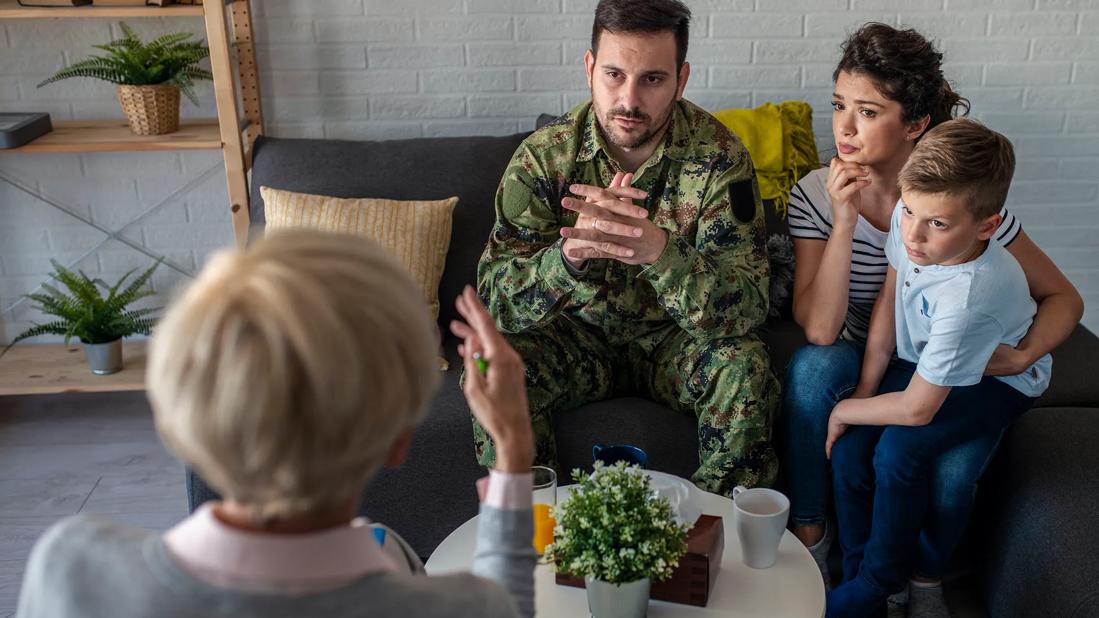
Healing does not have to be a solo project performed at 2 a.m. with a journal and heroic levels of denial. A trauma-informed therapist can help you understand patterns, process painful experiences, build emotional regulation skills, and develop healthier relationships. Depending on your needs, support may include individual therapy, family therapy, group therapy, or evidence-based treatments for trauma symptoms. The goal is not to erase your history. It is to help your history stop running the meeting.
4. Practice regulation before reaction
When people grow up in survival mode, calm can feel unfamiliar and conflict can feel instantly threatening. Learning regulation skills helps the brain and body stop treating every disagreement like a five-alarm fire. Helpful practices may include slow breathing, grounding, movement, consistent sleep, journaling, mindfulness, prayer, sensory tools, or simply stepping away before responding. Regulating yourself is not “being less emotional.” It is making sure your adult self gets a turn before your old survival reflex takes over.
5. Build new relationship rules
Healthy families are not conflict-free museums where everyone whispers kindly over herbal tea. They are systems where people can disagree, repair, apologize, and stay connected. New rules might sound like:
- We do not use humiliation as discipline.
- We talk about problems before resentment grows teeth.
- We respect boundaries, even when we do not love them.
- We apologize specifically, not with “sorry you feel that way.”
- We do not make children responsible for adult emotions.
These rules may sound basic, but for many families they are revolutionary.
6. Create positive experiences on purpose
Healing is not only about reducing harm. It is also about increasing safety, connection, predictability, and joy. Shared meals, bedtime routines, emotional check-ins, affection, humor, reliable follow-through, and honest conversations can become protective factors over time. Small moments matter more than people think. A child who knows what to expect, who feels heard, and who is comforted after distress is learning a very different version of family.
7. Set boundaries with compassion and backbone
Sometimes breaking the cycle means changing how you relate to relatives who are unwilling to change. Boundaries are not punishments. They are instructions for what you will participate in. You can love people and still decide that yelling, manipulation, cruelty, or chaos no longer gets a backstage pass to your life. Compassion is lovely. So is a locked emotional front door.
8. Let healing include community
Trauma often isolates. Recovery often reconnects. Safe friendships, support groups, faith communities, culturally grounded healing spaces, mentors, and healthy partnerships can all help challenge the belief that chaos is normal and care is suspicious. Many people begin to heal when they experience steady, respectful relationships that do not require them to shrink, perform, or panic.
What Healing Actually Looks Like
Healing generational trauma is rarely cinematic. There may be no dramatic soundtrack, no tearful family monologue in perfect lighting, and no magical moment when everyone suddenly becomes emotionally fluent. Real healing often looks smaller and more powerful than that. It looks like pausing before you snap. Saying, “I need a minute.” Telling your child, “I was wrong, and I’m sorry.” Going to therapy even when you would rather alphabetize your spice rack. Noticing that a calm relationship feels weird, then staying anyway. Choosing honesty over performance. Choosing repair over pride.
It also looks like grief. When people start healing, they often mourn what they did not receive: safety, tenderness, protection, consistency, or the freedom to be a child. That grief is not a sign of failure. It is often evidence that denial is loosening its grip. Once you stop pretending the wound was “not that bad,” you can finally tend to it.
Experiences Related to Generational Trauma: What the Cycle Can Feel Like in Real Life
One common experience is growing up in a home where nobody had to say, “We are unsafe,” because your body already knew. Maybe the house looked normal from the outside, but inside it felt like everyone was always scanning for the next mood swing, argument, or shutdown. In that kind of environment, children become experts at reading micro-expressions, footsteps, and tone changes. They may grow into adults who call themselves “very intuitive,” when what they really mean is, “My nervous system earned a PhD in threat detection before I learned long division.”
Another common experience is emotional parentification. This happens when children become the unofficial comforter, mediator, or peacekeeper for adults. They learn to manage everyone else’s feelings while ignoring their own. Later, they may struggle with boundaries because being needed feels safer than being known. They may attract partners or friends who rely on them heavily, then wonder why relationships feel exhausting. Underneath that pattern is often an old belief: Love is something I earn by carrying what other people cannot.
Some people experience generational trauma as silence. No one explains why a parent is distant, why a grandparent is controlling, or why certain topics instantly freeze the room. The family has history, but it exists like a locked basement. You know something is down there. You hear it creak. You are just not allowed to open the door. As an adult, this can create a strange mix of confusion and loyalty. You sense harm, but you also feel guilty for naming it.
Others experience the cycle through perfectionism. In families shaped by trauma, achievement can become a survival strategy. Being excellent, useful, invisible, agreeable, or hyper-responsible may have reduced conflict or earned approval. Years later, the person still feels that rest is dangerous and mistakes are catastrophic. They are praised as driven, reliable, and mature, while privately feeling one spilled coffee away from emotional collapse. The outside world sees competence. The inside world feels like a nonstop emergency drill.
There are also healing experiences that begin to rewrite the story. A person goes to therapy and realizes their “overreaction” is actually an old protective response. A parent learns to apologize to their child instead of doubling down. A couple notices they both come from homes where conflict meant rupture, so they practice staying present during hard conversations. A grandchild asks respectful questions about family history and discovers not only pain, but resilience, sacrifice, humor, and survival. These moments matter because they shift the inheritance. They say, “The story did not start with me, but a different chapter can.”
Perhaps the most powerful experience is discovering that peace can feel unfamiliar before it feels safe. Many people leaving generational trauma behind assume healing should feel instantly good. Often, it feels awkward at first. Calm may seem boring. Kindness may seem suspicious. Healthy love may seem almost too quiet. That does not mean it is wrong. It may simply mean your system is learning a new normal. And that learning, repeated over time, is how cycles finally break.
Conclusion
Generational trauma is real, but it is not a life sentence. Families can pass down fear, silence, and survival strategies, yet they can also pass down resilience, honesty, repair, and care. Breaking the cycle begins with awareness and continues with practice: naming patterns, seeking trauma-informed support, regulating stress, setting boundaries, and building relationships that feel safe enough to tell the truth in.
You do not have to heal your entire family tree by next Tuesday. You only have to begin where you are. Sometimes that beginning is a conversation. Sometimes it is therapy. Sometimes it is choosing not to repeat what hurt you. Small changes, repeated consistently, can alter what the next generation inherits. That is not a minor accomplishment. That is legacy work.