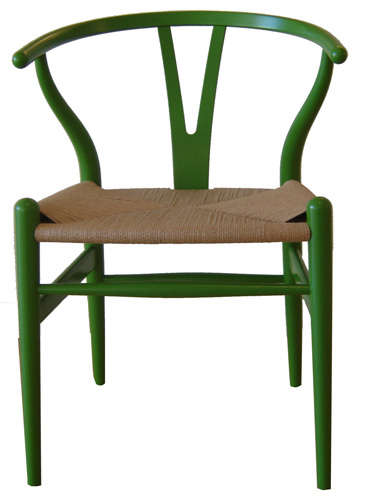
The green Wishbone Chair is what happens when a design icon decides to wear a fresh jacket and still look effortlessly timeless. It has the calm confidence of Danish modern furniture, the sculptural elegance of a museum-worthy chair, and the color personality of a houseplant that actually remembered to look expensive. In other words, it is not just a dining chair. It is a small, graceful argument for better taste.
Originally known as the CH24, the Wishbone Chair was designed by Danish master Hans J. Wegner for Carl Hansen & Søn in 1949 and entered production in 1950. The chair is famous for its Y-shaped backrest, steam-bent wooden top rail, curved arms, and hand-woven paper cord seat. The green version keeps all of that craftsmanship but adds a nature-inspired tone that feels modern, warm, and surprisingly flexible.
Whether you call it a green Wishbone Chair, a green Y chair, a Danish dining chair, or “that beautiful chair I saw once and now need emotionally,” this piece has become a favorite for people who want furniture that looks refined without acting stiff. It works in dining rooms, breakfast nooks, home offices, reading corners, boutique cafés, and even bedrooms where you need one stylish chair to hold tomorrow’s outfitbecause yes, even icons sometimes become laundry assistants.
What Is a Green Wishbone Chair?
A green Wishbone Chair is a colored version of the classic Wishbone Chair design. The authentic CH24 model is produced by Carl Hansen & Søn, while many other brands offer inspired versions at different price points. The defining features are easy to recognize: a rounded top rail that becomes the armrest, a supportive Y-shaped back, slim tapered legs, and a woven seat, usually made from paper cord or a similar natural-looking fiber.
The green finish may range from soft sage and olive green to deeper forest green or muted moss. This matters because green is not one color; it is a whole emotional committee. Sage feels airy and relaxed. Olive looks earthy and grown-up. Forest green brings drama. Soft mint can feel cheerful and Scandinavian. A green Wishbone Chair in the right shade can either disappear into a natural palette or become the room’s quiet star.
Why the Wishbone Chair Became a Design Classic
The Wishbone Chair became famous because it balances simplicity with craftsmanship. Wegner was known for reducing furniture to its most honest form, and the CH24 shows that philosophy beautifully. There is no bulky padding, no unnecessary ornament, and no decorative shouting. Instead, the beauty comes from proportion, joinery, curves, and materials.
The Y-shaped backrest is more than a visual signature. It gives the chair stability while keeping the frame open and light. The steam-bent top rail creates a continuous curve that supports the back and arms. The woven seat adds texture and comfort without turning the chair into a cushion mountain. This is why the Wishbone Chair looks delicate but performs like a serious piece of furniture.
It also helps that the design is remarkably adaptable. The original chair fits mid-century modern interiors, but it also works in farmhouse kitchens, Japandi spaces, coastal homes, contemporary apartments, and cozy traditional rooms. Add a green finish, and suddenly the chair feels even more connected to today’s love of natural color, organic materials, and interiors that do not look like a furniture showroom had a panic attack.
Why Choose Green?
Green is one of the easiest accent colors to live with because it borrows its authority from nature. We see green in leaves, herbs, moss, gardens, forests, and fresh vegetables we fully intend to eat before they become refrigerator science experiments. In interior design, green can feel calm, healthy, balanced, and quietly luxurious.
A green Wishbone Chair brings color into a room without the intensity of bright red, the sweetness of pink, or the commitment level of navy walls. It pairs naturally with wood, linen, stone, rattan, brass, black metal, white walls, terracotta, cream, beige, walnut, oak, and even marble. That makes it a practical choice for homeowners who want personality but do not want to redecorate every time their mood changes.
Soft Green for Calm Rooms
A soft green Wishbone Chair is ideal for bright kitchens, Scandinavian dining rooms, and minimalist apartments. It feels clean but not cold. Pair it with pale oak, white walls, cream ceramics, and a simple pendant light for a look that says, “I have my life together,” even if your junk drawer tells a different story.
Olive Green for Warmth and Depth
Olive green is excellent for homes with warm woods, vintage rugs, leather, clay tiles, or brass accents. It has a grounded personality and works beautifully with walnut tables, terracotta planters, beige walls, and black-framed art. Olive is especially good if you want your dining area to feel collected rather than decorated overnight.
Forest Green for a Statement
Forest green gives the Wishbone Chair a richer, more dramatic presence. It suits moody dining rooms, dark cabinetry, library corners, and homes with traditional-meets-modern style. Use it with deep wood tones, creamy walls, and warm lighting so the chair feels elegant instead of heavy.
Where to Use a Green Wishbone Chair
Dining Room
The dining room is the most natural home for the green Wishbone Chair. Around a wood table, green chairs create a fresh, organic rhythm. A full set looks polished and intentional, while mixing green Wishbone Chairs with neutral side chairs can create a more relaxed designer look.
For a rectangular table, place green Wishbone Chairs along both sides and consider upholstered host chairs at the ends. For a round table, four green chairs create a charming café-like arrangement. If your dining room is small, the open back and airy frame help the space feel lighter than bulky upholstered chairs would.
Kitchen Breakfast Nook
In a breakfast nook, green Wishbone Chairs are friendly, casual, and photogenic. They look especially good with a built-in bench, a pedestal table, or a small round bistro table. Add striped cushions, a ceramic fruit bowl, or a linen table runner, and suddenly breakfast feels like an eventeven if it is just toast eaten while checking email.
Home Office
A green Wishbone Chair can also work as a stylish desk chair, especially for light work, writing, or a compact office corner. It is not a replacement for a highly adjustable ergonomic office chair if you sit eight hours a day, but for occasional use it provides comfort, beauty, and a much better Zoom background than a pile of cardboard boxes.
Bedroom Accent Chair
In the bedroom, one green Wishbone Chair can soften the room and create a small reading or dressing area. Place it near a window, beside a small round table, or in an empty corner with a floor lamp. The open frame keeps it from visually crowding the room, while the green tone adds a restful note.
Entryway or Hallway
A green Wishbone Chair in an entryway is practical and charming. It gives guests a place to sit while removing shoes and gives you a surface for a bag, scarf, or dramatic pause before leaving the house. Pair it with a wall hook, woven basket, and slim console table for a welcoming first impression.
How to Style a Green Wishbone Chair
Pair It With Natural Wood
The green Wishbone Chair looks especially strong with natural wood because both elements share an organic language. Oak creates a light Scandinavian feel. Walnut makes the green look richer and more refined. Ash or beech keeps the palette casual and bright. If the chair has a natural paper cord seat, the woven texture adds another layer of warmth.
Use Green as an Accent, Not a Costume
The easiest mistake is matching everything to the chair. A green chair does not need green curtains, green plates, green candles, green wallpaper, and a green dog bed. Let the chair lead, then echo the color lightly through plants, art, or a single textile. Good design whispers. It does not arrive wearing a marching band uniform.
Add Texture Around It
Green furniture shines when surrounded by texture. Think linen curtains, jute rugs, woven baskets, handmade ceramics, matte black fixtures, warm wood floors, and soft wool throws. Since the Wishbone Chair already has a woven seat, repeating natural textures nearby makes the room feel cohesive.
Balance It With Neutrals
For a clean look, pair a green Wishbone Chair with whites, creams, taupes, warm grays, or khaki tones. These neutrals allow the green to feel fresh without becoming loud. This approach works especially well in modern homes where color is welcome but clutter is not invited.
Mix With Other Chair Styles
You do not always need a matching set. A green Wishbone Chair can be mixed with simple wooden chairs, benches, upholstered dining chairs, or black spindle chairs. The trick is to repeat at least one element: wood tone, seat height, silhouette, or color temperature. That keeps the mix looking curated instead of “we found these in four different garages.”
Authentic vs. Inspired Green Wishbone Chairs
The authentic CH24 Wishbone Chair is a heritage design produced by Carl Hansen & Søn with high-level craftsmanship, quality materials, and careful construction. It is an investment piece and is often chosen by collectors, design lovers, architects, and homeowners who want the original version of Wegner’s classic chair.
Inspired versions are available from many retailers and can be more budget-friendly. Some are well made; others are more decorative than durable. If you are considering an inspired green Wishbone-style chair, inspect the joinery, frame material, finish quality, seat weave, weight capacity, and return policy. A chair may look beautiful online and still wobble in real life like it has just heard shocking gossip.
What to Check Before Buying
- Frame material: Solid wood is usually stronger and more attractive than low-quality composites.
- Seat weave: Look for tight, even weaving with no loose strands or weak edges.
- Finish: Painted green finishes should look smooth, even, and resistant to chipping.
- Comfort: Check seat height, back support, and arm clearance under your table.
- Scale: Measure your table and room before ordering a full set.
- Care instructions: Paper cord, wood, and painted finishes need gentle cleaning.
Comfort: Is the Wishbone Chair Actually Comfortable?
Yes, the Wishbone Chair is comfortable for dining, conversation, and everyday sitting, provided the proportions fit your body and table. Its curved top rail supports the back and arms, while the woven seat has a slight give that feels more forgiving than a flat wooden seat. The chair feels upright but not rigid, which is exactly what you want at a dining table unless your dinner parties regularly last six hours.
For extra comfort, you can add a thin seat cushion, but many people prefer the original woven look. If you do use cushions, choose slim pads in linen, wool, leather, or cotton. Avoid bulky cushions that hide the seat and make the chair look like it is wearing a winter coat indoors.
Best Color Palettes for a Green Wishbone Chair
Scandinavian Fresh
Use soft green chairs with white walls, pale oak, light gray textiles, simple ceramics, and plenty of natural light. This palette feels calm, airy, and easy to maintain.
Earthy Modern
Pair olive green chairs with walnut, terracotta, cream, black metal, clay pottery, and woven rugs. This look feels warm, grounded, and sophisticated without being formal.
Vintage Café
Combine deeper green chairs with a small marble table, brass lighting, framed prints, and checkerboard flooring. The result feels charming, urban, and a little cinematic.
Moody Organic
Use forest green chairs with dark wood, warm white walls, aged bronze hardware, plants, and linen curtains. This palette feels intimate and luxurious while staying connected to nature.
Care and Maintenance Tips
A green Wishbone Chair should be cleaned gently. Dust the wooden frame with a soft cloth and wipe spills quickly with a slightly damp cloth. Avoid harsh chemicals, abrasive pads, and soaking the paper cord seat. Painted finishes can chip if treated roughly, so lift the chair instead of dragging it across the floor like it owes you money.
For woven seats, vacuum lightly using a brush attachment. Keep the chair away from excessive moisture, direct heat, and prolonged harsh sunlight, which may affect both the finish and the seat material over time. If you use the chairs daily, rotate their positions around the table so wear is distributed evenly.
Common Decorating Mistakes to Avoid
Choosing the Wrong Shade of Green
Always consider your lighting. A green that looks soft online may appear dull in a dark room or too bright in direct sunlight. Order samples or compare product photos in different settings whenever possible.
Ignoring Table Clearance
The Wishbone Chair has arms, so check whether they fit under your dining table. This is especially important with apron-style tables, thick tabletops, or compact breakfast tables.
Overcrowding the Room
The chair has an airy frame, but it still needs breathing room. Leave enough space between chairs so people can sit comfortably without performing a furniture-based obstacle course.
Forgetting the Floor
Green chairs look better when grounded by the right rug or flooring. Natural fiber rugs, vintage patterned rugs, and warm wood floors all work beautifully. Very cool gray floors can make some greens feel flat, so add warm accents if needed.
Is a Green Wishbone Chair Worth It?
A green Wishbone Chair is worth considering if you want furniture that combines history, craftsmanship, comfort, and color. The authentic version is a long-term investment, while inspired versions can bring the look to a wider range of budgets. Either way, the design has staying power because it is not dependent on a passing trend. It is structurally beautiful.
The green finish makes it especially appealing for modern homes because it introduces personality while remaining livable. Unlike some statement furniture, it does not demand that the whole room revolve around it. It simply improves the atmosphere, which is exactly what good furniture should do.
Personal Experience: Living With the Idea of a Green Wishbone Chair
The first time I saw a green Wishbone Chair in a dining room, it did not scream for attention. It did something better: it made the room feel finished. The space had a simple wooden table, white walls, a few ceramic bowls, and one leafy plant in the corner that was either thriving or pretending convincingly. The green chairs pulled everything together. Suddenly the room had rhythm, warmth, and a little design confidence.
That is the magic of this chair. It can change a room without bullying it. Some furniture walks in and says, “Look at me.” The green Wishbone Chair walks in and says, “Everything looks better now, you’re welcome.” Around a breakfast table, it makes coffee feel calmer. In a home office, it adds style without making the space feel like a corporate cubicle. In a bedroom corner, it gives you a place to sit, read, or stack clothes with unusual elegance.
One practical lesson is that shade matters more than people think. A pale sage version feels breezy and casual. It is perfect if your home has white walls, pale wood, and soft textiles. Olive green feels deeper and more adult, especially with walnut, brass, black accents, or vintage rugs. Forest green is beautiful, but it wants better lighting and a little more visual breathing room. Put forest green in a cramped, dim corner and it may look moody in the wrong way, like it is judging your life choices.
Another experience-based tip is to test the chair with your table before committing to a full set. The arms are one of the most beautiful parts of the design, but they can be tricky with some tables. If the tabletop has a thick apron, the chair may not tuck in completely. That is not always a deal breaker, but it changes how much space you need. In smaller dining rooms, even a few inches can decide whether the room feels elegant or like a polite traffic jam.
Comfort is also personal. Many people find the woven seat supportive and pleasant, especially during meals. However, if your household enjoys marathon dinners, board games, or long work sessions at the dining table, consider adding thin cushions. The key word is thin. A bulky cushion can ruin the clean silhouette faster than socks with sandals ruin a summer outfit.
The green Wishbone Chair also teaches a useful decorating rule: one strong piece can do more than five random accessories. Instead of buying more wall art, more candles, more trays, and more tiny decorative objects that need dusting, a green chair adds function and beauty at the same time. It is color, sculpture, seating, and texture in one object.
In daily life, the best thing about a green Wishbone Chair is its flexibility. It works when the table is set beautifully for guests, but it also looks good during ordinary Tuesday chaos. It does not require perfection around it. Crumbs happen. Mail piles happen. Someone will eventually hang a hoodie over the back. The chair survives these moments because the design is strong enough to remain beautiful even when real life shows up.
If you are decorating slowly, start with two green Wishbone Chairs rather than six. Use them at the ends of a dining table, in a breakfast nook, or as a pair beside a small round table. This lets the color become a feature without overwhelming the room. Later, if the shade feels right, you can add more. Good design does not need to sprint; it can stroll in gracefully.
Ultimately, the green Wishbone Chair is memorable because it feels both classic and alive. It has the history of Danish modern design, the warmth of natural materials, and the freshness of green. It is refined but not fussy, elegant but not fragile, stylish but still useful. That is a rare combinationand honestly, furniture that can do all that deserves a little applause.
Conclusion
The green Wishbone Chair is more than a pretty dining chair. It is a smart blend of Danish design heritage, sculptural comfort, organic color, and everyday practicality. Its Y-shaped back, woven seat, and curved wooden frame give it a timeless profile, while the green finish makes it feel fresh for today’s interiors. Whether you choose soft sage, olive, moss, or forest green, this chair can bring calm, character, and quiet sophistication into almost any room.
For homeowners who want furniture with personality but not visual chaos, the green Wishbone Chair is a beautiful choice. It works with wood, neutrals, natural textures, plants, modern lighting, and vintage pieces. It can dress up a dining room, soften a kitchen nook, elevate a home office, or give a bedroom corner a purpose. Best of all, it proves that practical furniture does not have to be boring. Sometimes, all a room needs is one graceful green chair and a little confidence.