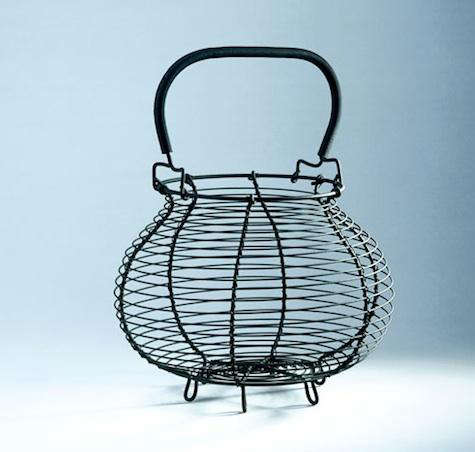
A French wire salad basket sounds like the kind of thing you might discover in the back of a charming countryside kitchen, right next to a copper pot, a suspiciously confident rooster, and a grandmother who can make vinaigrette without measuring anything. But this humble tool is more than rustic eye candy. It is one of the original low-tech answers to a very real kitchen problem: wet salad greens.
Before plastic salad spinners became countertop regulars, cooks used wire baskets to rinse, drain, toss, and dry lettuce. The idea was beautifully simple. Put washed greens into a wire basket, hold the handles firmly, and swing or shake the basket so excess water flies away. It is part colander, part salad spinner, part arm workout, and part kitchen theater. If you have ever wondered why French salads often seem so crisp and perfectly dressed, the answer may begin with something as unglamorous as getting the lettuce properly dry.
Today, the French wire salad basket has returned as both a functional kitchen tool and a vintage-inspired décor piece. Some people use it for greens, herbs, and garden vegetables. Others display it as a farmhouse fruit basket or egg basket. Either way, it carries a practical charm that says, “Yes, I know how to make lunch, and yes, my kitchen has personality.”
What Is a French Wire Salad Basket?
A French wire salad basket is a woven metal basket traditionally used to wash and dry leafy greens. It usually has a rounded shape, open wire construction, and one or two handles. Some versions are collapsible, while others are fixed, sturdy baskets that look similar to old egg-gathering baskets.
The basket works because of airflow and motion. Water drains through the open wire, and when the basket is swung or shaken, centrifugal force helps throw extra moisture off the leaves. It is the same basic principle behind a modern salad spinner, just without the plastic bowl, pump mechanism, pull cord, or tiny internal parts that somehow always need washing.
In modern kitchens, you may see this tool described by several names, including French salad basket, wire salad spinner, lettuce dryer, vintage salad basket, French egg basket, or old iron salad basket. The names vary, but the concept stays the same: a breathable basket designed for produce, especially leafy greens.
Why Dry Greens Matter More Than People Think
Wet lettuce is the silent villain of many sad salads. It does not announce itself dramatically. It simply sits there, dripping into the bowl, diluting the dressing, and turning what should be crisp and lively into something that tastes like vinaigrette went swimming.
Dry greens make a major difference because oil-based dressings cling better to dry leaves. When water remains on lettuce, the dressing slides off, pools at the bottom, and leaves the salad underseasoned. This is why professional cooks and serious home cooks care so much about drying greens after washing.
A French wire salad basket helps solve that problem. After rinsing loose-leaf lettuce, romaine, arugula, parsley, cilantro, or garden herbs, you can place the produce in the basket and shake gently over the sink, outdoors, or in a place where a little flying water will not create a kitchen weather event. The result is cleaner, crisper greens that are ready for dressing, storing, or serving.
A Short History: From Farmhouse Basket to Salad Spinner
The French wire salad basket belongs to a long tradition of practical kitchen tools designed before modern appliances took over every inch of cabinet space. Older wire baskets were used for gathering eggs, carrying vegetables from the garden, rinsing produce, and drying salad leaves. Their open construction made them naturally suited for washing and draining.
The modern mechanical salad spinner became popular in the United States in the 1970s, when crank-operated and later pump-style models gave cooks a cleaner indoor way to dry greens. Those spinners used the same basic idea: rotate the greens quickly so water moves away from the leaves. The difference is that the modern spinner catches the water inside an outer bowl, while the French wire basket expects you to manage the splash zone like a responsible adult.
That is part of the charm. A French wire salad basket feels less like a gadget and more like a gesture. It asks for a bit of participation. You rinse, toss, shake, and serve. It turns salad prep into something physical and satisfying, not just another button to push.
Design Features That Make It Useful
Open Wire Construction
The most important feature is the wire structure. The gaps allow water to drain quickly and air to circulate around the greens. This makes the basket useful not only for lettuce but also for herbs, radishes, small carrots, green beans, and other produce that benefits from rinsing and draining.
Lightweight Shape
A good salad basket is light enough to lift, shake, and carry. Some vintage-style models are made of iron or old-iron-finish metal, while modern versions may use stainless steel. Stainless steel is especially practical because it resists rust better and can be easier to clean.
Handles for Spinning or Carrying
Handles are essential. They make the basket useful for both kitchen prep and garden work. In older kitchens, people could rinse lettuce, step outside, and swing the basket to fling away excess water. Indoors, a gentler shake over the sink is usually wiser unless your goal is to water the cabinets.
Collapsible or Fixed Designs
Some French-style salad baskets fold down, making them easier to store in small kitchens. Others are fixed and more decorative. A collapsible basket is better for pure practicality, while a fixed wire basket often wins the beauty contest on open shelving.
French Wire Salad Basket vs. Modern Salad Spinner
The French wire salad basket and the modern salad spinner share the same mission, but they suit different kitchens and personalities.
A modern salad spinner is more contained. It usually includes an outer bowl, inner basket, and lid with a spinning mechanism. It is efficient, tidy, and especially useful for people who wash large amounts of lettuce every week. Many models can dry greens extremely well and keep splashing under control.
A French wire salad basket is simpler. It has no lid, no gears, no cord, and no pump. It is easy to understand at a glance. It drains beautifully and can double as storage or décor. However, it is not as splash-proof as a modern spinner. If you swing it with enthusiasm in a tiny apartment kitchen, your walls may receive a light misting of romaine water.
For frequent salad makers, a modern spinner may be more efficient. For cooks who love traditional tools, garden-to-table cooking, compact storage, and rustic style, the French wire salad basket has a special appeal. It is also useful for people who dislike bulky plastic tools and want something that looks good even when it is not being used.
How to Use a French Wire Salad Basket
Step 1: Wash the Greens Properly
Start by removing bruised or wilted leaves. Rinse the greens under clean running water, gently rubbing away dirt where needed. For loose garden lettuce, you may need to rinse more than once. Avoid using soap, detergent, or harsh cleaners on produce.
Step 2: Load the Basket Lightly
Do not pack the basket too tightly. Greens need space to move. If you overload the basket, water gets trapped between the leaves and the drying process becomes less effective. Smaller batches work better, especially with delicate greens.
Step 3: Shake Over the Sink
Hold the basket by its handles and shake gently over the sink. This removes the first wave of water. Think of it as a warm-up round before the dramatic spinning begins.
Step 4: Spin or Swing Carefully
If you have outdoor space, you can swing the basket in a circular motion to remove more moisture. If you are indoors, keep the movement controlled. A few firm shakes may be enough. The goal is crisp lettuce, not a kitchen reenactment of a sprinkler system.
Step 5: Finish With a Towel If Needed
For very delicate greens or herbs, transfer them to a clean towel after basket-drying and pat them gently. This final step helps remove lingering droplets and keeps the texture fresh.
Best Uses Beyond Salad
Despite the name, a French wire salad basket does more than prepare lettuce. Its breathable structure makes it surprisingly versatile.
Use it as a garden harvesting basket for herbs, cherry tomatoes, radishes, baby carrots, or small cucumbers. The open wire lets soil and water fall away, making it convenient for backyard gardeners. It also works well as a temporary storage basket for onions, garlic, citrus, or apples, especially if you like a relaxed farmhouse look.
Many people also use vintage French wire baskets as egg baskets. The rounded shape and handles make them practical for collecting eggs, while the rustic appearance makes them attractive on a kitchen counter. For decorative use, they can hold linen napkins, tea towels, wooden spoons, dried flowers, or seasonal produce.
In short, it is one of those rare objects that earns its keep even when it is just sitting there looking pretty. Some kitchen tools are useful but ugly. Others are beautiful but lazy. A French wire salad basket manages to be both useful and attractive, which is more than can be said for many gadgets hiding in the junk drawer.
What to Look for Before Buying One
Material
Stainless steel is a strong choice for regular food use because it is durable and easier to maintain. Old iron or painted metal baskets can be beautiful, but they may require more careful cleaning and drying to prevent rust. If the basket is vintage, check whether it is safe for direct food contact or better suited for display.
Size
A basket around nine inches wide works well for small households, herbs, and side salads. Larger baskets are better for family-sized portions or garden harvesting. Remember that bigger baskets need more swinging room. Measure your sink, storage space, and personal tolerance for airborne water before choosing.
Handle Strength
Since the basket may be shaken or swung, sturdy handles matter. Look for handles that feel secure and comfortable. A charming basket with weak handles is basically a decorative trap.
Ease of Cleaning
Wire baskets should be easy to rinse, but tight intersections can trap bits of herbs or soil. Choose a design with smooth wirework and no sharp edges. If the product listing says wipe-clean only, treat it more as a decorative or light-use basket rather than a heavy-duty daily salad tool.
Care and Cleaning Tips
After using a French wire salad basket, rinse it well and dry it thoroughly. This is especially important for iron or old-iron-style baskets. Leaving water in the wire joints can encourage rust. Stainless steel versions are generally more forgiving, but even stainless steel appreciates a little towel attention.
If the basket has a painted, antique, or decorative finish, avoid abrasive scrubbers. Use mild dish soap, warm water, and a soft brush if needed. For vintage baskets, inspect the finish carefully before using with food. Some older decorative pieces may be better for holding fruit with peels, napkins, or wrapped items rather than wet greens.
Store the basket in a dry place. If it is collapsible, fold it only after it is completely dry. If it is fixed and attractive, let it live openly on a shelf or countertop. It will look like you planned your kitchen style, even if the rest of the room is currently being held together by coffee and good intentions.
Is a French Wire Salad Basket Worth It?
A French wire salad basket is worth it if you appreciate simple tools, enjoy fresh greens, and like kitchen items that can serve more than one purpose. It is especially appealing for gardeners, farmhouse-style kitchens, collectors of vintage utensils, and anyone trying to reduce bulky plastic storage.
It may not be the best choice if you want maximum drying efficiency with zero splashing. In that case, a modern salad spinner will probably make you happier. But if you like traditional kitchen tools with personality, the French wire salad basket offers a delightful blend of function, history, and style.
It reminds us that good cooking does not always require complicated equipment. Sometimes it just needs clean greens, a well-made basket, and the willingness to shake lettuce like you mean it.
Experience Notes: Living With a French Wire Salad Basket
The first thing you notice when using a French wire salad basket is that it changes the rhythm of making a salad. With a plastic spinner, the process feels mechanical: rinse, spin, dump, repeat. With a wire basket, it feels more connected to the food. You can see the greens clearly. You can feel the weight of the water leaving them. You can adjust your movement depending on whether you are handling sturdy romaine or delicate baby lettuce.
For everyday salad prep, the basket is best when used with common sense. After rinsing lettuce, a few strong shakes over the sink remove a surprising amount of water. If the greens are still too wet, spreading them briefly on a clean towel finishes the job nicely. This two-step approach works especially well for herbs like parsley, mint, dill, and cilantro, which can bruise in aggressive mechanical spinners.
The basket also earns points during garden season. Carrying freshly cut lettuce or herbs in a wire basket feels practical and oddly satisfying. Dirt falls away more easily than it does in a bowl, and the produce does not sit in trapped water. If you grow even a small container garden, the basket quickly becomes one of those tools you reach for without thinking.
The only real learning curve is water control. A French wire salad basket is honest: water goes through the basket and lands wherever physics sends it. Over the sink, this is fine. Outside, it is actually fun. In the middle of a finished kitchen, it can become performance art. The safest approach is to shake first, spin gently, and save the full windmill move for the backyard unless you are prepared to mop.
As a storage piece, it is even easier to love. A wire basket filled with lemons, apples, garlic, or linen napkins instantly makes a kitchen look warmer. It gives a room that “I buy herbs at markets and know what to do with them” feeling, even if dinner is currently toast. Unlike many kitchen tools that disappear into a cabinet, the French wire salad basket can stay visible without making the space look cluttered.
Over time, the biggest benefit is not speed. A modern spinner may still win that contest. The benefit is pleasure. The basket makes washing greens feel less like a chore and more like a small ritual. It encourages fresh ingredients, less waste, and better-textured salads. It also proves that a tool does not need a motor, a silicone button, or a twelve-page instruction booklet to be useful. Sometimes a basket is enough.
Conclusion
The French wire salad basket is a beautiful reminder that smart kitchen design existed long before modern gadgets took over our cabinets. It dries greens, drains produce, carries garden vegetables, stores fruit, and decorates a kitchen with effortless French farmhouse charm. It may not be the tidiest salad-drying tool ever invented, but it is one of the most character-filled.
If you want a practical, attractive, and conversation-starting alternative to a bulky plastic salad spinner, this basket deserves a place on your radar. Just remember the golden rule: dry the greens, control the splash, and never underestimate the dramatic potential of lettuce.
Editorial note: This article is based on synthesized research from reputable cooking, kitchenware, product, and food-safety references. Visible source links are intentionally omitted to keep the HTML clean for web publishing.