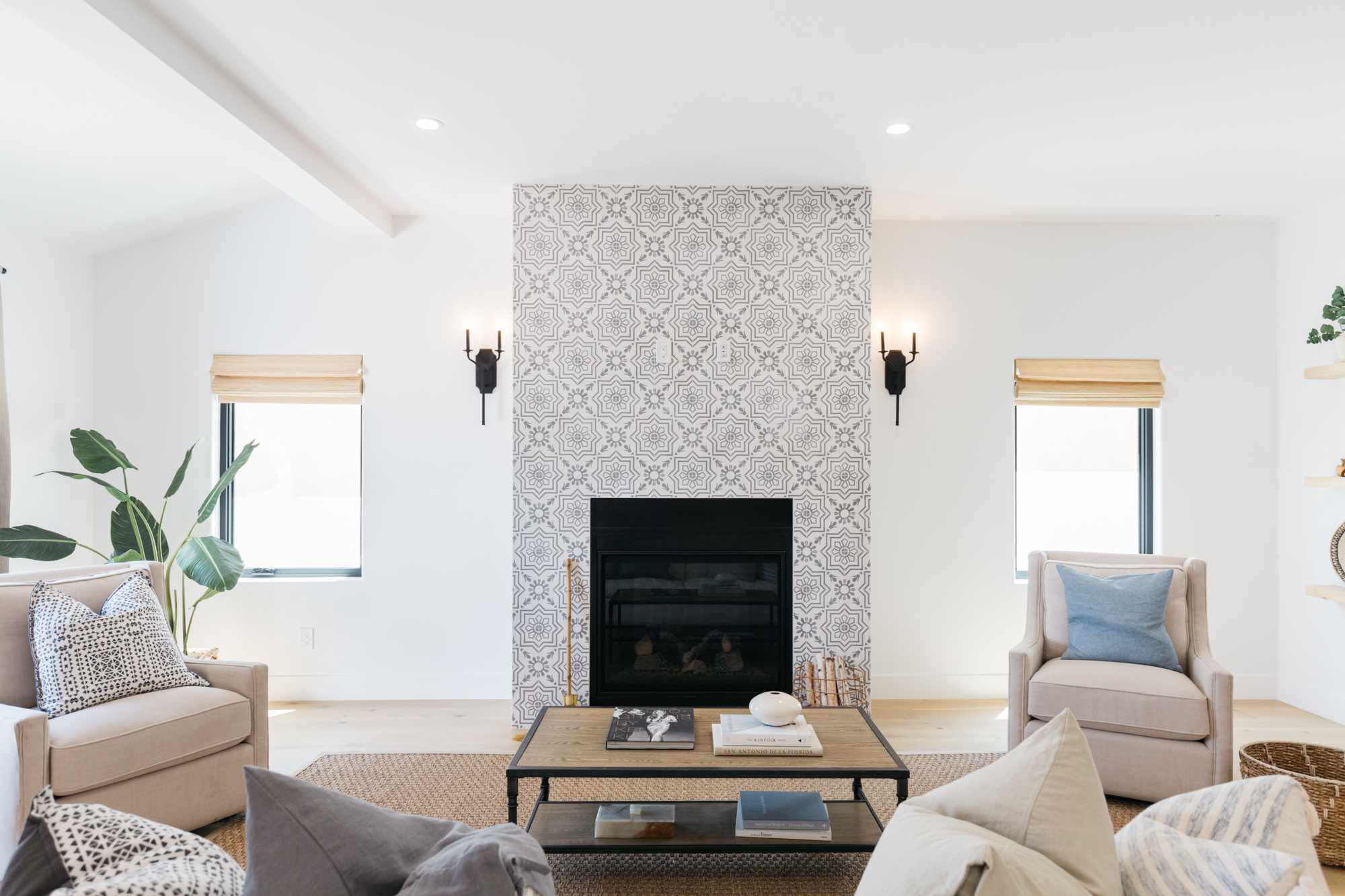
Let’s get the obvious joke out of the way first: no, this carpet is not going to lift off your living room floor, soar over traffic, and land you gracefully at brunch. If it does, congratulations, you have bigger problems than interior styling. But the phrase flying carpet still works because it captures something real: the feeling that a great rug can transform a room so dramatically it almost seems to defy gravity.
That is exactly why the idea of nomad-inspired carpets continues to fascinate designers, collectors, and homeowners. These textiles were born from movement, practicality, memory, and survival. They were not originally made to sit quietly under a coffee table waiting for compliments from people holding oat milk lattes. They were made for life on the move. In many nomadic communities across Persia, Central Asia, and parts of the Middle East, carpets and flatweaves were not luxury extras. They were architecture, insulation, storage covers, eating cloths, bedding layers, saddle gear, and symbols of identity.
So when modern design magazines use a title like Flying Carpets Designed by Nomads, the phrase works best as a poetic shortcut, not a fantasy stereotype. The real magic is not in pretend levitation. It is in the way nomadic design traditions turned wool, cotton, dyes, memory, and geometry into objects that could travel, adapt, and last. That is far more impressive than a carpet with aviation ambitions.
The Real Meaning Behind the “Flying Carpet” Idea
The flying carpet image has a long afterlife in pop culture, especially through Arabian Nights, Hollywood, and all the glittery desert fantasies that tend to flatten real cultures into one giant cinematic mirage. That fantasy is catchy, sure, but it also has a habit of erasing the real makers behind the objects. The truth is more interesting. Carpets became associated with wonder partly because they were portable masterpieces. They could be rolled, traded, gifted, carried, and displayed across great distances. For people living mobile lives, portability was not whimsical. It was essential.
That is where nomadic weaving enters the picture. A carpet from a nomadic tradition is not “magical” because it flies. It is magical because it solves a dozen problems at once while still looking spectacular. It warms a tent, softens a floor, stores memory in pattern, and signals belonging. It can move from summer pasture to winter pasture and still hold together as part design object, part family archive, part practical tool. That is not fantasy. That is design with muscles.
How Nomadic Life Shaped Carpet Design
Portable living created portable beauty
Many tribal groups in southwest Persia, including the Qashqai, lived a largely nomadic life well into the early 20th century. They moved with their herds between seasonal pastures, carrying tents and household goods along the way. That lifestyle directly influenced how rugs were made. Women used wool from sheep and goats in their own herds, worked with looms that could be carried, and created pieces suited to a life that valued flexibility as much as beauty.
That simple fact changes how you read a carpet. A rug from a city workshop often follows a carefully planned cartoon, meaning a pre-drawn grid that tells the weaver exactly where each color and motif goes. A nomadic or tribal weaving, by contrast, often feels more alive. There may be asymmetry, small variations, quirky border changes, or motifs that wander a little. That is not a flaw. That is the human pulse of the piece. It is design with fingerprints still on it.
Materials came from the landscape
Nomadic carpet traditions also grew out of what was physically available. Wool was central because herding was central. Natural dyes often came from plants, insects, roots, and local materials. That is one reason traditional palettes can feel so grounded and rich: madder reds, indigo blues, creamy whites, earthy browns, and saturated greens do not look borrowed from a trend forecast. They look earned.
Flatwoven textiles such as kilims and dhurries show this logic beautifully. They are lighter and often easier to transport than thick pile carpets, which made them especially useful in mobile settings. In India, dhurries have been woven for centuries and are known for plain weaves, stripes, and bold geometric forms. In Central Asia and Persia, flatweaves also appeared in storage bags, tent decorations, horse trappings, and coverings for household goods. In other words, the rug did not just decorate life. It helped organize it.
Patterns were memory systems, not just decoration
Nomadic and tribal rugs often feature stylized animals, birds, rosettes, medallions, horns, branches, diamonds, and repeating geometric structures. These motifs are visually strong because they had to be. They were read in low light, inside tents, across woven surfaces, and through memory rather than through printed blueprints. In many traditions, designs were passed down through observation and practice, not formal pattern books.
That is why these carpets can feel so modern even when they are deeply old. A strong diamond medallion, a rhythmic border, a horn-like motif, or a field of repeated angular forms fits perfectly into contemporary interiors because good geometry ages better than most trends. Nothing dates a room faster than trying too hard. A great nomadic motif never has that problem.
Beyond the Floor: What These Textiles Actually Did
One of the biggest misconceptions about traditional carpets is that they existed mainly for display. Some certainly did, especially in courts, shrines, and urban workshops. But nomadic weaving traditions were gloriously practical. Long narrow kilims could cover storage piles. Woven bags carried possessions during migration. Flatweaves brightened the interiors of black tents. Sofrehs or eating cloths could be spread for meals. Tent bands helped structure domestic space. Wall hangings and floor coverings offered insulation and comfort.
In Central Asia, felt traditions add another layer to the story. Felt was especially valuable in yurt life because it helped keep interiors warm in winter and cool in summer while offering insulation from dust, wind, and noise. Felt carpets and stitched rugs such as syrmak and shyrdak were not merely decorative accents. They were central to how a nomadic dwelling functioned. Suddenly the phrase “soft furnishings” feels hilariously inadequate.
Even horse gear and travel equipment became part of the woven world. In Turkmen contexts, rugs and related weavings served decorative and practical purposes throughout daily life, from tent ornament to bags and coverings used in transport. That wide functional range is a clue to why nomadic textiles remain so compelling. They were never just pretty. Pretty was the bonus feature.
When Nomadic Design Met the Modern Home
Fast-forward to contemporary interiors, and the appeal is obvious. Designers love rugs that bring color, texture, and history into a room without making it feel overworked. That is why handwoven dhurries and kilim-inspired rugs keep returning to the spotlight. They offer pattern without visual heaviness. They can be graphic without being cold. And because flatweaves are often reversible, lightweight, and easier to move, they still carry some of that original nomadic practicality into modern life.
A good example is the collection once highlighted by Remodelista under the title Flying Carpets Designed by Nomads. The rugs were described as Swedish by design, Indian by make, and nomadic by feel. Handwoven in Jodhpur from organic cotton, using vegetable dyes derived from local plants, they were presented as contemporary pieces made with techniques that reach back centuries. That mix explains why the phrase works so well in design language. The rugs are not literally designed by wandering pastoral tribes. They are contemporary products tapping into the mobility, simplicity, geometry, and tactile intelligence associated with nomadic textile traditions.
And that is the key distinction. The best modern nomad-inspired carpets do not fake history. They translate its principles. They borrow the graphic punch, the handmade texture, the earthy but vivid palette, and the sense that a textile should feel lived with rather than merely looked at. They understand that the old appeal was not exotic mystery. It was smart design born from real needs.
Why Nomadic Carpets Still Feel Fresh
They balance order and spontaneity
One reason these rugs remain so appealing is that they sit in a sweet spot between control and improvisation. Urban workshop carpets can be breathtaking, but they often feel polished in a formal way. Nomadic and tribal weavings usually retain a looser rhythm. Borders shift. Small motifs pop up unexpectedly. Symmetry is respected, then gently ignored. The result feels energetic rather than stiff.
That quality fits modern spaces beautifully. Contemporary homes often need texture that softens clean architecture. A nomad-inspired rug can do that without becoming fussy. It adds warmth, but not visual mush. It introduces pattern, but not chaos. It says, “Yes, this room has taste,” without sounding like it rehearsed the line in front of a mirror.
They make craftsmanship visible
Machine-made perfection can be useful, but it rarely has much soul. Handmade carpets, especially those rooted in tribal and nomadic traditions, wear their process openly. You can see the labor in them. You can sense the tension of warp and weft, the discipline of repeated knots, the confidence of geometric reduction, and the occasional irregularity that proves a person was there.
That matters more than ever in a world drowning in disposable décor. A nomad-inspired rug reminds people that design is not just about surface. It is about material intelligence, cultural memory, and use over time. You do not simply buy one of these pieces. You enter into a longer conversation about making.
They carry story without demanding a speech
The best rugs tell stories quietly. You do not need to stand over them and deliver a TED Talk to your guests. A strong medallion, a field of stylized animals, a flatwoven stripe, or a felt mosaic already hints at migration, landscape, herd life, home-making, and inherited skill. That story is there for the person who wants it, but the rug can also simply look fantastic under a walnut dining table. Functional beauty is wonderfully unneedy that way.
How to Use a Nomad-Inspired Carpet Today
If you want the look in a modern home, start by respecting what makes these textiles special. Choose natural fibers when possible. Look for handwoven texture instead of overly slick finishes. Embrace geometric motifs, earthy reds, indigo tones, sandy neutrals, and warm blacks. Flatweaves work especially well in dining rooms, studios, hallways, and layered living spaces because they are lighter and visually cleaner.
Do not be afraid of irregularity. The slight wobble in a motif or shift in border rhythm is not a defect. It is exactly what keeps the piece from feeling dead. Also, resist the urge to turn the rug into a full costume drama. One nomad-inspired carpet in a room can be transporting. Seven camel-themed accessories and a fake brass lantern the size of a pumpkin start to look less “global sophistication” and more “airport gift shop with ambition.”
The smartest styling move is contrast. Put a tribal-inspired rug in a minimalist room. Let a flatwoven dhurrie warm up clean-lined furniture. Pair a felt-inspired wall piece with pale plaster and simple wood. The tension between old craft logic and modern architecture is where the look really sings.
The Experience of Living With a “Flying Carpet”
Living with a nomad-inspired carpet is different from living with an ordinary rug, and not because it suddenly gives your home mystical powers. Sadly, it will not help you avoid email. What it does offer is a specific kind of atmosphere that is hard to fake with trend-driven décor.
First, there is the visual experience. A good handwoven carpet changes throughout the day. In morning light, a red may look dusty and earthy. By late afternoon, the same tone may glow like pomegranate skin. Indigo shifts from sober to electric depending on the hour. Flatweaves are especially good at this quiet drama because their surfaces read cleanly, so color and line do all the heavy lifting. They do not shout. They hum.
Then there is the tactile part. Machine-made rugs often feel finished in a way that is oddly final, like they have already made all their decisions. Handwoven pieces feel more conversational. The edges may have character. The weave may feel firm in one area and slightly softer in another. Bare feet notice these things before the brain does. You may not think, “Ah yes, a noble irregularity in textile tension,” but you will think, “This room feels better now.” Same idea, less academic.
There is also the psychological effect of pattern. Geometric nomadic motifs have rhythm without fussiness. They make a room feel grounded, as if the floor has been given a pulse. In a busy house, that grounding matters. In a quiet house, it matters even more. The rug becomes a stabilizer, something that keeps a space from floating away into blandness. Which is funny, because that is the closest these flying carpets ever come to actual flight: they stop the room from feeling weightless in the wrong way.
People also experience these rugs socially. Guests notice them. Children sit on them. Dogs claim them immediately, usually with the confidence of minor royalty. They become part of the choreography of a room. A striped dhurrie in a dining area can make even a casual weeknight meal feel intentional. A kilim in an entry can make walking through the door feel like entering a place with a point of view. A felt-inspired piece in a reading nook can make that corner feel less like spare square footage and more like a destination.
Over time, the relationship deepens. You begin to notice the motifs you ignored at first. A tiny bird form. A horn shape. A border that shifts halfway through as if the weaver changed her mind and trusted herself. Those moments are part of the pleasure. They remind you that design did not begin in a software program. It began in hands, memory, and repeated acts of making.
That is why the best nomad-inspired carpets never feel disposable. They age into the home rather than aging out of it. They collect stories the way older textiles always have: a coffee spill that becomes a family legend, a patch of sun that softens a color into something even better, a corner where a child played, read, napped, or built a fort and probably declared it a kingdom. Suddenly the rug is no longer just décor. It is evidence that a room was truly lived in.
And maybe that is the real magic of these so-called flying carpets. They do not take you away from home. They make home feel richer, warmer, and more connected to a much older idea of design: that the things we live with every day should be useful, beautiful, and sturdy enough to travel through time with us.
Conclusion
Flying carpets designed by nomads are compelling not because of fantasy, but because of function transformed into beauty. Whether you look at Qashqai weavings, Turkmen tent textiles, Kazakh felt rugs, Bedouin domestic weaving, or modern dhurries inspired by those traditions, the same lesson appears again and again: movement produces design intelligence. A mobile life demands objects that can work hard, adapt fast, and still carry identity.
That is the enduring brilliance of nomadic carpet design. It is portable but rooted, practical but expressive, old but startlingly fresh. In a modern home, a rug shaped by these traditions brings more than pattern. It brings a worldview. One that says beauty should earn its place, craftsmanship should remain visible, and the floor beneath your feet deserves more than something beige and forgettable from aisle seven.