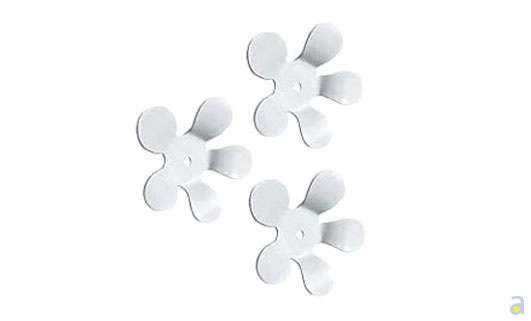
A flower hook may sound like a tiny home accessory with a cute face and no responsibilities, but do not be fooled. This small decorative hook can do the work of a storage hero, a wall accent, a hallway organizer, and a mood-lifting design detail all at once. It is the kind of object that quietly says, “Yes, your keys have a home now,” while also making your wall look like it tried a little harder this morning.
In simple terms, a flower hook is a wall-mounted or door-mounted hook designed with floral shapes, petal details, botanical colors, or garden-inspired materials. It can be made from brass, iron, ceramic, wood, resin, glass, acrylic, or painted metal. Some flower hooks are dainty enough for jewelry and keys. Others are sturdy enough for coats, towels, tote bags, backpacks, hats, dog leashes, or that one reusable grocery bag collection that seems to reproduce in the closet.
What makes the flower hook so appealing is its blend of beauty and function. A plain hook holds things. A flower hook holds things while pretending your entryway is a charming cottage, your bathroom is a boutique hotel, and your bedroom wall has excellent taste. For homeowners, renters, decorators, and DIY lovers, flower hooks offer an easy way to organize daily items without sacrificing style.
What Is a Flower Hook?
A flower hook is a decorative wall hook inspired by floral design. The flower may appear as the backplate, the hook tip, the entire sculptural form, or a painted detail on the surface. Some designs look vintage and romantic, with cast iron petals and distressed paint. Others are modern and minimal, using smooth brass curves or ceramic blossoms in soft neutral tones.
Flower hooks are commonly used in entryways, mudrooms, bathrooms, bedrooms, nurseries, kitchens, laundry rooms, closets, and garden sheds. They are especially popular in small spaces because they use vertical wall space instead of floor space. Translation: your floor gets a break, and your chair no longer has to serve as a coat rack with legs.
Why Flower Hooks Are More Than Just Pretty Hardware
The best home accessories solve a problem without looking like a problem-solving lecture. Flower hooks do exactly that. They help manage clutter, add personality, and make everyday routines smoother. When placed near a door, they can hold keys, bags, scarves, and pet leashes. In a bathroom, they can hold towels and robes. In a bedroom, they can display necklaces, hats, handbags, or tomorrow’s outfit.
They also bring softness to spaces that might otherwise feel too practical. A hallway full of shoes, backpacks, and raincoats can look chaotic. Add a row of flower hooks, and suddenly the same wall feels intentional. It is organization with petals.
Popular Types of Flower Hooks
Metal Flower Hooks
Metal flower hooks are usually made from brass, cast iron, zinc alloy, or steel. They are often stronger than lightweight plastic or resin hooks, making them a good choice for coats, bags, and towels. Brass flower hooks bring warmth and elegance, while black iron hooks offer farmhouse, vintage, or rustic appeal.
Ceramic Flower Hooks
Ceramic flower hooks are popular for bathrooms, bedrooms, and cottage-style interiors. They often feature hand-painted patterns, glossy finishes, or sculpted floral knobs. Because ceramic can chip if dropped or overloaded, it is best used for lighter items such as keys, jewelry, hand towels, or decorative accents.
Wooden Flower Hooks
Wooden flower hooks suit Scandinavian, boho, farmhouse, and natural interiors. They may be carved into flower shapes or paired with painted floral backplates. Wood adds warmth and works beautifully in children’s rooms, craft corners, and cozy entryways.
Adhesive Flower Hooks
Adhesive flower hooks are useful for renters or anyone who does not want to drill holes. They work best for lightweight items like keys, masks, jewelry, small towels, or seasonal decorations. However, adhesive hooks should not be trusted with heavy coats, expensive artwork, mirrors, or anything breakable. Adhesive can weaken over time, especially in humid spaces such as bathrooms.
Flower Hook Rails
A flower hook rail combines several hooks on one mounting board or metal bar. This style is practical for families because it creates a dedicated drop zone. One hook for keys, one for a purse, one for a backpack, one for a hat, and one for the mysterious object nobody admits belongs to them.
Best Places to Use Flower Hooks
Entryway
The entryway is the natural kingdom of the flower hook. Install a few hooks near the front door for keys, umbrellas, hats, scarves, and light jackets. If the household includes children, mount some hooks lower so they can hang their own bags and coats. This does not guarantee they will do it, but it does remove one excuse from the family courtroom.
Mudroom
In a mudroom, flower hooks can bring charm to a hardworking zone. Use stronger hooks mounted into studs or properly rated anchors for coats, backpacks, sports bags, and dog leashes. Pair the hooks with a bench, shoe tray, baskets, or labeled bins for a complete storage system.
Bathroom
Flower hooks work beautifully as towel hooks, robe hooks, or accessory hooks in bathrooms. Choose moisture-resistant materials such as brass, stainless steel, coated metal, or glazed ceramic. Avoid unfinished wood in damp spaces unless it has been sealed properly.
Bedroom
In bedrooms, flower hooks can become both storage and display. Use them for hats, necklaces, handbags, belts, robes, or favorite scarves. A small cluster of mismatched flower hooks above a dresser can look like wall art while keeping accessories easy to reach.
Kitchen
Flower hooks in the kitchen can hold aprons, tea towels, oven mitts, measuring spoons, or small hanging baskets. A floral hook near a coffee station can hold mugs or reusable tote bags. Just be sure the hook is mounted securely and kept away from direct heat.
Nursery or Kids’ Room
Flower hooks are a sweet addition to nurseries and children’s rooms. They can hold tiny jackets, dress-up costumes, backpacks, hats, or soft storage bags. For safety, install them securely, avoid sharp edges, and place them where children will not bump into them during high-speed indoor adventures.
How to Choose the Right Flower Hook
Match the Hook to the Weight
Before choosing a flower hook, think about what it needs to hold. Lightweight decorative hooks are fine for keys, jewelry, and small towels. For coats, backpacks, or heavy bags, choose a stronger metal hook and mount it into a wall stud or use a wall anchor rated for the load.
Consider the Wall Type
Drywall, plaster, brick, tile, and wood all require different installation methods. Screwing into a wall stud is usually the strongest option for heavy items. If no stud is available, use the correct drywall anchor or hollow-wall anchor. For tile or brick, use masonry bits and appropriate anchors.
Think About Finish and Style
The finish can change the entire look of a flower hook. Antique brass feels warm and traditional. Matte black feels modern or farmhouse. White ceramic feels soft and cottage-inspired. Painted metal can look playful, vintage, or shabby chic. For a polished room, coordinate the flower hook finish with nearby hardware, such as cabinet pulls, door handles, faucets, or light fixtures.
Measure Before Installing
Hooks should be placed at a comfortable height for the people using them. Adult coat hooks are often installed higher, while children’s hooks should be lower and easy to reach. Leave enough space between hooks so coats, bags, or towels do not overlap too much. A beautiful row of flower hooks can quickly become a fabric jungle if everything is crammed together.
Flower Hook Design Ideas for Every Style
Vintage Cottage
Choose distressed white, cream, pale blue, or antique brass flower hooks. Pair them with beadboard walls, floral wallpaper, wicker baskets, and soft cotton textiles. This look works especially well in bedrooms, bathrooms, and garden rooms.
Modern Minimalist
For a modern space, select simple flower hooks with clean lines and subtle petal shapes. Matte black, brushed brass, or natural wood can keep the floral design from feeling overly sweet. Use fewer hooks and allow negative space around them.
Boho Botanical
Mix ceramic flower hooks with rattan baskets, macramé hangers, plants, and warm neutrals. A boho flower hook wall can feel relaxed and collected rather than overly matched. It is perfect for renters who want personality without major renovations.
Farmhouse Entryway
Use cast iron flower hooks on a reclaimed wood board or painted hook rail. Add baskets underneath for shoes and gloves. The result is practical, cozy, and ready for muddy boots, school bags, and seasonal chaos.
Kids’ Garden Theme
Install colorful flower hooks in a child’s room to create a cheerful storage zone. Use them for costumes, bags, hats, or art smocks. Pair with butterfly decals, cloud shelves, or a small reading corner for a playful garden-inspired look.
How to Install a Flower Hook Properly
Installing a flower hook is usually a simple DIY project, but the right method matters. Start by deciding where the hook will go and what it will hold. Use a pencil to mark the screw holes. If possible, use a stud finder to locate a wall stud. For heavier items, fastening into a stud provides stronger support.
If you are mounting into drywall without a stud, choose a drywall anchor that matches the expected weight. Drill a pilot hole if the anchor requires one, insert the anchor, align the hook, and drive the screws until snug. Do not overtighten, especially with ceramic or delicate decorative hooks, because too much pressure can crack the material or damage the wall.
For tile, brick, or concrete, use the correct drill bit and anchor type. When drilling tile, work slowly and avoid applying too much pressure. The goal is to install a flower hook, not accidentally begin a bathroom renovation.
Common Mistakes to Avoid
Using Adhesive Hooks for Heavy Items
Adhesive hooks are convenient, but they are not magic. Use them only for light items and follow the manufacturer’s surface preparation instructions. Clean the wall, let it dry, press firmly, and allow the adhesive to cure if required.
Ignoring Weight Limits
Every hook has a limit. That limit is affected by the hook material, screw quality, wall type, and installation method. A strong hook installed poorly can fail. A modest hook installed correctly can perform surprisingly well.
Installing Hooks Too Close Together
Flower hooks look adorable in a row, but spacing matters. Leave enough room for bulky coats, wide bags, or fluffy towels. Otherwise, the hooks may technically hold everything while visually screaming for help.
Choosing Style Over Function
A hook can be beautiful and still be wrong for the job. A tiny ceramic rose hook may be lovely for necklaces but unsuitable for a wet bath towel or winter coat. Match the hook to the task first, then choose the prettiest version that can handle it.
Flower Hooks as Decorative Accents
Flower hooks are not limited to storage. They can also act as small wall sculptures. A group of flower hooks arranged in a loose pattern can create a three-dimensional floral wall display. Add a few hanging planters, dried flowers, straw hats, or woven bags, and the wall becomes layered and personal.
This is especially useful in narrow hallways or small rooms where framed art might feel flat or impractical. Hooks create depth while still serving a purpose. They are one of the rare décor pieces that can say, “Look at me,” and “Please hang your jacket here,” at the same time.
DIY Flower Hook Ideas
If you enjoy craft projects, a plain hook can become a flower hook with paint, wood cutouts, clay petals, or recycled hardware. For example, attach a simple metal hook to a wooden flower shape, paint it in soft botanical colors, and seal it with a clear protective finish. You can also repurpose vintage drawer knobs shaped like flowers by mounting them on a wood board.
Another easy idea is to create a flower hook rail. Paint a narrow board, add several flower hooks, and mount it near an entryway or in a bedroom. This gives you a custom look without requiring advanced carpentry skills. The board also makes installation easier because you can fasten the board into studs and then attach the hooks to the board.
Maintenance and Cleaning Tips
Flower hooks do not ask for much, but a little maintenance keeps them looking fresh. Dust decorative details regularly with a soft cloth. Wipe metal hooks with a damp cloth and dry them immediately to prevent spotting. For brass hooks, use a cleaner appropriate for the finish, especially if the brass is lacquered. Ceramic hooks can be cleaned with mild soap and water, but avoid abrasive scrubbers.
Check screws occasionally, especially on hooks used daily. If a hook wiggles, remove the item, tighten the screws, or replace the anchor if needed. A loose hook is not a charming rustic detail. It is a small warning sign with better manners than a crash.
Buying Guide: What to Look For
When shopping for flower hooks, look beyond the first pretty design. Check the dimensions, material, mounting hardware, weight rating, and customer photos if available. Product images can make a hook look larger than it is, so measure carefully. A hook that seems perfect online may arrive ready to hold one necklace and half a feather.
For heavy use, choose solid metal construction and screws long enough for the wall type. For bathrooms, choose rust-resistant or sealed materials. For kids’ rooms, choose rounded shapes and secure mounting. For rentals, removable adhesive hooks may work, but always test surfaces and follow removal directions to reduce paint damage.
Flower Hook Experiences: Real-Life Ways This Small Detail Makes a Big Difference
One of the most enjoyable things about using flower hooks is how quickly they change the feeling of a space. In many homes, the entryway is the first area to lose control. Keys land on a table, bags slump onto the floor, scarves migrate to chairs, and jackets form a fabric mountain that nobody officially created. Installing a row of flower hooks can turn that daily mess into a simple routine. Walk in, hang the bag, hang the keys, hang the dog leash, and suddenly the house feels like it has a plan.
In a small apartment, flower hooks can be especially useful because they do not demand floor space. A narrow wall behind a door, the side of a wardrobe, or a slim hallway corner can become practical storage. One renter might use adhesive flower hooks for lightweight accessories and a mounted hook rail for heavier coats. The result is a more organized home without bulky furniture. It is storage that does not make the room feel like it swallowed a cabinet.
In bathrooms, flower hooks often perform better than towel bars for busy households. Towels are easier to hang quickly, especially for children. Instead of folding a towel neatly over a bar, which apparently requires the precision of a museum curator, users can toss the towel over a hook and still look reasonably civilized. A set of floral hooks also gives each person a designated spot, which helps prevent the classic mystery of “whose towel is this and why is it damp?”
In bedrooms, flower hooks can become a personal display system. Hats, necklaces, scarves, and handbags look attractive when arranged thoughtfully. Instead of hiding favorite accessories in drawers, hooks let them become part of the room’s design. A brass flower hook holding a straw hat can make a wall feel sunny and relaxed. A ceramic flower hook with a silk scarf can add color and softness. The key is not to overload the hooks. Display a few beautiful items and rotate them seasonally.
For children’s rooms, flower hooks can quietly teach organization. When hooks are placed at child height, kids can hang backpacks, jackets, costumes, or art aprons by themselves. The flower shape makes the hook feel friendly instead of bossy. It turns cleanup into something visual and simple. Of course, no hook can guarantee a spotless room. If that invention ever arrives, it will probably win awards and terrify laundry piles everywhere.
Gardeners and craft lovers also find creative uses for flower hooks. In a potting shed, sturdy hooks can hold gloves, small tools, twine, or sun hats. In a craft room, they can hold scissors, ribbons, tote bags, wreath forms, or project baskets. A floral design feels naturally at home in these creative spaces. It adds charm while keeping supplies visible and reachable.
The most important experience-based lesson is this: install flower hooks where habits already happen. Do not place hooks across the room from the door and expect everyone to change their behavior overnight. Put them where bags are already dropped, towels are already tossed, or keys already disappear. Good organization works with human nature, not against it. A flower hook in the right place can feel almost magical, not because it is complicated, but because it makes the obvious thing easy.
Another helpful lesson is to mix beauty with honesty. A delicate flower hook may be perfect for a necklace, but it should not be asked to hold a heavy backpack full of books, snacks, water bottles, and whatever strange rock a child found outside. Use strong hooks for hardworking areas and decorative hooks for lighter display. That balance keeps walls safe, hooks secure, and household drama at a pleasantly low volume.
In the end, flower hooks prove that small details can create real comfort. They help homes feel more organized, more personal, and more welcoming. They are inexpensive compared with major furniture pieces, easy to install in most spaces, and flexible enough to fit many styles. Whether you choose a vintage cast iron bloom, a smooth brass flower, a painted ceramic rose, or a handmade wooden daisy, the right flower hook can bring order and charm to everyday life.
Conclusion
A flower hook is a small design feature with surprisingly big impact. It organizes essentials, decorates blank walls, supports daily routines, and adds a botanical touch to almost any room. From entryways and mudrooms to bathrooms, bedrooms, kitchens, and kids’ spaces, flower hooks offer a practical way to make storage feel stylish instead of strictly necessary.
The best flower hook is not simply the prettiest one. It is the one that fits your wall type, supports the right weight, matches your décor, and sits exactly where you need it. Choose well, install carefully, and your flower hook will do what great home accessories do best: make life easier while looking lovely.
Note: This article is based on synthesized research from reputable U.S. home improvement, décor, organization, hardware, and design resources, rewritten in original language for web publication.