There are many strange things humans do in the name of better sleep. We buy blackout curtains thick enough to stop a laser beam, drink sleepy tea that tastes like a warm lawn, and tell ourselves, “Tonight I will definitely not scroll my phone in bed,” which is adorable fiction. But one of the most effective sleep fixes for millions of people is surprisingly simple: air under pressure.
“Fixing human sleep with air under pressure” may sound like a line from a sci-fi mechanic’s manual, but it describes the core idea behind positive airway pressure therapy, especially CPAP therapy. CPAP stands for continuous positive airway pressure. It is commonly used to treat obstructive sleep apnea, a condition in which the upper airway repeatedly narrows or collapses during sleep. When that happens, breathing may pause, oxygen levels may drop, sleep becomes fragmented, and the next morning can feel like someone replaced your brain with cold oatmeal.
A CPAP machine does not breathe for most users. Instead, it sends a steady stream of pressurized air through a hose and mask to help keep the airway open. Think of it as a gentle pneumatic doorstop for the throat. The airway wants to flop closed; the air pressure politely says, “Not tonight, friend.”
What Is Sleep Apnea, and Why Does It Wreck Sleep?
Obstructive sleep apnea, often shortened to OSA, is the most common form of sleep apnea. It happens when soft tissues in the throat relax during sleep and partially or fully block airflow. The brain senses the breathing problem and briefly wakes the body enough to reopen the airway. The person may gasp, snort, choke, or simply shift position without remembering anything in the morning.
The problem is not just snoring. Snoring is the noisy trailer; sleep apnea is the full movie. Repeated breathing interruptions can break up deep sleep and REM sleep, the stages that help support memory, mood, tissue repair, and daytime alertness. People with untreated sleep apnea may experience morning headaches, dry mouth, irritability, poor concentration, high blood pressure, and crushing daytime sleepiness. Some fall asleep during meetings, while watching TV, or at red lightswhich is significantly less charming than dozing off during a boring documentary.
How Air Under Pressure Helps Fix Breathing at Night
Positive airway pressure therapy works by creating a small but steady pressure inside the upper airway. This pressure keeps the airway from collapsing during sleep. It does not inflate the body like a pool toy. It simply provides enough support to help air move in and out normally.
CPAP: The Classic Option
A CPAP machine delivers one continuous pressure level throughout the night. For many people with obstructive sleep apnea, this is the standard and most familiar form of PAP therapy. The prescribed pressure is usually determined after a sleep study, home sleep apnea test, or follow-up adjustment with a sleep specialist.
APAP: The Smart Adjuster
APAP, or automatic positive airway pressure, adjusts pressure within a prescribed range as breathing patterns change. If the airway becomes more unstable during certain sleep stages or while lying on the back, the machine can increase pressure. When less support is needed, it can reduce pressure. This can feel more comfortable for some users, especially those whose breathing changes throughout the night.
BiPAP: Two Pressure Levels
BiPAP, also called BPAP, provides one pressure for inhaling and a lower pressure for exhaling. This may help people who need higher pressures, have certain breathing disorders, or struggle to exhale against standard CPAP pressure. It is not automatically “better” than CPAP; it is simply different and should be matched to the user’s diagnosis and medical needs.
The Main Benefits of Positive Airway Pressure Therapy
When PAP therapy is properly prescribed, fitted, and used consistently, it can transform sleep. Many users report fewer breathing interruptions, less snoring, better oxygen stability, improved daytime energy, and fewer morning headaches. Bed partners may also benefit, because the soundscape of the bedroom shifts from “chainsaw in a cave” to something closer to peaceful silence.
Better breathing can also support broader health goals. Sleep apnea is associated with cardiovascular strain, high blood pressure, metabolic problems, mood changes, and reduced quality of life. CPAP is not a magic wand, and it does not replace healthy habits, medical care, or weight management when those are relevant. But for people with obstructive sleep apnea, it can be a central part of a serious sleep apnea treatment plan.
What Wearing a CPAP Mask Actually Feels Like
Let us be honest: the first night with a CPAP mask can feel weird. Nobody grows up dreaming, “One day I hope to sleep with a small hose attached to my face.” Some people adapt quickly. Others need several weeks of trial, adjustment, mild frustration, and possibly one dramatic speech to the bedroom ceiling.
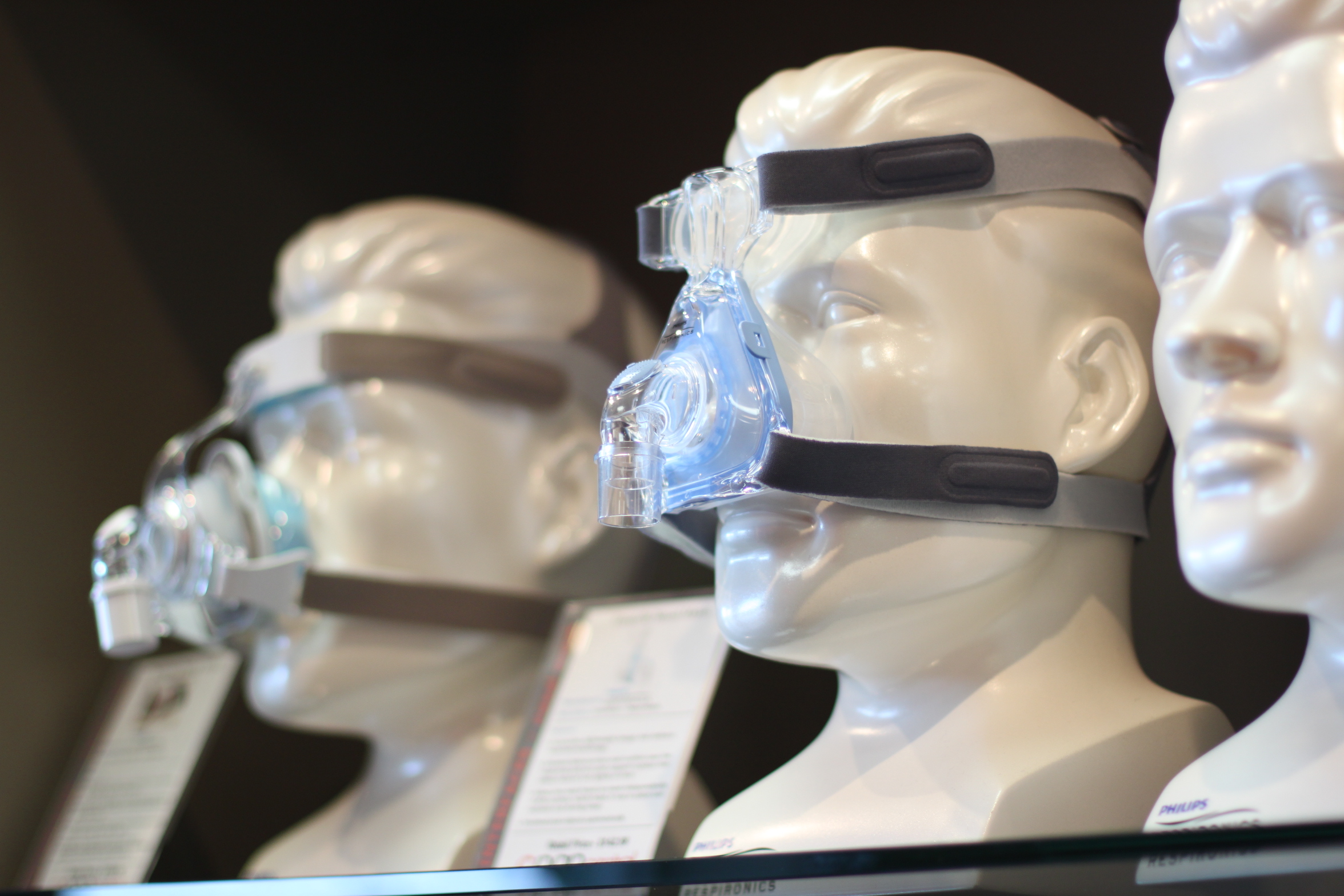
Common sensations include airflow in the nose, pressure during exhaling, slight mask marks on the face, dry mouth, or the odd feeling of sleeping with equipment nearby. These are real issues, but they are often fixable. The wrong mask can make therapy feel impossible; the right mask can make it feel routine. Nasal pillows, nasal masks, and full-face masks all fit differently, and comfort is not a luxuryit is part of treatment success.
Common CPAP Problems and Practical Fixes
Dry Nose or Dry Mouth
Dryness is one of the most common complaints. Heated humidification may help, especially in dry climates or during winter. A chin strap or full-face mask may help people who breathe through the mouth. Drinking water is useful, but drinking a gallon before bed will only create a new sleep disorder called “bathroom pilgrimage.”
Mask Leaks
A mask leak can reduce effectiveness and create annoying air jets that hit the eyes. Leaks may happen because the mask is too loose, too tight, the wrong size, or worn out. Many people overtighten the straps, which can actually worsen leaks by warping the cushion. A proper fitting session can save weeks of irritation.
Pressure Feels Too Strong
Some machines include a ramp feature that starts with lower pressure and gradually increases after the user falls asleep. Pressure relief settings may also make exhaling more comfortable. If pressure still feels unbearable, the answer is not to quit silently. The answer is to contact the sleep clinic or equipment provider and ask for help.
Claustrophobia
Mask anxiety is common. A useful strategy is daytime practice: wear the mask while reading, watching TV, or relaxing without trying to sleep. This teaches the brain that the mask is not a threat. The goal is to make the equipment boring. In sleep therapy, boring is beautiful.
Cleaning and Safety: The Unsexy Part That Matters
A PAP machine moves air into your airway every night, so basic cleaning matters. Masks, tubing, humidifier chambers, and filters should be maintained according to the manufacturer’s instructions and medical guidance. Warm water and mild soap are often part of routine cleaning. Humidifier chambers should be emptied and dried regularly, and many users are told to use distilled water to reduce mineral buildup.
Be cautious with third-party cleaning gadgets that claim to sanitize CPAP equipment with ozone or ultraviolet light. Some devices have raised safety concerns, and not every cleaning claim is backed by proper evaluation. The safest approach is to follow official device instructions and recommendations from a qualified healthcare provider.
CPAP Is Treatment, Not a Personality Test
Some people feel embarrassed about using CPAP. They worry it looks unattractive, sounds medical, or makes bedtime less romantic. But breathing well is attractive in a very practical way. So is waking up with energy, remembering where you put your keys, and not falling asleep during a conversation about dinner plans.
CPAP therapy is not a sign of failure. It is a tool. Eyeglasses help eyes focus. Hearing aids help ears process sound. PAP therapy helps the airway stay open during sleep. The machine does not define the person using it. It simply supports a body function that was getting interrupted every night.
Who Should Consider Evaluation for Sleep Apnea?
People should consider talking with a healthcare professional if they snore loudly, wake up gasping, have witnessed breathing pauses, feel excessively sleepy during the day, wake with headaches, or have high blood pressure that is difficult to control. Sleep apnea can affect people of different ages and body types, although risk may increase with factors such as excess weight, certain airway anatomy, older age, alcohol use before bed, nasal obstruction, and family history.
A diagnosis usually requires medical evaluation. Depending on symptoms and risk factors, a clinician may recommend an in-lab sleep study or a home sleep apnea test. The goal is not just to confirm snoring; it is to measure breathing patterns, oxygen changes, sleep disruption, and severity.
Alternatives and Add-On Strategies
Positive airway pressure therapy is highly effective for many people, but it is not the only tool in the sleep apnea toolbox. Oral appliances may help certain patients by repositioning the jaw or tongue. Weight management may reduce severity in some people, especially when excess weight contributes to airway narrowing. Positional therapy may help those whose apnea is worse on the back. Surgery or upper airway stimulation may be considered for selected patients who cannot tolerate PAP therapy or have specific anatomical issues.
Lifestyle adjustments can also support treatment. Limiting alcohol close to bedtime, avoiding sedatives unless prescribed, keeping a regular sleep schedule, treating nasal congestion, and creating a cooler, darker bedroom may all help sleep quality. Still, lifestyle habits should not be used as an excuse to ignore moderate or severe sleep apnea. A lavender pillow spray cannot hold your airway open, no matter how confidently the label speaks.
How to Make CPAP Easier to Stick With
The best CPAP machine is the one a person can actually use. Success often depends on details: mask fit, humidity settings, pressure comfort, hose position, cleaning habits, and follow-up support. Users should not treat the first setup as final. Sleep therapy is more like tailoring than buying a one-size-fits-all rain poncho.
Try placing the machine slightly below mattress level to reduce rainout, which is condensation in the tube. Use a hose lift or route the tubing above the pillow if you toss and turn. Replace worn cushions and filters as recommended. Track usage data if available, but do not become obsessed with every tiny number. The big question is simple: Are you breathing better, sleeping better, and functioning better?
Experiences With Fixing Human Sleep With Air Under Pressure
The experience of starting CPAP therapy often begins with disbelief. Many people do not realize how badly they have been sleeping until treatment shows them the contrast. Before PAP therapy, a typical night might include loud snoring, repeated awakenings, bathroom trips, dry mouth, and a morning feeling that sleep technically happened but did not do its job. After consistent treatment, some users describe waking up and thinking, “So this is what morning is supposed to feel like?”
One common story is the reluctant beginner. This person receives a diagnosis, picks up the machine, stares at the mask, and mentally files it under “things I never ordered from adulthood.” The first week may be awkward. The mask may whistle. The hose may tug. The user may remove the mask at 2:00 a.m. without remembering it. But with patient adjustments, a better cushion size, and a humidifier tweak, the machine becomes less like medical equipment and more like a nightly routinebrush teeth, set alarm, put on mask, become a responsible sleeping mammal.
Another experience belongs to the bed partner. For years, they may have endured heroic snoring, sudden silences, and alarming gasps. They may have nudged, pleaded, recorded audio evidence, or moved to another room. When PAP therapy works, the bedroom changes. The machine makes a soft sound, but compared with untreated sleep apnea, it can feel like trading a leaf blower for a library fan. Better sleep can improve not only the patient’s energy but also the household mood. Nobody is their best self after three years of listening for breathing pauses at 3:17 a.m.
There is also the data-motivated user, the person who checks the machine report every morning as if reviewing a tiny stock portfolio of oxygen and airflow. For them, seeing fewer apnea events can be encouraging. However, the emotional win matters too. They may notice fewer headaches, less afternoon fog, more patience with coworkers, or the sudden ability to watch a movie after dinner without disappearing into accidental unconsciousness during the opening credits.
Not every experience is instantly positive. Some users struggle with skin irritation, nasal congestion, pressure discomfort, or travel inconvenience. These frustrations are valid. A CPAP machine is not a decorative throw pillow; it requires maintenance and adaptation. Yet many problems have practical solutions. A mask liner can reduce rubbing. Heated tubing can reduce condensation. A different mask style can change everything. A pressure review can make therapy more tolerable. The key lesson from real-world CPAP use is this: discomfort is a problem to solve, not a verdict that therapy has failed.
Travel adds another chapter. Packing a PAP machine can feel like bringing a small robot on vacation, but many users learn to manage it smoothly. Travel cases, distilled water planning, extension cords, and knowledge of airline medical device rules can reduce stress. After a few trips, the machine becomes just another essential item, like glasses or medication. The reward is arriving rested enough to enjoy the trip instead of spending the first day searching for coffee with the urgency of a treasure hunter.
The most powerful experience is often quiet and ordinary: waking up clear-headed, going through the day without fighting sleep, and realizing that better breathing changed the texture of life. Air under pressure may not sound poetic, but for many people, it gives sleep back its purpose.
Conclusion
Fixing human sleep with air under pressure is not a futuristic fantasy. It is a practical, medically established approach to treating obstructive sleep apnea. CPAP, APAP, and BiPAP machines use positive airway pressure to help keep the airway open, reduce breathing interruptions, and improve sleep quality. The therapy can feel strange at first, but with the right mask, pressure settings, humidification, cleaning routine, and professional support, it can become a normal part of life.
The central message is simple: if sleep apnea is stealing your rest, oxygen, focus, mood, and mornings, do not try to tough it out with willpower and extra coffee. Get evaluated, understand your options, and treat sleep as the biological foundation it is. Sometimes the path to better sleep is not louder alarms or softer sheets. Sometimes it is a quiet machine, a well-fitted mask, and a steady stream of air doing its job while you finally get to do yours: sleep.
Note: This article is for general educational purposes only and is not a substitute for medical advice, diagnosis, or treatment. Anyone with symptoms of sleep apnea or problems using a PAP machine should consult a qualified healthcare professional or sleep specialist.