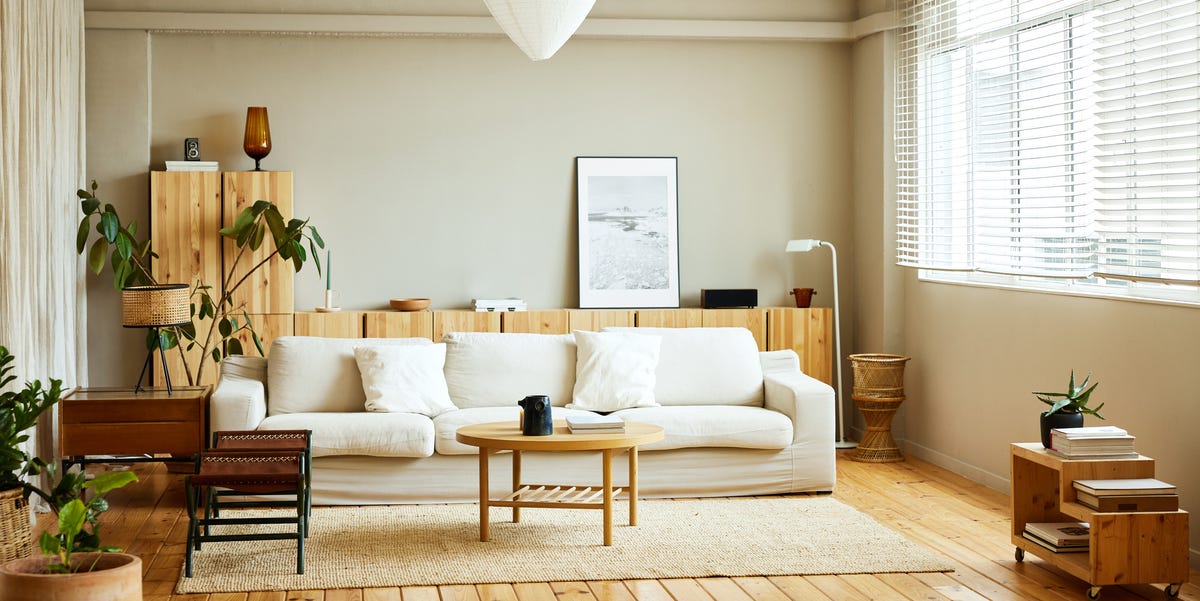
Your living room is more than the place where the remote mysteriously disappears and throw pillows multiply like rabbits. It is the social heart of the home, the landing zone after a long day, the room where guests decide whether your house feels warm, peaceful, chaotic, or vaguely like a furniture showroom having an identity crisis.
That is exactly why feng shui living room design matters. Feng shui is the ancient Chinese practice of arranging spaces to support harmony, balance, comfort, and smooth energy flow. In practical modern terms, it helps you create a room that feels good to enter, easy to move through, and pleasant to spend time in. You do not need a mansion, a waterfall wall, or a dragon statue with excellent cheekbones. You need intention, flow, proportion, and a few smart design decisions.
Below are detailed, practical, and beginner-friendly feng shui living room tips to help you create balance without turning your home into a mystical obstacle course. Think of it as interior design with better manners.
What Makes a Feng Shui Living Room Feel Balanced?
A balanced feng shui living room supports three big goals: comfort, connection, and movement. The furniture should invite people to sit and talk. The pathways should feel open, not like a maze built by someone angry at ankles. The colors, textures, lighting, and decor should work together instead of shouting over one another.
In feng shui, the living room is often associated with gathering, hospitality, and the flow of chi, or life energy. Whether you view chi spiritually, symbolically, or simply as the way a room feels, the takeaway is the same: a cramped, dark, cluttered living room drains you, while an open, warm, thoughtfully arranged space helps you relax.
Start With Decluttering: Clear Space, Clear Mood
Before buying anything new, remove what is not serving the room. Clutter is one of the biggest enemies of good feng shui because it interrupts visual calm and physical movement. A living room packed with old magazines, tangled cords, abandoned toys, and five blankets for one couch can make even beautiful furniture feel restless.
How to Declutter Without Removing Personality
Good feng shui does not mean sterile minimalism. Your living room should still look like humans live there, not like a hotel lobby waiting for a billionaire with beige preferences. The goal is to keep items that are useful, meaningful, or beautiful and give them a proper home.
Start with flat surfaces: coffee tables, media consoles, shelves, side tables, and window ledges. Remove anything broken, dusty, outdated, or emotionally heavy. Then group small decorative items in odd numbers, such as three candles or five framed photos, instead of scattering random pieces everywhere. This gives the eye a place to rest and makes the room feel organized without feeling stiff.
Place the Sofa in the Command Position
One of the most important feng shui living room layout tips is to place your main sofa in the command position. This means the sofa should allow you to see the main entrance to the room while not sitting directly in line with the door. The idea is simple: people feel more relaxed when they can see who is entering the space.
If possible, place the sofa against a solid wall. In feng shui, a wall behind the sofa represents support and stability. In everyday design language, it just feels better. A couch floating awkwardly in the middle of the room with no grounding can feel exposed, especially in a busy household.
What If Your Living Room Layout Is Awkward?
Not every home gives you a perfect wall, door angle, and sofa placement. Many living rooms come with challenges: open floor plans, oddly placed windows, narrow spaces, or the classic apartment problem where the front door practically opens into the couch’s personal space.
If you cannot place the sofa against a wall, create a sense of support with a console table behind it, a sturdy area rug beneath it, or tall plants nearby. If the sofa cannot face the entrance, use a mirror strategically so people seated there can see movement behind them. Just avoid placing mirrors where they create visual confusion or reflect clutter, because doubling the mess is not the kind of abundance anyone asked for.
Keep Pathways Open for Smooth Energy Flow
A feng shui living room should be easy to walk through. If guests have to shimmy sideways between the coffee table and sofa, the room is working too hard. Open pathways help energy, people, pets, and snack trays move without drama.
Leave enough space between furniture pieces so movement feels natural. Avoid blocking doorways, windows, and major walking routes with bulky furniture. Choose pieces that match the scale of the room. A giant sectional in a tiny living room may sound cozy, but if it swallows the entire floor plan, your room becomes less “relaxing retreat” and more “upholstered continent.”
Create Conversation-Friendly Seating
Feng shui emphasizes connection, and the living room is where that principle becomes very practical. Seating should encourage conversation instead of forcing everyone to stare at the television like it is the family oracle.
Arrange chairs and sofas so people can comfortably see one another. A U-shape or L-shape layout often works well. If your television is the main focal point, soften its dominance by adding art, plants, books, or a beautiful console arrangement nearby. The TV can stay. It just does not need to rule the room with a tiny black-screen crown.
Balance the Five Feng Shui Elements
The five feng shui elements are wood, fire, earth, metal, and water. A balanced living room usually includes a thoughtful mix of these elements through color, shape, texture, and materials. You do not need to label everything or turn decorating into a spreadsheet, but noticing what is missing can help a room feel more complete.
Wood: Growth and Vitality
Wood energy can appear through houseplants, wooden furniture, botanical prints, green tones, and vertical shapes. A healthy plant in a corner can instantly soften sharp lines and bring life into a static space.
Fire: Warmth and Energy
Fire shows up through candles, lamps, sunlight, red or warm accent colors, triangular shapes, and cozy lighting. Use it in moderation. A little fire energy makes a room feel lively; too much can make it feel overstimulating, like the living room had three espressos.
Earth: Stability and Comfort
Earth elements include warm neutrals, ceramics, clay, stone, square shapes, and low, grounding furniture. Earth tones such as beige, tan, ochre, terracotta, and soft brown can make a living room feel calm and welcoming.
Metal: Clarity and Structure
Metal appears in white, gray, metallic finishes, round shapes, and clean lines. It brings order and precision, especially in rooms that feel too visually busy. A round metal side table, brass lamp, or simple white vase can add clarity without taking over.
Water: Ease and Reflection
Water energy can be represented by dark blue, black, mirrors, glass, curved shapes, and flowing patterns. In a living room, water should feel subtle and calming. A dark blue throw, a glass coffee table, or artwork with soft movement can be enough.
Choose Feng Shui Living Room Colors With Intention
Color has a powerful effect on mood. In feng shui, colors are often connected to the five elements, but you can also think about them in practical emotional terms. Soft earth tones feel grounding. Greens feel fresh. Blues can feel calm. Reds and oranges feel energetic and social. White and gray can feel clean and clear when balanced with warmth.
For most living rooms, start with a calm foundation and add stronger colors through accents. For example, a warm beige sofa, a natural wood coffee table, green plants, brass lighting, and a few rust-colored pillows can create balance without overwhelming the space.
If your living room feels cold, add earth and fire colors through textiles, art, lamps, and wood. If it feels heavy or dark, bring in lighter colors, reflective surfaces, and better lighting. If it feels chaotic, reduce the color palette and repeat two or three key tones throughout the room.
Use Natural Light and Layered Lighting
Light is one of the fastest ways to improve living room feng shui. Natural light lifts the mood, makes colors look better, and helps a room feel more alive. Keep windows clean, use curtains that can open fully, and avoid blocking light with oversized furniture.
At night, layered lighting matters. Instead of relying on one harsh ceiling light, use a mix of table lamps, floor lamps, wall sconces, and accent lighting. This lets you adjust the mood for reading, entertaining, relaxing, or pretending you are about to read while scrolling your phone for forty-five minutes.
Add Plants, But Keep Them Healthy
Plants are a classic feng shui living room upgrade because they represent growth, vitality, and freshness. They also soften corners, improve visual texture, and make a room feel more cared for.
Place plants near windows, in empty corners, or beside seating areas where they add life without blocking movement. Choose plants that fit your light conditions and maintenance style. A thriving pothos, snake plant, jade plant, peace lily, or money tree can be lovely. A crispy brown plant leaning sadly toward the afterlife does not create great energy. Replace it, revive it, or thank it for its service and move on.
Be Careful With Mirrors
Mirrors can expand light and make a living room feel larger, but placement matters. A mirror that reflects a beautiful view, a healthy plant, or soft light can enhance the room. A mirror that reflects clutter, a bathroom door, or a chaotic entryway can make the space feel busier.
Avoid placing a mirror directly opposite the main entrance if it makes the room feel like energy is bouncing right back out. Instead, position mirrors to brighten dark corners, create depth, or reflect something pleasant. In feng shui, mirrors are powerful because they visually double whatever they reflect. So yes, choose wisely. Your laundry pile does not need a twin.
Soften Sharp Corners and Harsh Lines
Sharp edges can make a room feel tense, especially when they point directly at seating areas. Feng shui often refers to this as aggressive or cutting energy. In design terms, it simply feels uncomfortable when the corner of a table is aimed at your shin like it has unfinished business.
Choose rounded coffee tables, curved chairs, soft textiles, and layered rugs when possible. If you already have sharp furniture, soften it with plants, table runners, books, trays, or repositioning. The goal is not to remove every angle but to prevent the room from feeling severe.
Use an Area Rug to Anchor the Room
An area rug can do a lot of feng shui heavy lifting. It visually gathers furniture, creates warmth, and helps define the living room in an open floor plan. Choose a rug large enough that at least the front legs of the sofa and chairs rest on it. A tiny rug floating under the coffee table can make the room feel disconnected, like the furniture had an argument and refused to sit together.
For balance, choose a rug with colors or patterns that connect to other elements in the room. A natural fiber rug adds earth energy. A rug with soft curves adds water energy. A patterned rug with red or orange accents can bring fire energy in a controlled way.
Decorate With Meaning, Not Random Stuff
Feng shui encourages intentional decor. Choose art, photos, books, and objects that reflect the mood you want to create. If your living room is meant for family connection, include warm photos, comfortable seating, and objects that spark positive memories. If you want calm, avoid artwork that feels aggressive, lonely, or visually stressful.
This does not mean every item needs a deep spiritual backstory. Sometimes a lamp is just a lamp. But when the objects around you support the feeling you want, the whole room becomes more coherent.
Keep the Entry to the Living Room Welcoming
The entrance to your living room sets the tone. Make sure the doorway is easy to open, the path is clear, and the first view into the room is pleasant. Avoid placing the back of a bulky sofa directly against the entrance if it makes the room feel blocked. If that layout is unavoidable, soften the view with a console table, lamp, plant, or artwork.
A welcoming living room does not have to be fancy. It simply needs to feel cared for. Good lighting, a clear path, comfortable seating, and one beautiful focal point can change the entire mood.
Feng Shui Tips for Small Living Rooms
Small living rooms can have excellent feng shui when every piece has a purpose. Choose furniture with visible legs to create a sense of openness. Use storage ottomans, nesting tables, wall shelves, and slim media consoles to reduce clutter. Keep the color palette cohesive so the room does not feel visually chopped up.
Mirrors can help small spaces feel larger, but use them carefully. Plants should be scaled to the room, not so large that they become leafy roommates demanding rent. Choose one strong focal point instead of several competing ones. A small room feels bigger when the eye knows where to land.
Feng Shui Tips for Open-Concept Living Rooms
Open-concept spaces need definition. Without boundaries, the living room, dining area, kitchen, and entry can blur together. Use rugs, lighting, furniture placement, and color repetition to create zones while keeping the overall flow connected.
In an open-plan living room, the back of a sofa can act as a gentle divider. A console table behind it can make the separation feel intentional rather than accidental. Repeat materials across the space, such as wood tones, metal finishes, or accent colors, so the room feels harmonious rather than patched together.
Common Feng Shui Living Room Mistakes to Avoid
Blocking Doors or Windows
Doors and windows are important for light, air, movement, and visual openness. Keep them clear whenever possible.
Using Furniture That Is Too Large
Oversized furniture can make a room feel cramped and heavy. Choose pieces that fit the room’s proportions.
Making the TV the Only Focal Point
A living room should support connection, not just screen time. Balance the TV with art, books, plants, and conversational seating.
Ignoring Broken Items
Broken lamps, chipped decor, dead plants, and sagging furniture can create a feeling of neglect. Repair, replace, or remove them.
Overdecorating
Too many objects can make the room feel noisy. Let your favorite pieces breathe. Even beautiful decor needs personal space.
Real-Life Experience: What Actually Makes a Living Room Feel Better
In real homes, the most effective feng shui living room changes are often surprisingly simple. People sometimes assume they need to repaint the entire room, buy new furniture, or consult a compass before moving a side table two inches to the left. But in practice, balance usually begins with noticing how the room feels when you walk in.
One common experience is the “almost comfortable” living room. Everything looks fine in photos, but nobody wants to sit there for long. The sofa may face away from the entrance, the coffee table may be too close, the lighting may be too harsh, or the room may have no soft textures. Once the sofa is repositioned, a rug is added, and a lamp replaces the interrogation-style overhead light, the space suddenly feels human again.
Another familiar situation is the living room that becomes a storage unit with cushions. Mail lands on the console. Toys collect under the chair. Exercise equipment migrates into the corner “temporarily” and celebrates its third anniversary there. When clutter builds up, the room stops feeling like a place to rest. A weekly reset can completely change the energy: clear surfaces, fold blankets, water plants, return stray items, and open the curtains. Ten minutes can make the room feel as if it took a deep breath.
Color changes also create noticeable results. A living room filled only with gray, black, and metal can feel sleek but emotionally chilly. Adding wood, warm white lighting, textured pillows, plants, or terracotta accents can make it feel grounded and welcoming. On the other hand, a room overloaded with bright colors, busy patterns, and loud artwork can feel overstimulating. Reducing the palette and repeating a few calmer tones can make the space more peaceful without making it boring.
Plants are another real-world game changer, as long as they are healthy and well placed. A tall plant in an empty corner can soften the room instantly. A small plant on a coffee table can add freshness. But too many plants can create clutter, and neglected plants can make a room feel sad. Feng shui works best when it matches real life. If you travel often or forget watering schedules, choose low-maintenance plants or realistic botanical artwork instead.
The biggest lesson from applying feng shui living room tips is that balance is personal. A home with children, pets, guests, and movie nights will not look like a meditation retreat, and it does not need to. The best feng shui living room supports the people who actually live there. It offers comfort, clear movement, good light, meaningful decor, and a layout that makes people feel safe and welcome. When the room works for your daily life, the energy improves naturally. No incense emergency required.
Conclusion
Creating a balanced feng shui living room is not about following rigid rules or chasing perfection. It is about designing a space that supports comfort, connection, and calm. Start by clearing clutter, placing the sofa in a supportive position, keeping pathways open, balancing the five elements, and choosing colors that match the mood you want.
Then layer in natural light, healthy plants, meaningful decor, soft textures, and furniture that fits the room. The best feng shui living room feels welcoming the moment you enter. It gives people a comfortable place to gather, breathe, talk, rest, and occasionally search for the missing remote with dignity.
When your living room feels balanced, your home feels more balanced too. And that is the real magic: not superstition, not perfection, but a room that quietly helps you feel better every day.