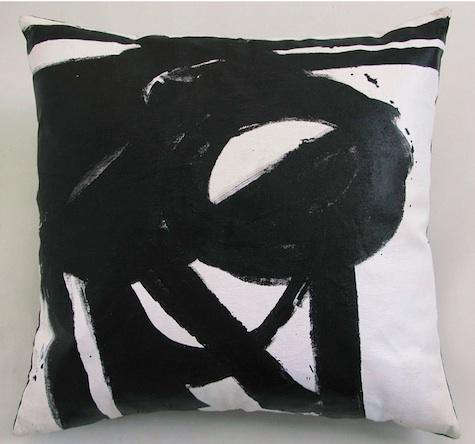
Some pillows sit politely on the sofa and mind their business. Wary Meyers painting pillows do not. They arrive with brushstrokes, attitude, art-school confidence, and the kind of decorative energy that says, “Yes, I belong on this couch, and no, I will not be matching the curtains.”
The phrase Fabrics & Linens: Wary Meyers Painting Pillows points to a small but memorable design moment: hand-painted cotton canvas pillows created by the husband-and-wife design team Linda and John Meyers. Known as Wary Meyers, the Maine-based duo built a cult following through color, wit, vintage references, interiors, soaps, candles, and objects that feel both handmade and highly curated. Their painting pillows took the idea of decorative cushions and gave it a clever twist: instead of simply printing art onto fabric, they treated the pillow like a soft canvas.
The result was part textile design, part fine-art joke, part living-room upgrade. Imagine abstract expressionism leaving the gallery wall, taking off its serious black turtleneck, and flopping onto your sofa. That is the charm of Wary Meyers painting pillows.
Who Are Wary Meyers?
Wary Meyers is the creative world of Linda and John Meyers, partners in life and design. Linda’s background as a designer and art director blends beautifully with John’s experience as a visual artist and display director. Together, they developed a design language that is colorful, nostalgic, witty, and refreshingly unafraid of the unusual.
Before becoming especially known for handmade soaps and scented candles, Wary Meyers had a strong presence in interiors, decorative objects, repurposed design, and home accessories. Their work often draws from vintage modernism, 1960s and 1970s color palettes, thrifted treasures, and a deep love of objects with personality. In short, they are the kind of designers who can look at a forgotten flea-market find and see not junk, but potential. Most of us see an old chair and think, “That needs a trash pickup.” Wary Meyers sees a conversation piece.
Their book, Wary Meyers’ Tossed & Found: Unconventional Design from Cast-Offs, reflects that same spirit. It celebrates the idea that discarded materials can become clever, useful, and beautiful objects. That philosophy also helps explain why the painting pillows feel so engaging: they are not merely accessories. They are design ideas with seams.
What Makes Wary Meyers Painting Pillows Special?
The original Wary Meyers painting pillows were introduced as a series sometimes described as “Off the Wall and Onto the Sofa.” That phrase says almost everything you need to know. These pillows were inspired by famous abstract expressionist painters and translated into functional home textiles.
The pillows were made from cotton canvas, sewn by Linda Meyers, and hand-painted by John Meyers using pliable acrylic paint. Each pillow measured about 18 inches square, a classic throw pillow size that works well on sofas, lounge chairs, benches, and beds. They were filled with a goose-down-and-feather insert, then finished with backs made from tactile materials such as corduroy or velvet.
That combination matters. Cotton canvas offers structure and a painterly surface. Acrylic paint creates bold, expressive marks. Velvet and corduroy add softness and contrast. Down and feather fill gives the pillow that relaxed, sink-in quality that decorators love. It is not just a painted square of fabric; it is a carefully considered object.
The Art Inspiration: Abstract Expressionism Meets the Sofa
Wary Meyers painting pillows drew inspiration from artists such as Willem de Kooning, Jackson Pollock, Franz Kline, and Robert Motherwell. These names are associated with abstract expressionism, a movement known for energetic brushwork, bold composition, emotional intensity, and the sense that the paint itself is doing half the talking.
On a canvas in a museum, abstract expressionism can feel grand, dramatic, and occasionally intimidating. On a pillow, it becomes approachable. You do not need a climate-controlled gallery or a curator whispering nearby. You can simply toss the pillow on your sofa, admire the brushstrokes, and still have somewhere comfortable to lean during a movie.
This is where Wary Meyers’ humor comes in. The pillows are not cheap copies of famous paintings. They are playful reinterpretations. They borrow the energy of fine art and relocate it into everyday domestic life. It is a smart design move because it challenges the old divide between “serious art” and “home decor.” Why should a wall have all the fun?
Why Cotton Canvas Works So Well for Painted Pillows
Cotton canvas is a natural choice for painted textile projects because it is sturdy, tightly woven, and capable of holding pigment. Compared with delicate linen or slippery satin, canvas offers a more reliable surface for expressive brushwork. It can handle strong gestures, layered color, and graphic shapes without feeling too precious.
For decorative pillows, cotton canvas also has a casual charm. It feels honest and practical. It does not pretend to be silk. It says, “I am durable, useful, and ready to sit next to a coffee table book.” When painted by hand, canvas gains even more character because the texture of the weave interacts with the movement of the brush.
That textured surface is important. A smooth printed pillow can look polished, but a hand-painted canvas pillow has evidence of the maker’s hand. You can see the gesture. You can sense the timing. The object feels more alive because it contains slight imperfections, and those imperfections are exactly what make it interesting.
The Role of Linen, Velvet, Corduroy, and Texture
Although the Wary Meyers painting pillows were primarily cotton canvas on the front, the broader conversation around fabrics and linens is essential. Decorative pillows succeed when they balance pattern, material, and touch. A painted canvas front becomes even more appealing when paired with a soft backing like velvet or a ribbed material like corduroy.
Velvet brings depth. It catches light, softens strong graphics, and adds a little luxury without requiring the sofa to wear a crown. Corduroy brings rhythm and warmth. Its ridged texture feels casual, vintage, and slightly academic, like the fabric equivalent of a professor who knows how to make a good cocktail.
Linen also belongs in this discussion because linen pillows are beloved for their relaxed elegance. Linen wrinkles, yes, but it wrinkles with confidence. A linen sofa pillow next to a painted canvas pillow can create a balanced arrangement: airy, natural texture on one side; bold painted energy on the other. That is how a room starts to feel layered rather than staged.
How to Style Wary Meyers Painting Pillows at Home
The easiest way to style a painting pillow is to treat it like the star of the room. Not the only star, perhaps, but definitely the one with the best agent. Because these pillows use expressive color and bold composition, they work best when given a little breathing space.
1. Use One as a Statement Pillow
Place a single painted pillow on a neutral sofa, lounge chair, or bed. This lets the brushwork stand out without competing against too many patterns. A cream, charcoal, tan, navy, or olive sofa can make an abstract pillow look intentional and sharp.
2. Pair It With Solid Textures
If your painting pillow has several colors, pair it with solid pillows in linen, velvet, boucle, or cotton. Choose shades already present in the painting. For example, if the pillow includes black, white, mustard, and red, try adding a plain black linen pillow and a muted gold velvet cushion. Suddenly the sofa looks designed, not accidentally assembled during a sale.
3. Mix Art With Vintage Pieces
Wary Meyers’ work often has a vintage-modern sensibility, so these pillows look especially good with midcentury furniture, thrifted lamps, sculptural ceramics, old wood, and graphic rugs. A painted pillow can bridge different eras in a room, making a vintage chair feel fresh or a plain modern sofa feel more personal.
4. Let the Pillow Talk to the Wall Art
If you already have abstract art on the wall, a painted pillow can echo its colors or shapes. The trick is not to match too perfectly. A little conversation is good; a full costume party is not necessary. Let the pillow and artwork feel related, like cousins who both inherited the dramatic gene.
Why Handmade Pillows Feel Different
Handmade home textiles carry a different emotional weight from mass-produced decor. A factory-made pillow can be attractive, useful, and affordable, but a hand-painted pillow contains visible decisions. Someone selected the fabric, mixed or chose the paint, moved the brush, judged the composition, stitched the cover, and completed the object.
That process creates intimacy. It also creates variation. No two hand-painted pillows are exactly alike, which means the owner gets something closer to a small artwork than a standard accessory. In an age when many homes are filled with identical online purchases, handmade pieces help a room feel specific.
This is one reason Wary Meyers painting pillows continue to be interesting even years after their introduction. They represent a design approach that still feels relevant: make useful objects with imagination, use materials thoughtfully, and never underestimate the power of a little visual surprise.
Painting Pillows as Functional Art
Functional art is a tricky category. If something is too functional, it may lose its artistic edge. If it is too artistic, people become afraid to use it. Wary Meyers painting pillows sit nicely in the middle. They are decorative enough to be admired, but familiar enough to be used in everyday rooms.
The pillow format is especially clever because it lowers the pressure around art ownership. Buying an original painting can feel intimidating, expensive, and emotionally complicated. Where will it hang? Is the wall big enough? What if guests ask what it “means” and you panic? A painting pillow avoids most of that drama. It can move from sofa to bed to reading chair. It can refresh a room without requiring a ladder, a level, or a tiny argument about nail holes.
At the same time, a painted pillow invites people to think differently about textiles. Fabric is not just background. It can hold color, gesture, composition, and humor. It can be artful while still being touchable.
Care Tips for Painted Fabric Pillows
Painted pillows should be treated with care, especially when the surface is hand-painted. The safest approach is usually spot cleaning, gentle handling, and avoiding harsh scrubbing. Even when pliable acrylic paint or fabric medium is used, the painted surface is still more delicate than an ordinary woven pattern.
If a pillow has a removable insert, take it out before cleaning the cover. Use a soft cloth, mild detergent, and cool water to dab stains gently. Do not twist, soak, bleach, or attack the pillow like it insulted your family. For down-and-feather inserts, follow the care label carefully. Some inserts can be washed, but they must be dried thoroughly to prevent clumping or odor.
Keep painted pillows out of prolonged direct sunlight when possible. Strong light can fade textiles and paint over time. Rotate pillows occasionally so one side is not always exposed. And if you have pets, toddlers, or snack-loving adults, consider placing handmade art pillows in lower-risk zones. Decorative pillows are brave, but they are not invincible.
How to Get the Wary Meyers Look Today
The original Wary Meyers painting pillows may not always be easy to find, especially because Wary Meyers is now better known for soaps, candles, and scent-driven design objects. However, the look still offers plenty of inspiration for modern interiors.
To get a similar effect, search for hand-painted pillows, abstract canvas pillows, artist-made cushions, or textile art pillows. Look for pieces with visible brushwork rather than flat digital prints. Cotton canvas, linen blends, heavy cotton, and upholstery-weight fabrics tend to work best for this style because they have enough body to support painted designs.
You can also commission a textile artist or try a DIY version. If painting your own pillow cover, use fabric paint or acrylic paint mixed with an appropriate textile medium. Test the paint on a fabric scrap first, allow proper drying time, and heat-set only if the product instructions recommend it. The goal is a flexible painted surface that does not crack the first time someone leans against it.
Design Lessons From Wary Meyers Painting Pillows
The most valuable lesson from Wary Meyers painting pillows is simple: decor does not have to be dull to be livable. A pillow can be practical and witty. A sofa can be comfortable and visually interesting. A room can reference fine art without becoming stiff.
These pillows also remind us that scale matters. A huge abstract painting can dominate a room, but an 18-inch pillow offers a smaller, easier way to introduce color and movement. It is a low-commitment design experiment. If you love it, build the room around it. If you tire of it, move it somewhere else. Try doing that with a six-foot canvas.
Another lesson is the importance of material contrast. Painted cotton canvas gains warmth when backed with velvet or corduroy. Bold pattern looks better when paired with quiet solids. Handmade objects shine when surrounded by textures that support them instead of shouting over them.
Why These Pillows Still Matter
Design trends come and go, but the idea behind Wary Meyers painting pillows still feels fresh. Today, many people want homes that look personal, collected, and expressive. They are tired of rooms that feel copied from a showroom. They want objects with story, humor, and evidence of human touch.
Wary Meyers understood that long before “personalized interiors” became a buzz phrase. Their painting pillows brought together art history, craft, comfort, and playfulness in one compact object. They proved that a pillow can do more than fill a corner of the couch. It can start a conversation.
And honestly, that is the dream. A good decorative pillow supports your back. A great one supports your personality.
Experience Notes: Living With Artful Fabrics and Painted Pillows
There is a special kind of joy in bringing an art-inspired pillow into a real home. Not a perfectly lit catalog room. Not a museum-like living room where nobody eats crackers. A real home, where books pile up, coffee tables collect remotes, and the sofa occasionally becomes a laundry waiting room. In that setting, a painted pillow can work like a small design reset button.
One practical experience with bold fabric pillows is that they often look more dramatic online than they do in person. That is not a bad thing. In a room, strong patterns are softened by surrounding textures: the grain of wood, the matte finish of walls, the weave of a rug, the shadows near a window. A Wary Meyers-style painting pillow may seem daring at first, but once placed on a sofa, it usually becomes the piece that makes everything else look more intentional.
The best way to introduce one is to start with the color you already have. If your room includes warm wood, brass, tan leather, or cream upholstery, choose a pillow with earthy tones, black accents, or warm abstract marks. If your space leans cooler with gray, blue, chrome, or white, look for stronger contrast: black-and-white brushwork, blue gestures, or graphic shapes. The pillow should add energy, not behave like a decorative fire alarm.
Another lesson is that texture can rescue almost any bold choice. A painted canvas pillow beside a plain linen pillow feels relaxed. Next to velvet, it feels richer. Beside corduroy, it gets a vintage wink. Add a nubby throw blanket, and suddenly the whole arrangement looks layered rather than loud. This is the magic formula: bold surface plus quiet texture equals style with manners.
Care is also part of the experience. Handmade or hand-painted pillows should not be treated like ordinary bargain-bin cushions. They deserve a little respect. I would not place one where a dog sleeps after rolling in mysterious backyard perfume. I would not hand one to a toddler with blueberries. I would not use it as a dinner tray, even though life is full of temptations. Instead, use it where it can be seen, touched lightly, and enjoyed without daily disaster.
For people who love DIY, painted pillows are an accessible project, but patience matters. Wash and dry the fabric first if the material allows it. Iron the cover so the surface is smooth. Place cardboard inside the cover before painting so color does not bleed through. Use thin layers rather than heavy blobs. Allow the paint to cure fully. The pillow may look finished before it is ready for use, but rushing fabric paint is how good intentions become crunchy regrets.
What makes the Wary Meyers approach so appealing is not just the finished object. It is the attitude. The pillows suggest that home decor can be clever without being cold, artistic without being fragile, and humorous without becoming gimmicky. They encourage people to look at fabrics and linens as creative surfaces, not just background materials.
In everyday decorating, that mindset is incredibly useful. A room does not need to be perfect. It needs rhythm, contrast, comfort, and a few moments of surprise. A painted pillow can provide all four in one square foot of fabric. It can wake up an old chair, sharpen a neutral sofa, make a guest room feel curated, or give a reading nook a little gallery energy.
The real experience of living with artful pillows is this: they make you notice your space again. You walk into the room, see the brushstroke, the color, the texture, and suddenly the sofa is not just furniture. It is part of a composition. That is a lot of work for one pillow, but the good ones are overachievers.
Conclusion
Fabrics & Linens: Wary Meyers Painting Pillows is more than a niche design reference. It is a reminder that the best home accessories often live between categories. These pillows are part cushion, part canvas, part art-history wink, and part handmade textile experiment. By using cotton canvas, pliable acrylic paint, down-and-feather inserts, and tactile backs like velvet or corduroy, Wary Meyers turned the ordinary throw pillow into something far more memorable.
For homeowners, decorators, collectors, and design lovers, the lesson is wonderfully simple: do not underestimate small objects. A single pillow can shift the mood of a room, introduce color, show personality, and make a sofa feel less like a furniture purchase and more like a point of view. If your living room needs a little courage, a painted pillow may be the softest possible way to start.
Note: This article is written for web publication as original editorial content based on real design information, textile knowledge, and home decor best practices.