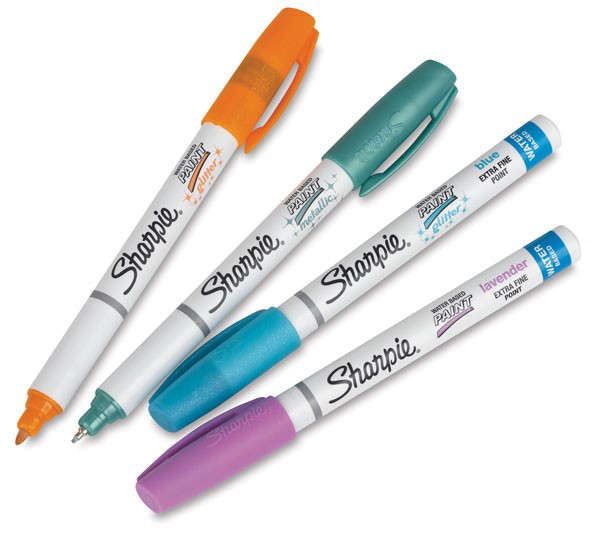
If you have ever stared at a poster board, a storefront window, or a scrapbook page and thought, “This needs more drama,” the Extra Bold Point Sharpie Water-Based Paint Makermore commonly sold as a markersteps onto the stage like a Broadway understudy who has waited all year for this moment. It is big, bright, unapologetically visible, and made for people who want their words and designs to be seen from more than three inches away.
That is really the appeal here. This is not the tiny, whispery marker you use for labeling leftovers or writing your name on a folder. This is the marker you reach for when you want thick lines, opaque color, and a paint-like finish without wrestling with a brush, a palette, and the emotional damage of a spilled jar of paint. In practical terms, the extra bold point version of Sharpie’s water-based paint marker line is best known for poster work, signs, window art, scrapbooking, and creative projects that need vivid impact fast.
For crafters, teachers, visual merchandisers, event planners, and the kind of person who turns a birthday sign into an Olympic event, this marker lives in a very useful middle ground. It feels more expressive than a standard marker, less messy than bottled paint, and more approachable than some industrial paint pens that seem to come with an unspoken warning label and a personality problem.
What Is the Extra Bold Point Sharpie Water-Based Paint Maker?
The product sits in Sharpie’s water-based paint marker family, a line designed for colorful, opaque marks that show up clearly on both light and dark backgrounds. The extra bold point version is all about width and visibility. Instead of delicate detail, it leans into thick, assertive strokes that are ideal for posters, headline lettering, classroom signs, window decorations, and eye-catching craft projects.
One of the biggest reasons this marker stands out is its formula. Sharpie positions it as water-based, acid-free, archival-quality, and AP-certified. That matters more than it sounds at first glance. A water-based formula makes the experience friendlier for everyday art and craft use. Acid-free and archival-quality qualities make it more appealing for paper projects that you want to keep looking good over time. AP certification adds peace of mind for general use because that seal is associated with art materials certified as non-toxic when used as intended.
In other words, this is not just a loud marker. It is a loud marker with manners.
Why the Extra Bold Point Matters
Tip size is the whole game here. A fine or extra-fine paint marker is great when you are adding details, tracing small shapes, or writing on gift tags without accidentally turning the word “Congrats” into a white rectangle. But an extra bold point is built for scale. It creates thick, readable lines that can carry a headline across poster board or window glass without looking timid.
That makes this version especially useful for visual communication. If you are making a sale sign, a classroom display, a welcome board for an event, or a holiday window drawing, you want a tool that covers space quickly and still leaves a solid, opaque result. The extra bold point does that better than a skinny craft pen ever could. It is basically the difference between speaking into a microphone and whispering into a throw pillow.
There is also a comfort factor. Bigger lettering tools can feel more natural when your design is meant to be loose, graphic, and energetic. Instead of fussing over tiny precision, you can focus on spacing, balance, and flow. That makes the marker surprisingly forgiving for people who want hand-lettered results without needing calligraphy-level patience.
What Makes This Marker Useful for Real Projects?
1. Poster Boards and Signs
This is where the product earns its keep. The opaque paint-like ink helps lettering pop, and the broader tip makes headlines easier to build. For school projects, event signage, yard-sale boards, party displays, or promotional posters, the marker gives strong coverage and a more polished appearance than a standard felt-tip marker. It also helps that the ink is formulated not to bleed through heavyweight paper, which is exactly the kind of detail you appreciate after ruining one side of a project at 11:47 p.m.
2. Window Art
Sharpie’s official positioning for the water-based paint marker line highlights window designs, and that makes sense. The marker is known for bold, visible marks and removability from glass, which is a sweet combination for temporary displays. Seasonal storefront art, holiday messages, party decor on mirrors, and home window doodles are all strong use cases. You get the visibility of paint with a little less commitment than a marker that wants to live on that surface forever.
3. Scrapbooking and Paper Crafts
The acid-free and archival-quality angle gives this marker extra credibility in paper crafting. If you are making scrapbook titles, poster-style journaling blocks, mixed-media pages, or large hand-lettered headings, the extra bold point creates emphasis quickly. It is not the right choice for tiny captions, but for large visual titles and decorative emphasis, it has personality to spare.
4. Classroom and Event Displays
Teachers and event organizers often need one thing above all else: speed. A marker that lays down thick color fast is a practical tool when you are making welcome signs, table labels, instruction boards, activity posters, or celebratory banners. The broader tip means fewer passes, less hand fatigue, and fewer opportunities to mutter darkly at poster board.
How It Performs on Different Surfaces
On heavyweight paper and poster board, the Extra Bold Point Sharpie Water-Based Paint Maker is in its comfort zone. The marker is designed to deliver thick lines without the kind of bleed-through that can sabotage display work. That makes it a smart fit for signs, headers, visual project titles, and bold graphic shapes.
On glass, it becomes especially interesting. Because the water-based paint marker line is described as removable from glass, it works well for temporary window art, menu boards on glass, party messages, or decorative seasonal designs. That removable nature is a feature, not a flaw, when the goal is flexibility. Nobody wants Valentine’s Day hearts still clinging to the kitchen window in June like emotionally unavailable glitter.
On dark surfaces, the opaque paint formula gives it a visibility advantage over ordinary markers. That is one of the reasons crafters like paint markers in the first place. The color can sit on top of the surface rather than soaking in and disappearing into visual sadness.
Still, it is worth keeping expectations realistic. This particular water-based extra bold format is most convincingly positioned for posters, paper crafts, signs, and glass decoration. If your project involves hard-use outdoor surfaces, constant rubbing, or industrial-level permanence, a Sharpie oil-based paint marker is usually the more appropriate branch of the family tree.
Water-Based vs. Oil-Based vs. Newer Acrylic Creative Markers
One reason shoppers get confused is that Sharpie now has multiple marker personalities in the room, and they do not all behave the same way.
The water-based extra bold paint marker is best understood as a poster-and-display specialist. It offers thick opaque marks, paper-friendly performance, and easy removal from glass. It is strong for temporary decoration, paper-based creativity, and bold sign work.
Sharpie oil-based paint markers are more about durable, permanent marking on hard surfaces such as wood, metal, pottery, and plastic. They are often described as quick-drying, opaque, and resistant to water, fading, and abrasion. If you want something tougher and more permanent, especially on non-paper surfaces, oil-based is usually the better fit.
Sharpie Creative markers, the newer water-based acrylic style, are marketed differently again. They are designed for broad creative use on paper, metal, wood, ceramic, glass, rock, canvas, and more, with no priming required and colors that layer well. They feel more like an art-system expansion than a direct replacement for the extra bold poster paint marker.
So the smart buying question is not, “Which Sharpie paint marker is best?” It is, “What am I trying to make?” If the answer is bold posters, readable signs, scrapbook titles, or removable window art, the extra bold water-based option makes excellent sense.
Strengths That Make It Worth Buying
Bold visibility: The extra bold point is the hero feature. It helps your lettering and shapes read clearly from a distance.
Opaque color: Paint-style opacity gives better coverage than many standard markers, particularly on dark or colored backgrounds.
Paper-friendly performance: The formula is intended not to bleed through heavyweight paper, which is a big practical advantage for presentation work.
Craft-friendly formula: Acid-free and archival-quality characteristics are appealing for scrapbookers and paper crafters who care about longevity.
Glass flexibility: The ability to remove it from glass makes it useful for temporary displays and seasonal decor.
Safer everyday use profile: AP certification is a reassuring detail for households, classrooms, and art spaces using materials as directed.
Limitations You Should Know Before Buying
No product is magic, and this one is not a unicorn in marker form. The extra bold point gives you width, but it does not give you fine detail. If your project needs tiny lettering or crisp miniature line work, you will want a finer tip.
It is also not the best choice for fabric, since retailer listings specifically warn against that use. And while it performs well in the poster, paper, and display lane, it is not the marker to choose when you need rugged, long-term durability on hard-use surfaces. That is where oil-based options step up.
Finally, broad paint markers can feel a bit like driving a pickup truck in a tight parking garage if your lettering style is naturally small. If you tend to write tiny and neat, this marker may force you to loosen up. Honestly, that might be good for you.
Tips for Getting the Best Results
Use it where size helps
Think titles, headings, labels, bold outlines, and graphic blocks of color. Let the marker do the job it was born to do.
Choose the right surface
Poster board, heavyweight paper, glass, and display-friendly materials are your safest bets. Match the marker to the mission.
Test first on decorative surfaces
If you are working on a special project, especially on glass or coated stock, make a quick test mark first. It is faster than regret.
Pair it with smaller tools
Many of the best-looking projects use an extra bold marker for the main headline and a finer marker for supporting details. Let each tip size play its position.
Think in layers of information
Use the extra bold point for what people need to notice first: sale percentages, event names, section labels, or visual emphasis. That is how you turn a marker into a communication tool instead of just a colorful object in a drawer.
Who Should Buy the Extra Bold Point Sharpie Water-Based Paint Maker?
This marker is a strong pick for teachers, students, crafters, scrapbookers, small business owners making signs, event decorators, and anyone who loves bold lettering without a complicated setup. It is also ideal for people who want the look of paint but would rather not spend their afternoon cleaning brushes and wondering how blue ended up on the ceiling.
It is less ideal for artists who need precision detail, makers who want to decorate fabric, or shoppers who need industrial-strength permanence on outdoor materials. In those cases, another marker style would simply make more sense.
Final Verdict
The Extra Bold Point Sharpie Water-Based Paint Maker earns its place by doing one job extremely well: creating bold, opaque, attention-grabbing marks for signs, posters, paper crafts, and temporary glass art. Its water-based formula makes it more approachable than harsher paint markers, while features like archival quality, acid-free ink, AP certification, and reduced bleed-through on heavyweight paper make it more thoughtful than a basic novelty pen.
What really sells it, though, is how practical it feels. This is a marker for visible ideas. It helps ordinary projects look more intentional, more graphic, and more polished. If you need a broad, paint-style marker that can move quickly from classroom displays to party decor to scrapbook headings, this Sharpie is a very good fit. It will not replace every pen in your drawer, but it might become the one you grab whenever your project needs less whisper and more entrance music.
Experience: Using the Extra Bold Point Sharpie Water-Based Paint Maker in Real Life
Using this marker feels a little different from using a standard Sharpie, and that difference is exactly the point. The first thing most people notice is the line weight. You do not have to fight for visibility. A single stroke already looks like a decision has been made. That makes the marker feel satisfying right away, especially if you are used to regular markers that need multiple passes before they finally look confident.
In a real poster-making session, the extra bold point is a time-saver. Large title text comes together quickly, and thick outlines look intentional instead of shaky. If you are making a classroom anchor chart, a bake-sale sign, a welcome board, or a party backdrop, the marker helps you move faster because you are not constantly filling in patchy letters. The visual payoff is immediate. Your words look bold and readable, and your project starts feeling finished much earlier in the process.
It is also enjoyable for window art because it gives you that paint-marker drama without feeling like you have committed to a lifelong relationship with the glass. Seasonal doodles, simple lettering, stars, flowers, party messages, or holiday countdowns all benefit from the thick stroke. The mark feels visible and playful, especially from across the room. For people decorating windows at home or dressing up a storefront, that combination of visibility and temporary use is a huge advantage.
On paper crafts, the experience depends on how you use it. This is not the marker for tiny captions or delicate line drawings. It shines when you let it be big: headers, title blocks, chunky banners, oversized arrows, graphic borders, and bold handwritten words. Scrapbookers who like expressive typography may really enjoy it for page titles. It gives layouts an instant focal point, almost like adding a tiny poster inside the page.
There is also something psychologically helpful about using a broad marker. It encourages confidence. Small-tipped pens invite hesitation because every tiny wobble shows. An extra bold tip is more forgiving. It wants larger gestures and clearer decisions. That can actually help beginners create better-looking lettering because they stop fussing over microscopic perfection and start thinking about composition, spacing, and rhythm.
Of course, the marker works best when expectations match the tool. If someone buys it hoping for fine detail, they may feel like they brought a marching band to a chess match. But if they buy it for bold headlines, visible messages, or decorative display work, it feels wonderfully on target. It makes ordinary sign-making more polished, more fun, and frankly a lot less annoying. That is a pretty nice trick for one marker.