Note: This article is for educational purposes only and is written for a general U.S. audience. It is not a substitute for medical, mental health, legal, or financial advice. Gambling is intended only for adults where legal, and anyone under the legal age should not gamble.
When “Just for Fun” Starts Feeling Not So Fun
Gambling can begin as harmless entertainment: a friendly card game, a lottery ticket, a casino night, or a sports bet placed by an adult in a legal setting. For many people, that is where it stays. They set a limit, enjoy the moment, and move on with life. The problem begins when gambling stops acting like a guest and starts acting like a roommate who eats your snacks, uses your Wi-Fi, and somehow knows your banking password.
The question “Ever worry about your gambling?” is simple, but it opens the door to something important. Worry is often the first honest signal that gambling may be taking up too much space. You may not have lost everything. You may not fit the dramatic movie version of addiction. You may still be working, parenting, studying, paying bills, and looking perfectly fine from the outside. But if gambling is causing anxiety, secrecy, money stress, relationship strain, or repeated promises to stop “after one more time,” the concern deserves attention.
Problem gambling, also called gambling disorder when it reaches clinical levels, is not about weak character or bad math. It is a behavioral health condition involving repeated gambling despite negative consequences. It can affect mood, sleep, finances, family trust, work performance, and self-respect. The good news is that recognizing the pattern early can make recovery easier. You do not need to wait until your life looks like a cautionary documentary with sad piano music.
What Is Problem Gambling?
Problem gambling describes gambling behavior that causes harm or distress, even if it does not meet the full criteria for gambling disorder. Gambling disorder is more severe and involves persistent betting or wagering that continues despite serious problems. Health organizations describe it as a condition where a person struggles to control gambling urges, chases losses, hides gambling, risks important relationships or opportunities, or depends on others to solve gambling-related financial trouble.
That last part matters. Gambling harm is rarely limited to money. Yes, the bank account may get punched first, but the aftershocks can hit everywhere: missed work, arguments at home, unpaid bills, guilt, sleep problems, irritability, and isolation. A person may start gambling to relax, then feel stressed because of gambling, then gamble again to escape the stress. That loop is not a strategy; it is a treadmill wearing a fake mustache.
Common Warning Signs of Gambling Trouble
Worrying about gambling does not automatically mean someone has a disorder. Still, certain warning signs should be taken seriously. One major sign is loss of control: setting a budget and repeatedly breaking it, planning to stop after one bet but continuing, or telling yourself the next win will fix everything.
Another warning sign is chasing losses. This happens when someone keeps gambling to win back money already lost. It feels logical in the moment, but it usually increases the damage. The brain says, “We are one good outcome away from being fine.” The math says, “Please stop letting the brain operate heavy machinery.”
Secrecy is also important. Hiding receipts, deleting apps or messages, lying about where money went, or minimizing losses can suggest gambling has moved from entertainment to problem territory. Other red flags include borrowing money to gamble, using credit cards or loans for betting, neglecting responsibilities, feeling restless when trying to stop, or gambling when angry, lonely, bored, or stressed.
Why Gambling Can Become So Hard to Stop
Gambling is powerful because it mixes risk, anticipation, emotion, and intermittent reward. The possibility of winning keeps the brain engaged, especially when wins arrive unpredictably. That “maybe this time” feeling can become unusually sticky. It is similar to checking your phone for a message that may or may not arrive, except the phone is also attached to your rent money.
Modern gambling can intensify this effect. Online access, fast transactions, constant advertising, live odds, and casino-style design can make gambling feel available all the time. Instead of needing to drive somewhere, an adult in a legal gambling state may be able to access betting from a couch, lunch break, or bed at 1:07 a.m. That convenience can blur the line between occasional entertainment and compulsive behavior.
Stress also plays a role. Some people gamble to change how they feel: to escape pressure, boredom, sadness, or frustration. Others gamble for excitement or a sense of control. But the relief is usually temporary. When gambling creates more stress, the person may return to gambling for relief again. This cycle can become self-reinforcing unless interrupted.
A Simple Self-Check: Questions Worth Asking
You do not need a formal diagnosis to ask yourself honest questions. A brief self-check can help you decide whether to seek support. Consider the past 12 months:
- Have you felt restless, anxious, or irritable when trying to cut back or stop gambling?
- Have you tried to hide how much you gambled from family or friends?
- Have gambling losses caused financial trouble that required help from someone else?
- Have you gambled to escape stress, sadness, anger, or boredom?
- Have you repeatedly promised yourself you would stop, then returned to gambling?
- Have you risked relationships, school, work, or responsibilities because of gambling?
A “yes” answer does not make you a bad person. It means the pattern deserves attention. Screening tools are not meant to shame anyone; they are like smoke alarms. Nobody gets mad at a smoke alarm for being dramatic. You check the kitchen.
The Financial Side: Why “Small Bets” Can Become Big Problems
One reason gambling problems sneak up on people is that the early numbers can look small. A few dollars here, a weekend bet there, a quick deposit after payday. But frequency matters. Small losses repeated often can become serious financial strain. Add credit cards, cash advances, loans, or borrowed money, and the situation can escalate quickly.
Financial harm also affects decision-making. When someone feels desperate to recover losses, they may take bigger risks. This is one of the most dangerous moments in problem gambling. The goal shifts from entertainment to rescue. Unfortunately, gambling is not a financial recovery plan. It is not a savings account with flashing lights. It is risk dressed up as possibility.
A practical first step is to separate gambling from access to money. This may include removing saved payment methods, asking a trusted adult or financial professional to help review accounts, setting bank-level restrictions where available, or using self-exclusion tools. For adults, these actions are not signs of weakness. They are seatbelts.
The Emotional Side: Shame, Secrecy, and the “Double Life” Feeling
People with gambling problems often describe feeling split in two. One part of them knows gambling is causing harm. Another part believes the next bet will fix the harm. This creates shame, and shame often leads to secrecy. Secrecy then makes the problem harder to discuss, and the silence becomes another burden.
It helps to understand that shame is a terrible coach. It yells, it points, it keeps terrible notes, and it never brings snacks. Support works better. Talking to a trusted person, therapist, counselor, support group, or gambling helpline can reduce isolation and create a plan. The first conversation may feel uncomfortable, but it often breaks the spell of secrecy.
How Problem Gambling Affects Families and Friends
Gambling harm can ripple through relationships. Loved ones may feel confused, angry, worried, or betrayed. They may notice mood changes, missing money, unexplained debt, broken promises, or emotional distance. Some families enter a cycle of rescuing the gambler financially, only to see the same crisis return.
Support does not mean ignoring consequences. Healthy support may involve encouraging treatment, protecting shared finances, setting boundaries, refusing to cover gambling debts repeatedly, and getting help for the family’s own stress. A loved one can care deeply while still saying, “I will not help fund the behavior that is hurting you.” That sentence may feel harsh, but it can be loving and necessary.
Treatment and Recovery: What Actually Helps?
Problem gambling can improve with the right support. Cognitive behavioral therapy, often called CBT, is one of the best-studied approaches. It helps people identify gambling triggers, challenge distorted beliefs, manage urges, and build healthier coping skills. For example, CBT may help someone notice thoughts like “I am due for a win” or “I can solve this with one big bet” and replace them with more realistic thinking.
Motivational interviewing can also help, especially when a person feels unsure about changing. Instead of lecturing, it explores the person’s own reasons for wanting life to be different. Support groups can provide community and accountability. Financial counseling may help with debt plans, budgeting, and practical safeguards.
Medication is not usually the first step for everyone, but a clinician may consider it in certain cases, especially when gambling occurs alongside depression, anxiety, substance use, or another mental health condition. The key is a professional evaluation. Gambling problems often travel with emotional stress, and treating the whole picture matters.
Self-Exclusion and Digital Barriers
Self-exclusion programs allow adults to voluntarily block themselves from gambling venues or online gambling platforms where available. These tools are not magic, but they create friction. Friction is useful because urges rise and fall. If gambling is too easy to access during a short emotional spike, harm can happen quickly. A barrier can create enough time for the urge to pass.
Other barriers may include deleting gambling apps, blocking gambling websites, turning off promotional emails, avoiding gambling-related social media, and limiting exposure to friends or environments centered on betting. The goal is not to prove willpower in a room full of triggers. The goal is to design an environment where recovery has a fighting chance.
What to Do Today If You Are Worried
If gambling is worrying you, begin with a small but real action today. Write down how much time and money gambling has cost in the past month. Not the “creative accounting” version. The actual number. Then write down what gambling has affected: sleep, mood, family trust, school, work, savings, or peace of mind.
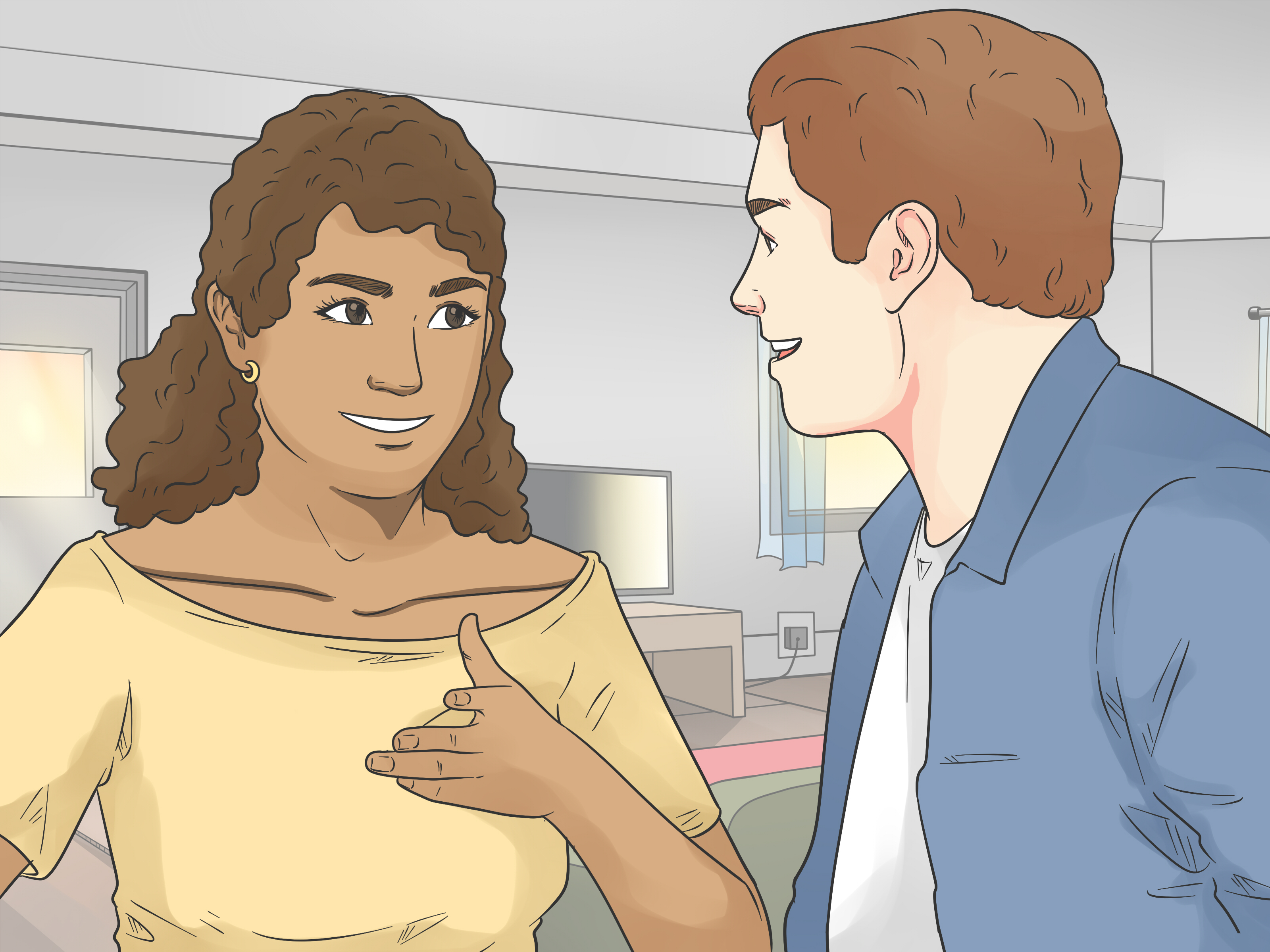
Next, tell one safe person. Choose someone who can respond with steadiness rather than gossip or panic. You might say, “I am worried gambling is becoming a problem, and I need help making a plan.” That sentence is simple, but it can be powerful.
Adults in the U.S. can contact the National Problem Gambling Helpline for confidential support by phone, text, or chat. Mental health and addiction treatment resources can also be found through national and state treatment locators. If there is immediate danger or someone may be harmed, emergency help should be contacted right away.
How to Help Someone Else Who May Have a Gambling Problem
Start with concern, not accusation. “I’ve noticed you seem stressed after gambling, and I’m worried about you” usually works better than “You are ruining everything.” The second sentence may be true in someone’s worst week, but it often triggers defensiveness. The goal is to open a door, not throw a chair through it.
Be specific about what you have observed: unpaid bills, borrowing money, mood swings, secrecy, or missed responsibilities. Avoid arguing about whether gambling is “really” a problem. Instead, focus on impact. If the behavior is causing harm, that harm deserves attention.
Do not lend money without a plan. Covering debts may feel compassionate, but it can unintentionally keep the gambling cycle alive. Encourage professional support, offer to sit with the person while they contact a helpline, and consider getting support for yourself too.
Prevention: Keeping Gambling From Taking Over
For adults who choose to gamble legally and want to reduce risk, boundaries matter. Decide in advance how much time and money can be spent, and treat that amount as the cost of entertainment, not an investment. Never gamble with money needed for food, rent, tuition, transportation, medical care, or bills. Never borrow to gamble. Never chase losses. And if gambling stops being fun, stop.
For teens and young adults, the safest message is clearer: do not gamble. The developing brain is especially sensitive to reward, risk, peer pressure, and digital design. Early exposure to gambling-like products can normalize risky behavior. Entertainment should not require risking money or hiding behavior from adults who care about you.
Recovery Is Not About Being Perfect
Recovery from problem gambling is not always a straight line. Some people stop quickly. Others need several attempts, different supports, or treatment for related stress. A slip does not erase progress, but it should be taken seriously. The question is not “How do I become perfect by Thursday?” The better question is “What support and structure will make the next healthy choice easier?”
People recover by building a life that gambling no longer dominates. That may mean reconnecting with family, repairing finances, finding new hobbies, treating anxiety or depression, exercising, sleeping better, joining support groups, or learning to tolerate boredom without turning it into a financial emergency.
Experience Section: What Gambling Worry Can Look Like in Real Life
The following examples are composite experiences, meaning they are realistic patterns rather than stories about specific individuals. They show how gambling worry can appear in everyday life before it becomes obvious to everyone else.
The “I Only Bet on Big Games” Adult
At first, the betting happened only during major sports events. It felt social, exciting, and limited. Then the person started following smaller games, checking odds during lunch, and feeling annoyed when family plans interrupted game time. Losses were explained as bad luck. Wins were treated as proof of skill. Over time, the person stopped watching sports for enjoyment and started watching only to monitor bets. The fun had quietly turned into a job, except the job charged fees and ruined dinner.
The “Lottery Ticket Routine”
Another person bought lottery tickets on the way home from work. One ticket became five. Five became a weekly ritual. When money got tight, they told themselves the ticket purchase was small compared with bigger bills. But the habit grew. They began imagining winnings as the solution to debt, repairs, and family stress. The dream became emotionally important, which made stopping feel like giving up hope. In reality, the hope needed a safer address: budgeting help, debt support, and honest conversations.
The “Secret App” Pattern
In another common experience, gambling moved onto a phone. The person could gamble privately, quickly, and often. Nobody saw the casino, because there was no casino building. The phone became the casino. Deposits happened during stressful moments. Losses were hidden. Promotional messages pulled the person back after attempts to stop. Eventually, the person realized the app was not entertainment anymore. It was a button they pressed when they felt uncomfortable.
The Family Member Who Notices First
Sometimes the first person to worry is not the gambler. A spouse, parent, sibling, or friend may notice missing money, mood changes, defensiveness, or sudden secrecy. They may feel unsure whether to speak up. They may worry about sounding controlling. But silence can allow harm to grow. A calm conversation can help: “I care about you, and I’m worried gambling is hurting you. Can we talk about what’s been happening?”
The Moment That Changes Everything
For many people, change begins with a small moment of clarity. It might be looking at a bank statement. It might be lying to someone they love and realizing they hate how that feels. It might be losing sleep after another “last time.” It might be answering yes to a screening question. The moment does not have to be dramatic. It only has to be honest.
From there, the next steps are practical: block access, talk to someone trustworthy, contact support, protect money, and get evaluated by a qualified professional. Recovery is not built from one heroic speech. It is built from repeated ordinary actions that make gambling less available and life more available.
Conclusion: Worry Is a Signal, Not a Sentence
If you worry about your gambling, listen to that concern. Worry does not mean you have failed. It means part of you is still paying attention. Gambling problems thrive in secrecy, speed, and shame. They weaken when exposed to honesty, support, structure, and time.
The most important step is not to label yourself. It is to interrupt the pattern. Take a self-check. Talk to someone safe. Put barriers between yourself and gambling access. Seek professional help when needed. Protect your money, relationships, sleep, and future. A bet should never become the boss of your life. Frankly, your life deserves better management than a roulette wheel with confidence issues.
Whether gambling has become a mild concern or a serious problem, help is available. The earlier you act, the more options you have. And if today is the day you admit, “Yes, I am worried,” that is not the end of the story. It may be the first useful sentence in a much better chapter.