Note: This publication-ready article is based on current U.S. HVAC, energy-efficiency, thermostat, and heat pump guidance. Source links are intentionally omitted as requested.
There are few winter mysteries more confusing than the tiny words on a thermostat. “Heat” makes sense. “Cool” is obvious. “Fan” is friendly enough. But then there is Emergency Heat, sitting there like a dramatic red button in a movie. Should you press it when the house feels chilly? Is it stronger heat? Faster heat? Does it summon a tiny furnace superhero from inside the wall?
Not exactly. The emergency heat setting, often shown as “EM Heat” or “Emergency Heat,” is a backup heating mode used mainly with heat pump systems. It matters because choosing the wrong setting can affect comfort, equipment performance, and your energy bill. Used correctly, emergency heat can keep your home safe and warm when your main heat pump is not working. Used casually, it can turn your utility bill into a horror story wearing fuzzy socks.
This guide explains what emergency heat does, how it differs from auxiliary heat, when to use it, when not to use it, and how homeowners can stay warm without wasting energy.
What Is the Emergency Heat Setting?
The emergency heat setting is a manual thermostat mode that tells your heating system to stop relying on the outdoor heat pump and use only the backup heat source. In many homes, that backup source is electric resistance heat strips inside the indoor air handler. In some dual-fuel systems, the backup may be a gas furnace, oil furnace, or another secondary heating source.
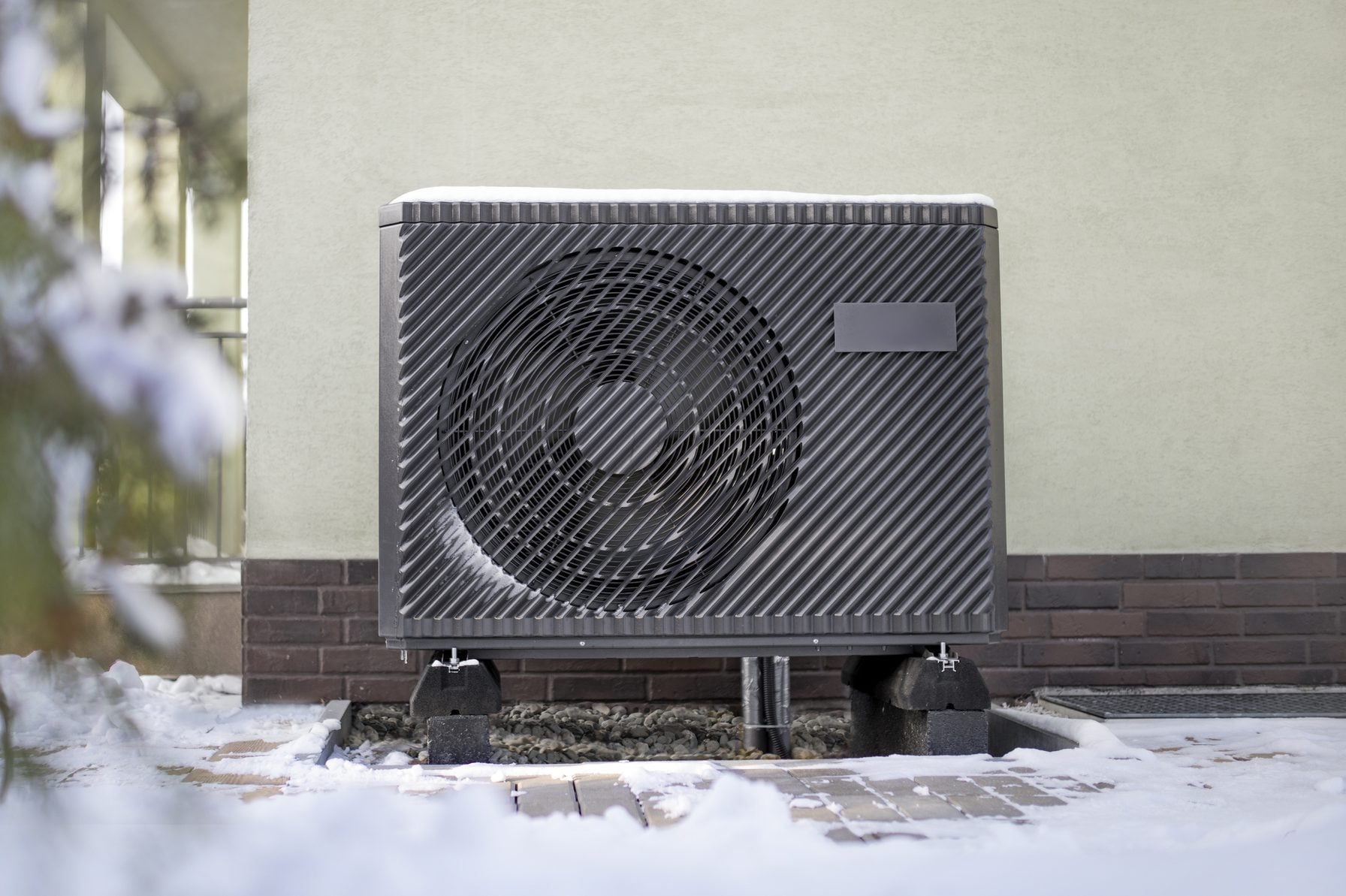
A heat pump works differently from a traditional furnace. Instead of creating heat by burning fuel, it moves heat from outside air into your home. Yes, even cold air contains heat energy. Modern heat pumps can work impressively well in low temperatures, especially newer cold-climate models. But under certain conditions, the outdoor unit may struggle, ice up, malfunction, or stop working. That is when emergency heat can become useful.
When you switch to emergency heat, the system bypasses the heat pump. The backup heat takes over so your home does not keep getting colder while you wait for service. In plain English: emergency heat is not “extra cozy mode.” It is “something is wrong, but we still need warmth” mode.
Emergency Heat vs. Auxiliary Heat: They Are Not the Same Thing
One of the biggest thermostat misunderstandings is the difference between auxiliary heat and emergency heat. The two can use the same backup heating equipment, but they are controlled differently.
Auxiliary heat turns on automatically
Auxiliary heat, often shown as “AUX Heat,” is automatic. Your thermostat may activate auxiliary heat when the heat pump needs help. This can happen during very cold weather, after a large thermostat increase, or during recovery from a setback. For example, if you raise the thermostat from 62°F to 70°F all at once on a freezing morning, the system may decide the heat pump needs backup support.
Auxiliary heat works alongside the heat pump. The thermostat manages it for you. You do not usually need to touch anything.
Emergency heat is a manual setting
Emergency heat is different. It is selected manually at the thermostat. Instead of helping the heat pump, it bypasses the heat pump and runs the backup heat source by itself. That is why it should be used only when the heat pump is not operating properly or when an HVAC professional tells you to use it temporarily.
Think of auxiliary heat as a helper. Think of emergency heat as the spare tire. A spare tire is very useful when you need it. But you would not drive across the country on it just because it looks serious.
Why the Emergency Heat Setting Matters
The emergency heat setting matters because it changes how your entire heating system operates. That small thermostat selection can influence comfort, energy use, repair timing, and even system wear.
It can keep your home warm during a heat pump failure
The most important benefit of emergency heat is protection. If the outdoor heat pump stops working, the indoor temperature can fall quickly during cold weather. Emergency heat gives you a temporary way to maintain warmth until the system can be inspected or repaired.
This can be especially important for households with young children, older adults, pets, or anyone sensitive to cold indoor temperatures. It can also help protect plumbing in cold climates where indoor temperatures dropping too low may increase the risk of frozen pipes.
It can cost much more to run
In many homes, emergency heat relies on electric resistance heat strips. Electric resistance heat works, but it is usually much less efficient than heat pump operation. A heat pump moves heat; electric resistance heat creates heat directly. That difference can show up fast on an electric bill.
If your thermostat is set to emergency heat for several days when it does not need to be, you may still feel warm, but your wallet may need a blanket. This is why homeowners should not use emergency heat just because the outdoor temperature is low. If the heat pump is working, let the thermostat manage normal heat and auxiliary heat automatically.
It can help prevent equipment damage in special situations
In rare cases, emergency heat may be useful if the outdoor unit is covered in heavy ice or physically unable to operate safely. For example, freezing rain may cause ice buildup around the outdoor coil or fan. If the fan cannot spin freely, running the heat pump may create a risk of damage. In that situation, switching to emergency heat and calling an HVAC technician is smarter than hoping the ice magically becomes polite.
However, light frost on a heat pump is normal in winter. Heat pumps have defrost cycles designed to manage frost. The concern is heavy ice, unusual noises, a stopped fan, no heat, or visible damage.
When Should You Use Emergency Heat?
You should use the emergency heat setting only when there is a real reason. Here are the most common situations where it makes sense.
1. Your heat pump is blowing cold air and not recovering
Heat pumps may blow air that feels cooler than furnace air, even when they are heating correctly. But if the air is truly cold, the indoor temperature keeps dropping, and the system never catches up, something may be wrong. Emergency heat can keep the home warm while you schedule service.
2. The outdoor unit is not running
If the thermostat calls for heat but the outdoor unit does not turn on, the heat pump may have an electrical issue, control problem, failed component, or another malfunction. Emergency heat can act as a temporary backup.
3. The outdoor unit is iced over
A thin layer of frost is normal. A block of ice is not. If the outdoor unit is heavily iced, do not chip it aggressively with tools. That can damage the coil or fins. Switch to emergency heat if needed, turn off the heat pump operation, and call a professional.
4. An HVAC technician tells you to use it
Sometimes the best thermostat advice comes from the person who has already diagnosed your system. If a technician says to run emergency heat until a part arrives, follow that instruction. The setting exists for exactly this type of temporary situation.
When Not to Use Emergency Heat
Emergency heat is often misunderstood as a “warmer” setting. It is not. In most cases, it should not be your first reaction to cold weather.
Do not use it just because it is freezing outside
A properly working heat pump is designed to heat in cold weather. Older systems may need more auxiliary support, and newer cold-climate heat pumps may perform well at surprisingly low outdoor temperatures. Either way, the thermostat should handle backup heating automatically unless the system is failing.
Do not use it to heat the house faster
Cranking the thermostat up or switching to emergency heat does not always warm your home faster in a useful way. It may simply force the system to use more expensive backup heat. If your home is chilly, raise the temperature gradually and give the system time to work.
Do not leave it on after repairs
If you used emergency heat during a breakdown, remember to switch back to normal “Heat” mode after the heat pump is repaired. This sounds obvious, but many homeowners forget. The thermostat will not tap you on the shoulder and say, “Excuse me, we are still spending extra money.”
How Emergency Heat Affects Your Energy Bill
The cost impact depends on your backup heat source, utility rates, home insulation, climate, and system design. But in many electric heat pump systems, emergency heat can be noticeably more expensive than normal heat pump operation.
Why? Because electric resistance backup heat uses electricity to create heat directly. A heat pump, by contrast, uses electricity to move heat. Under normal conditions, moving heat is much more efficient than creating it from scratch.
Imagine carrying groceries from the car instead of buying the same groceries again at the front door. The heat pump is the grocery carrier. Emergency heat is buying the groceries again. Both get food into the kitchen, but one method is clearly more economical.
This does not mean emergency heat is bad. It means it is specialized. It is there for comfort and safety when the regular system cannot do its job.
Thermostat Habits That Reduce Unnecessary Backup Heat
Good thermostat habits can help your heat pump run efficiently and avoid unnecessary auxiliary or emergency heat use.
Keep temperature changes moderate
Large thermostat jumps can trigger backup heat. If you want the house warmer, increase the setting by one or two degrees at a time instead of making a dramatic leap. Your thermostat is not impressed by ambition; it responds to demand.
Be careful with deep setbacks
Traditional advice often suggests lowering the thermostat significantly at night or when away. That can save energy with some heating systems, but heat pumps are more sensitive to recovery demands. If the temperature drops too far, the system may use auxiliary heat to catch up quickly.
For many heat pump homes, a smaller setback may work better than a big swing. A smart thermostat designed for heat pumps can also help manage recovery more efficiently.
Use a heat-pump-compatible thermostat
Not every thermostat is ideal for every system. A thermostat that is not configured correctly may cause backup heat to run too often or fail to control stages properly. If you recently replaced a thermostat and your bills suddenly jumped, the thermostat setup deserves attention.
Signs Your Heat Pump Needs Service
If you find yourself reaching for emergency heat, your heating system may be asking for help. Watch for these warning signs:
- The outdoor unit does not start in heating mode.
- The system runs constantly but the home keeps getting colder.
- You see heavy ice buildup on the outdoor unit.
- The thermostat frequently shows auxiliary heat during mild weather.
- You hear grinding, buzzing, rattling, or loud fan noises.
- Airflow from vents is weak or uneven.
- Your energy bill rises sharply without a clear reason.
Some problems are simple, such as a clogged filter or blocked outdoor unit. Others require professional diagnosis. Either way, do not ignore repeated emergency heat use. It is a symptom, not a lifestyle choice.
Simple Maintenance Tips to Stay Warm Without Overusing Emergency Heat
Maintenance is the boring hero of home comfort. It does not wear a cape, but it can save money and prevent cold-night panic.
Change or clean air filters
A dirty filter restricts airflow. Poor airflow makes the system work harder and may reduce heating performance. Check your filter regularly during heating season and replace or clean it according to manufacturer recommendations.
Keep the outdoor unit clear
Leaves, snow, ice, and debris can restrict the outdoor heat pump. Keep the area around the unit clear so air can move freely. After a storm, check that the unit is not buried or blocked.
Schedule professional tune-ups
A seasonal inspection can catch issues before they become winter emergencies. A technician can check refrigerant charge, electrical components, defrost operation, thermostat settings, airflow, and overall system performance.
Seal leaks and improve insulation
Your heating system should not have to fight the entire outdoors. Air sealing, attic insulation, weatherstripping, and duct sealing can help your home hold heat longer. The less heat your home loses, the less often backup heat may be needed.
Common Myths About Emergency Heat
Myth 1: Emergency heat is the hottest setting
Emergency heat may feel warmer at the vents in some systems, especially if electric heat strips are running. But it is not a comfort upgrade. It is a backup mode for system trouble.
Myth 2: You should switch to emergency heat whenever temperatures drop below freezing
Not necessarily. Many heat pumps are designed to operate below freezing. Your thermostat should activate auxiliary heat automatically if help is needed.
Myth 3: Emergency heat and auxiliary heat are identical
They may use the same backup hardware, but the operation is different. Auxiliary heat assists the heat pump automatically. Emergency heat bypasses the heat pump manually.
Myth 4: Leaving emergency heat on will not make much difference
It can make a big difference, especially with electric resistance backup heat. If emergency heat is left on unnecessarily, the energy cost can rise quickly.
Real-World Example: The Cold Morning Thermostat Mistake
Picture this: It is 6:30 a.m., the kitchen floor feels like a skating rink, and someone in the house mutters, “Why is it so cold in here?” The thermostat is set to 64°F overnight. In a heroic but questionable move, someone raises it to 74°F. The heat pump sees a huge temperature gap and calls in backup heat. The house warms up, but the electric meter starts spinning like it has had too much coffee.
A better approach would be a smaller temperature change, such as raising the setting to 67°F or 68°F, then adjusting gradually. If comfort is a daily problem, improving insulation, checking airflow, or using a smart thermostat schedule may solve more than dramatic thermostat jumps.
What to Do If You Must Turn On Emergency Heat
If you truly need emergency heat, take a few practical steps.
- Switch the thermostat to Emergency Heat. This should activate the backup heating source.
- Check that warm air is coming from the vents. Give the system a few minutes to respond.
- Look at the outdoor unit from a safe distance. Note ice buildup, strange sounds, or whether the fan is stopped.
- Call an HVAC professional. Emergency heat is temporary, not the final repair.
- Switch back to normal Heat mode after service. Do not forget this step.
Extra Experiences and Practical Lessons About Emergency Heat
Homeowners usually learn about emergency heat in one of two ways: calmly reading the thermostat manual like a responsible adult, or frantically pressing buttons during the coldest night of the year while wearing three hoodies and questioning every life decision. The second method is more common, but the first is less dramatic.
One practical experience many heat pump owners share is that emergency heat often becomes confusing because the house still gets warm when it is on. That warmth can create a false sense that the setting is better. A homeowner may think, “The vents feel hotter, so this must be the correct winter setting.” In reality, the system may simply be using a more expensive backup source. Comfort improves in the short term, but the bill later explains the plot twist.
Another common experience happens after ice storms. A homeowner notices the outdoor unit covered in ice and hears the fan trying to run. In this case, emergency heat can be a smart temporary choice. The key word is temporary. The homeowner should not attack the ice with a hammer, shovel, screwdriver, or any tool that makes an HVAC technician wince from miles away. The safer move is to use emergency heat for warmth, shut down heat pump operation if needed, and schedule service.
Many people also discover that thermostat setbacks behave differently with heat pumps than with older furnaces. A gas furnace may recover quickly from a big overnight temperature drop. A heat pump may recover more slowly and may call for auxiliary heat if the gap is large. That does not mean setbacks are always bad. It means the strategy should match the system. A modest setback may be more efficient than a deep one, especially in very cold weather.
Smart thermostats can help, but only when correctly installed and configured. A smart thermostat that does not understand the heat pump’s staging, balance point, or auxiliary heat settings may create new problems with a very modern touchscreen. Homeowners replacing a thermostat should verify compatibility with heat pumps, auxiliary heat, and emergency heat. The smartest thermostat in the world is not helpful if it is confidently configured wrong.
A useful homeowner habit is to test heating before winter becomes serious. Turn on normal heat during a mild fall day and confirm that warm air flows, the outdoor unit operates, and the thermostat behaves normally. This simple check can prevent the classic first-freeze surprise, where the system waits until guests arrive and the temperature drops to announce that it has chosen retirement.
Another experience worth remembering is that airflow matters more than people think. A clogged filter, closed vents, blocked return grille, or furniture sitting over a vent can make a heat pump seem weak. Before assuming the worst, check the basics. Replace the filter, open supply vents, clear returns, and make sure the outdoor unit has room to breathe. Sometimes the “major heating emergency” is actually a filter that looks like it has been collecting dust since the invention of Wi-Fi.
Finally, emergency heat teaches an important lesson about home comfort: the thermostat is only one part of the system. Insulation, air sealing, duct condition, equipment sizing, maintenance, and thermostat habits all work together. When those pieces are in good shape, emergency heat stays where it belongs: available, understood, and rarely used.
Conclusion: Use Emergency Heat Like a Safety Tool, Not a Shortcut
The emergency heat setting matters because it can protect your comfort when your heat pump cannot do its job. It is valuable, practical, and sometimes necessary. But it is not meant for everyday heating, faster warmups, or casual cold-weather use.
In normal operation, your heat pump should run in standard Heat mode, with auxiliary heat turning on automatically when needed. Emergency heat should be reserved for equipment failure, heavy outdoor-unit icing, or professional instruction. Use it wisely, schedule repairs quickly, and switch back to normal heat once the problem is fixed.
That little thermostat setting may look simple, but it carries a big responsibility. Treat it like a backup plan, and it will help keep your home warm when winter decides to be dramatic.