Every era gets the home it deserves. The 2010s gave us shiplap fever. The early 2020s handed us bouclé, curved furniture, and enough beige to make a latte blush. Then came quiet luxury: the polished, whisper-soft, expensive-looking interior style that promised timeless elegance and delivered… a lot of rooms that looked like they were afraid of fingerprints.
By 2025, many designers had clearly reached their limit. Not with quality, craftsmanship, or beautiful restraint, of course. Those things never go out of style. What pros were increasingly over was the copy-and-paste version of quiet luxury: pale walls, pale sofas, pale rugs, pale wood, pale art, and just enough personality to say, “Someone once visited a showroom.”
That shift matters because homeowners are changing, too. People want homes that feel warm, layered, useful, and lived in. They want spaces with stories, not just spaces with matching throw pillows and a coffee table book nobody opens. In other words, the interior style design pros are increasingly over in 2025 is not simple elegance itself. It is the overly safe, overly beige, ultra-curated quiet luxury look that started to feel more sterile than sophisticated.
So, What Exactly Is the Style Designers Are Tired Of?
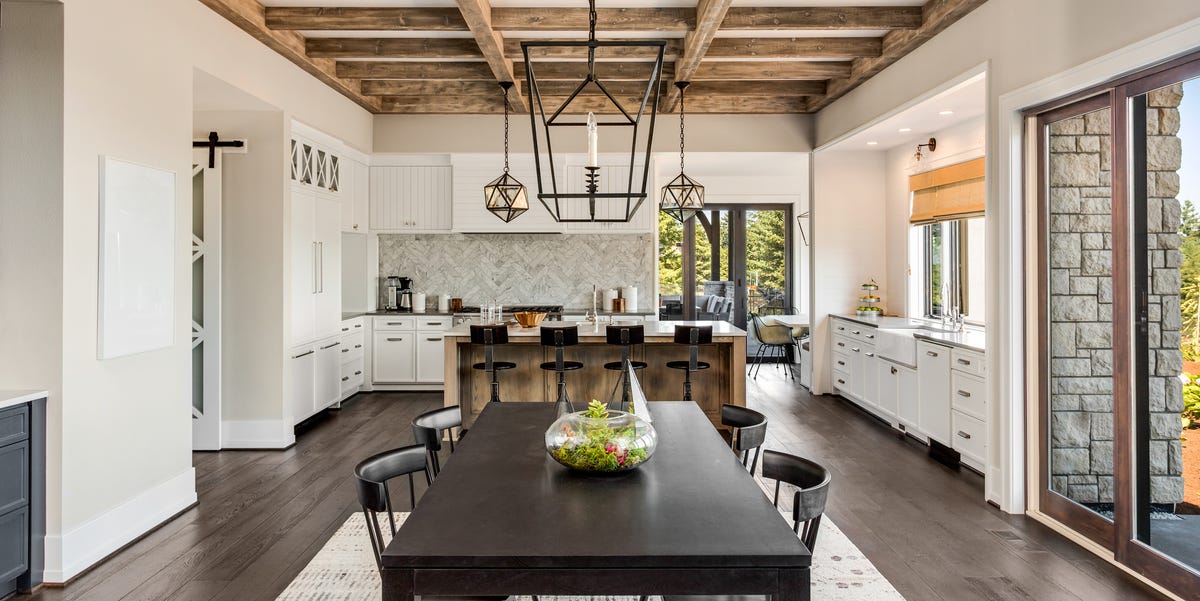
Let’s name names: it is the watered-down version of quiet luxury interiors. This look usually leans on creamy whites, soft taupes, smooth stone, light oak, boucle upholstery, minimal styling, and a carefully edited palette that tries very hard not to offend anyone. On paper, that sounds lovely. In reality, it often turns into a room with the emotional range of an airport lounge.
To be fair, quiet luxury started with a solid idea. The original concept celebrated quality over flash, timeless materials over trend-chasing, and comfort over clutter. That is not the problem. The problem showed up when social media grabbed the steering wheel and drove the trend into a ditch made entirely of beige upholstery and fluted side tables.
Once the look became easy to imitate, it also became easy to flatten. Homeowners stopped asking, “Does this feel like me?” and started asking, “Does this look expensive online?” That is usually how a design style goes from aspirational to exhausted.
Why Design Pros Are Over It in 2025
1. It Started to Feel Generic
The biggest complaint is not that quiet luxury is ugly. It is that the trend became too generic. When every living room starts wearing the same oatmeal sweater, even the nicest details lose their charm. A home should reflect the people living in it, not just the last 40 saved photos on a mood board.
Designers increasingly want rooms to feel collected instead of purchased in one heroic afternoon. They are pushing back against spaces where everything matches a little too neatly, every finish is ultra-safe, and every object seems chosen by an algorithm that fears joy.
2. The All-White Look Is Losing Its Shine
Another reason this interior style feels tired in 2025 is its obsession with pale, monochrome rooms. All-white kitchens, near-white bedrooms, and beige-on-beige living spaces can look clean at first glance, but they often lack depth. Even worse, they can make a home feel cold, flat, or weirdly untouchable.
That polished emptiness worked for a while because it photographed well. But real life is not a staged listing photo. Real life has pets, kids, backpacks, coffee mugs, hobby supplies, and that one chair that somehow becomes a laundry ambassador. Designers know that rooms need warmth and flexibility, not just visual silence.
3. It Can Look Expensive Without Feeling Rich
There is also a growing backlash against what could be called “budget quiet luxury theater.” You know the vibe: faux marble everything, trendy light oak veneers, looped fabrics, and decorative objects that signal refinement without actually adding character. It is the design equivalent of ordering sparkling water and acting like it is a personality.
Pros are moving away from that because true luxury in interiors is not just about appearance. It is about texture, craftsmanship, comfort, longevity, and individuality. A room is not luxurious simply because it is neutral and softly lit. Sometimes it is just… beige with ambition.
4. Homeowners Want More Personality Now
Perhaps the biggest reason the style is losing favor is emotional. People want homes that feel personal again. After years of streamlined, cautious decorating, there is renewed interest in rooms that carry memory, humor, and contrast. Vintage finds, meaningful art, collected books, richer paint colors, heirloom wood tones, and pattern are all making spaces feel more human.
That does not mean everyone is rushing into visual chaos. It means the pendulum is swinging from sterile perfection toward layered interiors that look like someone actually lives there and likes themselves.
The Design Elements That Make This Style Feel Dated
If a home is starting to feel suspiciously like a luxury rental lobby, a few repeat offenders may be to blame.
Monochrome Neutrals
A room with one note can be calming. A room with only one note can also feel unfinished. The all-cream, all-beige palette is the fastest way to drain personality from a space. Designers in 2025 are favoring warmer neutrals with depth, including mushroom, camel, olive, cocoa, clay, and earthy browns.
Perfectly Matched Furniture
Matching sets make a room feel easy, but not necessarily elevated. When every wood tone, silhouette, and finish is identical, the room starts to feel less collected and more “buy the whole bundle and save 15 percent.” Character often comes from a mix of shapes, eras, and textures.
Too Much Bouclé and Soft Curves
Bouclé had a blockbuster run. Curvy chairs and cloud-like sofas did, too. But when every room starts looking like a marshmallow convention, the effect loses its freshness. Designers are not banning softness; they are simply asking for more balance. A tactile room works best when plush textures mingle with wood, leather, linen, metal, and stone.
Cold Gray and Sterile Finishes
Gray-heavy interiors, gray floors, and cool undertones are increasingly being replaced by warmer, more grounded choices. Homes feel better when materials look natural and age gracefully. The design world has remembered that warmth is not the enemy of sophistication.
Decor That Looks Like It Came in a Starter Pack
Minimal vases, abstract beige art, ribbed lamps, one tiny olive tree in the corner, and a stack of unread fashion books can still work in the right room. But when every home uses the exact same formula, the effect becomes stale. Design pros want homeowners to edit with intention, not decorate by checklist.
What Designers Prefer Instead in 2025
Here is the good news: the replacement for tired quiet luxury is not “buy louder stuff and panic.” The shift is more thoughtful than that.
Warm, Rich, Livable Color
Instead of flat white and chilly gray, designers are embracing earthy greens, tobacco, terracotta, chocolate, aubergine, ochre, deep blue, and layered neutrals that carry more warmth. These shades make rooms feel grounded and intentional without turning them into a circus tent.
Texture With Contrast
Homes are getting more tactile. Think linen drapery with darker woods, matte walls with glossy ceramic lamps, vintage rugs over hardwood, stone paired with woven elements, and upholstery that feels inviting rather than overly precious. The goal is visual depth, not clutter.
Vintage and Collected Pieces
One of the biggest upgrades to any room is something that does not look brand new. Vintage furniture, antiques, flea-market finds, heirloom accessories, and handmade pieces give rooms a point of view. A collected home is harder to duplicate, which is exactly why it feels better.
Rooms That Reflect Real People
Designers are increasingly drawn to spaces with books, personal art, layered lighting, practical storage, and details that support real routines. In other words, the best home decor trends for 2025 are not just pretty. They are personal and usable.
How to Update the Look Without Starting From Scratch
Anyone worried that their home has fallen into the beige abyss can relax. You do not need to stage a dramatic furniture breakup. Most quiet luxury spaces can be improved with smart edits.
Add Contrast
If the room is all light tones, bring in one darker anchor: a walnut side table, bronze lighting, a charcoal accent chair, or a richly framed piece of art. Contrast creates structure and wakes up sleepy spaces.
Swap “Pretty” for “Interesting”
Replace generic decorative pieces with items that have texture, age, or a story. Handmade pottery beats a mass-produced orb. A vintage lamp beats another faceless neutral candleholder. A framed family sketch beats anonymous beige brushstrokes pretending to be profound.
Bring in Pattern Carefully
You do not need full maximalism to escape design boredom. A striped pillow, floral shade, patterned rug, or block-print bench can add energy without overwhelming the room. A little pattern goes a long way when the base is calm.
Use Better Lighting
Many overly minimal interiors suffer from lighting that is technically present but spiritually absent. Layer overhead fixtures with table lamps, sconces, and warmer bulbs. A room with depth in lighting instantly feels more expensive and more welcoming.
Keep the Good Parts
Natural stone, quality upholstery, solid wood, and neutral foundations are still great. The fix is not to throw out timeless pieces. It is to give them more context, more contrast, and more life.
The Real Lesson Behind the Trend Shift
The rise and fall of quiet luxury says something larger about interior design in 2025. People are less interested in proving they have taste and more interested in creating spaces that feel good. The best homes no longer aim for showroom perfection. They aim for emotional resonance.
That is why designers are over this interior style in its most overdone form. Not because elegance is out. Not because neutrals are illegal. Not because everyone suddenly wants a peacock-blue ceiling and ten leopard-print pillows. The issue is repetition without personality. Once a style becomes too polished, too predictable, and too easy to copy, it stops feeling luxurious and starts feeling lazy.
The future belongs to interiors with soul: homes that mix comfort with beauty, restraint with warmth, and timeless bones with personal flair. A room should say something about the people inside it. Ideally something more interesting than, “We enjoy beige and fear commitment.”
Experiences Homeowners Are Having With This Trend in Real Life
One reason designers are over the overly polished quiet luxury look in 2025 is simple: real homeowners are finding that living in it is not always as dreamy as looking at it online. On a screen, a beige sofa with three tonal pillows and a pale oak coffee table looks serene. In everyday life, it can feel like living inside a very expensive vanilla wafer.
Many people who leaned hard into the trend say the same thing after a few months: the room looked beautiful, but it did not feel like them. It looked finished before they even got to live in it. They became hesitant to add the quirky lamp from a flea market, the bold art print from a local shop, or the inherited side chair that did not match the wood tone perfectly. The room became a style performance instead of a personal space.
There is also the maintenance problem. Pale upholstery sounds lovely until someone sits on it in dark denim, spills coffee, or owns a pet with opinions. White walls are calm until backpacks scrape them, kids discover markers, or the dog gives the corner a ceremonial body slam after a bath. Suddenly, the “effortless” room requires a suspicious amount of effort.
Another common experience is emotional flatness. Homeowners often report that super-neutral spaces can start to feel cold, especially in the evening or during winter months. A room can be tidy and still feel lifeless. Without richer color, mixed materials, layered lighting, and meaningful objects, the space lacks the visual rhythm that makes a home comforting. It is clean, yes. It is composed, absolutely. But does it make anyone want to curl up with a book and ignore their phone for an hour? Not always.
Then there is the issue of “trend déjà vu.” Once people started seeing the same boucle chair, the same ribbed vase, the same minimalist lamp, and the same cloudy rug in every reveal, the magic wore off fast. Homeowners who wanted a timeless interior realized they had accidentally signed up for a highly specific era of internet-approved design. Nothing dates a room faster than realizing your “classic” choices were also everybody else’s flash sale favorites.
By contrast, the homeowners feeling happiest in 2025 tend to be the ones who kept the calm foundation but added more character. They mixed in darker woods, books, collected objects, warmer paint, vintage side tables, woven shades, handmade ceramics, or family art. Their rooms still feel polished, but no longer feel generic. They feel edited, not erased.
That may be the most useful takeaway of all. The problem was never comfort, quality, or restraint. The problem was taking those good ideas so far that the room stopped breathing. A beautiful home should welcome life, not merely tolerate it. It should survive pizza night, holiday guests, muddy shoes, and odd little treasures picked up while traveling. It should look better because people live there, not worse.
So yes, design pros are over this interior style in 2025. And honestly, many homeowners are right behind them, carrying a patterned pillow, a brass lamp, and a newfound willingness to let the room have a pulse.
Conclusion
The interior style designers are most over in 2025 is the mass-market version of quiet luxury: hyper-neutral, overly matched, safe to the point of silence, and polished until all the personality slips out the back door. What is replacing it is far more interestingwarm neutrals, saturated accents, layered materials, vintage pieces, richer contrast, and homes that reflect actual lives. In short, design is becoming less about passing a taste test and more about creating spaces with memory, comfort, and character. That is a trend worth keeping.