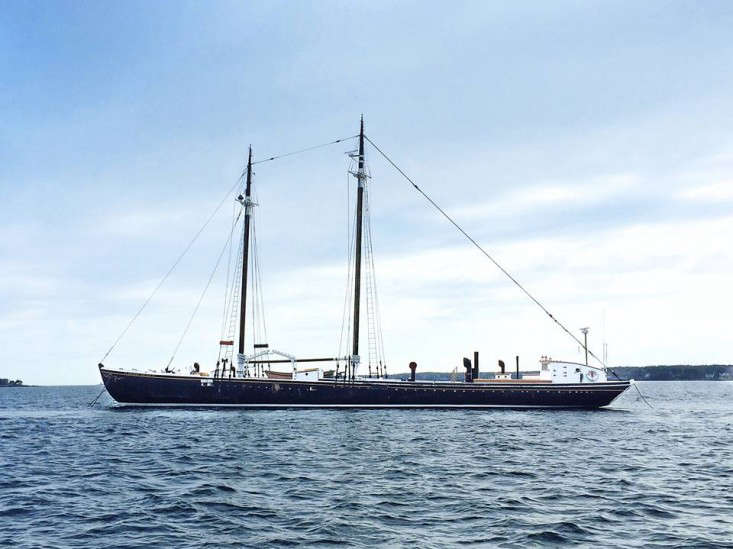
Some obsessions arrive quietly. One minute, you are casually watching a sailboat glide across the horizon. The next, you are researching bowlines at midnight, debating the merits of tiller steering, and wondering whether your closet needs more navy stripes.
Sailing has that effect. It combines travel, practical skill, outdoor adventure, and just enough nautical vocabulary to make ordering lunch feel disappointingly ordinary. Yet the real appeal of setting sail is not the polished fantasy of white linen and sunset cocktails. It is the unpredictable, hands-on experience of working with the wind instead of demanding that nature follow your schedule.
Whether you dream of a relaxed afternoon on a local lake, a coastal sailing vacation, or eventually captaining your own boat, this current obsession offers many ways to climb aboard without immediately purchasing a yacht, changing your name to Captain, or developing strong opinions about brass hardware.
Why Setting Sail Feels So Irresistible
Modern life is built around speed. Messages arrive instantly, groceries appear at the door, and entertainment platforms begin the next episode before you have emotionally recovered from the previous one. Sailing moves according to an entirely different rhythm.
A sailboat cannot bully the wind into cooperation. Sailors must observe its direction, adjust the sails, choose an efficient course, and occasionally accept that the destination will be reached through an elegant zigzag rather than a straight line. That slower process creates a rare combination of concentration and escape.
It Turns a Day Trip Into a Real Adventure
Even a short sail can feel surprisingly eventful. Leaving the dock involves planning, communication, weather awareness, and a little choreography. Once the engine is off and the sails fill, familiar shorelines begin to look different. Roads disappear, buildings shrink, and the water becomes the main landscape.
Unlike passive sightseeing, sailing asks everyone aboard to participate. Someone watches the wind, someone handles a line, someone steers, and someone inevitably asks whether “port” is left or right for the fourth time. The answer is left, but repetition is part of the learning experience.
It Rewards Skill Without Requiring Perfection
Beginners can understand the basic idea of sailing fairly quickly, but mastering it can take a lifetime. That balance is deeply satisfying. Early progress is visible: the boat turns more smoothly, sail trim improves, knots stop resembling accidental spaghetti, and docking becomes slightly less theatrical.
The learning never completely ends because every boat, harbor, wind pattern, and crew behaves differently. Experienced sailors continue refining weather judgment, navigation, sail handling, and decision-making long after the beginner course is finished.
It Offers a Genuine Break From Screens
Phones are still useful aboard for navigation, forecasts, and emergencies, but sailing demands attention beyond the screen. You notice ripples on the water, pressure on the helm, changes in cloud shape, and the small flutter of a sail that needs adjustment.
That attention can make a two-hour outing feel more restorative than an entire weekend spent scrolling through photographs of other people being restorative.
From Daydreaming to Deck Shoes: How to Begin
Start With a Sailing Lesson
The smartest first purchase is usually not a boat. It is instruction. Introductory sailing programs commonly teach basic terminology, points of sail, steering, sail trim, tacking, jibing, docking, knots, navigation rules, and emergency procedures.
A lesson also allows you to discover whether you enjoy the physical reality of sailing. Boats heel, decks move, lines require handling, and the boom has no respect for anyone who stops paying attention. Learning with an instructor provides a controlled environment in which mistakes become useful lessons rather than expensive marina entertainment.
Beginner-course research:
Choose the Right Kind of First Experience
Not every sailing adventure involves crossing an ocean. Beginners can choose among several approachable options:
- Sailing dinghies: Small, responsive boats that provide immediate feedback and teach wind awareness quickly. They can also be wet, which is either refreshing or character-building depending on the temperature.
- Daysailers: Stable boats designed for short outings. They generally offer more comfort than dinghies without the complexity or cost of a full cruising boat.
- Small keelboats: Heavier and more stable, these boats are commonly used in adult training programs and provide experience with mainsails, jibs, docking, and crew coordination.
- Coastal cruisers: Larger boats with cabins, sleeping areas, and basic living facilities. They are suited to longer trips but require more knowledge, maintenance, and financial commitment.
- Chartered boats with captains: An excellent option for enjoying the sailing lifestyle while learning from a professional and postponing responsibility for the plumbing system.
Boat-type research:
Learn the Language Without Panicking
Sailing vocabulary initially sounds like a secret code invented to confuse land-based visitors. Fortunately, only a small collection of terms is needed for a first outing.
The bow is the front, the stern is the back, port is left when facing forward, and starboard is right. The mainsail sits behind the mast, while the jib is positioned in front. Sailors call ropes lines, especially when those ropes have assigned jobs.
A tack turns the bow through the wind. A jibe turns the stern through the wind and can cause the boom to cross the boat quickly. When somebody announces a maneuver, that is the moment to listennot the moment to stand up and take a panoramic photograph.
Sailing terminology research:
The Sailing Gear Currently Living Rent-Free in Our Minds
Sailing equipment ranges from essential safety gear to beautifully engineered accessories that make enthusiasts whisper, “Technically, this is an investment.” Beginners do not need an ocean-crossing inventory, but a few items make the experience safer and more comfortable.
A Properly Fitted Life Jacket
A U.S. Coast Guard-approved life jacket should fit the intended wearer, suit the activity, remain in serviceable condition, and be readily accessible. Wearing it is far more effective than storing it beneath three tote bags and a picnic basket.
Non-Slip Footwear
Choose shoes with good grip and nonmarking soles. Decks become slippery, especially around spray, rain, and enthusiastic beverage handling. Flip-flops may look relaxed, but they provide limited protection when moving around hardware and lines.
Layers and Sun Protection
Conditions on the water can feel cooler and windier than conditions ashore. Bring a light waterproof layer, a hat with a secure strap, polarized sunglasses, and broad-spectrum sunscreen. Pack an extra layer in a dry bag because dry clothing becomes extremely fashionable the moment your original outfit gets soaked.
Sailing Gloves
Gloves improve grip and protect hands while handling sheets and dock lines. They are especially useful on breezy days or longer outings, when repeated line work can irritate unprepared hands.
Communication and Navigation Tools
Depending on the location and type of trip, equipment may include a VHF marine radio, charts, a compass, visual distress signals, a sound-producing device, navigation lights, and an emergency kit. Requirements vary by vessel, operating area, and state, so sailors should verify the applicable rules before departure.
Boating Safety Is Part of the Romance
The dreamy version of sailing features sunlight, sparkling water, and a perfectly filled sail. The responsible version also includes weather forecasts, life jackets, equipment checks, and a written plan. Conveniently, responsibility greatly increases the odds that the dreamy parts will remain enjoyable.
Read the Marine Forecast, Not Just the Weather App
Marine forecasts include information such as wind speed and direction, wave height, wave period, visibility, and significant weather. Those details matter because pleasant conditions on land can coexist with uncomfortable or hazardous conditions offshore.
Beginners should sail within the limits of their experience and boat. Strong gusts, steep waves, thunderstorms, fog, and cold water can quickly transform a casual outing into an emergency. When conditions look questionable, postponing the trip is not cowardice. It is advanced seamanship performed from a coffee shop.
File a Float Plan
A float plan tells a responsible person where you are going, who is aboard, what boat you are using, and when you expect to return. It is useful for everything from a small dinghy trip to a multi-day cruise. If plans change, update the person ashore so they do not launch an unnecessary search while you are calmly eating dinner at another marina.
Wear the Life Jacket
In the Coast Guard’s 2024 recreational boating report, drowning remained the leading known cause of death in fatal incidents, and most drowning victims whose life-jacket use was reported were not wearing one. That makes a properly fitted personal flotation device less of an accessory and more of a very sensible habit.
Respect Cold Water
Cold water can impair breathing and movement rapidly, even when the air feels comfortable. Dress for the water temperature, carry dry clothing, stay with the boat if possible after a capsize, and avoid assuming that swimming to shore will be easy.
Safety research:
American Waters Worth Dreaming About
The United States offers sailing environments ranging from sheltered lakes to open-ocean passages. The best destination depends on experience, season, local weather, and whether your ideal trip involves a quiet anchorage or a waterfront restaurant with excellent fries.
Chesapeake Bay
With its maritime history, coastal towns, rivers, creeks, and broad sailing waters, Chesapeake Bay supports everything from introductory outings to extended cruises. Historic sailing experiences in the region also connect time on the water with the ecology and culture of the bay.
The Great Lakes
The Great Lakes offer freshwater sailing on an enormous scale. Sailors can explore city waterfronts, islands, harbors, and remote shorelines, but they must take changing weather and cold-water conditions seriously. These may be called lakes, but they do not always behave like polite ponds.
San Francisco Bay
Strong winds, currents, traffic, fog, and dramatic scenery make San Francisco Bay exciting and technically demanding. New sailors should begin with experienced instructors or captains who understand local conditions.
Southern California and the Channel Islands
Channel Islands National Park provides a remarkable coastal environment with wildlife, exposed crossings, anchorages, and isolated island scenery. The National Park Service emphasizes careful planning because boaters may encounter changing conditions, limited services, and unexpected hazards.
Local Lakes and Community Sailing Centers
The most useful sailing destination may be the one closest to home. Community programs, yacht clubs, universities, park districts, and sailing schools often provide lessons, rentals, racing programs, and social events. Starting locally makes regular practice easier and removes the pressure to turn every outing into an expensive vacation.
Destination research:
How to Sail Without Treating the Water Like a Trash Can
Sailboats rely primarily on wind while under sail, but recreational boating still creates environmental impacts through fuel, maintenance products, sewage, litter, wildlife disturbance, and the transport of invasive species.
Responsible sailors keep trash aboard until it can be disposed of properly, use pump-out facilities where required, prevent fuel from entering the water, and clean spills with absorbent materials rather than detergents. Boats, trailers, anchors, and equipment should be cleaned, drained, and dried when moving between waterways to reduce the spread of aquatic invasive species.
Wildlife needs distance, especially around nesting, resting, and feeding areas. Sailors should follow posted restrictions, avoid sensitive habitats, control noise near shore, and confirm park or harbor permits before arrival.
The goal is simple: enjoy the water without leaving evidence of your snack choices, maintenance project, or portable bathroom behind.
Environmental research:
What the Sailing Lifestyle Teaches Us
Patience
The wind does not care about your dinner reservation. Sailing teaches people to prepare carefully, adapt quickly, and stop confusing control with competence.
Clear Communication
Good crews communicate before maneuvers, repeat important instructions, and raise concerns early. Quietly hoping everyone understands the plan is not a reliable operating system.
Attention to Small Changes
A slight wind shift, a loose fitting, an unfamiliar sound, or a darkening cloud can become important. Sailing develops the habit of noticing small signals before they become large problems.
Humility
Water and weather quickly expose overconfidence. Even experienced sailors make conservative choices, wear safety equipment, and continue learning. The sea does not award bonus points for swagger.
Teamwork
A smooth sail depends on people performing different jobs toward the same goal. When the crew works well, complicated maneuvers feel almost effortless. When communication fails, the boat becomes a floating meeting about communication failure.
Setting Sail: A First-Weekend Experience
The following is a realistic composite of common beginner sailing experiences.
The weekend begins at a marina earlier than anyone voluntarily arrives anywhere on a Saturday. The docks are quiet except for halyards tapping against masts, producing the metallic soundtrack that sailors apparently find soothing and everyone else initially mistakes for a loose construction project.
The instructor starts with a safety briefing. Life jackets are adjusted, the location of emergency equipment is explained, and every crew member practices moving around the cockpit while keeping one hand available for the boat. The first important lesson arrives before departure: boats move even when tied to the dock, and coffee cups should have lids.
Once aboard, the new vocabulary begins. A rope becomes a line. The left side becomes port. The bathroom becomes the head. Nobody explains why ordinary words were considered insufficient, but everyone agrees to continue.
The boat leaves the slip under engine power. Docking and undocking happen slowly because momentum does not disappear simply because someone has become nervous. Fenders are brought aboard, the crew moves into open water, and the instructor points toward ripples that reveal the wind’s direction.
Raising the mainsail requires coordination. One person steers into the wind while another pulls the halyard. The sail climbs the mast with several pauses, one minor tangle, and a brief investigation into why a line is wrapped around something that nobody remembers wrapping it around.
Then the sail fills.
The engine shuts down, and the sudden quiet changes the atmosphere. Water moves along the hull. The boat leans gently, accelerating without the vibration of a motor. That first moment explains the obsession better than any equipment catalog ever could.
At the helm, steering feels both intuitive and strange. The boat responds gradually, and the wind provides invisible boundaries. Turn too close toward it and the sails begin to flap. Move away, adjust the sheets, and the boat gathers speed again.
The first tack is announced. The helm turns, the bow passes through the wind, and the jib crosses to the opposite side. One crew member releases a sheet while another trims the new one. The maneuver is not elegant, but the boat emerges on the new course and everyone celebrates as though they have successfully rounded Cape Horn.
Several tacks later, the movements become smoother. Crew members begin anticipating instructions. The person steering watches a landmark on shore while also feeling pressure through the tiller. Someone notices a gust moving across the water before it reaches the boat. Another begins adjusting the sail without being reminded.
Lunch is simple: sandwiches, fruit, and snacks chosen for their ability to survive being tilted. The boat drifts in a protected area while the crew discusses what went well. The answer is mostly “we stayed on the boat,” but confidence has clearly grown.
During the afternoon, the wind strengthens. The instructor shortens sail to reduce power, demonstrating that experienced sailing is not about carrying the most sail possible. It is about carrying the right amount. The boat becomes more comfortable, the helm feels balanced, and the lesson quietly shifts from controlling the vessel to cooperating with it.
Returning to the marina requires another careful briefing. Lines and fenders are prepared before entering the slip. Each person receives one job. The approach is slow, the engine remains in neutral when power is unnecessary, and the boat settles against the dock with only a gentle bump.
By the end of the day, everyone is sun-tired, windblown, and oddly proud of several knots. The hands smell faintly of rope and sunscreen. Walking on land feels unusually stable.
The obsession usually begins later that evening. Someone searches for another course. Someone checks used sailboat listings despite having no place to keep a boat. Someone watches a video about sail trim and understands approximately 18 percent more than they did the day before.
That is the real charm of setting sail. A beginner returns with more questions than answers, but the questions feel like invitations. Where could we go next? What would stronger wind feel like? Could we handle a longer trip? How soon can we do this again?
Conclusion: The Best Obsessions Open New Horizons
Sailing is not merely a picturesque way to spend an afternoon. It is a practical education in weather, movement, teamwork, preparation, and respect for the natural world. It can be peaceful one minute and intensely active the next, often because the wind has decided that everyone was becoming too comfortable.
You do not need to own a yacht or plan an ocean crossing to enjoy the sailing lifestyle. Take an introductory course, join a community program, book a captained charter, or volunteer as crew for a local race. Begin with instruction, wear the proper safety equipment, check the marine forecast, and build experience gradually.
The horizon may look empty from shore, but aboard a sailboat it becomes a collection of possibilities. Perhaps that is why setting sail becomes such a lasting obsession: it gives us a destination while reminding us that the journey will never follow a perfectly straight line.