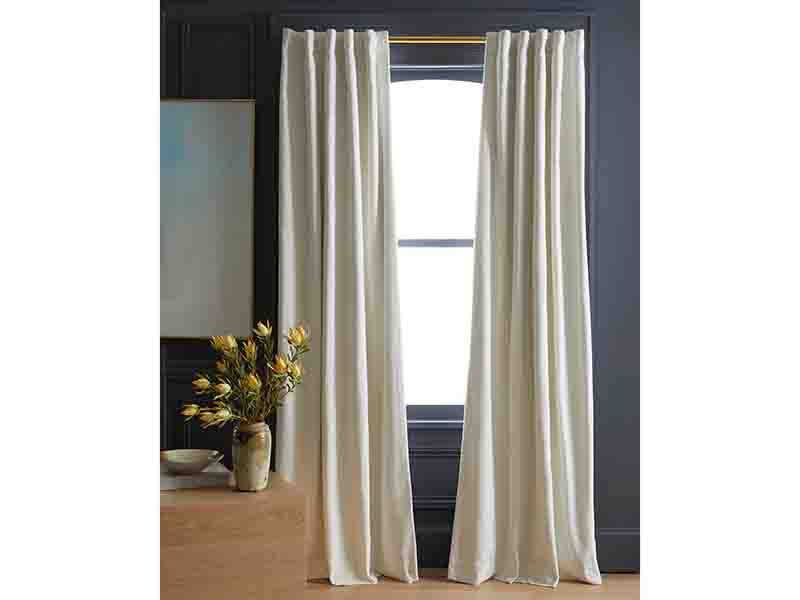
A cotton velvet room darkening curtain is what happens when your window decides it has taste, boundaries, and a mild flair for drama. It is soft enough to make a bedroom feel like a boutique hotel, dense enough to calm harsh sunlight, and stylish enough to make plain blinds look like they forgot to dress for the occasion.
Unlike flimsy panels that wave at the sun and politely let it in, cotton velvet curtains add weight, texture, privacy, and a richer visual finish. They do not just cover a window. They frame the room, soften the mood, help reduce glare, and make your space feel more intentional. Whether you are styling a bedroom, nursery, living room, media room, rental apartment, or home office, cotton velvet room darkening curtains offer that rare combination of beauty and usefulness. They are decorative, yes, but they also work for a living.
This guide breaks down what makes cotton velvet room darkening curtains special, how they compare with blackout curtains, where they work best, how to choose the right size and color, and how to keep them looking plush instead of tired. Consider it your friendly, fabric-loving roadmap to making windows behave beautifully.
What Is a Cotton Velvet Room Darkening Curtain?
A cotton velvet room darkening curtain is a fabric window panel made with a cotton velvet face and a lining or dense construction that helps reduce incoming light. The velvet gives the curtain its signature soft pile, subtle sheen, and luxurious depth. The room darkening function comes from the fabric weight, lining, or both.
The key phrase here is “room darkening,” not “total blackout.” Room darkening curtains reduce sunlight, streetlight, and glare, but they may not create a pitch-black room at noon in July. That is perfectly fine for many spaces. In fact, some homeowners prefer room darkening curtains because they create a cozy, shaded environment without making the room feel like a polite cave.
Cotton velvet is especially appealing because it feels natural, substantial, and elegant. Compared with thin synthetic panels, cotton velvet has more body and visual warmth. It drapes beautifully, absorbs light softly, and adds texture to walls that may otherwise look flat. If your room feels almost finished but still slightly “waiting room at the dentist,” velvet curtains may be the missing piece.
Why Cotton Velvet Curtains Feel So Luxurious
Velvet has a long design history, but modern cotton velvet curtains do not have to feel old-fashioned or overly formal. Today’s versions are often cleaner, simpler, and easier to mix with casual interiors. They can look romantic in a bedroom, tailored in a living room, moody in a dining space, or quietly expensive in a home office.
Texture That Adds Instant Depth
One of the biggest advantages of cotton velvet curtains is texture. Smooth painted walls, glass windows, metal hardware, and wood furniture can all look beautiful, but too many hard surfaces make a room feel cold. Velvet softens that effect. Its pile catches light differently throughout the day, creating shadows and depth without needing a loud pattern.
In a neutral room, beige, ivory, taupe, gray, olive, or tobacco velvet curtains can add depth without shouting. In a bold room, navy, emerald, burgundy, rust, or charcoal velvet panels can bring drama without turning your home into a theater lobby. Unless, of course, theater lobby is the goal. In that case, applause.
A Soft Matte Finish
Cotton velvet often has a softer, more understated finish than shiny synthetic velvet. That matters because shine can sometimes look costume-like if the room is not balanced. Cotton velvet leans more natural and refined. It gives you richness without screaming, “I own a fainting couch.”
Beautiful Draping
Because velvet has weight, it tends to hang in graceful folds. A cotton velvet room darkening curtain can make a window look taller, wider, and more finished. When properly hung, the fabric stacks nicely to the sides and falls with enough structure to feel custom, even when the panels are ready-made.
Room Darkening vs. Blackout: What Is the Difference?
Many shoppers confuse room darkening curtains with blackout curtains. They are related, but they are not identical twins. Think of them as cousins who both dislike harsh sunlight, but one is much more intense about it.
Room darkening curtains reduce the amount of light entering a room. They are excellent for privacy, glare reduction, softer mornings, movie watching, and creating a calmer atmosphere. Blackout curtains are designed to block most or nearly all outside light, especially when installed correctly with enough overlap at the top, sides, and bottom.
If you work nights, have a baby who naps during the day, live under a bright streetlamp, or need near-total darkness for sleep, blackout curtains may be the stronger choice. If you want a room that feels shaded, private, and restful without becoming completely dark, cotton velvet room darkening curtains are often ideal.
Best Rooms for Cotton Velvet Room Darkening Curtains
Bedroom
The bedroom is the natural home for room darkening curtains. Light control matters for sleep, and cotton velvet adds a calm, cocoon-like feeling. A lined velvet curtain can help reduce morning brightness and evening streetlight while making the room feel softer and more private.
For bedrooms, consider deeper colors if you want more light reduction. Navy, charcoal, forest green, chocolate, and deep rust can make a bedroom feel grounded. Lighter colors such as ivory or blush can still work beautifully, especially with a quality lining, but they may allow more glow than darker panels.
Living Room
In the living room, cotton velvet curtains bring polish. They can frame large windows, balance a sectional sofa, and make the space feel more complete. Room darkening panels are also helpful if sunlight hits your television at exactly the wrong angle, which is usually during the best part of the movie.
Choose a color that connects with other elements in the room. For example, olive velvet curtains can echo plants or artwork. Camel velvet can warm up a gray sofa. Navy can sharpen a room with brass, walnut, or leather accents.
Nursery or Kids’ Room
Room darkening curtains are useful in nurseries because they make nap time easier without making the space feel too severe. Cotton velvet also adds softness, which suits a child’s room beautifully. Just make sure the curtain hardware is securely installed and keep cords, tiebacks, and long loose accessories away from small children.
Home Office
A home office needs light, but not the kind that bounces off your screen and makes you squint like you are decoding ancient symbols. Cotton velvet room darkening curtains can help manage glare during video calls, soften acoustics slightly, and make the workspace feel more professional.
Media Room
If you are building a full home theater, true blackout curtains may be better. But for a casual media room or den, room darkening velvet curtains offer a great balance. They reduce glare, improve the mood, and make popcorn feel more important.
How to Choose the Right Cotton Velvet Curtain
Look at the Lining
The lining is one of the most important details. A cotton velvet face fabric may be beautiful, but the lining determines much of the light control. Room darkening linings reduce brightness and improve privacy. Blackout linings go further and block more light. Thermal linings may also help with insulation, though performance depends on fit, fabric, and installation.
If you want the soft glow of daylight but not direct sun, room darkening is enough. If you want to sleep through sunrise, lean toward blackout lining or layer curtains over shades.
Choose the Right Length
Curtain length changes the entire room. Floor-length panels usually look best for cotton velvet because the fabric has a formal weight. A curtain that stops awkwardly above the floor can look like it shrank in embarrassment.
For a clean modern look, let the curtain hover about half an inch above the floor or just kiss the floor. For a romantic look, allow a small puddle. However, puddling is not ideal in homes with pets, dust, robot vacuums, or anyone who believes curtains are secretly blankets.
Measure Width Generously
For full, elegant folds, curtains should be wider than the window. A good rule is to use enough total panel width to equal about two times the window width. This prevents the curtains from looking flat when closed and helps reduce side light gaps.
For example, if your window is 60 inches wide, aim for about 120 inches of total curtain width. That could mean two 50-inch or 52-inch panels at minimum, though wider panels may look fuller. Velvet looks best when it has room to ripple.
Hang Curtains High and Wide
Mounting the rod higher than the window frame can make ceilings look taller. Extending the rod beyond the window frame allows panels to stack off the glass when open, which lets in more daylight and makes the window appear larger.
This is one of the easiest designer tricks in the book. Hang the rod too low and narrow, and even expensive curtains can look cramped. Hang them high and wide, and suddenly the room appears to have hired a decorator.
Color Ideas for Cotton Velvet Room Darkening Curtains
Ivory and Cream
Light velvet curtains create softness without heaviness. They work well in bedrooms, nurseries, and calm living rooms. For better light control, choose a lined version. Ivory cotton velvet can look airy and luxurious, especially with warm wood, woven rugs, and brass accents.
Olive and Forest Green
Green velvet curtains are rich without being too loud. Olive feels earthy and relaxed, while forest green feels dramatic and classic. These colors pair well with leather, walnut, cream walls, black accents, and natural fiber rugs.
Navy and Deep Blue
Navy cotton velvet is a dependable favorite. It darkens a room well, looks polished, and works with coastal, traditional, modern, and transitional interiors. It is also less harsh than black but still has depth.
Rust, Terracotta, and Camel
Warm velvet curtains can make a room feel cozy and layered. Rust and terracotta bring personality, while camel and golden brown add warmth in a quieter way. These tones are excellent for rooms with beige, cream, walnut, oak, or vintage-inspired decor.
Charcoal and Black
For maximum drama and stronger light reduction, charcoal or black velvet curtains are hard to beat. They work especially well in bedrooms, media rooms, and modern living rooms. Balance them with lighter walls or warm textures so the space feels intentional, not gloomy.
Practical Benefits Beyond Beauty
Light Control
The most obvious benefit of a cotton velvet room darkening curtain is reduced light. It can soften direct sunlight, dim early morning brightness, and reduce nighttime glare from streetlights or nearby buildings. This is especially helpful in cities, apartments, and bedrooms facing east or west.
Privacy
Velvet curtains provide strong privacy when closed. This matters in bedrooms, bathrooms with nearby windows, street-facing living rooms, and apartments where neighbors are close enough to know your cereal brand. With lined cotton velvet panels, silhouettes and indoor activity are much less visible from outside.
Temperature Comfort
Window coverings can help improve comfort by adding a layer between the room and the glass. Curtains are not a replacement for efficient windows, but they can reduce drafts, slow heat transfer, and make a room feel cozier in winter or less exposed to harsh sun in summer. The better the curtain fits and the fewer gaps around it, the more helpful it can be.
Noise Softening
Cotton velvet curtains will not soundproof a room, so do not expect them to defeat leaf blowers, traffic, or your neighbor’s enthusiastic garage band. However, heavy fabric can absorb some echo and soften the way sound behaves inside a room. In spaces with hardwood floors, bare walls, or large windows, that softness can make a noticeable difference.
How to Style Cotton Velvet Curtains Without Overdoing It
Velvet has personality, so it helps to balance it with simpler pieces. If your curtains are deep emerald, navy, rust, or burgundy, keep nearby patterns controlled. Use solid bedding, simple lamps, and natural textures to avoid visual chaos.
In a minimal room, velvet curtains can be the main event. In a maximalist room, they can be part of the chorus. The trick is repetition. Repeat the curtain color in small details such as pillows, artwork, books, vases, or a rug pattern. This makes the curtains feel connected to the room instead of looking like they wandered in from another house.
Hardware matters too. Black rods feel modern and crisp. Brass rods add warmth and elegance. Wood rods can look classic or rustic depending on the finish. For cotton velvet, choose sturdy hardware because the fabric can be heavier than standard cotton or linen panels.
Care and Maintenance Tips
Cotton velvet needs gentle care. Always read the care label first because construction, lining, dye, and finish can vary. Many velvet curtains are best cleaned professionally, especially if they are lined. Machine washing may crush the pile, shrink the cotton, damage the lining, or leave the curtain looking like it had a rough weekend.
For regular maintenance, use a soft brush attachment on a vacuum to remove dust. Work gently in the direction of the pile. If you notice wrinkles, steaming may help, but avoid pressing the iron directly onto velvet. Direct pressure can flatten the pile and create shiny marks.
If liquid spills on the fabric, blot immediately with a clean, absorbent cloth. Do not rub. Rubbing velvet is like arguing with a cat: you will not win, and something will look worse afterward. For stains, consult the care instructions or a professional cleaner.
Common Mistakes to Avoid
Buying Panels That Are Too Narrow
Narrow curtains look skimpy and allow more light to leak around the window. Always check the panel width and buy enough fabric for fullness. Velvet deserves volume.
Ignoring the Return Gap
Light often enters at the sides of the curtain, not just through the fabric. To reduce this, extend the rod wider than the window and consider wraparound rods or layering with shades.
Choosing the Wrong Length
Too-short velvet curtains can look unfinished. Measure from the rod placement to the floor before buying. Remember that hanging the rod high usually means you need longer panels.
Skipping Fabric Samples
Velvet color changes with light and pile direction. A curtain that looks taupe online may appear gray, green, or mushroom in your room. Order swatches when possible, especially for expensive panels.
Real-Life Experience: What Living With Cotton Velvet Room Darkening Curtains Feels Like
The first thing you notice after hanging cotton velvet room darkening curtains is not just the darkness. It is the quiet visual pause. The window stops feeling like a bright rectangle interrupting the room and starts feeling like part of the design. The edges soften. The wall looks taller. The furniture suddenly seems more coordinated, even if the chair in the corner is still holding laundry like it has a side hustle.
In a bedroom, the difference can feel immediate. Morning light becomes gentler, especially if your windows face sunrise. Instead of waking up because the sun has personally selected your eyelids for target practice, you wake in a calmer, more gradual environment. Room darkening velvet does not always remove every glow, but it reduces the aggressive brightness that makes sleep feel fragile. For many people, that is enough to make weekends feel more luxurious and weeknights less chaotic.
In a living room, the experience is more about atmosphere. Close the curtains in the late afternoon, and the room turns cozy without becoming gloomy. Movie watching improves because screen glare drops. Conversations feel more intimate. Lamps look warmer. Even ordinary furniture can look more expensive beside velvet panels. It is one of those design upgrades that makes guests ask, “Did you change something?” while looking around suspiciously.
There are practical lessons, too. Cotton velvet curtains are heavier than basic panels, so lightweight rods may sag. Good brackets and proper wall anchors matter. Fullness also matters more than expected. A single narrow panel on each side can look flat, while wider panels create those deep folds that make velvet look rich. The difference is not subtle. It is the difference between “nice curtain” and “someone here reads design magazines.”
Another experience worth noting is maintenance. Velvet attracts attention, and occasionally dust. A quick vacuum with a soft brush attachment keeps the pile fresh. Steaming from the back or at a safe distance can relax wrinkles after unpacking. The panels may arrive with creases, but patience helps. Once they hang for a few days, the fabric usually settles into a more graceful shape.
Color is the emotional part. Deep green can make a room feel calm and botanical. Navy feels tailored. Camel feels warm and expensive. Ivory feels soft and airy but may need a stronger lining if light control is a priority. The best color is not always the trendiest one; it is the color that makes the room feel finished when morning, afternoon, and evening light all take their turns.
The biggest takeaway from living with cotton velvet room darkening curtains is that they solve more than one problem. They improve privacy, reduce glare, soften the room, and add texture. They are not magic, but they are close enough that your windows may start acting like they went to finishing school.
Conclusion
A cotton velvet room darkening curtain is a smart choice for anyone who wants beauty and function in one elegant package. It helps control light, improves privacy, adds softness, and brings a refined layer of texture to the room. Whether you choose ivory, olive, navy, rust, charcoal, or another rich shade, cotton velvet can make a space feel warmer, calmer, and more complete.
The best results come from choosing the right lining, measuring generously, hanging the rod high and wide, and caring for the fabric gently. When done well, these curtains do more than block light. They change the mood of the room. And frankly, any home upgrade that makes your bedroom cozier, your living room prettier, and your windows less bossy deserves serious consideration.