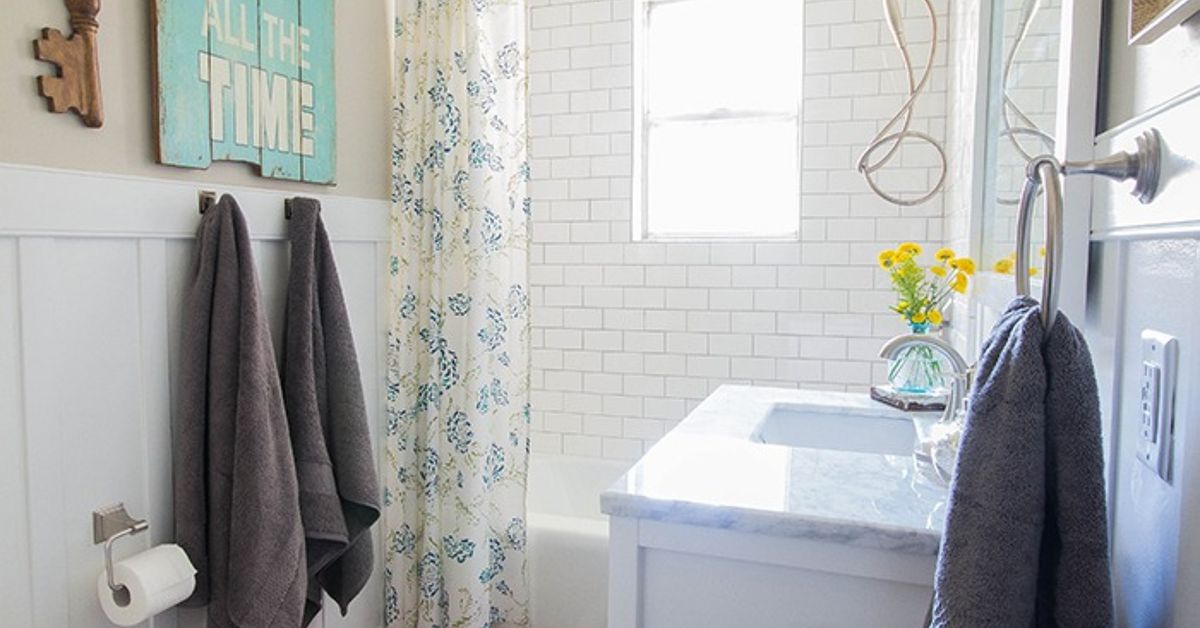
A cottage-style bathroom makeover is proof that a room does not need to be huge, expensive, or blessed by a designer holding a linen swatch under perfect natural light to feel special. Cottage bathrooms are charming because they lean into warmth, texture, comfort, and personality. They look collected rather than copied, cozy rather than sterile, and practical enough to survive toothpaste, towels, humidity, and the occasional shampoo bottle avalanche.
The beauty of cottage bathroom design is that it works in almost any home. Whether you have a tiny powder room, a dated guest bath, or a full bathroom that still believes it is 1998, the cottage look can soften the space without making it feel old-fashioned. Think beadboard walls, soft paint colors, vintage-style lighting, warm wood, classic tile, pretty storage, and little details that make the room feel loved. Not fussy. Not precious. Just charming enough to make guests say, “Wait, why is your bathroom cuter than my living room?”
This guide walks through a complete cottage-style bathroom makeover, from planning and materials to color, lighting, storage, fixtures, and finishing touches. It is designed for homeowners who want a space that feels timeless, functional, and full of character without turning the renovation into a financial horror movie.
What Makes a Bathroom Cottage Style?
Cottage style is not one single look. It can lean English country, coastal cottage, farmhouse, vintage, rustic, or romantic. The common thread is comfort. A cottage-style bathroom feels relaxed, layered, and slightly nostalgic, as if the room has been improved slowly over time instead of installed in one dramatic weekend by a person who owns too many measuring tapes.
Key Features of a Cottage Bathroom
The most recognizable cottage bathroom ideas usually include painted paneling, beadboard, shiplap, classic tile, soft colors, warm metals, vintage mirrors, skirted sinks, pedestal sinks, clawfoot tubs, open shelving, woven baskets, floral wallpaper, and natural textures. These details give the bathroom soul. They also make even a builder-basic space feel more intentional.
Unlike sleek modern bathrooms, which often rely on sharp lines and high contrast, cottage bathrooms are gentler. They celebrate imperfections: a slightly aged brass faucet, a painted vanity with visible brush texture, a wood stool beside the tub, or a mirror that looks like it came from a small-town antique shop where the owner knows everyone’s dog by name.
Start With a Smart Bathroom Makeover Plan
Before buying tile, paint, or a charming little soap dish shaped like a shell, start with function. A successful cottage-style bathroom makeover should improve how the room works, not just how it photographs. Look closely at the layout, storage, lighting, ventilation, plumbing, and daily traffic patterns.
Ask simple questions: Is there enough counter space? Are towels easy to reach? Does the shower dry properly? Is the lighting flattering, or does it make everyone look like they are being interrogated in a detective show? Is the fan strong enough? Are there outlets where you need them? Cottage style is lovely, but moisture problems, bad lighting, and awkward storage will ruin the romance quickly.
Decide What Stays and What Goes
One of the best ways to keep a bathroom remodel affordable is to preserve what already works. If the tub, toilet, and sink are in good condition, consider keeping them. Moving plumbing can dramatically increase the cost of a bathroom renovation. Instead, focus your makeover budget on surfaces, color, lighting, hardware, mirrors, storage, and accessories.
If the existing vanity is solid but boring, paint it. If the tile is plain but neutral, style around it. If the floor is tired but structurally sound, consider luxury vinyl tile, peel-and-stick tile for low-moisture areas, or a professional reglazing option depending on the surface. The goal is not to replace everything. The goal is to make the room feel cohesive, fresh, and cottage-inspired.
Choose a Cottage Bathroom Color Palette
Color sets the mood faster than any other design choice. Cottage-style bathrooms usually look best in soft, nature-inspired shades. Whites, creams, warm grays, pale blues, sage greens, dusty rose, butter yellow, and muted taupe all work beautifully. These colors reflect light, create a calm atmosphere, and pair well with vintage bathroom decor.
For a classic cottage bathroom, try warm white beadboard with soft blue walls. For an English cottage feel, pair botanical wallpaper with sage green trim. For a coastal cottage bathroom, use crisp white, sea-glass blue, and natural wood. For a farmhouse cottage look, combine creamy walls, black or aged brass fixtures, and a painted vanity in mushroom, navy, or olive green.
Use Contrast Carefully
Contrast gives a bathroom depth, but too much can make a small bathroom feel chopped up. A black-and-white palette can work beautifully, especially with checkerboard floors or black metal accents, but soften it with wood, woven textures, warm lighting, and fabric. Cottage style should feel welcoming, not like the bathroom is wearing a tuxedo to breakfast.
Add Beadboard, Wainscoting, or Shiplap
If there is one shortcut to cottage charm, it is wall paneling. Beadboard bathroom walls instantly add texture and architectural interest. They are especially useful in small bathrooms because they make plain walls feel finished without overwhelming the room. Beadboard can be installed halfway up the wall as wainscoting, behind a vanity, around a tub, or even on the ceiling for extra character.
Shiplap offers a slightly more farmhouse or coastal look, while traditional wainscoting feels more refined. For bathrooms, use moisture-resistant materials and proper paint. Bathrooms are humid spaces, so choose high-quality primer, mildew-resistant paint, and caulk all seams carefully. Cottage style may love history, but it does not need to recreate the damp-wall experience of a 200-year-old inn.
Paint Paneling for a Custom Look
White paneling is classic, but color can be even more memorable. Try sage green beadboard with cream walls, pale blue wainscoting with white wallpaper above, or soft gray paneling with brass fixtures. Painting paneling and trim the same color can create a cozy, color-drenched effect that feels charming rather than busy.
Pick Timeless Bathroom Flooring
Cottage bathroom flooring should be durable, moisture-friendly, and visually classic. Hex tile, penny tile, basketweave tile, checkerboard floors, slate-look tile, and wood-look porcelain are all strong options. If you want the look of old cottage floors without the maintenance of real wood, porcelain or luxury vinyl can deliver warmth while standing up better to splashes.
Small-scale tile patterns suit cottage bathrooms because they add detail without requiring a huge footprint. A black-and-white mosaic floor can feel vintage. A soft gray stone-look floor can feel relaxed and natural. A warm terracotta-style tile can bring in rustic cottage personality. Whatever you choose, prioritize slip resistance, easy cleaning, and proper installation.
Do Not Forget Grout
Grout color matters more than people expect. Light grout creates a softer look but may need more cleaning. Dark grout hides wear but creates stronger pattern contrast. For a cottage bathroom makeover, a medium neutral grout is often the peace treaty between beauty and real life.
Upgrade the Vanity Without Losing Charm
The vanity is often the visual anchor of the bathroom. For cottage style, look for furniture-like vanities, painted wood cabinets, vintage dressers converted into vanities, pedestal sinks, or skirted sinks. Each option brings a different personality.
A painted vanity is one of the easiest ways to transform a bathroom on a budget. Choose a soft heritage color such as sage, dusty blue, cream, charcoal green, or warm gray. Add new knobs or pulls in aged brass, polished nickel, oil-rubbed bronze, or ceramic. Suddenly, the vanity that once looked like it came free with the house starts acting like it has a family crest.
Consider a Pedestal or Skirted Sink
Pedestal sinks are cottage classics, especially in small bathrooms. They open up floor space and create an airy look. The downside is limited storage, so pair a pedestal sink with a medicine cabinet, wall shelves, baskets, or a narrow storage cabinet.
A skirted sink is another charming option. Fabric softens the room and hides plumbing, cleaning supplies, or extra toilet paper. Choose washable fabric in ticking stripe, linen, gingham, or a small floral print for a cozy cottage feel.
Bring in Vintage-Style Fixtures
Fixtures are the jewelry of a cottage-style bathroom makeover. A bridge faucet, cross-handle taps, exposed shower hardware, or an aged brass faucet can make a simple sink look special. Polished nickel feels timeless and bright, while unlacquered brass develops patina over time. Matte black can work too, especially in farmhouse cottage bathrooms, but use it sparingly so the room does not become too industrial.
If you are replacing a tub, a clawfoot tub is the dream cottage feature. It instantly creates a vintage focal point. However, it requires enough space, proper plumbing, and realistic cleaning expectations. If a clawfoot tub does not fit, a simple alcove tub can still feel cottage-inspired with classic tile, a fabric shower curtain, and traditional hardware.
Choose a Shower Curtain With Personality
Glass shower doors are sleek, but a fabric shower curtain often feels more cottage-friendly. Look for linen blends, subtle stripes, block prints, florals, or ruffled edges. Use a washable liner behind it. This gives the room softness and allows you to change the mood later without calling a contractor, which is always a delightful sentence.
Use Wallpaper for Cottage Character
Bathroom wallpaper is a powerful design tool, especially in powder rooms and half baths. Cottage-style wallpaper often includes florals, vines, toile, small checks, botanical prints, birds, or soft geometric patterns. It can make a tiny bathroom feel like a jewel box instead of a forgotten closet with plumbing.
For full bathrooms with showers, choose wallpaper carefully. Moisture-resistant wallpaper, excellent ventilation, and proper installation are important. If wallpapering the entire room feels risky, use it above beadboard wainscoting or on one accent wall. This gives you pattern without overwhelming the space.
Balance Pattern With Simple Surfaces
If the wallpaper is bold, keep the vanity, tile, and accessories quieter. If the walls are simple, add pattern through curtains, towels, rugs, or artwork. Cottage style is layered, but it should not feel like every surface is competing for class president.
Layer the Lighting
Good bathroom lighting is not optional. It affects grooming, cleaning, mood, and whether you leave the house with foundation blended properly. Cottage bathrooms look best with layered lighting: overhead light for general brightness, sconces near the mirror for face-level illumination, and possibly a small pendant or chandelier if ceiling height allows.
Wall sconces on either side of the mirror are often more flattering than a single light above it because they reduce harsh shadows. Choose fixtures with milk glass, fabric shades, aged metals, or vintage silhouettes. Add dimmers where possible so the bathroom can shift from morning routine mode to evening bath mode without requiring sunglasses.
Let Natural Light Work Hard
If your bathroom has a window, celebrate it. Use cafe curtains, Roman shades, frosted glass, or woven shades for privacy while still letting in light. Natural light enhances soft cottage colors and makes vintage details feel even warmer.
Improve Bathroom Storage the Cottage Way
Storage is where many pretty bathrooms fail. A cottage-style bathroom should look charming, but it still needs to hold towels, toiletries, hair tools, medicine, cleaning supplies, and the mysterious collection of half-used hotel lotions no one admits to owning.
Use a combination of closed and open storage. Closed storage hides clutter. Open storage displays the attractive things: rolled towels, glass jars, woven baskets, soap, small plants, and folded washcloths. A recessed medicine cabinet, narrow linen cabinet, wall shelf, or vintage cabinet can add function without destroying the cottage mood.
Try Baskets, Hooks, and Rails
Woven baskets are cottage bathroom heroes. They add texture while holding toilet paper, towels, or extra bath products. Hooks are often more practical than towel bars in family bathrooms because they make hanging towels easier. Peg rails, brass hooks, and wooden racks all work well in cottage interiors.
Choose Cottage Bathroom Decor With Restraint
The finishing touches make a cottage bathroom feel personal. Add framed art, a vintage mirror, a small stool, a ceramic soap dish, a vase of flowers, a woven rug, or a candle. But edit carefully. Too many decorative objects can make the room feel cluttered, and bathrooms need surfaces that are easy to clean.
For artwork, choose landscapes, botanical prints, vintage sketches, coastal scenes, or simple still-life pieces. For mirrors, try oval, arched, wood-framed, antique brass, or painted frames. For textiles, use waffle towels, Turkish towels, ticking stripes, gingham, or soft florals.
Add Life With Plants and Flowers
If your bathroom gets natural light, small plants can thrive and add freshness. Ferns, pothos, orchids, and humidity-loving plants are good options. If the room has no window, fresh flowers or high-quality faux greenery can still soften the space.
Do Not Ignore Ventilation and Moisture Control
A cottage bathroom can be romantic, but mold is not part of the aesthetic. Bathrooms need proper ventilation, especially when you add wood paneling, wallpaper, fabric, and painted surfaces. Use an exhaust fan during showers and let the room dry afterward. If the fan is weak, noisy, or dusty, replace or clean it before investing heavily in finishes.
Choose moisture-resistant paint, caulk seams properly, repair leaks quickly, and use waterproofing systems in shower and tub areas. Keep towels from staying damp in piles. Leave the shower curtain or door open after use so surfaces dry faster. These habits protect your makeover and keep the room from developing that unpleasant “old sponge in a haunted cottage” aroma.
Budget-Friendly Cottage Bathroom Makeover Ideas
You do not need a full gut renovation to create a cottage-style bathroom. Many high-impact updates are cosmetic. Paint the vanity. Swap the mirror. Replace the light fixture. Add beadboard. Install new cabinet hardware. Change the shower curtain. Hang wallpaper above wainscoting. Add a vintage rug. Replace builder-grade towel bars with hooks. Use baskets for storage. Frame the existing mirror if replacing it is not in the budget.
Another smart move is to focus on one statement feature. In a small bathroom, one beautiful wallpaper, one painted vanity, or one vintage mirror may be enough to shift the entire mood. Spend where it matters most: durable flooring, reliable plumbing fixtures, proper ventilation, and good lighting. Save on accessories that can be changed later.
Keep the Layout If Possible
The biggest budget saver is usually keeping plumbing in the same location. Moving a toilet, shower, or vanity may be worth it in some remodels, but it should be a deliberate choice. Cottage style can do a lot with surface improvements, so do not assume the room needs to be demolished to become beautiful.
Small Cottage Bathroom Makeover Tips
Small bathrooms are perfect candidates for cottage design because the details feel intentional in a compact space. Use light colors to open the room, but add texture so it does not feel flat. A pedestal sink can create breathing room. A wall-mounted cabinet can add hidden storage. A large mirror can bounce light. Vertical paneling can make the ceiling feel taller.
In a narrow bathroom, keep floor space visible. Use wall hooks instead of bulky towel stands. Choose a slim vanity or rounded sink. Use shelves over the toilet if they do not feel crowded. A patterned floor or wallpaper can be delightful, but balance it with simple fixtures.
Make Every Detail Earn Its Keep
In a small cottage bathroom, decorative pieces should also be useful whenever possible. A pretty tray can organize toiletries. A stool can hold towels. A basket can hide supplies. A medicine cabinet can provide storage and a mirror. Small spaces do not have room for freeloading decor.
Real-World Experience: What a Cottage-Style Bathroom Makeover Actually Feels Like
A cottage-style bathroom makeover often begins with optimism, a paint sample, and the dangerous sentence, “This should be quick.” Then you remove the old mirror and discover the wall behind it has three paint colors, two mystery holes, and one patch job that appears to have been completed with frosting. This is normal. Bathrooms are small, but they are dramatic.
In real homes, the most satisfying cottage bathroom updates are usually the ones that combine beauty with problem-solving. For example, adding beadboard is not just decorative; it can protect lower walls from scuffs and make a plain room feel architectural. Replacing a harsh vanity light with sconces can make the bathroom feel calmer and more flattering. Painting a vanity can give the room a custom look without replacing cabinetry. Adding hooks instead of towel bars can make the bathroom easier for kids, guests, or busy adults who refuse to fold towels with hotel-level precision.
One practical lesson from cottage bathroom projects is that samples matter. Paint colors change dramatically in bathrooms because natural light is often limited and artificial lighting can shift undertones. A white that looks soft in the store may turn icy blue beside tile. A sage green may look perfect in daylight and muddy at night. Testing paint, wallpaper, grout, and metal finishes before committing can prevent expensive regrets.
Another experience-based tip is to plan storage before decorating. Many homeowners fall in love with pedestal sinks, open shelves, and delicate vintage pieces, then realize they have nowhere to put a hair dryer. The solution is not to abandon cottage style. It is to sneak in practical storage with medicine cabinets, baskets, skirted sinks, recessed shelves, and vintage cabinets. Cottage design is forgiving because collected pieces feel natural. A narrow antique cabinet can look more charming than a standard linen tower and still hold the unglamorous necessities of life.
Moisture control is also where experience speaks loudly. Wallpaper, wood trim, painted paneling, and fabric all look beautiful, but they need a dry, well-ventilated space. A good exhaust fan, proper caulking, and mildew-resistant paint are not exciting purchases, but they are the quiet heroes of the makeover. They protect the pretty things. Think of them as the responsible adults at the cottage party.
The final stage is styling, and this is where restraint helps. A cottage bathroom should feel cozy, not crowded. Start with towels, a mirror, a rug, and one or two decorative accents. Live with the room for a week before adding more. The best cottage bathrooms look like they evolved naturally. They have charm, but they also have breathing room. When the room feels peaceful in the morning and welcoming at night, the makeover has done its job.
Conclusion
A cottage-style bathroom makeover is one of the most rewarding ways to bring warmth and character into a home. With soft colors, classic tile, beadboard, vintage-style fixtures, thoughtful lighting, practical storage, and moisture-smart materials, even a plain bathroom can become a cozy retreat. The secret is balance. Mix old and new. Pair pretty details with durable surfaces. Choose charm, but do not sacrifice function. After all, the best cottage bathroom is not just beautiful in photos; it works on Monday morning when everyone is late, the towels are damp, and someone has misplaced the toothpaste again.
Note: This article is original, publish-ready content based on current bathroom design, remodeling, storage, lighting, ventilation, and cottage-style decorating best practices from reputable U.S. home and design resources.