Complex regional pain syndrome, often shortened to CRPS, is one of those medical conditions with a name that sounds like it was assembled by a committee after three cups of coffee. But behind the complicated label is a very real and often life-disrupting pain disorder. CRPS usually affects an arm, hand, leg, or foot after an injury, surgery, fracture, sprain, or sometimes after no obvious event at all. The strange part is that the pain does not behave like ordinary pain. It can feel far more intense than expected, last longer than the original injury should allow, and arrive with swelling, temperature changes, color changes, stiffness, sweating, and extreme sensitivity to touch.
In simple terms, CRPS is a condition where the nervous system seems to turn the pain dial up too high and then misplaces the knob. A light touch may feel like sandpaper. A healed ankle sprain may still burn months later. A hand that looks only mildly swollen may feel as if it has its own thunderstorm. This does not mean the pain is imagined. CRPS involves changes in nerve signaling, inflammation, blood flow, immune activity, and movement patterns. It is complex, but it is not “just in your head.”
This guide explains the main types of complex regional pain syndrome, common symptoms, possible stages, causes, risk factors, diagnosis clues, and real-life experiences that help make the condition easier to understand.
What Is Complex Regional Pain Syndrome?
Complex regional pain syndrome is a chronic pain condition that most often affects one limb after an injury. The affected area may become painful, swollen, stiff, unusually warm or cold, sensitive to touch, and difficult to move. The pain is typically described as burning, stabbing, tearing, throbbing, or electric. The word “regional” is important because CRPS usually affects a region of the body rather than following the path of one single nerve.
CRPS is considered uncommon, but it can be severe. It may develop after a wrist fracture, ankle sprain, surgery, crush injury, burn, or nerve trauma. In some cases, the original injury seems small. That is part of what makes CRPS so frustrating: the body appears to react as if a tiny spark has become a bonfire.
Types of Complex Regional Pain Syndrome
Doctors generally divide CRPS into two major types: CRPS type 1 and CRPS type 2. The symptoms are very similar, but the difference depends on whether a clear nerve injury can be identified.
CRPS Type 1
CRPS type 1 is the more common form. It was previously called reflex sympathetic dystrophy. It develops without confirmed major nerve damage. For example, someone may break a wrist, wear a cast, heal on X-ray, and then develop severe burning pain, swelling, stiffness, and sensitivity in the hand. No single damaged nerve may show up on testing, but the nervous system is clearly misfiring.
Type 1 often follows fractures, sprains, soft tissue injuries, surgery, or immobilization. The injury may be minor, but the pain response is anything but minor. Think of it like a home alarm system that keeps blaring after the toaster has already been unplugged.
CRPS Type 2
CRPS type 2 was previously called causalgia. This type occurs after a known nerve injury. The person may have a cut, crush injury, surgical complication, or trauma that clearly damages a nerve. The pain then spreads beyond what would normally be expected from that nerve injury alone.
For example, a person with a documented nerve injury in the hand may develop severe burning pain, swelling, color changes, and movement problems throughout the hand or arm. Type 2 is not simply “nerve pain.” It is a broader regional pain syndrome triggered by nerve trauma.
Common Symptoms of CRPS
CRPS symptoms vary from person to person. Some people have mostly pain and sensitivity. Others develop dramatic swelling, skin changes, and movement problems. Symptoms may fluctuate, which means a limb can look almost normal one day and angry, shiny, and swollen the next. CRPS apparently did not receive the memo about being predictable.
Pain That Feels Out of Proportion
The hallmark symptom is pain that is more severe or longer-lasting than expected. The pain may feel burning, stabbing, aching, throbbing, shooting, or electric. It may be constant or come in flares. Many people describe the pain as deep inside the limb, not just on the skin.
Allodynia and Hyperalgesia
Allodynia means pain from something that should not normally hurt, such as clothing, bedsheets, cool air, or a gentle touch. Hyperalgesia means an exaggerated response to something painful, such as a pinprick or bump. A sock can become the villain of the day, which sounds funny until you are the person negotiating with your laundry drawer.
Swelling and Skin Changes
The affected area may swell or feel tight. Skin may become red, blue, purple, pale, shiny, thin, or blotchy. Some people notice changes in hair or nail growth. The limb may sweat more or less than the other side.
Temperature Changes
The limb may feel warmer or colder than the opposite side. Early CRPS often appears as a “warm” painful limb with redness and swelling. Later, some people develop a colder, bluish, stiff limb. However, not everyone follows the same pattern.
Movement Problems
CRPS can cause stiffness, weakness, tremors, spasms, reduced range of motion, and difficulty using the affected limb. People may avoid movement because it hurts, but avoiding movement for too long can lead to more stiffness and loss of function. This creates a frustrating loop: pain discourages movement, and lack of movement can make recovery harder.
Stages of Complex Regional Pain Syndrome
Older descriptions often divide CRPS into three stages: acute, dystrophic, and atrophic. These stages can be useful for explaining patterns, but they are not a perfect roadmap. Real CRPS does not always move neatly from stage one to stage two to stage three. Some people improve early. Others have symptoms that overlap or change over time.
Stage 1: Acute or Early Stage
The early stage may last weeks to a few months. Symptoms often include burning pain, swelling, warmth, redness, increased sweating, tenderness, and sensitivity to touch. The skin may look shiny or feel tight. Movement may become uncomfortable, and the person may start protecting the limb.
This is the stage where early recognition matters most. Prompt treatment may improve the chance of recovery or remission. Physical therapy, occupational therapy, pain management, and education can help prevent the limb from becoming guarded and unused.
Stage 2: Dystrophic or Middle Stage
The middle stage may involve more persistent pain, swelling, stiffness, muscle weakness, and skin or nail changes. The limb may become cooler or more discolored. Joints may feel tight, and movement may become more limited.
At this point, the condition can interfere with daily activities such as walking, typing, cooking, driving, dressing, or sleeping. Even small tasks can become strategic missions. Opening a jar may feel like preparing for a championship event, minus the trophy.
Stage 3: Atrophic or Chronic Stage
In long-standing CRPS, pain may continue and functional changes can become more difficult to reverse. The affected limb may show muscle wasting, contractures, reduced mobility, and ongoing temperature or skin changes. Some people develop long-term disability, while others improve with comprehensive care.
It is important not to view stage three as a life sentence. Chronic CRPS can still be managed. People may benefit from pain rehabilitation, graded movement, medications, psychological support, nerve blocks, neuromodulation, and other specialist-guided treatments.
What Causes CRPS?
The exact cause of complex regional pain syndrome is not fully understood. Most experts believe it results from several overlapping problems involving the peripheral nerves, central nervous system, immune system, inflammation, blood vessels, and movement patterns.
Injury or Trauma
Many cases begin after trauma, such as a fracture, sprain, burn, cut, crush injury, or surgery. Wrist fractures and ankle injuries are common triggers. The original event may be obvious, or it may be so minor that the person barely remembers it.
Nervous System Sensitization
In CRPS, nerves may become unusually sensitive. The spinal cord and brain can also process pain signals differently. This is called sensitization. Instead of calming down after an injury heals, the pain network keeps firing. The nervous system becomes like a smoke detector that screams every time someone makes toast.
Inflammation and Immune Response
Inflammation may contribute to swelling, warmth, redness, and pain. Some research suggests immune mechanisms may play a role in certain people with CRPS. This does not mean CRPS is simply an autoimmune disease, but immune activity may help explain why symptoms can be intense and widespread.
Blood Flow and Autonomic Changes
The autonomic nervous system controls automatic body functions, including blood vessel narrowing, sweating, and temperature regulation. In CRPS, these functions may become abnormal in the affected limb. That can lead to color changes, temperature differences, and sweating changes.
Immobilization
Keeping a limb still after injury is sometimes necessary, but prolonged immobilization may increase the risk of stiffness, sensitivity, and pain persistence. This is why guided rehabilitation is often important after fractures, surgery, or sprains.
Risk Factors for CRPS
CRPS can affect adults and children, although it is more often reported in adults. It appears more common in women than men. Risk may increase after fractures, surgery, nerve injuries, crush injuries, and prolonged immobilization. Smoking has also been discussed as a possible risk factor in some sources.
Having anxiety or depression does not cause CRPS. However, living with severe pain can understandably affect mood, sleep, relationships, and stress levels. Pain and emotional health are connected because humans are not machines with detachable limbs and separate software updates.
How CRPS Is Diagnosed
There is no single blood test or scan that proves CRPS. Diagnosis is usually clinical, meaning a healthcare professional evaluates symptoms, medical history, physical signs, and other possible explanations. Doctors often use the Budapest criteria, which focus on ongoing pain that is disproportionate to the original injury plus symptoms and signs in sensory, vasomotor, sudomotor, edema, motor, and trophic categories.
Tests may be used to rule out other conditions such as infection, blood clots, arthritis, nerve compression, neuropathy, vascular disease, or inflammatory disorders. Imaging, nerve studies, bone scans, or lab tests may help in selected cases, but CRPS remains primarily a diagnosis based on the whole clinical picture.
Treatment and Management Options
Treatment works best when it starts early and combines several approaches. The goal is not only to reduce pain but also to restore function, improve sleep, reduce fear of movement, and help the person return to daily life.
Physical and Occupational Therapy
Rehabilitation is a core part of CRPS care. Therapy may include gentle range-of-motion exercises, desensitization, stretching, strengthening, graded motor imagery, mirror therapy, functional training, and strategies for using the limb safely. The goal is not “push through at all costs.” It is “teach the nervous system that movement is safe again.”
Medications
Doctors may recommend pain relievers, anti-inflammatory medicines, neuropathic pain medications, antidepressants used for pain modulation, corticosteroids in early inflammatory cases, bone-loss medications in selected patients, topical treatments, or other options depending on symptoms and medical history. Medication plans should be individualized because CRPS is not a one-pill problem.
Procedures and Advanced Therapies
Some people may benefit from sympathetic nerve blocks, spinal cord stimulation, dorsal root ganglion stimulation, or other interventional pain treatments. These are usually considered when conservative care is not enough and should be discussed with a pain specialist.
Psychological Support
Psychological care does not mean the pain is fake. It means chronic pain is exhausting. Cognitive behavioral therapy, pain coping skills, relaxation training, and support groups can help people manage fear, frustration, sleep problems, and the emotional weight of ongoing pain.
When to See a Doctor
Seek medical evaluation if pain after an injury seems unusually severe, spreads, does not improve, or comes with swelling, color changes, temperature changes, sweating changes, or extreme sensitivity. Early care may improve outcomes. You should also get urgent medical attention if you have signs of infection, sudden severe swelling, chest pain, shortness of breath, weakness, or symptoms suggesting a blood clot or stroke.
Living With CRPS: Practical Tips
Living with CRPS often requires patience, pacing, and a team approach. Keep appointments with clinicians who understand pain. Track symptoms without obsessing over every twinge. Use gentle movement as advised. Protect the limb from injury, but avoid treating it like fragile glass forever. Ask about sleep support, because pain and poor sleep love to team up like villains in a low-budget superhero movie.
Family and friends can help by believing the person’s pain, offering practical support, and avoiding comments such as “but it looks fine.” CRPS can be invisible from across the room, but that does not make it harmless.
Experiences Related to Complex Regional Pain Syndrome
People who live with complex regional pain syndrome often describe the experience as confusing before it becomes painful in a way others can understand. The first chapter may start with something ordinary: a fall on the stairs, a wrist fracture, ankle surgery, or a sprain during exercise. At first, everyone expects a standard recovery story. Ice, rest, maybe a brace, a few appointments, and then life resumes. But with CRPS, the body does not always follow the expected script.
One common experience is the shock of pain that seems wildly out of proportion. A person may say, “The bone healed, so why does my hand still feel like it is burning?” Another may notice that a light brush from a bedsheet feels unbearable. This can be frightening because the symptoms seem strange, and strange symptoms often invite unhelpful explanations. Some people are told they are overreacting. Others are told to wait it out. Waiting, unfortunately, is not always a great strategy when the nervous system is practicing for a full-time drama career.
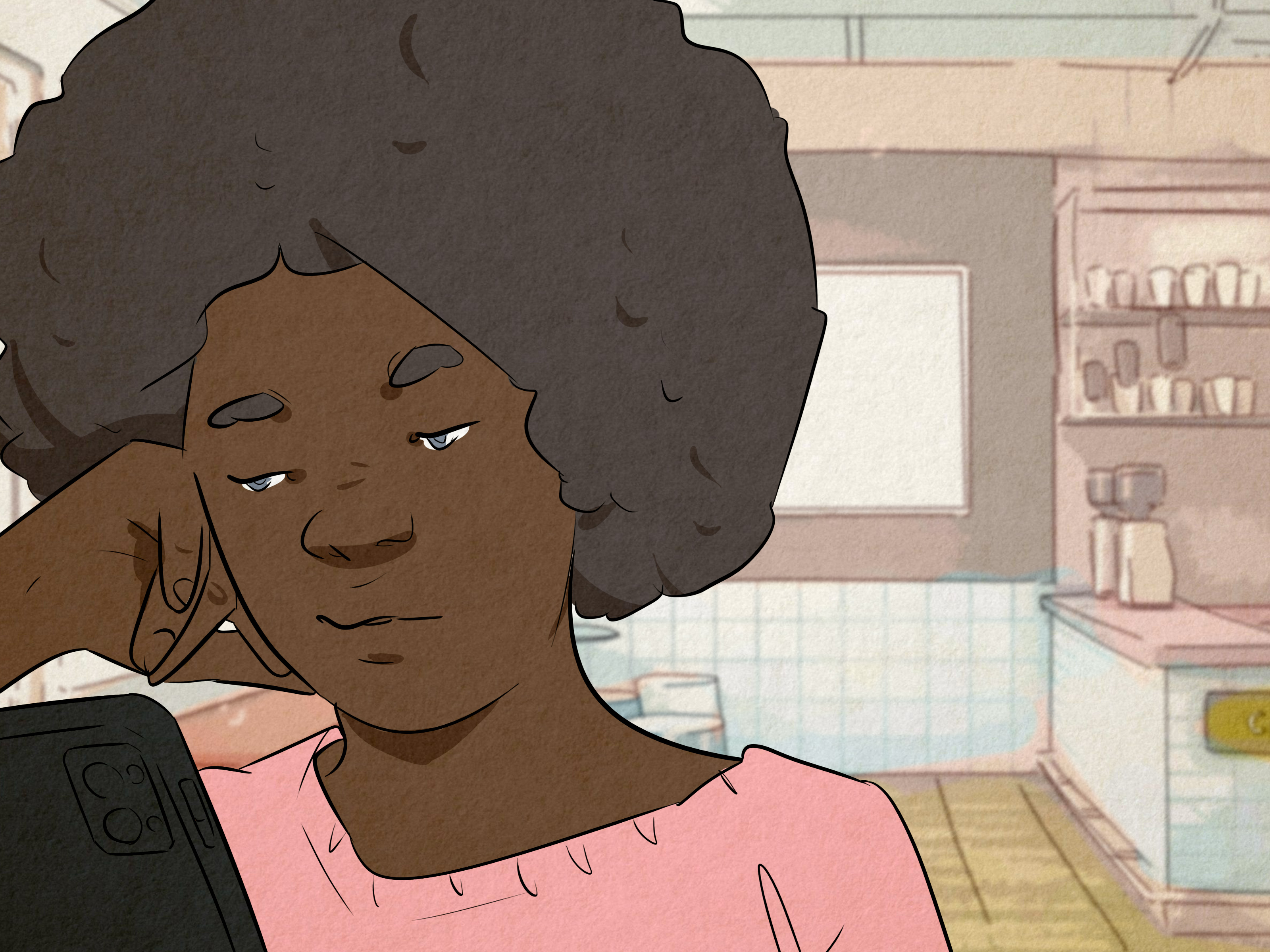
Another experience is the emotional strain of being believed. CRPS may not always look dramatic to others. A foot may be slightly discolored, a hand may be swollen only at certain times, or the person may look “fine” while sitting still. But the moment they try to walk, grip a cup, type an email, or wear a shoe, the pain becomes impossible to ignore. This gap between appearance and reality can make patients feel isolated.
Daily life may become a series of calculations. Can I stand long enough to shower? Will the grocery store be too cold? Can I wear this sleeve, or will the fabric feel like tiny cactus needles? Should I attend dinner if sitting for two hours will cause a flare? These are not signs of laziness. They are examples of how chronic pain forces the brain to budget energy like a very strict accountant.
Many patients also describe fear of movement. After all, if movement hurts, the natural response is to avoid it. But CRPS rehabilitation often involves slowly reintroducing movement so the brain and body can relearn safety. This can be emotionally challenging. Therapy may begin with tiny steps: looking at the limb in a mirror, touching different textures, moving one joint, placing weight through the foot, or practicing a simple daily task. Progress may look small from the outside, but for someone with CRPS, putting on a sock without panic can feel like winning a private Olympic medal.
Support makes a major difference. Helpful clinicians explain CRPS clearly, validate the pain, and create a plan that balances pain control with function. Helpful relatives do not demand instant improvement or compare CRPS with a normal sprain. They ask practical questions: “Do you need help carrying that?” “Is this chair comfortable?” “Would a warmer room help?” Small kindnesses can lower the emotional temperature of a very difficult condition.
Recovery stories vary. Some people improve significantly, especially with early treatment. Others manage long-term symptoms with therapy, medication, pacing, procedures, and lifestyle adjustments. The most realistic message is hopeful but honest: CRPS can be serious, but it is not hopeless. The right care team, early recognition, steady rehabilitation, and emotional support can help many people regain function and confidence.
Conclusion
Complex regional pain syndrome is a challenging chronic pain condition that usually affects a limb after injury, surgery, or nerve trauma. It comes in two main types: CRPS type 1, without confirmed nerve injury, and CRPS type 2, with known nerve injury. Symptoms may include burning pain, swelling, color changes, temperature changes, sweating changes, stiffness, weakness, and extreme sensitivity to touch.
The stages of CRPS can help describe early, middle, and chronic patterns, but every person’s experience is different. The condition likely involves abnormal nerve signaling, inflammation, immune activity, blood-flow changes, and movement-related changes. Early diagnosis and treatment are important. A comprehensive plan may include physical therapy, occupational therapy, medications, pain procedures, and psychological support.
If you suspect CRPS, do not ignore pain that feels unusually severe, persistent, or strange after an injury. The sooner the nervous system gets the right message, the better the chance of turning down the volume.