Sleep apnea is one of those health conditions that can sneak into your life wearing pajamas. One minute you think you are just a “heroic snorer,” and the next your partner is describing your nighttime breathing like a suspense movie: pause, silence, gasp, repeat. The good news? Sleep apnea is highly treatable, and today’s options go far beyond the old stereotype of one bulky machine humming beside the bed like a tiny spaceship.
Comparing sleep apnea treatments matters because not every case is the same. Some people have mild obstructive sleep apnea and do well with lifestyle changes or a custom oral appliance. Others need continuous positive airway pressure, better known as CPAP, to keep the airway open. Some people require bilevel PAP, adaptive servo-ventilation, positional therapy, nerve stimulation, or surgery. The “best” treatment is not always the fanciest one. It is the one that controls breathing interruptions, improves sleep quality, fits the person’s health needs, and can actually be used consistently.
This guide breaks down the major sleep apnea treatment options in plain English, with practical comparisons, pros and cons, and real-life examples. Think of it as a friendly map through the sleep clinic jungleminus the confusing acronyms hiding behind every tree.
What Sleep Apnea Treatment Is Trying to Fix
Sleep apnea causes repeated pauses or reductions in breathing during sleep. The most common type is obstructive sleep apnea, or OSA, which happens when the upper airway repeatedly narrows or collapses. Central sleep apnea is different: the brain does not consistently send proper breathing signals. Some people also develop complex or treatment-emergent sleep apnea, where central events appear during treatment for obstructive sleep apnea.
The treatment goal is simple, even if the technology is not: keep breathing stable, maintain oxygen levels, reduce sleep disruption, and help the person wake up feeling like a human instead of a phone stuck at 12% battery. Successful treatment can reduce daytime sleepiness, morning headaches, loud snoring, concentration problems, and health risks linked with untreated sleep apnea.
CPAP Therapy: The Most Common Standard Treatment
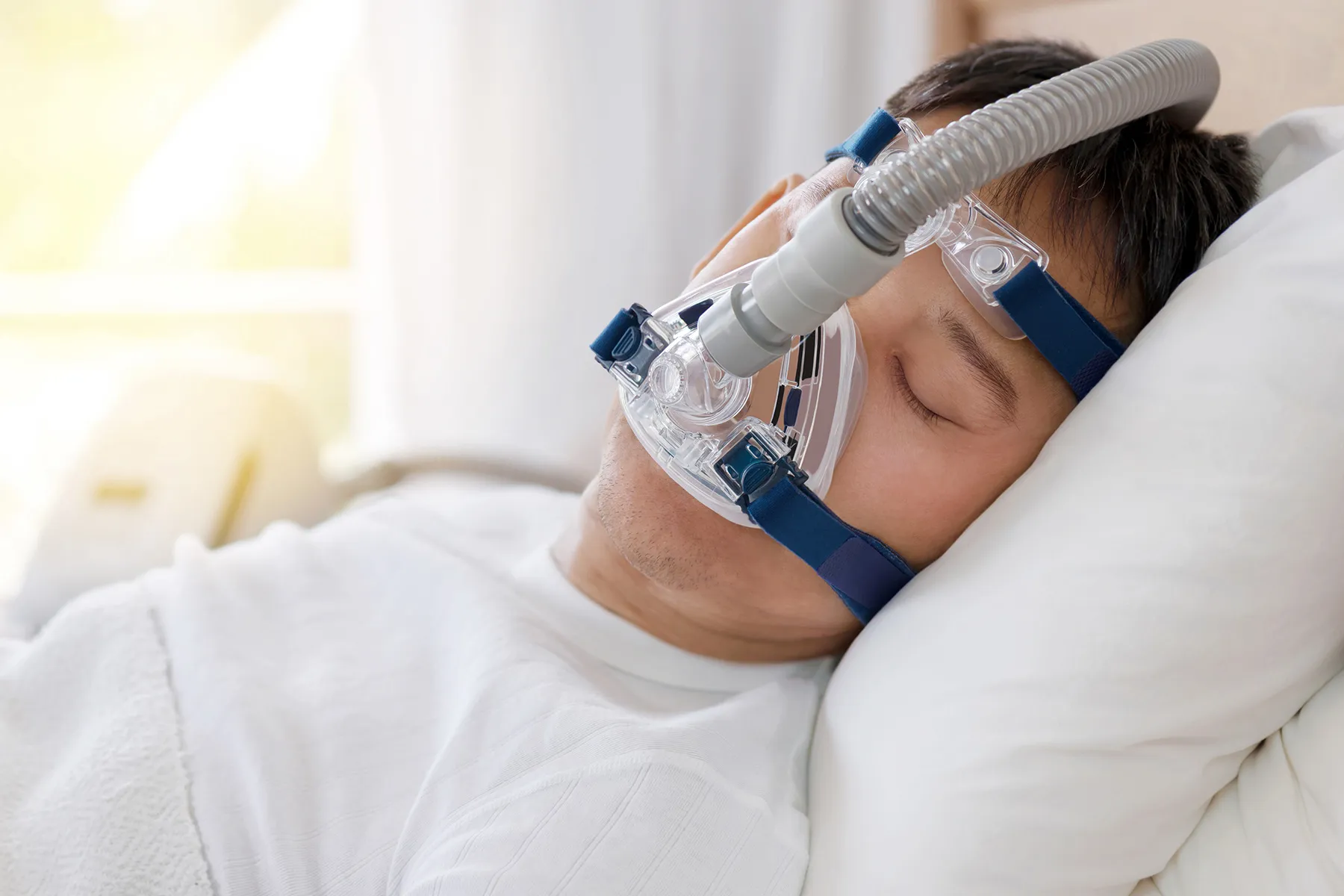
CPAP stands for continuous positive airway pressure. A CPAP machine sends a steady stream of air through a mask to keep the airway open during sleep. For many adults with moderate to severe obstructive sleep apnea, CPAP is the first treatment discussed because it is noninvasive, well studied, and highly effective when used consistently.
Best for
CPAP is often recommended for moderate to severe obstructive sleep apnea, people with significant daytime sleepiness, and patients whose sleep study shows frequent breathing interruptions. It may also be used in some cases of central sleep apnea, depending on the medical evaluation.
Pros
The biggest advantage of CPAP is effectiveness. It physically prevents airway collapse, often reducing apnea events dramatically. Many users notice better daytime energy, fewer morning headaches, less snoring, and improved alertness. Modern machines are quieter and more comfortable than older versions, and features like heated humidifiers, ramp settings, and different mask styles can make a big difference.
Cons
CPAP is not everyone’s bedtime best friend at first. Some users struggle with mask leaks, dry mouth, nasal congestion, pressure discomfort, or feeling claustrophobic. The machine also requires cleaning, supplies, and patience. In real life, success often depends less on the machine itself and more on troubleshooting: the right mask, the right pressure, and the right attitude when the hose tries to wrestle you at 2 a.m.
APAP and BPAP: When One Pressure Does Not Fit All
APAP, or auto-adjusting positive airway pressure, changes air pressure throughout the night based on breathing patterns. BPAP, or bilevel positive airway pressure, uses one pressure for inhaling and a lower pressure for exhaling. These options are often considered when standard CPAP is uncomfortable, ineffective, or not ideal for a person’s breathing pattern.
APAP compared with CPAP
APAP can feel more comfortable because it does not always deliver the same fixed pressure. It increases pressure when needed and lowers it when breathing is stable. For people whose apnea worsens during REM sleep, back sleeping, or nasal congestion, APAP may provide useful flexibility.
BPAP compared with CPAP
BPAP may be helpful for people who need higher pressure settings, have trouble exhaling against CPAP pressure, or have certain breathing disorders in addition to sleep apnea. It is usually more specialized and may cost more, but for the right patient it can turn “I cannot tolerate this” into “Actually, I slept.”
Oral Appliance Therapy: The Mouthguard-Style Alternative
Oral appliances are custom dental devices worn during sleep. The most common type is a mandibular advancement device, which gently moves the lower jaw forward to help keep the airway open. Another type, a tongue-retaining device, helps prevent the tongue from falling backward.
Best for
Oral appliance therapy is often considered for mild to moderate obstructive sleep apnea, people who cannot tolerate CPAP, frequent travelers, and those who prefer a smaller, mask-free treatment. It may also be used for severe sleep apnea when CPAP is refused or not tolerated, but follow-up testing is important to confirm that it is working well enough.
Pros
The main appeal is convenience. An oral appliance fits in a small case, does not require electricity, and looks less intimidating than a machine. For many people, that means better nightly use. A treatment that is slightly less powerful but used every night can sometimes beat a perfect treatment that stays in the closet next to abandoned exercise bands.
Cons
Oral appliances can cause jaw soreness, tooth discomfort, bite changes, excess saliva, or dry mouth. They should be fitted and adjusted by a qualified dentist, ideally in coordination with a sleep physician. Over-the-counter “snore guards” are not the same as custom titratable oral appliances for diagnosed sleep apnea.
Lifestyle Changes: Helpful, But Usually Not a Solo Act
Lifestyle changes can reduce sleep apnea severity, especially in mild cases or when excess weight, alcohol, smoking, or sleep position contribute to airway collapse. These changes may include weight management, regular physical activity, avoiding alcohol near bedtime, treating nasal congestion, stopping smoking, and sleeping on the side instead of the back.
Best for
Lifestyle strategies are useful for nearly everyone with obstructive sleep apnea, but they are especially important for people who are overweight, drink alcohol in the evening, use sedating medications, or have positional sleep apnea.
Pros
The benefits go beyond sleep. Weight management, exercise, and reduced alcohol intake can improve blood pressure, energy, metabolic health, mood, and overall wellness. Positional therapy can be surprisingly effective for people whose apnea mainly happens while sleeping on the back.
Cons
Lifestyle changes take time, and they may not fully treat moderate or severe sleep apnea on their own. Weight loss can reduce apnea severity, but many people still need CPAP, oral appliance therapy, or another direct treatment. The honest comparison: lifestyle changes are powerful support players, but they are not always the lead singer.
Positional Therapy: Training Your Body Not to Sleep Like a Starfish
Some people have positional obstructive sleep apnea, meaning breathing events are worse when they sleep on their back. Positional therapy uses special pillows, wearable devices, or gentle vibration trainers to encourage side sleeping.
Best for
This approach is best for people whose sleep study shows a clear difference between back sleeping and side sleeping. It is usually not enough for severe apnea that occurs in all positions.
Pros and cons
Positional therapy is simple, noninvasive, and relatively low-risk. However, long-term consistency can be tricky. People may start on their side and wake up on their back like they were quietly rolled by invisible furniture movers. Newer vibration devices may help, but follow-up testing is still important.
Surgery for Sleep Apnea: When Anatomy Needs a Remodel
Sleep apnea surgery aims to reduce airway blockage. Options may include nasal surgery, tonsil or adenoid removal, soft palate procedures, tongue-base surgery, jaw advancement surgery, or combinations of procedures. Surgery is not one-size-fits-all because airway obstruction can happen in different places.
Best for
Surgery may be considered when CPAP and oral appliances fail, when there is a clear anatomical blockage, or when enlarged tonsils, jaw structure, nasal obstruction, or other physical factors play a major role. Children with obstructive sleep apnea often have different surgical considerations than adults.
Pros
For selected patients, surgery can reduce apnea severity, improve airflow, reduce snoring, and make other treatments easier to use. Nasal surgery, for example, may not cure sleep apnea by itself but can improve CPAP comfort by making nasal breathing easier.
Cons
Surgery involves recovery time, cost, and medical risk. Results vary, and some people still need CPAP or another therapy afterward. A careful airway evaluation is essential before anyone signs up for “Operation Stop Snore.”
Hypoglossal Nerve Stimulation: The Implant Option
Hypoglossal nerve stimulation is an implanted treatment for obstructive sleep apnea. The device stimulates the nerve that moves the tongue, helping keep the airway open during sleep. The patient typically turns it on before bed with a remote.
Best for
This option is generally considered for adults with moderate to severe obstructive sleep apnea who cannot tolerate CPAP and meet specific medical criteria. Evaluation may include sleep testing, body mass index review, and airway examination.
Pros
For qualified patients, nerve stimulation can provide mask-free therapy with strong adherence because there is no nightly hose, mask, or water chamber. It can feel less disruptive than PAP therapy once healing and device adjustment are complete.
Cons
It requires surgery, follow-up programming, and eligibility screening. It is not for central sleep apnea and is not appropriate for every airway pattern. Insurance coverage may also require documentation that CPAP was tried and not tolerated.
ASV for Central or Complex Sleep Apnea
Adaptive servo-ventilation, or ASV, is a specialized PAP therapy that adjusts pressure in real time to stabilize breathing. It is more commonly used for certain forms of central sleep apnea, complex sleep apnea, or treatment-emergent central sleep apnea when standard CPAP does not solve the problem.
ASV is not a casual upgrade like choosing leather seats in a car. It requires medical evaluation, especially for people with heart failure, because it may not be recommended in some heart conditions. For the right patient, though, ASV can help smooth irregular breathing patterns during sleep.
Comparing Sleep Apnea Treatments Side by Side
| Treatment | Best Fit | Main Advantage | Main Challenge |
|---|---|---|---|
| CPAP | Moderate to severe obstructive sleep apnea | Highly effective and well studied | Mask comfort and nightly adherence |
| APAP | People needing variable pressure | Automatically adjusts during sleep | Still requires mask and machine use |
| BPAP | Higher pressure needs or exhalation discomfort | Easier breathing for some users | More specialized and often more expensive |
| Oral appliance | Mild to moderate OSA or CPAP intolerance | Portable and mask-free | May be less effective than CPAP for severe OSA |
| Lifestyle changes | All patients, especially mild or weight-related OSA | Improves overall health | May not be enough alone |
| Positional therapy | Back-sleeping-related apnea | Simple and noninvasive | Works only for selected patients |
| Surgery | Anatomical obstruction or failed conservative therapy | Can address structural blockage | Variable results and recovery time |
| Hypoglossal nerve stimulation | CPAP-intolerant moderate to severe OSA | Implanted, mask-free option | Surgery and strict eligibility criteria |
| ASV | Selected central or complex sleep apnea cases | Adapts breath by breath | Requires specialist evaluation |
How to Choose the Right Sleep Apnea Treatment
The right treatment depends on the type of sleep apnea, severity, oxygen levels, symptoms, anatomy, medical history, budget, insurance coverage, and personal comfort. A sleep study is usually the foundation for decision-making. Without testing, choosing a treatment is a bit like buying glasses without knowing your prescriptionconfident, but possibly very wrong.
For moderate to severe obstructive sleep apnea, CPAP or another PAP therapy is often the first strong choice. For mild to moderate OSA, oral appliances and lifestyle measures may be reasonable options. For people who cannot tolerate PAP therapy, oral appliances, surgery, or nerve stimulation may be considered. For central sleep apnea, the focus often shifts toward treating the underlying cause and using the appropriate PAP mode, such as CPAP, BPAP, or ASV.
Common Mistakes When Comparing Treatments
Choosing comfort without confirming effectiveness
A comfortable treatment is important, but comfort alone does not prove that apnea is controlled. Oral appliances, positional therapy, and surgery should often be followed by repeat testing or device data review.
Giving up on CPAP too quickly
Many CPAP problems are fixable. A different mask, humidifier adjustment, pressure change, nasal treatment, or ramp setting can completely change the experience. Before declaring CPAP “not for me,” it is worth troubleshooting with a sleep professional.
Assuming snoring equals sleep apnea control
Less snoring is nice, but the true goal is fewer breathing interruptions and better oxygen levels. A person can snore less and still have untreated sleep apnea.
Buying generic devices online
Generic mouthguards and anti-snore gadgets may sound tempting, especially when they promise miracle results before breakfast. Diagnosed sleep apnea needs medical guidance, not a mystery device from page seven of the internet.
Real-World Experiences: What Treatment Feels Like in Everyday Life
On paper, comparing sleep apnea treatments looks tidy. CPAP goes in one box, oral appliances in another, surgery in a third, and lifestyle changes get a polite little corner. In real life, the experience is more personal. Treatment does not happen in a clinic brochure; it happens in bedrooms, hotel rooms, camping trips, marriages, morning meetings, and the occasional midnight battle with a mask strap.
A person starting CPAP may feel discouraged during the first week. The mask feels strange, the airflow feels dramatic, and the machine may seem louder simply because the user is hyper-aware of it. But after a few adjustments, the same person may wake up one morning and realize they did not hit snooze five times. That moment can be a turning point. Many successful CPAP users say the secret is not instant love; it is patient problem-solving. Trying different mask styles, using humidification, cleaning supplies regularly, and asking for pressure adjustments can transform the experience.
Oral appliance users often describe a different kind of relief. They like that the device fits in a small case and does not require a power outlet. Travelers especially appreciate it. One common experience is jaw tenderness during the first few weeks, similar to the feeling after orthodontic adjustments. For many people, that improves as the dentist gradually adjusts the appliance. The key lesson is that follow-up matters. A dental device should not simply be handed over like a souvenir. It needs fitting, adjustment, and confirmation that breathing has improved.
Lifestyle changes can feel both empowering and frustrating. Someone may lose weight, reduce alcohol, start walking daily, and sleep betterbut still need CPAP. That can feel unfair, as if the body forgot to send a thank-you card. Still, these changes are not wasted. They can reduce pressure needs, improve heart health, and make other treatments work better. The most realistic mindset is to see lifestyle changes as part of a long-term sleep apnea management plan, not as a moral test or quick cure.
Surgery and nerve stimulation involve more decision-making. People considering these options often feel hopeful but cautious. The appeal is obvious: fewer nightly devices, less dependence on a mask, and a more permanent-feeling solution. But the process includes evaluation, possible imaging or airway exams, recovery, and follow-up. The experience is best when expectations are realistic. Surgery may reduce sleep apnea, improve CPAP tolerance, or help selected patients dramatically, but it is not a magic wand.
The most important experience across all treatments is partnership. Sleep apnea care works best when patients communicate honestly: “This mask leaks,” “My jaw hurts,” “I am still sleepy,” “I stopped using it because it annoyed me,” or “I need something that works when I travel.” A good clinician has heard it all. No one wins a medal for silently suffering through a treatment that could be adjusted. Comparing sleep apnea treatments is not about finding the most impressive technology. It is about finding the most effective plan that fits into a real human life.
Conclusion
Comparing sleep apnea treatments is less about choosing a winner and more about matching the treatment to the person. CPAP remains one of the most effective and widely used options, especially for moderate to severe obstructive sleep apnea. APAP and BPAP offer pressure flexibility for people who need something more tailored. Oral appliances can be excellent for mild to moderate OSA or CPAP intolerance. Lifestyle changes, positional therapy, surgery, hypoglossal nerve stimulation, and ASV each have their place when selected carefully.
The smartest approach is not to guess. Get properly evaluated, understand your type and severity of sleep apnea, compare options with a qualified sleep professional, and follow up to make sure the treatment is actually working. Better sleep is not a luxury item. It is maintenance for your brain, heart, mood, and daily sanity. And yes, your bed partner may also send a thank-you note.