Note: This article is for educational purposes only and is not a substitute for professional medical advice, diagnosis, or treatment.
Chronic myeloid leukemia, or CML, is one of those diseases that sounds like it belongs in a graduate textbook with a very strict dress code. But the story of CML is surprisingly human, dramatic, and, in a strange way, hopeful. It is one of the clearest examples in modern medicine of how a deadly cancer went from mystery to molecular target to a condition many people can manage for years, and sometimes decades, with pills instead of the old blunt-force medical tools.
If cancer history had a movie trailer, CML would deserve its own voice-over. First came puzzled doctors in the 1800s. Then came the discovery of the Philadelphia chromosome, a genetic clue that changed cancer biology forever. After that, scientists identified the BCR::ABL1 fusion gene, and eventually targeted it with drugs that rewrote the outlook for patients. Today, the conversation around chronic myeloid leukemia is no longer just about survival. It is also about quality of life, side effects, treatment goals, and, for some people, even treatment-free remission.
Here is what to know about the history of chronic myeloid leukemia and the treatments that define its modern era.
What is chronic myeloid leukemia?
Chronic myeloid leukemia is a blood and bone marrow cancer that starts in the cells that form myeloid blood cells. In most cases, CML is driven by a genetic abnormality called the Philadelphia chromosome. This happens when pieces of chromosomes 9 and 22 swap places, creating the BCR::ABL1 fusion gene. That fusion gene makes an abnormal tyrosine kinase protein that acts like a light switch jammed in the “on” position, telling cells to keep growing and dividing.
The result is a buildup of abnormal white blood cells in the blood and bone marrow. CML often grows more slowly than acute leukemias, especially in its earliest phase, which is one reason many people do not feel sick right away. In fact, some patients find out they have CML after a routine blood test rather than after dramatic symptoms. Talk about an unwanted surprise guest crashing a perfectly normal checkup.
When symptoms do appear, they can include fatigue, night sweats, fever, unintentional weight loss, bone pain, an enlarged spleen, belly fullness, or getting full quickly when eating. Doctors usually describe CML in three phases: chronic phase, accelerated phase, and blast phase. Most people are diagnosed in the chronic phase, which is also the phase where treatment tends to work best.
A short history of a very long medical detective story
The 1800s: doctors knew something was wrong, but not why
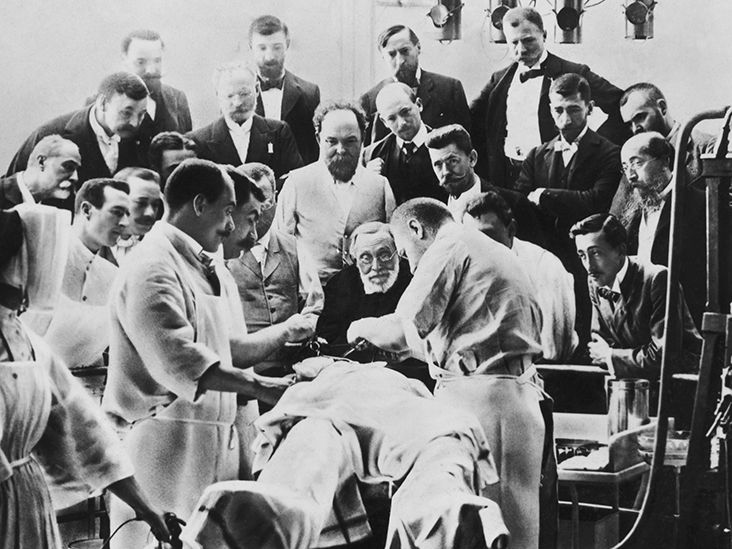
The earliest descriptions of what was likely CML appeared in the 1840s, when physicians in Europe reported patients with enlarged spleens and unusually high white blood cell counts. At the time, medicine could describe the problem better than it could explain it. Treatments were primitive by modern standards and often focused on symptom relief rather than precision. Arsenic, for example, had a role in early care, which sounds less like oncology and more like a Victorian crime novel.
1960: the Philadelphia chromosome enters the scene
One of the biggest turning points came in 1960, when researchers Peter Nowell and David Hungerford identified a tiny abnormal chromosome in cells from patients with CML. Because the discovery happened in Philadelphia, the abnormality became known as the Philadelphia chromosome. This was a landmark moment, not just for CML, but for cancer science overall. It helped show that cancer could be linked to a specific genetic abnormality rather than being treated as a vague cellular rebellion with no ringleader.
1973 and beyond: the chromosome swap is decoded
In 1973, Janet Rowley demonstrated that the Philadelphia chromosome was caused by a translocation between chromosomes 9 and 22. Later work identified the BCR::ABL1 fusion gene created by that swap and showed that its abnormal tyrosine kinase activity was the engine driving the disease. That discovery did not just add detail to the medical file. It handed researchers a target.
Before modern targeted therapy: useful, but imperfect tools
Before tyrosine kinase inhibitors changed everything, treatment for CML included splenic irradiation, busulfan, hydroxyurea, interferon-alpha, and allogeneic stem cell transplant. Some of these treatments could control blood counts or reduce symptoms. Interferon improved outcomes more than older drug options, and stem cell transplant offered a chance at cure for select patients. But these approaches often came with significant toxicity, limited durability, or strict eligibility requirements.
In plain English, doctors had tools, but they were more like hammers, saws, and sheer determination than the molecular lockpick that would arrive later.
The early 2000s: imatinib rewrites the script
The real revolution came with imatinib, the first tyrosine kinase inhibitor, or TKI, designed to block the BCR::ABL1 protein. It was approved in the early 2000s and quickly became the poster child for targeted cancer therapy. Imatinib did not simply improve care a little. It transformed the natural history of chronic myeloid leukemia. For many patients, especially those diagnosed in chronic phase, the disease shifted from a life-threatening cancer with limited long-term options into a chronic condition that could often be controlled for years with daily oral therapy.
That success also opened the door for newer generations of TKIs, each designed to improve potency, overcome resistance, address certain mutations, or give doctors more flexibility in matching treatment to a patient’s needs.
How CML is diagnosed today
Diagnosing CML usually starts with blood work, but it does not end there. A complete blood count may show elevated white blood cells, anemia, or platelet changes. A bone marrow test may help confirm the diagnosis and evaluate disease burden. Cytogenetic tests, fluorescence in situ hybridization, and molecular testing are used to detect the Philadelphia chromosome or the BCR::ABL1 fusion gene.
One of the most important tools in modern CML care is quantitative polymerase chain reaction, often called qPCR. This test measures the amount of BCR::ABL1 in the blood on an international scale. It is not just a diagnosis tool. It is how doctors track whether treatment is working, how deeply the leukemia has responded, and whether a patient may someday be eligible to stop therapy under close supervision.
Current treatments for chronic myeloid leukemia
Tyrosine kinase inhibitors are the main event
For most people with chronic-phase CML, tyrosine kinase inhibitors are the standard first treatment. These drugs target the abnormal BCR::ABL1 kinase that drives the disease. Current TKI options include:
- Imatinib, the first-generation TKI that changed CML treatment forever
- Dasatinib, a second-generation TKI often used as first-line or later-line therapy
- Nilotinib, another second-generation option with strong molecular response rates
- Bosutinib, which can be used upfront or after other TKIs
- Ponatinib, especially important for some resistant disease, including certain mutations such as T315I
- Asciminib, a newer drug with a different mechanism that targets the ABL myristoyl pocket and has expanded options for resistant disease and, more recently, newly diagnosed chronic-phase CML in adults
Asciminib deserves special mention because it is not just “more of the same.” It works differently from the ATP-competitive TKIs and has become an important option for patients with resistance, intolerance, or specific mutations. More recently, it also moved into the frontline setting for newly diagnosed adult patients with Philadelphia chromosome-positive chronic-phase CML. In the world of leukemia therapy, that is a notable promotion.
How doctors choose among TKIs
There is no single “best” TKI for every patient. Treatment choice can depend on the phase of CML, the patient’s age, cardiovascular risk, other medical conditions, side effect profiles, drug interactions, pregnancy considerations, mutation testing, treatment goals, and how quickly a strong molecular response is needed.
For example, a doctor may think carefully about heart and blood vessel risks when choosing among TKIs, or may switch treatment if a patient develops pleural effusions, liver issues, pancreatitis, troublesome fatigue, or other adverse effects. Sometimes the right drug is the one that works well and also lets a person keep doing ordinary human things, like working, parenting, exercising, or remembering what it feels like not to organize life around pharmacy refills.
Monitoring matters almost as much as the drug
Modern CML care is not just “take pill, hope for best.” It is a monitoring-heavy disease, and that is actually good news. Doctors follow blood counts and qPCR results over time to see whether the BCR::ABL1 level is dropping as expected. Milestones at around 3, 6, and 12 months help guide decisions. If response is too slow, if the disease stops responding, or if side effects become a major issue, treatment may be adjusted.
This regular molecular monitoring is one of the reasons CML care has become so precise. It gives doctors a kind of disease dashboard rather than forcing them to drive blind.
Treatment-free remission: the new dream, for selected patients
One of the most exciting developments in CML is treatment-free remission, or TFR. This means some patients who have had a deep, stable molecular response for a long enough period may be able to stop their TKI under expert supervision and remain in remission without ongoing therapy. This is not appropriate for everyone, and it definitely is not a DIY project. Patients need strict eligibility criteria, close monitoring, and a plan for restarting treatment if molecular relapse occurs.
Still, the very fact that treatment-free remission is a realistic goal for some people shows how dramatically the field has changed. A few decades ago, the goal was survival. Today, in carefully selected cases, the goal may also include life with fewer pills.
Stem cell transplant still matters, but its role is different now
Allogeneic stem cell transplant remains the main established curative treatment for CML, but it is no longer the routine first choice for most people in chronic phase. That shift happened because TKIs are usually highly effective and far less risky than transplant. Today, transplant is more often considered for patients with advanced-phase disease, TKI resistance, specific high-risk features, or failure of multiple lines of therapy.
So yes, transplant is still on the board. It is just no longer the opening move for most patients.
Other treatments and special situations
Chemotherapy is not the standard go-to treatment for chronic-phase CML anymore, though it may play a role in blast phase, especially when the disease behaves more like acute leukemia. Interferon-alpha is not the star it once was, but it may still be useful in special circumstances, including some pregnancy-related situations when TKIs are avoided. Supportive care, side effect management, vaccination planning, infection prevention, and attention to mental health also matter more than many people expect at diagnosis.
Treatment by CML phase
Chronic phase
Most patients are diagnosed here, and this is where TKIs have their greatest success. Many people can achieve excellent long-term disease control, deep molecular responses, and a strong quality of life when treatment is started early and monitored carefully.
Accelerated phase
Accelerated phase is more aggressive and may reflect additional mutations or emerging resistance. Treatment often involves a more potent or alternative TKI, closer monitoring, and early evaluation for allogeneic stem cell transplant in appropriate patients.
Blast phase
Blast phase behaves more like an acute leukemia and is much more urgent. Treatment may combine a TKI with intensive chemotherapy, depending on whether the blasts resemble acute myeloid leukemia or acute lymphoblastic leukemia. If remission can be achieved, stem cell transplant is often considered.
What outcomes look like now
The outlook for chronic myeloid leukemia is far better than it used to be. Many people diagnosed in chronic phase now live for years or decades, and some studies have shown survival approaching that of the general population for selected patients who respond well. That does not mean CML is trivial or that treatment is effortless. It means medicine got much smarter.
In the United States, CML remains relatively rare, and it is more common in older adults. Even so, it stands as one of the clearest success stories in oncology because researchers were able to trace a cancer to a specific molecular abnormality and then build therapies to block it. That is not just good science. That is science showing off a little.
Experiences related to chronic myeloid leukemia: what patients and families often go through
Living with chronic myeloid leukemia can be emotionally strange because the disease often sits in an awkward in-between category. It is serious, but it may not look dramatic from the outside. Many people are diagnosed after routine lab work, which means the emotional whiplash can be intense. One minute a person is scheduling errands, and the next minute they are learning phrases like “molecular response” and “BCR::ABL1 transcript level.”
After diagnosis, many patients describe a steep learning curve. CML treatment may be oral, but that does not make it casual. A daily TKI can become part of the architecture of life: taking medication on schedule, dealing with food restrictions for certain drugs, keeping track of lab appointments, and learning which side effects are annoying versus which need a prompt call to the care team. Fatigue, muscle cramps, swelling, nausea, diarrhea, headaches, rash, and fluid retention can affect daily routines in very practical ways. People are often relieved that treatment exists, yet frustrated that “getting better” can still feel like work.
Another common experience is scanxiety’s quieter cousin: labxiety. Because qPCR results are such a central part of monitoring CML, patients may find themselves waiting on percentages the way other people wait on playoff scores. A tiny change can feel huge, even when the doctor is not alarmed. This is one reason good communication matters so much. Patients often do better when clinicians explain not just the number itself, but the trend, the milestone, and the actual plan.
Families and caregivers also go through their own version of adjustment. Because many people with CML look well, loved ones may assume treatment is easy or that the cancer is “basically gone.” But long-term cancer management can be physically and emotionally tiring. The need for regular testing, medication adherence, insurance approvals, and side effect management can wear people down, even when the disease is well controlled. Invisible effort is still effort.
Work, travel, and future planning can also feel different after a CML diagnosis. Some people continue most of their regular activities, while others need time to adapt to side effects or medication changes. Younger adults may have questions about fertility, pregnancy, career timing, and the long arc of living with a chronic cancer diagnosis. Older adults may be juggling CML alongside heart disease, diabetes, or other health issues that affect TKI choice and tolerance.
For some patients, the later possibility of treatment-free remission brings a new emotional challenge. Stopping a drug after years of depending on it can feel exciting, but also unnerving. Patients may worry that losing the daily pill means losing their protection. Ironically, success can be stressful too.
The most grounded experience-based lesson is this: CML care is not only about choosing the right drug. It is also about building a sustainable life around treatment, monitoring, support, and honest conversations about goals. When that happens, many people with chronic myeloid leukemia are able to move from pure crisis mode into something more stable, hopeful, and human.
Final thoughts
The history of chronic myeloid leukemia is one of the great scientific detective stories in cancer medicine. Doctors first recognized the illness long before they understood it. Researchers then uncovered the Philadelphia chromosome, decoded the BCR::ABL1 fusion gene, and helped turn CML into a model for targeted therapy. Today, treatment includes an expanding lineup of TKIs, more personalized decision-making, better molecular monitoring, and, for some patients, the possibility of treatment-free remission.
That does not make CML simple, easy, or the kind of diagnosis anyone would casually add to a vision board. But it does mean that the modern treatment era has changed the outlook in extraordinary ways. If the early history of CML was about mystery, the current chapter is about precision, persistence, and progress that is still unfolding.