If you’ve ever stared at a shipping tracker like it’s a reality show (“Will the Pacific Princess of Stuff I Ordered ever make landfall?”),
you already understand the emotional arc of port congestion: denial, refreshing, bargaining, and finallysweet, sweet movement.
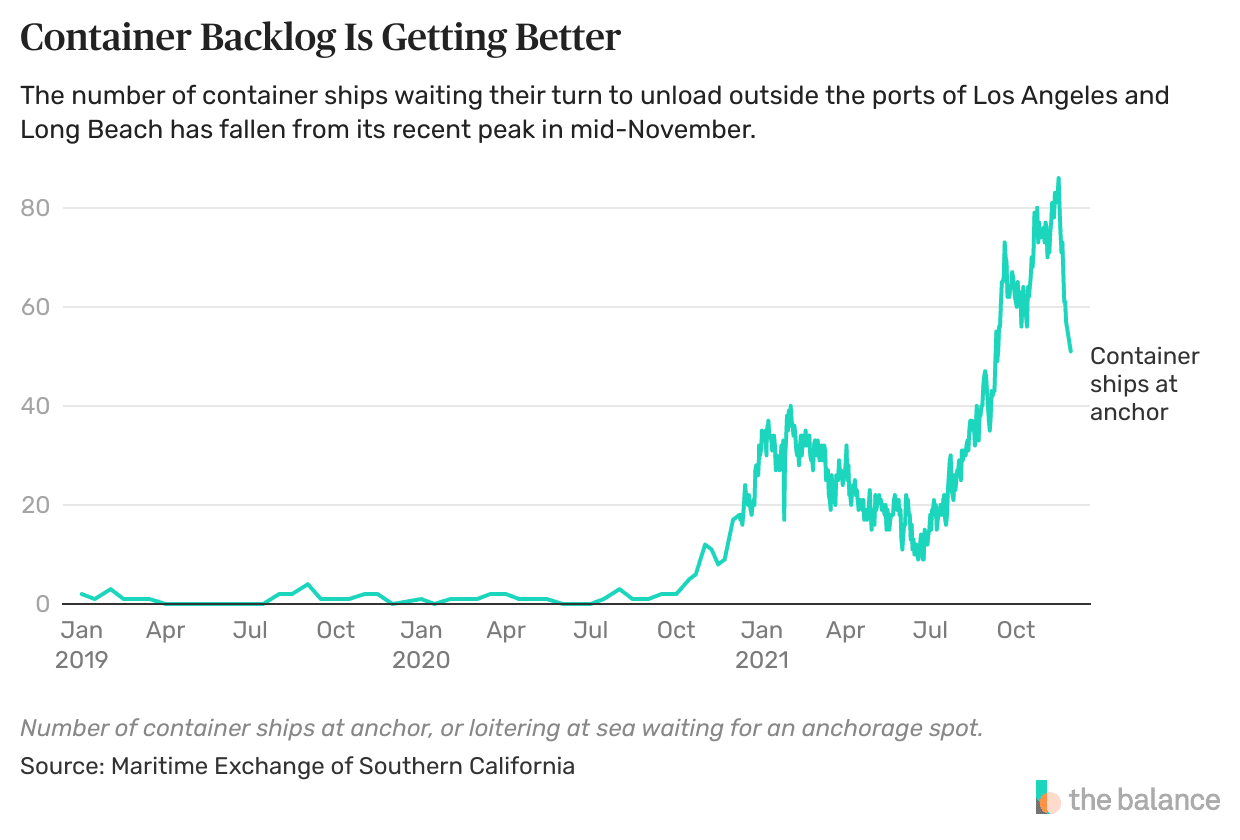
Over the past couple of years, the most visible symptom of the supply chain headachethe line of cargo ships waiting offshorehas eased in many
U.S. gateways, helping unclog a bottleneck that once made “in stock” feel like a bold work of fiction.
But here’s the plot twist: fewer ships outside the harbor doesn’t mean the supply chain is “fixed.” It means the traffic jam changed lanes.
The backup abated, yesyet the system still depends on how fast containers move through terminals, onto trucks and trains, and into warehouses
that don’t magically grow extra square footage when everyone decides to restock at the same time.
The Backlog: What It Looked Like (and Why It Mattered)
A floating parking lot outside major ports
During the worst of the congestion era, “arrival” didn’t mean “arrived.” Vessels could sit offshore for days (or longer), waiting for a berth
at ports like Los Angeles and Long Beach. The queue became so notorious that it was tracked like weather. In other words:
“chance of container delays, 80%.”
That offshore line was a big deal because it was the most obvious, measurable part of a bigger system problem.
When ships can’t berth, containers can’t unload. When containers can’t unload, truckers can’t pick up. When truckers can’t pick up,
warehouses can’t receive. When warehouses can’t receive… retail shelves start auditioning for a minimalist lifestyle brand.
Supply bottleneck 101: it’s not “one jam,” it’s a chain reaction
“Supply chain bottleneck” sounds like a single choke point. In reality, it’s a relay race where someone dropped the baton, the baton rolled
under a couch, and the couch is a 40-foot container full of patio furniture.
- At sea: vessel schedules bunch up (late ships arrive together, like everyone showing up at the party at once).
- At the terminal: limited cranes, yard space, labor, and gate capacity slow container flow.
- On land: shortages of chassis, truck appointments, warehouse space, and rail capacity create “inland congestion.”
- In planning: demand spikes (holiday, tariff deadlines, promotions) can overwhelm the networkeven if ships are on time.
Why the Cargo Ship Backup Abated
1) Demand cooled and buying patterns normalized (mostly)
One major reason offshore backups eased: the surge-level demand that fueled peak congestion didn’t stay permanently supercharged.
As consumer spending shifted and inventories rebuilt, the system got breathing room.
Retail import forecasts also pointed to slower growth and periods of decline, which can reduce pressure on ports and vessel queues.
Less “everything, everywhere, all at once” means fewer ships stacked outside the harbor.
That doesn’t mean demand is calm forever. Trade policy uncertainty and tariff timing have repeatedly encouraged “front-loading”
importing earlier than usual to beat cost increasesfollowed by air pockets where volumes drop. The ocean doesn’t love whiplash.
But when volumes soften, queues tend to shrink.
2) Ports changed the rules: appointments, extended gates, and better choreography
U.S. ports and terminals didn’t just wait for good newsthey reworked processes. The big operational win was reducing “surprise arrivals”
and smoothing the flow of ships and containers. Appointment systems, improved visibility tools, and more coordinated planning all helped.
One widely discussed change was the move toward an ETA-based queuing approach in Southern California. Instead of a chaotic anchor party,
ships were encouraged to time arrivals more deliberately and wait farther offshore until closer to their scheduled berth window.
Research and port-adjacent reporting suggested that better queue management can reduce unnecessary idling and even cut emissions,
because ships can slow steam rather than race to sit and wait.
3) The “invisible” constraints eased: labor stability, equipment, and yard space
The offshore queue is what you see from the beach. The real bottlenecks often live inside the terminal:
container stacks that don’t move, limited chassis availability, and rail dwell that turns a yard into a storage unit with security guards.
As staffing stabilized and equipment availability improved (in fits and starts), terminals were able to keep containers flowing faster.
When containers exit terminals faster, ships don’t have to wait as long to unload the next batch. That’s how you go from “backlog” to “throughput”:
not by adding magic, but by reducing dwell time and increasing turns.
4) More pressure on “junk fees” and clearer rules around detention and demurrage
Detention and demurrage charges are meant to encourage container and equipment velocity. But during congestion, shippers argued they were being billed
even when they couldn’t physically pick up boxes due to terminal constraints. In response, U.S. regulators moved toward clearer billing expectations,
dispute processes, and transparency. Cleaner rules don’t unload a ship by themselves, but they can reduce friction, speed up problem-solving,
and encourage behaviors that keep freight moving.
How Easing Congestion Changes the Supply Chain (and Your Shopping Cart)
More predictable lead times (translation: planning becomes less of a haunted art)
When ship backups shrink, importers can plan with fewer “mystery weeks” in the timeline. That matters because a supply chain is basically a schedule
with a budget attached. If arrival dates become more reliable, businesses can carry less excess “just in case” inventory and still stay in stock.
Predictability is an underrated form of cost control.
Freight costs can softenbut volatility still has a favorite seat at the table
Congestion tends to raise costs through a stack of fees: longer transit times, higher spot rates, congestion surcharges, and the pricey downstream effects
of missed delivery windows. When bottlenecks ease, those pressure points can relax.
Freight market updates and rate trackers often show that easing congestion and softer demand can contribute to falling or stabilizing ratesthough
geopolitical disruptions and policy changes can flip the script quickly.
Inventory strategies rebalance: from “just-in-time” to “just-in-case”… and maybe back again
After living through delays, many companies shifted toward holding more inventory and diversifying suppliers.
When backups ease, the temptation is to slim down again. The smart middle ground looks like this:
hold buffers for critical items, diversify sourcing where it actually reduces risk, and use better visibility tools so you’re not guessing.
Bottleneck Isn’t GoneIt Just Moved
Vessel queues versus container dwell time: different symptom, same disease
A port can have few ships waiting offshore and still be congested if containers sit too long inside the terminal.
Think of it like a restaurant: the line at the door can be short while the kitchen is buried in tickets.
Some analytics firms point out that vessel queuing has improved in many places, while container dwell time remains a stubborn bottleneckespecially
during seasonal surges.
Inland choke points: rail ramps, chassis supply, and warehouse capacity
Even if the port is moving, inland networks can choke. Rail dwell can rise when intermodal networks get swamped.
Chassis shortages can strand containers.
Warehouses can hit capacity and start “appointment rationing,” which slows inbound flow.
The supply chain is a system, so the bottleneck tends to pop up wherever capacity is tightest at that moment.
Regional swings: when one coast looks smooth, the other might be sweating
U.S. cargo doesn’t move through one port; it moves through a portfolio of gateways.
Disruptions like canal constraints, labor concerns, extreme weather, or tariff-driven routing changes can shift volumes between West Coast,
East Coast, and Gulf ports. That’s why you’ll see periods where one region clears while another builds delays.
What Businesses Can Do When the Line Starts Moving Again
Lock in the basics: forecasting, booking discipline, and realistic buffers
When the backlog abates, the goal isn’t to “go back to normal” like nothing happened. It’s to run smarter than before:
forecast using multiple scenarios (baseline + surge + disruption), book earlier for peak periods, and maintain buffers for the items
that would cause a real business meltdown if delayed.
- Contract strategy: split volume between contract and spot exposure so you can flex without panic-buying capacity.
- Routing diversity: qualify alternate ports and inland paths before you need them (not during the emergency).
- Visibility: track containers with milestone alerts so exceptions are managed early, not after a missed launch date.
Prepare for policy-driven surges (a.k.a. “tariff weather”)
Recent years have shown how trade policy can reshape flows quickly: companies rush imports ahead of deadlines, then pull back once costs rise.
The operational takeaway is simple: surges aren’t always caused by consumer demandthey can be caused by paperwork and timing.
If you operate in categories heavily exposed to tariffs, build a playbook for front-loading without turning your warehouse into a maze.
Watch List: What Could Re-Ignite Backups Fast
Trade policy shocks and sudden volume swings
Tariffs and port-related fees can disrupt routing decisions and carrier networks. When carriers reshuffle vessels to avoid costs or comply with new rules,
capacity can tighten and schedules can unravel. That’s how you can end up with localized congestion even when global capacity looks adequate.
Route disruptions: canal limits and longer voyages
When key routes face constraintslike limits on canal transits or security-driven reroutesships travel farther, schedules bunch,
and “on-time” becomes a suggestion. Longer voyages absorb capacity and can spill congestion into ports that weren’t the original problem.
Weather and infrastructure surprises
Major incidents can force cargo reroutes and create temporary surges at alternate ports. Even without a headline event,
storms can interrupt berthing windows, rail operations, and truck drayagecreating the same result: delay stacking.
FAQ: Quick Answers for Non-Shipping Nerds (and Shipping Nerds Who Pretend They’re Not)
How do ports measure congestion?
Common measures include: number of vessels waiting, average time from arrival to berth, container dwell time in the terminal,
truck turn times, and rail dwell times. The key is to watch both offshore (vessel queue) and on-dock (container dwell).
What’s the difference between demurrage and detention?
Demurrage typically applies when a container stays too long at the terminal.
Detention applies when equipment (like the container or chassis, depending on the charge structure) is kept too long outside the terminal.
Both are designed to encourage faster turnsthough in heavy congestion, disputes can arise over what was actually within a shipper’s control.
Does fewer ships offshore mean the supply chain is “fixed”?
It means a major symptom improvedgreat news. But the supply chain can still be constrained by inland transport,
warehouse capacity, rail performance, and demand spikes. Think of it as: the highway cleared, but the exit ramp can still jam.
What’s a TEU?
TEU stands for “twenty-foot equivalent unit.” It’s the standard way ports and shipping companies measure container volume.
One 20-foot container = 1 TEU. A 40-foot container = 2 TEUs.
Conclusion: The Jam ClearedNow Keep the System Moving
When the cargo ship backup abates, the supply bottleneck eases in a way everyone can feel: steadier deliveries, fewer emergency workarounds,
and less time spent explaining to customers that their order is “somewhere between the ocean and destiny.”
But the big lesson is not “congestion is over.” The lesson is that the supply chain behaves like a living system: it tightens where capacity is scarce,
and it relaxes when operations, visibility, and demand align.
The smartest response isn’t panic when queues growor amnesia when they shrink. It’s building resilience: flexible routing, realistic buffers,
clear contracts, better data, and operational habits that keep containers moving before “moving” becomes the headline again.
Experiences From the Field: What It Feels Like When the Backup Finally Clears (500+ Words)
1) The importer who stopped “guessing” and started scheduling
One apparel importer described the backlog era as “planning by superstition.” You’d book ocean freight, then pad the timeline with a mystery buffer:
two weeks? six weeks? a small prayer? When the vessel queue eased, the biggest relief wasn’t speedit was confidence.
The team could time promotions and replenishment with fewer last-minute scrambles. They still kept safety stock for best-sellers,
but they no longer needed to over-order everything just to avoid the embarrassment of an empty product page. The new normal became:
track milestones, manage exceptions early, and treat the ETA like a living forecast instead of a carved-in-stone promise.
2) The trucking dispatcher who finally saw a “boring” week
A drayage dispatcher (the person coordinating short-haul container moves) said peak congestion felt like playing Tetris while someone keeps changing
the shape of the pieces. Appointments would vanish, terminals would get jammed, and drivers would burn hours waitinghours that nobody gets back.
As backups eased, the dispatcher’s favorite sound returned: a phone that isn’t ringing in panic. With more predictable terminal flow,
dispatch could build efficient routes instead of chasing fires. The surprising upside? Driver retention improved, because fewer “wasted” days
made the job feel less like a gamble.
3) The warehouse manager who reclaimed their floor space (and sanity)
In heavy congestion, warehouses can become accidental storage for “everything that arrived late, all at once.”
A warehouse manager at a consumer goods company described the post-backlog period as “getting the building back.”
Instead of surprise container dumps, inbound receipts were more evenly distributed. That meant fewer temporary labor spikes,
fewer rushed cross-docks, and fewer moments where the only way to create space was to play forklift chess at midnight.
They still planned for peak season, but it became a planned surgenot a chaotic avalanche.
4) The small business owner who learned to love boring logistics
For small businesses, the backlog era wasn’t an inconvenienceit was existential. A home décor shop owner shared that delays forced them to
refund orders, miss seasonal windows, and pay premium freight to salvage timelines. When vessel queues shrank and supply became steadier,
the owner didn’t throw a party. They did something more practical: they renegotiated reorder points, diversified suppliers for a few high-risk SKUs,
and built a modest cash buffer for freight surprises. The big emotional change was trust: trust that “in transit” wouldn’t turn into
“in transit forever.”
5) The shopper who didn’t noticeuntil prices stabilized
Most consumers don’t track berth windows. They track prices and availability.
When the worst bottlenecks eased, the benefit arrived quietly: fewer “out of stock” signs, fewer shipping-delay emails, and less of that
odd sensation that every purchase came with a side quest. Not everything got cheaperbecause prices reflect lots of costs beyond freight
but the system felt less brittle. That’s what easing bottlenecks really buys: resilience you don’t think about every day.
And honestly, that’s the dream. A supply chain that’s so boring you forget it existsuntil the day it saves you.