Note: This article is for educational purposes only and is not a substitute for professional medical advice, diagnosis, or treatment. Anyone with chest pain, fainting, severe shortness of breath, confusion, or a very slow heart rate with symptoms should seek urgent medical care.
What Is Bradycardia?
Bradycardia, also called a low heart rate or slow heart rate, happens when the heart beats more slowly than expected. For most adults at rest, a typical heart rate is about 60 to 100 beats per minute. In many medical discussions, bradycardia means a resting heart rate below 60 beats per minute.
That number sounds simple, but the human body likes to add footnotes. A resting pulse of 52 may be perfectly normal for a trained runner, a sleeping person, or someone whose heart works like a fuel-efficient hybrid. On the other hand, a pulse of 52 with dizziness, fainting, chest discomfort, or shortness of breath deserves medical attention. In bradycardia, the real question is not just “How low is the number?” but “Is the heart pumping enough blood for the brain, lungs, muscles, and organs?”
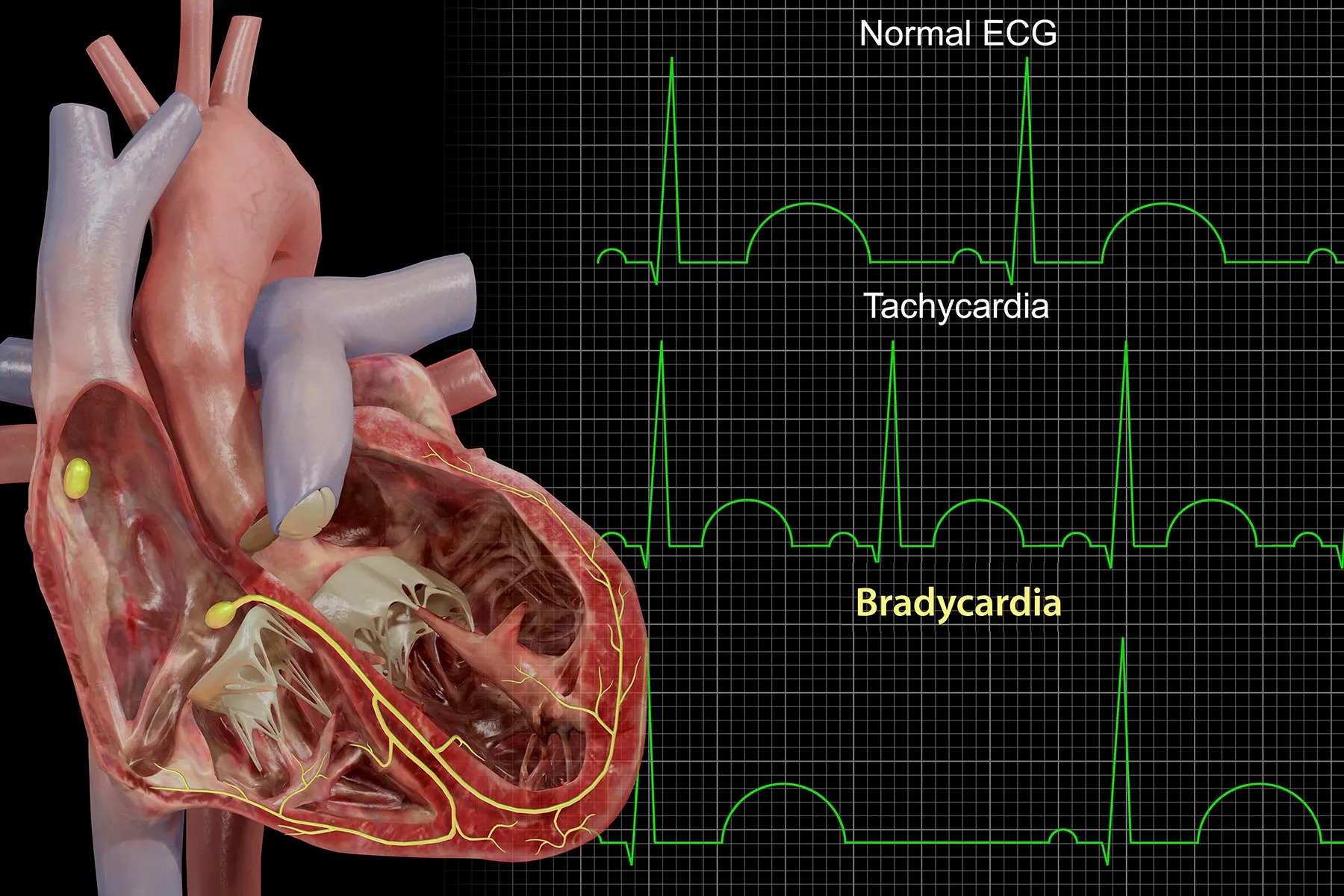
The heart has its own electrical system. The signal usually begins in the sinus node, the heart’s natural pacemaker, then travels through the upper chambers, the atrioventricular node, and into the lower pumping chambers. When that electrical timing slows down or signals are delayed, the heart may beat too slowly. Sometimes this is harmless. Sometimes it is the body waving a tiny red flag and saying, “Please check the wiring.”
When Is a Low Heart Rate Normal?
A low resting heart rate is not automatically a medical emergency. Athletes, physically active people, and healthy young adults may have resting heart rates in the 40s or 50s because their hearts pump blood efficiently. During sleep, heart rate also naturally drops. In these cases, bradycardia may simply mean the heart is doing its job without unnecessary drama.
Think of it like a quiet engine. A well-tuned car does not have to roar at every stoplight. Likewise, a well-conditioned heart may move blood effectively with fewer beats. The key difference is symptoms. If a person feels strong, clear-headed, and able to exercise normally, a slower heart rate may not require treatment. If the same number comes with weakness, fainting, or breathlessness, the situation changes.
Signs That a Low Heart Rate May Be a Problem
Bradycardia becomes concerning when the heart cannot pump enough oxygen-rich blood to meet the body’s needs. Symptoms may appear suddenly or develop gradually. Some people notice that climbing stairs feels harder. Others feel lightheaded when standing. Some discover the issue during a routine exam, smartwatch alert, or electrocardiogram.
Common Symptoms of Bradycardia
Many people with bradycardia have no symptoms. When symptoms do occur, they often reflect reduced blood flow, especially to the brain. The most common symptoms include:
- Dizziness or lightheadedness
- Fainting or near-fainting
- Unusual fatigue or weakness
- Shortness of breath
- Chest pain or pressure
- Confusion, trouble concentrating, or memory problems
- Reduced ability to exercise
- Heart palpitations or awareness of skipped beats
Symptoms may be easy to dismiss. A person might blame fatigue on a busy week, dizziness on skipping breakfast, or breathlessness on being “out of shape.” Sometimes that is true. But when these symptoms repeat, worsen, or appear with a very low pulse, it is time to call a healthcare professional.
Emergency warning signs include fainting, severe dizziness, chest pain, trouble breathing, blue or gray lips, severe weakness, confusion, or symptoms after starting a new heart medication. In those cases, waiting it out is not a heroic strategy. It is more like ignoring a smoke alarm because the kitchen “probably just has vibes.”
What Causes Bradycardia?
Bradycardia can have many causes, ranging from normal physical conditioning to serious electrical problems in the heart. Understanding the cause matters because treatment depends on what is slowing the heart down.
1. Aging and Changes in the Heart’s Electrical System
As people age, the heart’s electrical pathways may become less reliable. The sinus node may fire more slowly, or signals may travel less smoothly between the upper and lower chambers. This can lead to sinus node dysfunction, heart block, or other bradyarrhythmias. These conditions are more common in older adults, especially those with other heart conditions.
2. Heart Disease or Previous Heart Damage
Coronary artery disease, heart attack, heart failure, myocarditis, and structural heart problems can damage the heart muscle or electrical system. When the heart’s wiring is affected, rhythm problems may appear. Bradycardia may also occur after certain heart surgeries or procedures.
3. Medications
Some medications slow the heart rate as part of their intended effect. These may include beta-blockers, certain calcium channel blockers, digoxin, some antiarrhythmic drugs, and certain sedatives or medications used for other conditions. This does not mean these medicines are “bad.” Many are helpful and even lifesaving. But if the dose is too strong for a particular person, or if medications interact, the heart rate may drop too low.
4. Hypothyroidism
An underactive thyroid can slow many body systems, including heart rate. People with hypothyroidism may also feel cold, tired, constipated, depressed, or notice dry skin and weight changes. Treating thyroid disease may improve the slow heart rate if thyroid dysfunction is the underlying cause.
5. Sleep Apnea
Sleep apnea can affect oxygen levels and heart rhythm during the night. Repeated pauses in breathing may trigger changes in heart rate and rhythm. Treating sleep apnea can reduce rhythm disturbances and improve energy, sleep quality, and overall cardiovascular health.
6. Electrolyte Imbalances
The heart depends on minerals such as potassium, calcium, magnesium, and sodium to conduct electrical signals. When these electrolytes are too high or too low, heart rhythm can be affected. Electrolyte problems may occur with kidney disease, dehydration, vomiting, diarrhea, certain medications, or serious illness.
7. Infections and Inflammation
Some infections can affect the heart or its electrical system. Myocarditis, Lyme disease, and other inflammatory conditions may cause rhythm changes, including bradycardia. Treatment focuses on the underlying infection or inflammatory process.
8. High Athletic Conditioning
Endurance athletes often have slower resting heart rates because their hearts pump efficiently. This type of sinus bradycardia may be normal if there are no symptoms. However, athletes can still develop heart problems, so symptoms should never be brushed off just because someone owns expensive running shoes.
Types of Bradycardia
Sinus Bradycardia
Sinus bradycardia starts in the sinus node. The heart’s natural pacemaker sends signals more slowly than usual. This can be normal during sleep or in athletes. It may also happen because of medications, hypothyroidism, infections, or problems with the sinus node itself.
Sick Sinus Syndrome
Sick sinus syndrome, also called sinus node dysfunction, occurs when the sinus node does not reliably control the heartbeat. The heart may beat too slowly, pause, or alternate between slow and fast rhythms. Symptoms can include fatigue, dizziness, fainting, and exercise intolerance.
Heart Block
Heart block occurs when electrical signals are delayed or blocked as they travel from the upper chambers to the lower chambers of the heart. Mild forms may cause few symptoms, while more serious forms can cause dangerously slow heart rhythms and may require a pacemaker.
How Bradycardia Is Diagnosed
Diagnosis begins with a medical history, physical exam, medication review, and pulse check. A clinician will ask about symptoms, exercise habits, sleep, medical conditions, family history, and recent medication changes. The goal is to connect the heart rate number with the person’s real-life symptoms.
Electrocardiogram
An electrocardiogram, or ECG/EKG, records the heart’s electrical activity. It can show whether the rhythm is sinus bradycardia, heart block, or another arrhythmia. The test is painless, quick, and much less dramatic than it sounds.
Holter Monitor or Event Monitor
If symptoms come and go, a short office ECG may miss the problem. A Holter monitor records heart rhythm for a day or two, while an event monitor or patch monitor may track rhythm for longer. These devices help match symptoms with rhythm changes.
Blood Tests
Blood tests may check thyroid function, electrolytes, kidney function, infection markers, or medication levels. These tests help identify reversible causes.
Exercise Testing
An exercise stress test may show whether the heart rate rises appropriately during activity. If the pulse stays too low when the body needs more blood flow, that information can guide treatment.
Imaging Tests
An echocardiogram may be used to look at the heart’s structure and pumping function. This ultrasound test can help detect valve disease, heart muscle problems, and other conditions that may contribute to rhythm issues.
Treatment for Bradycardia
Treatment depends on the cause, severity, symptoms, and overall health of the person. Not everyone with a low heart rate needs treatment. A healthy athlete with a resting heart rate of 48 and no symptoms may simply be monitored. A person with fainting, chest pain, or heart block may need urgent care.
Monitoring Without Immediate Treatment
If bradycardia is mild and causes no symptoms, a healthcare provider may recommend watchful monitoring. This may include periodic ECGs, symptom tracking, and follow-up visits. The goal is to make sure the rhythm remains safe over time.
Changing Medications
If a medicine is slowing the heart too much, a clinician may adjust the dose or switch to another option. People should not stop heart medications on their own. Suddenly stopping certain drugs can be risky, and the heart is not a fan of surprise plot twists.
Treating Underlying Conditions
When bradycardia is caused by hypothyroidism, sleep apnea, electrolyte imbalance, infection, or another medical issue, treating that condition may improve the heart rate. This is why diagnosis matters. Fixing the root cause is often better than simply chasing the pulse number.
Emergency Treatment
Severe symptomatic bradycardia may require emergency care. In a hospital setting, clinicians may use medications or temporary pacing to stabilize the heart rate. The exact treatment depends on the rhythm, blood pressure, oxygen level, and overall condition.
Pacemaker
A pacemaker is a small implanted device that helps regulate the heartbeat. It sends electrical impulses when the heart beats too slowly or pauses. Pacemakers are commonly used when bradycardia is caused by persistent sinus node dysfunction or significant heart block, especially when symptoms are clearly linked to the slow rhythm.
Modern pacemakers are small, sophisticated, and programmable. They do not make someone part robot in the movie-trailer sense, but they do quietly help the heart keep a safer rhythm. For many people, a pacemaker improves energy, reduces fainting, and restores confidence in daily activities.
Living With Bradycardia
Living with bradycardia often means paying attention without panicking. A pulse reading is useful, but it is only one part of the picture. People should track symptoms, medication changes, sleep quality, exercise tolerance, and any episodes of dizziness or fainting.
Helpful Daily Habits
- Keep a written list of medications and doses.
- Report new dizziness, fainting, chest pain, or unusual fatigue.
- Ask a clinician before changing or stopping heart medicines.
- Manage blood pressure, cholesterol, diabetes, and thyroid conditions.
- Treat sleep apnea if diagnosed.
- Stay hydrated unless a doctor has advised fluid restriction.
- Use wearable heart-rate devices as tools, not as tiny wrist dictators.
A smartwatch or fitness tracker may alert someone to a low heart rate, but consumer devices are not a diagnosis. They can be helpful conversation starters with a clinician, especially when paired with symptoms and timing. For example, “My watch showed 42 while I was asleep” is very different from “My watch showed 42 while I was dizzy and almost fainted at work.”
When to Call a Doctor
A healthcare professional should evaluate a low heart rate when it is new, persistent, unexplained, or linked with symptoms. Medical evaluation is especially important for people with known heart disease, older adults, those taking heart-rate-lowering medications, and anyone with fainting or near-fainting episodes.
Seek emergency help for bradycardia with chest pain, severe shortness of breath, fainting, confusion, severe weakness, or signs of shock such as clammy skin and very low blood pressure. These symptoms may indicate that the body is not getting enough blood flow.
Experiences and Practical Lessons About Bradycardia
Because bradycardia can look different from person to person, real-world examples help explain why context matters. Consider three common scenarios.
The Athlete With a Low Resting Pulse
A 28-year-old cyclist notices a resting heart rate of 46 on a fitness tracker. He feels well, trains regularly, sleeps normally, and has no dizziness or fainting. In this situation, the low heart rate may reflect strong cardiovascular conditioning. A clinician may still review symptoms and history, but treatment may not be needed. The lesson: a low number without symptoms is not always a crisis.
The Older Adult With Dizziness
A 72-year-old woman starts feeling lightheaded when standing and nearly faints while walking to the mailbox. Her pulse is often in the low 40s. She takes medications for blood pressure and has a history of heart disease. Her clinician orders an ECG and rhythm monitoring. The results show episodes of significant heart block. In this case, bradycardia is not just a number; it is affecting blood flow and safety. A pacemaker may be recommended.
The Medication Surprise
A middle-aged man begins a new medication after a heart rhythm problem. Two weeks later, he feels exhausted and notices his pulse is much lower than usual. His doctor reviews the medication list and adjusts the treatment plan. His symptoms improve. The lesson: medication-related bradycardia can often be corrected, but changes should be made with medical supervision.
These experiences show why self-diagnosis can be tricky. Two people can have the same pulse number and very different medical needs. One may need nothing more than reassurance. Another may need medication changes, testing, or urgent treatment.
Many people also experience anxiety after seeing a low heart rate alert. That reaction is understandable. The heart is not exactly a casual organ; it has one job, and everyone would prefer it not experiment too creatively. Still, the best response is organized action: note the number, record symptoms, check whether it happened during sleep or rest, and contact a healthcare professional if symptoms are present or the reading is unusual for you.
People living with bradycardia often learn to become better observers of their bodies. They notice patterns: feeling dizzy after standing quickly, getting unusually tired during errands, or having symptoms after a medication change. That information can be extremely useful during a medical visit. A simple symptom diary may help a clinician connect the dots faster than a vague “I felt weird last Tuesday.”
Family members can also play a role. If someone has fainting episodes, confusion, or severe weakness, relatives should know when to call emergency services. For people with pacemakers, families may help remember follow-up appointments and device checks. A pacemaker is not a “set it and forget it forever” gadget; it needs monitoring to ensure it is working properly.
Another practical lesson is that lifestyle matters, but it does not replace medical care. Eating well, staying active, managing stress, treating sleep apnea, and avoiding tobacco support heart health. However, no smoothie, breathing exercise, or motivational wall quote can fix serious heart block. Lifestyle habits support the foundation; medical care handles the electrical panel when needed.
Finally, people with bradycardia should remember that treatment can be very effective. Many causes are reversible. Medication adjustments, thyroid treatment, sleep apnea care, electrolyte correction, or a pacemaker can dramatically improve symptoms. The goal is not to force every heart into the same rhythm range. The goal is a heart rate that safely supports daily life, clear thinking, movement, and comfort.
Conclusion
Bradycardia means the heart is beating more slowly than usual, often below 60 beats per minute at rest. Sometimes that is completely normal, especially during sleep or in physically fit people. But when a low heart rate comes with dizziness, fainting, chest pain, shortness of breath, confusion, or extreme fatigue, it deserves prompt medical attention.
The causes of bradycardia include athletic conditioning, aging, heart disease, medication effects, hypothyroidism, sleep apnea, electrolyte problems, infections, and electrical conduction disorders such as heart block. Diagnosis may involve an ECG, heart rhythm monitoring, blood tests, exercise testing, and imaging. Treatment ranges from observation to medication changes, management of underlying conditions, emergency care, or a pacemaker.
The big takeaway is simple: do not judge bradycardia by the number alone. Judge it by the full story. A slow heart rate can be harmless, helpful, or hazardous depending on symptoms and cause. When in doubt, ask a healthcare professional. The heart may be quiet, but it should never leave the rest of the body waiting for answers.