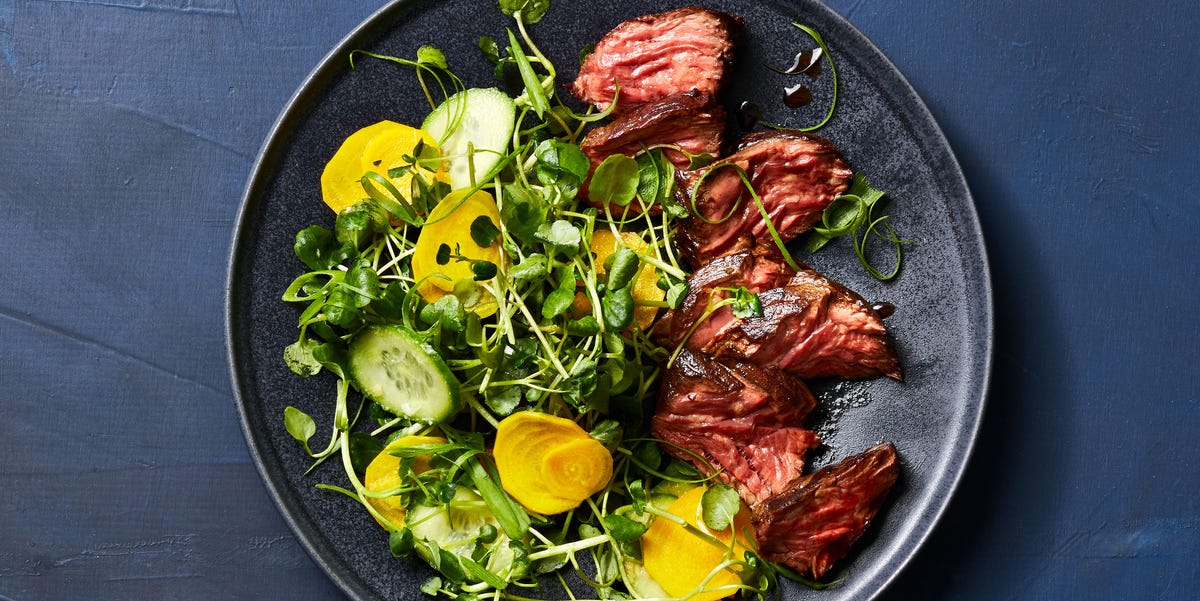
Some dinners arrive with a trumpet fanfare. Others walk in wearing sweatpants, carrying a skillet, and somehow still steal the show. This steak with pickled veggies recipe belongs firmly in the second category. It is hearty, colorful, tangy, savory, and just fancy enough to make a regular Tuesday feel suspiciously like date night.
The secret is contrast. A deeply browned, juicy steak brings richness and savory flavor. Crisp quick-pickled vegetables bring acidity, crunch, and a bright little slap of personality. Together, they keep every bite from becoming too heavy. Think of the pickled veggies as the friend who tells the steak, “You are wonderful, but maybe calm down a little.”
This easy steak dinner uses a stovetop pan-searing method and quick refrigerator pickles, so you do not need a grill, a smoker, a culinary degree, or an aunt named Linda who owns seventeen cast-iron skillets. You only need good steak, crunchy vegetables, vinegar, a hot pan, and the confidence to let the pan do its dramatic sizzling thing.
Why Steak with Pickled Veggies Works So Well
A steak dinner can sometimes feel rich enough to require a nap halfway through the plate. Pickled vegetables solve that problem beautifully. Their acidity cuts through the beef’s fat, while their crisp texture gives the meal more life than a plain side salad.
The best steak with pickled veggies has four elements working together:
- Rich beef flavor: A well-seasoned steak provides savory depth and a caramelized crust.
- Bright acidity: Vinegar-based vegetables lift the flavor of the meat and keep the dish balanced.
- Crunch: Carrots, radishes, cucumbers, and red onions add a fresh snap against tender slices of steak.
- A little heat: Red pepper flakes, jalapeño, or cracked black pepper make the dish feel more exciting without turning dinner into a survival challenge.
This is also an excellent recipe for people who want restaurant-style steak at home without constructing an elaborate sauce involving fourteen ingredients and a tiny amount of panic. The pickled vegetables do most of the flavor work for you.
Ingredients for Steak with Pickled Veggies
This recipe serves 2 generously, or 3 to 4 people if you add crusty bread, roasted potatoes, rice, or a salad.
For the Quick-Pickled Vegetables
- 1 small red onion, thinly sliced
- 1 medium carrot, peeled and cut into thin matchsticks
- 4 radishes, thinly sliced
- 1 small cucumber, thinly sliced or cut into ribbons
- 3/4 cup rice vinegar, apple cider vinegar, or white wine vinegar
- 1/2 cup water
- 1 tablespoon granulated sugar or honey
- 1 1/2 teaspoons kosher salt
- 1 teaspoon coriander seeds, optional
- 1/2 teaspoon black peppercorns, optional
- 1/4 teaspoon red pepper flakes, optional
- 1 garlic clove, lightly crushed
For the Steak
- 2 strip steaks, ribeyes, sirloins, or flat iron steaks, about 1 to 1 1/2 inches thick
- 1 1/2 teaspoons kosher salt
- 1 teaspoon freshly ground black pepper
- 1 tablespoon high-smoke-point oil, such as avocado, canola, grapeseed, or vegetable oil
- 2 tablespoons unsalted butter
- 2 garlic cloves, lightly smashed
- 2 sprigs fresh thyme or rosemary
- Flaky sea salt, for serving
Optional Finishing Ingredients
- Fresh cilantro, parsley, basil, or mint
- Grainy mustard
- Crusty bread
- Roasted baby potatoes
- Cooked rice or buttery mashed potatoes
- A spoonful of the pickling liquid for drizzling
How To Make Quick-Pickled Veggies
Quick pickles are the speed-dating version of traditional pickling. They do not need weeks in a pantry, complicated canning equipment, or a mysterious basement shelf full of jars. They simply need a flavorful brine, refrigeration, and a little patience.
Step 1: Prepare the Vegetables
Place the sliced red onion, carrot, radishes, and cucumber in a heat-safe bowl, jar, or nonreactive container. A glass jar works beautifully, but a bowl is perfectly acceptable. Dinner does not care whether your vegetables live in a mason jar or a container that once held takeout soup.
Try to slice the vegetables fairly thin and evenly. Thin slices absorb flavor more quickly while staying pleasantly crisp. Carrots and radishes hold their crunch well, while cucumbers soften sooner, so add them closer to serving time if you want maximum snap.
Step 2: Make the Pickling Brine
In a small saucepan, combine the vinegar, water, sugar, kosher salt, coriander seeds, peppercorns, red pepper flakes, and garlic. Bring the mixture to a gentle simmer over medium heat, stirring until the sugar and salt dissolve.
Pour the hot brine over the vegetables. Press the vegetables down so they are mostly submerged. Let the mixture cool at room temperature for about 20 to 30 minutes, then cover and refrigerate.
The vegetables will be tasty after about 30 minutes, better after 1 hour, and even more flavorful after several hours. They are excellent for this steak dinner after a short chill, but making them earlier in the day gives the brine more time to work its tiny vinegar magic.
Note: These are refrigerator pickles, not shelf-stable canned pickles. Keep them refrigerated and use clean utensils when serving.
How To Cook the Best Pan-Seared Steak
The most reliable path to a great steak is simple: dry surface, hot pan, enough seasoning, and a thermometer. Do not let steak-cooking myths intimidate you. You do not need to perform a finger test, consult the moon phase, or whisper encouragement to the meat.
Step 1: Dry and Season the Steak
Take the steaks out of the refrigerator about 20 to 30 minutes before cooking. Pat them very dry with paper towels. Moisture is the enemy of browning. A wet steak steams; a dry steak develops that gorgeous deep-brown crust everyone tries to photograph before dinner gets cold.
Season both sides generously with kosher salt and black pepper. For deeper seasoning, salt the steaks at least 45 minutes ahead and leave them uncovered on a rack in the refrigerator. This dry-brining step helps season the meat throughout and encourages better browning.
Step 2: Heat the Pan Properly
Set a cast-iron skillet or heavy stainless-steel pan over medium-high heat. Let it heat for several minutes until very hot. Add the oil and swirl it around the pan.
The oil should shimmer. It should not be smoking so aggressively that your smoke detector begins drafting a resignation letter. Open a window or turn on the range hood before adding the steak.
Step 3: Sear the Steak
Place the steaks in the hot pan and let them cook without moving for 2 to 3 minutes. When a dark golden-brown crust forms, flip them. Continue cooking, turning every minute or two for more even browning.
For steaks about 1 inch thick, medium-rare often takes roughly 6 to 9 minutes total, depending on the cut, thickness, pan heat, and starting temperature. For thicker steaks, expect a few more minutes or finish them briefly in a 400°F oven.
Because steaks vary wildly in thickness, use an instant-read thermometer instead of relying only on the clock. A thermometer is not cheating. It is simply steak insurance.
Step 4: Butter-Baste for Extra Flavor
When the steak is close to your preferred doneness, reduce the heat slightly. Add the butter, smashed garlic, and thyme or rosemary. As the butter melts and foams, tilt the pan carefully and spoon the hot butter over the steaks for 1 to 2 minutes.
This step adds richness, aroma, and the kind of steakhouse flavor that makes people ask whether you secretly trained at a fancy restaurant. You may choose to smile mysteriously and say nothing.
Step 5: Rest Before Slicing
Transfer the steaks to a cutting board and let them rest for at least 5 minutes. Resting allows the temperature to settle and helps keep more juices in the steak rather than all over the cutting board.
For food safety, whole beef steaks should reach an internal temperature of at least 145°F and rest for at least 3 minutes before serving. If you prefer steak cooked beyond medium, continue cooking to your preferred temperature.
Steak Temperature Guide
Use these temperatures as a practical guide. Remove steak from the pan a few degrees before your target because the internal temperature can rise slightly while resting.
- Rare: 120°F to 125°F
- Medium-rare: 130°F to 135°F
- Medium: 140°F to 145°F
- Medium-well: 150°F to 155°F
- Well-done: 160°F and above
For this steak with pickled veggies recipe, medium-rare to medium works especially well because the juicy beef plays beautifully against the sharp, crunchy vegetables.
How To Assemble Steak with Pickled Veggies
Slice the rested steak against the grain into thin strips. This is especially important for sirloin, flank steak, skirt steak, and flat iron steak. Cutting against the grain shortens the muscle fibers and makes every bite easier to chew.
Arrange the slices on a platter or individual plates. Drain the pickled vegetables lightly, then pile them beside or over the steak. Spoon a little of the brine over the vegetables, not directly over the steak crust, unless you enjoy turning your carefully earned sear into a soggy situation.
Finish with flaky sea salt, cracked black pepper, and fresh herbs. Serve with roasted potatoes, warm bread, grilled corn, rice, or a simple arugula salad.
Best Vegetables for Quick Pickling with Steak
One of the best things about this steak dinner recipe is that the vegetables are flexible. Use whatever is crisp, fresh, and hanging around in your refrigerator looking slightly nervous about its future.
Great Options
- Red onions: Sweet, sharp, and bright pink after pickling.
- Carrots: Crunchy, slightly sweet, and excellent with beef.
- Radishes: Peppery and colorful.
- Cucumbers: Fresh and cooling, especially with spicy steak seasoning.
- Daikon radish: Crisp, mild, and ideal for an Asian-inspired variation.
- Fennel: Slightly sweet with a gentle anise flavor.
- Jalapeños: Perfect for people who believe dinner should have a little drama.
- Green beans: Briefly blanch them first, then pickle for a crisp-tender texture.
Flavor Variations for Steak and Pickled Veggies
Asian-Inspired Steak Bowl
Use rice vinegar, add sliced ginger and sesame seeds to the pickling brine, and serve the steak over rice with scallions, cucumber, and a drizzle of soy sauce or sesame oil.
Mexican-Inspired Steak Plate
Add jalapeño, cumin seeds, and lime peel to the vegetables. Serve the steak with warm tortillas, avocado, cilantro, and a spoonful of salsa verde.
Steakhouse-Style Dinner
Use red wine vinegar for the vegetables, add thyme and black peppercorns, then serve the steak with crispy potatoes and a mustardy pan sauce.
Herby Summer Version
Pickle cucumbers, radishes, and red onion with dill and lemon peel. Serve the steak with grilled zucchini, corn, and fresh basil or parsley.
Common Mistakes To Avoid
Cooking a Wet Steak
Pat the steak dry before seasoning and cooking. Surface moisture prevents browning and can turn your beautiful sear into a grayish, steamed disappointment.
Using a Crowded Pan
Cook the steaks in batches if necessary. Crowding lowers the pan temperature and creates steam instead of crust. Your steak deserves space. Honestly, so do you.
Adding Butter Too Early
Butter can burn at very high heat. Start with oil, then add butter near the end for basting and flavor.
Over-Pickling Delicate Vegetables
Cucumbers and thinly sliced radishes can soften if left too long. They will still taste good, but the crunch becomes more of a fond memory.
Slicing Steak Immediately
Give the steak time to rest. A few patient minutes can make the difference between juicy slices and a cutting board that looks like it witnessed a minor culinary crime.
What To Serve with Steak with Pickled Veggies
This dish is balanced enough to stand alone, but a few sides make it even more satisfying:
- Garlic mashed potatoes
- Crispy smashed potatoes
- Grilled sourdough or crusty baguette
- Buttered rice
- Charred asparagus
- Simple green salad with lemon vinaigrette
- Roasted mushrooms
- Grilled corn with chili-lime butter
Kitchen Experiences: What Makes This Steak Dinner Memorable
The first time many home cooks make steak with pickled veggies, they expect the steak to be the entire event. It is steak, after all. It has a reputation. It enters the room wearing a suit made of confidence and butter. But then the pickled vegetables show up, bright and crunchy and pleasantly sour, and suddenly the whole meal makes more sense.
That is what makes this recipe memorable. It teaches you that a great steak dinner is not only about buying the most expensive cut of beef or mastering a perfect grill mark. It is about balance. A juicy ribeye feels richer and more interesting when a sharp pickle is waiting nearby. A leaner sirloin becomes more exciting when it meets sweet carrots, peppery radishes, and a little garlic-spiked brine.
There is also something deeply satisfying about watching simple vegetables change in a bowl. Red onions turn bright pink. Carrots become glossy and slightly translucent around the edges. Radishes lose a bit of their sharp bite while staying crisp. The whole process feels like a tiny kitchen science experiment, except the result is delicious and no one has to write a report afterward.
This meal is especially useful when you want steakhouse energy without steakhouse pricing. You can buy two good strip steaks, pick up a few inexpensive vegetables, and make a plate that feels thoughtful and generous. The pickled vegetables stretch the meal, add color, and make the steak seem more intentional than simply placing it beside a pile of potatoes.
It is also a forgiving dinner for entertaining. The pickles can be made ahead. The vegetables wait patiently in the refrigerator while you clean the kitchen, set the table, or pretend you always keep fresh herbs on hand. When guests arrive, all you need to do is cook the steak, let it rest, slice it, and assemble everything on a platter.
For casual dinners, serve the steak and vegetables family-style with bread and a big salad. For a more polished meal, fan the steak slices across a plate, tuck the colorful vegetables alongside them, and finish with herbs and flaky salt. Suddenly, the plate looks like it belongs under soft restaurant lighting, even if your actual lighting is one very enthusiastic overhead bulb.
Over time, this recipe becomes less of a strict formula and more of a habit. You start keeping vinegar in the pantry, red onions in the fridge, and a few radishes around because you know they can rescue almost any rich meal. You learn which steak cut you love most, whether you prefer dill or coriander in your brine, and how much heat makes dinner exciting without requiring a glass of milk as emotional support.
That is the real joy of steak with pickled veggies: it gives you a dependable, impressive meal that still leaves room for personality. It is savory, tangy, colorful, flexible, and just dramatic enough to make cooking at home feel like an occasion.
Conclusion
This steak with pickled veggies recipe proves that a restaurant-worthy dinner does not need complicated sauces or a long ingredient list. A well-seared steak, a quick vinegar brine, and a few crisp vegetables create a meal with richness, brightness, texture, and plenty of personality.
Make the pickles first, get your pan hot, and let the steak rest before slicing. Once you taste the combination of juicy beef and tangy vegetables, plain steak may begin to feel like it forgot to invite its most interesting friend to dinner.