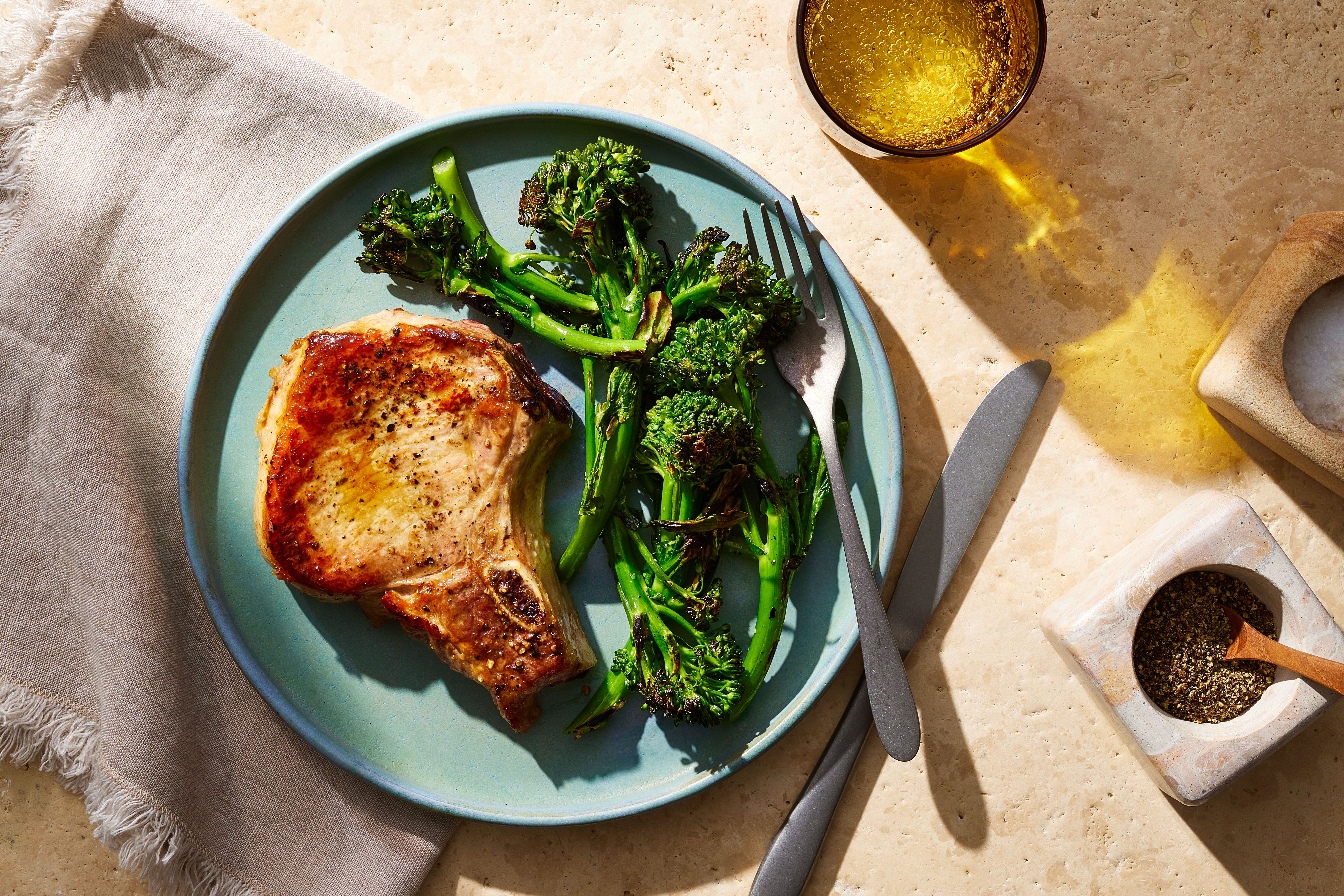
If pork chops had a public relations team, their slogan would probably be: “Please stop overcooking us.” For years, baked pork chops got a reputation for being dry, chewy, and about as exciting as a cardboard coaster. But the truth is much kinder: when seasoned well, baked at the right temperature, and pulled from the oven at the correct internal temperature, pork chops can be juicy, tender, deeply flavorful, and weeknight-friendly.
This best baked pork chops recipe is built for real kitchens, real schedules, and real people who do not want dinner to require three pans, a culinary degree, or a motivational speech. You will learn how to choose the right chops, season them properly, bake them without drying them out, and serve them with sides that make the whole plate feel restaurant-worthy.
The secret is simple: use a balanced spice rub, add a little fat for browning, bake with attention instead of guesswork, and let the meat rest. That final pause may feel small, but it is the difference between “nice dinner” and “why did everyone suddenly get quiet?”
Why This Is the Best Baked Pork Chops Recipe
The best baked pork chops are not complicated. They are well-seasoned, juicy in the center, lightly caramelized on the outside, and easy enough to make on a Tuesday night when your energy level is somewhere between “microwave popcorn” and “I deserve better.”
This recipe works because it focuses on four important details:
- Thick pork chops: Chops that are about 1 inch thick are easier to keep juicy.
- A bold dry rub: Brown sugar, paprika, garlic powder, onion powder, salt, pepper, and herbs create savory-sweet flavor.
- High-heat baking: A hotter oven helps the outside brown before the inside dries out.
- A meat thermometer: Guessing is risky. A thermometer is cheaper than ruining dinner.
For food safety and tenderness, pork chops should be cooked to an internal temperature of 145°F, then rested for at least 3 minutes. The rest time allows juices to settle and helps the pork finish beautifully without becoming tough.
Ingredients for Juicy Baked Pork Chops
This recipe uses pantry-friendly ingredients, which is great news if your spice cabinet already contains three jars of paprika because you kept forgetting you owned paprika.
Main Ingredients
- 4 bone-in or boneless pork chops, about 1 inch thick
- 2 tablespoons olive oil
- 1 tablespoon brown sugar
- 1 teaspoon smoked paprika or sweet paprika
- 1 teaspoon garlic powder
- 1 teaspoon onion powder
- 1 teaspoon kosher salt
- 1/2 teaspoon black pepper
- 1/2 teaspoon dried thyme
- 1/2 teaspoon dried oregano
- 1/4 teaspoon cayenne pepper, optional
- 1 tablespoon butter, optional for finishing
- Fresh parsley, optional for garnish
Optional Quick Brine
If you have an extra 30 minutes, a quick brine gives pork chops extra insurance against dryness. It is not required, but it is the culinary equivalent of wearing a seatbelt: simple, smart, and occasionally dinner-saving.
- 4 cups cold water
- 1/4 cup kosher salt
- 2 tablespoons brown sugar
- 2 smashed garlic cloves
- 1 bay leaf, optional
Best Pork Chops for Baking
Both bone-in and boneless pork chops work for this recipe, but they behave a little differently in the oven.
Bone-In Pork Chops
Bone-in pork chops are often more flavorful and slightly more forgiving because the bone slows cooking near the center. They are excellent for baking, especially when they are at least 1 inch thick. If you want the classic juicy pork chop experience, bone-in rib chops or center-cut chops are wonderful choices.
Boneless Pork Chops
Boneless pork chops cook faster and are easy to slice, serve, and pack for leftovers. However, because they are lean and have no bone to protect them, they can dry out quickly. For boneless chops, check the temperature early and avoid thin cuts whenever possible.
Thin vs. Thick Pork Chops
Thin pork chops can go from perfect to overcooked in the time it takes to wonder, “Should I check them?” Thick chops are better for baking because they allow the outside to develop flavor while the inside stays tender. For best results, choose chops that are 1 to 1 1/2 inches thick.
How to Make the Best Baked Pork Chops
Step 1: Brine the Pork Chops If You Have Time
To brine, stir the salt and brown sugar into cold water until dissolved. Add garlic and bay leaf if using. Place the pork chops in the brine and refrigerate for 30 minutes to 2 hours. After brining, rinse lightly under cold water and pat very dry with paper towels.
Drying matters. If the surface is wet, the pork steams instead of browns. Steam is lovely for broccoli, but pork chops deserve better.
Step 2: Preheat the Oven
Preheat your oven to 400°F. This temperature is hot enough to help the seasoning caramelize while still giving the pork chops time to cook evenly. Line a baking sheet with parchment paper or foil for easier cleanup.
Step 3: Make the Seasoning Rub
In a small bowl, combine brown sugar, paprika, garlic powder, onion powder, salt, black pepper, thyme, oregano, and cayenne if using. The brown sugar adds gentle sweetness and helps the outside brown, while the paprika brings color and smoky warmth.
Step 4: Oil and Season the Chops
Brush both sides of the pork chops with olive oil. Sprinkle the seasoning mixture evenly over the chops, pressing it gently into the meat. Be generous but not chaotic. You want a confident coating, not a spice landslide.
Step 5: Bake Until Juicy and Tender
Place the pork chops on the prepared baking sheet. Bake for 12 to 20 minutes, depending on thickness and whether the chops are bone-in or boneless. Start checking around 12 minutes for boneless chops and around 15 minutes for thick bone-in chops.
The pork is done when the thickest part reaches 145°F on an instant-read thermometer. Insert the thermometer into the side or thickest center of the chop, avoiding the bone.
Step 6: Rest Before Serving
Transfer the baked pork chops to a plate and let them rest for at least 3 minutes. Add a small pat of butter on top while they rest if you want a richer finish. The butter melts into the seasoning and creates a glossy, savory coating that says, “Yes, this was worth turning on the oven.”
Recipe Card: Best Baked Pork Chops
Prep Time
10 minutes, plus optional brining time
Cook Time
12 to 20 minutes
Total Time
25 to 50 minutes, depending on brining
Servings
4 servings
Instructions
- Preheat oven to 400°F and line a baking sheet with parchment paper or foil.
- Pat pork chops dry with paper towels.
- Mix brown sugar, paprika, garlic powder, onion powder, salt, pepper, thyme, oregano, and cayenne in a small bowl.
- Brush pork chops with olive oil on both sides.
- Rub seasoning evenly over each pork chop.
- Arrange chops on the baking sheet with space between them.
- Bake for 12 to 20 minutes, depending on thickness.
- Remove from oven when internal temperature reaches 145°F.
- Rest for at least 3 minutes before serving.
- Garnish with parsley and serve warm.
Tips for Perfect Oven-Baked Pork Chops
Use a Meat Thermometer
A meat thermometer is the most reliable tool for juicy baked pork chops. Color can be misleading, especially because properly cooked pork may still have a slight blush in the center. Instead of cutting into the chop and watching the juices escape, use a thermometer and keep dinner intact.
Do Not Overbake
Pork chops are lean, which means they do not have much internal fat to protect them from overcooking. Once they climb far above 145°F, they begin to lose moisture quickly. That is how dinner turns into a jaw workout.
Try a Quick Sear for Extra Flavor
If you want a deeper crust, sear the pork chops in a hot oven-safe skillet for 1 to 2 minutes per side before baking. Then transfer the skillet to the oven and finish cooking. This extra step adds browning and makes the chops look fancy without asking you to become fancy.
Let the Chops Rest
Resting is not optional. When pork chops come out of the oven, the juices are still moving. Cutting immediately lets those juices run onto the plate. Waiting a few minutes keeps more moisture in the meat, where it belongs.
Flavor Variations
Honey Garlic Baked Pork Chops
Mix 2 tablespoons honey, 1 tablespoon soy sauce, 1 minced garlic clove, and 1 teaspoon Dijon mustard. Brush the glaze over the pork chops during the last 5 minutes of baking. This version is sweet, savory, and excellent with rice or roasted vegetables.
Herb Butter Pork Chops
Combine softened butter with minced parsley, thyme, garlic, and a squeeze of lemon juice. Add a spoonful over each chop after baking. The heat melts the butter into a quick sauce that tastes like something from a cozy neighborhood bistro.
Parmesan-Crusted Baked Pork Chops
Mix grated Parmesan with panko breadcrumbs and Italian seasoning. Brush the chops lightly with Dijon mustard, press the crumb mixture on top, and bake until the crust is golden and the pork reaches 145°F. This variation is crunchy, cheesy, and extremely popular with anyone who believes dinner should come with texture.
What to Serve With Baked Pork Chops
Baked pork chops are flexible, so you can keep the meal classic, fresh, or cozy depending on your mood.
Classic Side Dishes
- Mashed potatoes with pan juices or gravy
- Roasted green beans
- Buttered corn
- Macaroni and cheese
- Apple sauce or cinnamon apples
Fresh and Lighter Sides
- Mixed green salad with vinaigrette
- Roasted asparagus
- Cucumber tomato salad
- Steamed broccoli with lemon
- Cauliflower mash
Comfort Food Pairings
For a full comfort-food dinner, serve baked pork chops with creamy mashed potatoes, roasted carrots, and a simple pan gravy. If you want a Southern-inspired plate, add collard greens, cornbread, and a spoonful of apple chutney. Pork and apples are an old-school pairing for a reason: the sweetness balances the savory richness beautifully.
How to Store and Reheat Baked Pork Chops
Storing Leftovers
Let leftover pork chops cool, then store them in an airtight container in the refrigerator for up to 3 to 4 days. Keep any juices from the baking sheet if possible. They help the meat stay moist when reheated.
Freezing
You can freeze cooked pork chops for up to 2 to 3 months. Wrap each chop tightly, place in a freezer-safe bag, and label with the date. Future you will appreciate the organization, even if present you is just trying to find room next to the frozen peas.
Reheating Without Drying Out
To reheat, place pork chops in a covered baking dish with a splash of broth or water. Warm in a 300°F oven until heated through. Avoid blasting them in the microwave for too long, because lean pork can become tough quickly.
Common Mistakes to Avoid
Using Pork Chops That Are Too Thin
Thin pork chops cook extremely fast and are easy to overdo. If thin chops are all you have, reduce the baking time and start checking early.
Skipping the Thermometer
Cutting into pork to check doneness releases juices and still may not tell you whether the meat is safely cooked. A thermometer gives a clear answer.
Seasoning Too Lightly
Pork chops need confident seasoning. The meat is mild, so a balanced rub helps build flavor. Salt, garlic, herbs, paprika, and a touch of sweetness make a major difference.
Serving Immediately
Resting is short, simple, and powerful. Give the pork chops a few minutes before slicing. Dinner will be juicier, and you will look like you planned everything perfectly.
Frequently Asked Questions
What temperature should baked pork chops be cooked to?
Baked pork chops should reach an internal temperature of 145°F, followed by at least 3 minutes of rest. Use an instant-read thermometer for the most accurate result.
How long do pork chops take to bake at 400°F?
At 400°F, pork chops usually take 12 to 20 minutes, depending on thickness and whether they are bone-in or boneless. Thick bone-in chops may need a little longer, while thin boneless chops cook quickly.
Can pork chops be a little pink?
Yes, pork chops may have a slight pink color and still be safe, as long as the internal temperature reaches 145°F and the meat rests properly. Temperature matters more than color.
Should I cover pork chops while baking?
For this recipe, bake them uncovered. Leaving the chops uncovered helps the seasoning brown. If your chops are very thick and browning too quickly, you can loosely tent them with foil near the end.
Are baked pork chops healthy?
Baked pork chops can fit into a balanced meal, especially when served with vegetables, whole grains, or lighter sides. The key is avoiding heavy breading or excessive sauces if you want a leaner dinner.
Extra Experience: What I Learned Making Baked Pork Chops Again and Again
The first thing you learn after making baked pork chops more than a few times is that pork has trust issues. Treat it gently, cook it carefully, and it rewards you. Ignore it for five extra minutes, and suddenly you are chewing something that tastes like it once had hopes and dreams.
One of the most useful experiences is learning how much thickness matters. A thin pork chop may seem convenient because it cooks quickly, but it gives you almost no room for error. A thick chop, especially one around 1 inch, gives the seasoning time to develop and the center time to stay juicy. When I want a dinner that feels reliable, I skip the ultra-thin chops unless I am pan-frying them fast.
Another important lesson is that pork chops love salt, but they prefer it with manners. A quick brine can transform the texture, especially if the chops are lean. Even 30 minutes in a simple salt-and-sugar brine can help the meat hold moisture. When there is no time to brine, seasoning the chops and letting them sit for 10 to 15 minutes before baking still helps the flavor settle in.
I have also learned that the best baked pork chops often come from restraint. It is tempting to keep adding sauces, cheeses, crumbs, and glazes until the pork chop is wearing a full winter coat. But a good spice rub, a little oil, proper heat, and correct timing usually do the job. Add a pat of butter at the end, and the whole dish feels richer without becoming heavy.
The thermometer lesson is the big one. Before using a meat thermometer, many home cooks rely on cutting into the meat. That method creates two problems: it lets juices escape, and it encourages overcooking because pork can look slightly pink even when it is done. Once you start checking temperature instead of color, baked pork chops become much more predictable.
Resting is another small step with a big payoff. The difference between slicing immediately and waiting three to five minutes is easy to taste. Rested pork chops are juicier, more tender, and easier to slice cleanly. It also gives you a moment to finish the sides, wipe the counter, or pretend your kitchen always looks this calm.
Finally, baked pork chops are better when the whole plate is balanced. Because pork is savory and slightly sweet, it works beautifully with something bright or tangy. A crisp salad, lemony green beans, roasted apples, mustard sauce, or vinegar-based slaw can make the meal feel complete. When the sides bring freshness, the pork tastes even richer.
After many rounds of testing, the biggest takeaway is this: the best baked pork chops recipe is not about doing something complicated. It is about doing the basics well. Choose thick chops, season boldly, bake with attention, use a thermometer, rest the meat, and serve it with sides that make sense. That is how a humble pork chop becomes a dinner worth repeating.
Conclusion
The best baked pork chops recipe is simple, flavorful, and surprisingly easy to master. With the right seasoning rub, a hot oven, and a reliable thermometer, you can make pork chops that are juicy in the center and beautifully seasoned on the outside. Whether you choose bone-in or boneless chops, the key is to avoid overbaking and always let the meat rest before serving.
This recipe is perfect for busy weeknights, family dinners, meal prep, or any evening when you want something hearty without turning your kitchen into a full-time restaurant operation. Serve your baked pork chops with mashed potatoes, roasted vegetables, salad, rice, apples, or your favorite comfort-food sides. The result is a satisfying dinner that tastes classic, cozy, and far more impressive than the effort required.