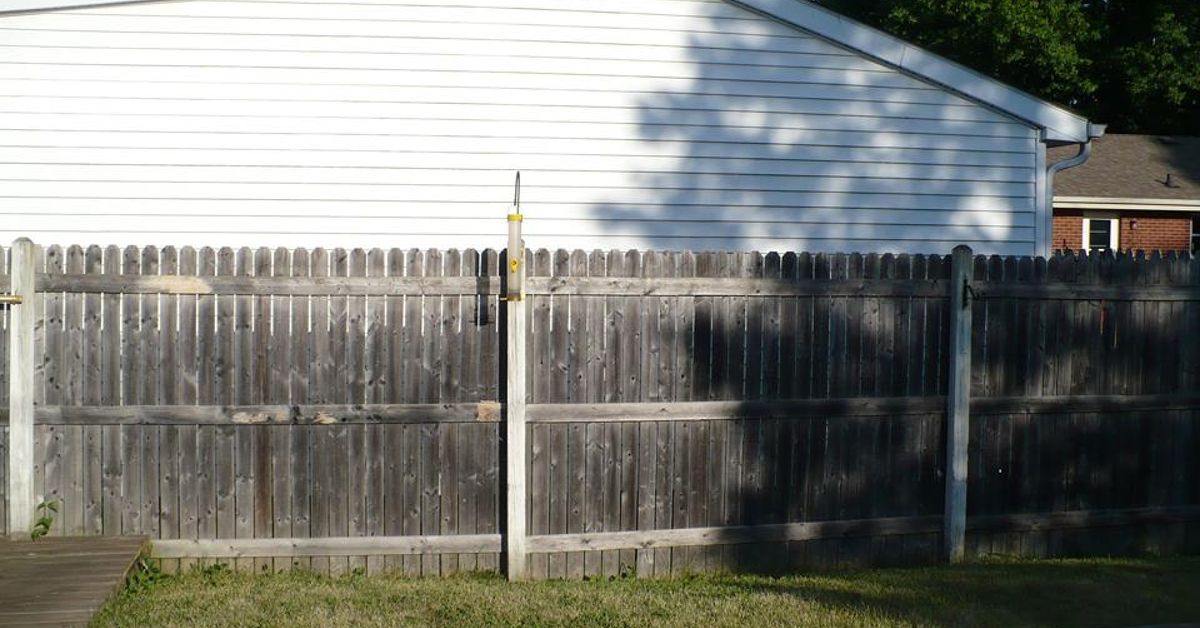
A backyard fence is usually treated like the quiet background character of outdoor design: useful, dependable, and mostly ignored until it leans sideways during a storm. But with a little imagination, that plain stretch of wood, vinyl, brick, or metal can become one of the most charming features in your yard. Backyard fence art turns a boundary into a backdrop, a privacy screen into a personality statement, and a boring wall into the kind of thing guests point at before they even compliment your burgers.
The best part is that fence art does not require a fine-art degree, a landscaping crew, or a budget large enough to make your wallet hide under the patio chair. It can be as simple as a painted panel, a row of hanging planters, a trellis full of climbing vines, a metal sculpture, a DIY mural, or a weatherproof gallery wall. Done thoughtfully, backyard fence art can make a small yard feel bigger, a large yard feel warmer, and an ordinary outdoor space feel intentionally designed.
This guide explores practical, stylish, and realistic backyard fence art ideas for American homes, from painted murals and vertical gardens to lighting, recycled materials, seasonal displays, and long-lasting outdoor finishes. Think of it as a design pep talk for the fence that has been standing there patiently, waiting for its glow-up.
Why Backyard Fence Art Works So Well
A fence already has two things every outdoor design feature needs: visibility and structure. It frames the yard, creates privacy, and gives the eye a natural place to land. When left completely bare, a fence can feel flat or even a little severe, especially in compact backyards where the fence takes up a large percentage of the view. Adding art softens that effect and gives the yard a focal point.
Backyard fence art also helps connect your outdoor space to your home’s interior style. If your house is cozy and cottage-inspired, a fence with vintage watering cans, flower boxes, and climbing roses can extend that same personality outside. If your style is modern, a painted geometric mural, black metal panels, or horizontal wood accents can make the yard feel crisp and architectural. In other words, your fence should not look like it wandered in from someone else’s property.
Start With the Fence You Already Have
Before buying paint, planters, or a metal sun sculpture with a face that may or may not judge your lawn care, take a good look at the existing fence. The material, condition, height, and exposure to sun or rain will determine which backyard fence art ideas will last.
Wood Fences
Wood is the most flexible surface for DIY fence art. It can be painted, stained, drilled into, framed with trim, or used as a support for hanging baskets and trellises. A wood privacy fence is ideal for murals, outdoor gallery walls, vertical planters, and decorative shelves. However, wood needs prep. Clean off dirt and mildew, sand rough spots, repair damaged boards, and use exterior-rated paint or stain.
Vinyl Fences
Vinyl fences are low-maintenance but less forgiving when it comes to painting or drilling. Instead of permanent changes, consider removable hooks, freestanding trellises, lightweight outdoor art, solar lights, or planters that hang over the top rail. Choose pieces that add color without damaging the surface.
Metal Fences
Metal, wrought iron, chain-link, and aluminum fences can look beautiful with greenery. Climbing plants, outdoor fabric panels, bamboo screens, or metal art can soften the industrial look. For chain-link fences, privacy slats, vine-covered panels, or woven outdoor-safe materials can create texture without a full replacement.
Brick, Block, or Concrete Walls
Solid masonry fences are excellent candidates for painted murals, tile mosaics, sculptural pieces, or mounted planters. They can also hold bold color beautifully. Just make sure the surface is clean, dry, and compatible with masonry paint or outdoor adhesive before beginning.
Backyard Fence Art Ideas That Actually Look Good
The goal is not to hang every object from the garage on the fence and call it “eclectic.” True backyard fence art feels intentional. It has rhythm, color, proportion, and a reason for being there besides “I found this rooster sign on clearance.” Below are some of the strongest ideas for creating a fence that feels charming rather than chaotic.
1. Paint a Fence Mural
A fence mural is one of the most dramatic ways to transform a backyard. It can be bold and graphic, soft and botanical, playful and family-friendly, or minimal and modern. Popular fence mural ideas include mountain silhouettes, tropical leaves, desert sunsets, abstract shapes, flowers, birds, waves, or simple color-blocking.
If you are new to painting, start with a simple design. Large shapes are easier to execute than tiny details. A mural with three shades of green leaves, for example, can look polished without requiring microscopic brushwork. Use painter’s tape for clean lines, exterior paint for durability, and a clear outdoor sealer if the design needs extra protection.
2. Create an Outdoor Gallery Wall
An outdoor gallery wall works especially well on a privacy fence near a patio, dining area, or fire pit. Instead of framed indoor prints, use weather-resistant pieces such as metal wall art, ceramic plaques, sealed wood signs, outdoor-safe mirrors, woven baskets, decorative panels, or painted wood cutouts.
The trick is spacing. Lay the pieces on the ground first and arrange them until the composition feels balanced. Mix sizes, but repeat at least one element, such as color, shape, or material. A gallery wall of mismatched objects can look collected and artistic; a gallery wall of random objects can look like the fence lost a bet.
3. Add Hanging Planters and Vertical Gardens
Plants are nature’s artwork, and they rarely clash with anything. Hanging planters, wall-mounted pots, pocket planters, and fence boxes can bring life to a flat surface while making the yard feel lush. Herbs near a dining area are practical, annual flowers add seasonal color, and trailing plants create movement.
For sunny fences, try petunias, geraniums, lantana, sedum, rosemary, thyme, or ornamental grasses. For shady fences, consider ferns, caladiums, begonias, coleus, hostas, or shade-tolerant vines. Always check how much weight your fence can hold, especially after watering. Wet soil is heavier than it looks, which is also what many of us say after buying “just three small pots” at the garden center.
4. Use Trellises as Living Art
A trellis turns a plain fence into a living canvas. You can attach lattice panels to a fence, lean freestanding trellises against it, or install wire grids for climbing plants. This is a great option if you want privacy, texture, and softness without painting the fence itself.
Climbing roses, clematis, jasmine, bougainvillea, black-eyed Susan vine, Boston ivy, and climbing hydrangea can all create beautiful effects depending on your climate. Native vines are often a smart choice because they support local pollinators and tend to adapt better to regional weather. Just avoid aggressive plants that may damage wood, invade neighboring yards, or turn your fence into a leafy monster with ambition.
5. Install Decorative Metal Panels
Laser-cut metal panels are a stylish choice for modern backyard fence art. They can feature geometric patterns, leaves, waves, birds, or abstract designs. Mounted against a wood fence, they create shadow, depth, and contrast. They also age well when made from powder-coated steel, aluminum, or weathering steel.
Metal panels can be used as a central focal point, repeated in a series, or placed behind seating areas. They are especially attractive when paired with lighting because the cutouts cast interesting shadows after sunset.
6. Bring in Outdoor Lighting
Fence art does not have to disappear when the sun goes down. String lights, solar sconces, lanterns, LED strips, and uplights can turn a decorated fence into nighttime scenery. Lighting also adds safety around pathways and steps.
For a relaxed look, drape string lights in gentle curves across the fence. For a cleaner design, install evenly spaced solar sconces. To highlight a mural or metal panel, use small landscape lights aimed upward. Warm white light usually feels more inviting than harsh blue-white light, unless your goal is “airport runway with patio furniture.”
7. Try Recycled and Upcycled Fence Art
Backyard fence art is a perfect excuse to reuse materials creatively. Old shutters, window frames, bicycle wheels, metal trays, wooden crates, vintage tools, tin ceiling tiles, driftwood, and salvaged doors can become outdoor art when cleaned, sealed, and arranged well.
The key is restraint. One vintage window frame with a planter box can look charming. Twelve unrelated rusty things nailed in a row may look like the fence is hosting a yard sale. Choose pieces that fit your home’s style and repeat colors or materials for cohesion.
How to Choose the Right Style for Your Yard
The best backyard fence art starts with a mood, not a shopping cart. Decide what you want the space to feel like: peaceful, playful, elegant, tropical, rustic, artistic, family-friendly, or modern. Then choose fence decor that supports that feeling.
For a Cottage Garden Look
Use flower boxes, climbing roses, picket details, vintage containers, birdhouses, soft colors, and weathered wood. A pale blue, sage green, or warm white fence can make flowers pop while keeping the overall look gentle.
For a Modern Backyard
Choose clean lines, dark stain, black accents, geometric murals, horizontal slats, sleek planters, and minimal metal art. Keep the color palette tight. Modern design gets nervous when too many colors show up uninvited.
For a Family-Friendly Yard
Consider chalkboard panels, painted stepping-stone shapes, alphabet murals, butterfly art, birdhouses, or a small outdoor art station for kids. Use washable, safe, outdoor-friendly materials and place delicate pieces above soccer-ball height.
For a Small Backyard
Use mirrors carefully, vertical gardens, light colors, slim trellises, and repeated patterns to make the space feel bigger. Avoid bulky pieces that make the fence feel closer. A small yard benefits from vertical design because it draws the eye upward instead of reminding everyone that the grill is three feet from the back door.
Fence Art Materials That Last Outdoors
Outdoor art has a harder life than indoor decor. It faces rain, sun, wind, insects, pollen, sprinklers, and the occasional ambitious squirrel. Choose materials that can handle the outdoors.
Good options include exterior-grade paint, marine varnish, sealed cedar, pressure-treated wood, powder-coated metal, galvanized steel, ceramic tile, stone, concrete, resin, outdoor fabric, and UV-resistant plastic. Avoid untreated indoor wood, paper, unsealed canvas, delicate glass, and anything that rusts quickly unless the rust is part of the design.
Fasteners matter too. Use exterior screws, galvanized hardware, stainless-steel hooks, masonry anchors, or outdoor-rated adhesive where appropriate. If you live in a windy area, do not trust a lightweight hook to hold a large piece of art. Wind has no respect for your design vision.
How to Prep and Paint a Fence for Art
Preparation is the difference between a backyard fence mural that lasts and one that peels off like a sunburned tourist. Start by cleaning the fence thoroughly. Remove dirt, cobwebs, mildew, loose paint, and flaking stain. Let the fence dry completely before painting. Moisture trapped under paint can lead to bubbling and peeling.
Sand rough wood, fill holes if needed, and repair damaged boards. Apply a primer suited to the fence material, especially on bare wood, masonry, or previously painted surfaces. Then use exterior paint designed for outdoor exposure. For wood fences, stain may be better if you want the grain to show. Paint gives stronger color and coverage; stain gives a more natural look.
If your home or fence is old enough that lead paint may be present, take safety seriously. Homes built before 1978 may contain lead-based paint, and disturbing old coatings can create hazardous dust. When in doubt, test first or consult a certified professional. A beautiful fence is not worth turning your backyard project into a science experiment nobody asked for.
Budget-Friendly Backyard Fence Art Ideas
You do not need designer prices to get designer impact. Some of the best backyard fence art ideas are inexpensive and weekend-friendly.
- Paint one accent section: Instead of painting the entire fence, create a colorful panel behind a bench or dining table.
- Use thrifted containers: Old buckets, baskets, and watering cans can become planters with drainage holes.
- Hang string lights: Lighting creates instant atmosphere for a relatively low cost.
- Make wood cutout art: Paint simple shapes like flowers, stars, leaves, or birds and mount them in a pattern.
- Add lattice: Lattice panels are affordable and can support climbing plants or create dimension.
- Create a seasonal garland: Use pinecones, faux greenery, fabric flags, or weatherproof ornaments.
Budget fence art works best when repeated. One small planter may look lonely. Five matching planters spaced evenly look intentional. Repetition is design’s polite way of saying, “Yes, I meant to do that.”
Common Backyard Fence Art Mistakes to Avoid
The first mistake is ignoring scale. Tiny decorations can disappear on a tall privacy fence, while oversized pieces can overwhelm a narrow yard. Measure before buying or building. The second mistake is using indoor materials outside. If it cannot handle water, sunlight, or temperature changes, it probably belongs inside with the throw pillows.
Another common mistake is overdecorating. A fence can become a focal point without becoming a bulletin board for every craft idea you have ever saved. Leave some breathing room. Negative space helps the art stand out.
Finally, do not forget your neighbors if the fence is shared or visible from both sides. Check local rules, HOA guidelines, and property agreements before making permanent changes. A mural of giant flamingos may bring you joy, but the neighbor who prefers beige may require emotional preparation.
of Real-World Experience With Backyard Fence Art
Backyard fence art is one of those projects that looks simple from the patio chair and becomes more educational once you are standing there with a paintbrush, a level, and a mosquito treating your ankle like a buffet. In real life, the most successful fence art projects usually begin small. A single decorated section behind a seating area often works better than trying to transform the entire fence in one weekend. It gives you a test zone where you can see how colors look in changing light, how materials hold up after rain, and whether your “quick Saturday project” secretly wants to become a three-week relationship.
One practical experience many homeowners share is that paint colors look brighter outdoors than they do on a sample card. Sunlight intensifies color, while shadows can make dark shades feel heavier. A cheerful turquoise may look coastal and fresh in the store but surprisingly loud across forty feet of fence. Testing a small patch is always worth it. Let it dry, look at it in morning light, afternoon sun, and evening shade, and then decide whether it still feels like your dream backyard or a children’s museum exhibit.
Another lesson is that plants change everything. A plain fence with hanging planters immediately feels warmer, but plants require planning. Water runs downward, soil stains surfaces, and some containers become heavy fast. If you mount planters directly to a fence, use strong hardware and leave space for airflow so moisture does not sit against the boards. In hot climates, metal containers may heat up quickly and stress plant roots. In shady yards, bright flowers may struggle, but foliage plants can look rich and elegant.
Lighting is another upgrade that tends to overperform. Even a modest fence display looks more polished with warm string lights or small solar sconces. The experience at night is often completely different from the daytime view. A metal panel that looks subtle at noon can cast dramatic shadows after dark. A painted mural can become the backdrop for outdoor dinners. This is where backyard fence art stops being decoration and starts becoming atmosphere.
Maintenance is the part nobody romanticizes, but it matters. Outdoor art collects dust, pollen, spiderwebs, and mystery debris that appears after windy days. Painted surfaces may need touch-ups. Wood pieces need resealing. Planters need seasonal refreshing. The easiest fence art to live with is the kind you can clean, remove, repaint, or rearrange without dismantling half the yard. Modular designs, such as separate panels or removable hanging pieces, make seasonal updates much easier.
The biggest experience-based tip is to make the fence art match how you actually use the yard. If you host dinners, decorate the fence near the dining table. If the kids play outside, create durable, playful art near their zone. If you mostly drink coffee alone in the morning, build a peaceful view from that chair. Backyard fence art should not just impress visitors; it should make everyday outdoor moments feel better. That is the real win.
Conclusion: Give Your Fence Something Better to Do
Backyard fence art is one of the most effective ways to personalize an outdoor space without rebuilding the entire yard. A fence already defines the area; art gives it character. Whether you choose a bold mural, a living wall, decorative metal panels, thrifted planters, trellises, lights, or a simple painted accent, the right design can make your backyard feel more inviting, more finished, and more like you.
The smartest approach is to match the project to your fence material, climate, budget, and lifestyle. Prep surfaces properly, choose weather-resistant materials, respect shared boundaries, and avoid overcrowding the design. With a little planning, your fence can stop being the thing you ignore and become the feature that makes the whole backyard feel intentional. After all, every yard deserves at least one wall that knows how to have a personality.
Note: This article synthesizes current U.S. home-and-garden design guidance, exterior painting best practices, and practical outdoor decorating recommendations for web publication.