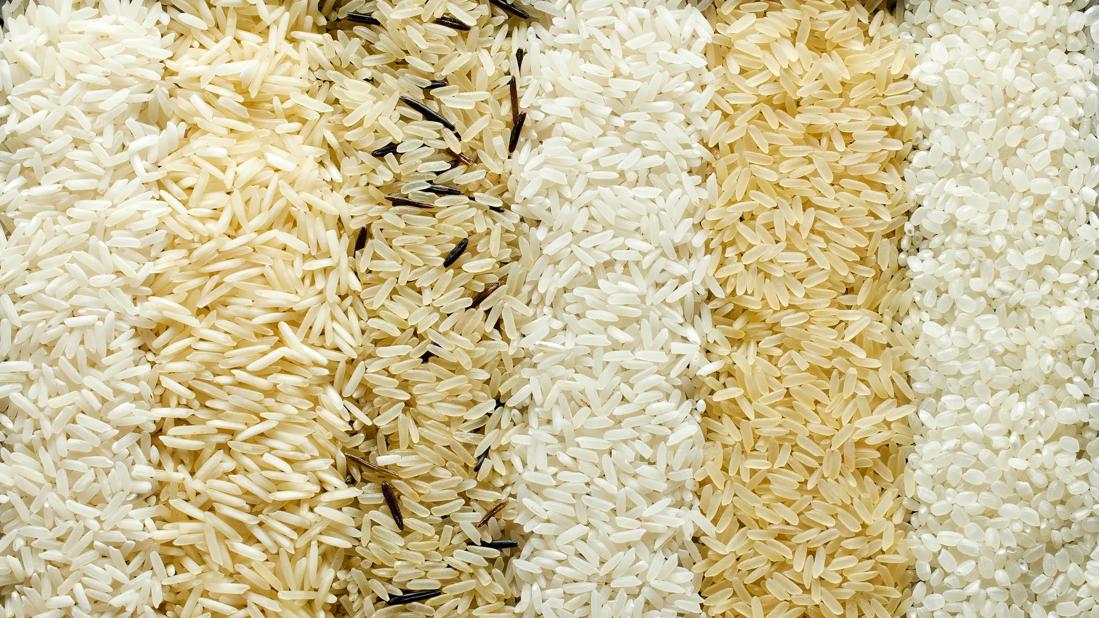
Rice has an image problem. One minute it is the comforting foundation of a curry, burrito bowl, or chicken-and-rice dinner. The next minute, somebody mentions arsenic and your innocent bag of jasmine rice starts looking like it belongs in a hazardous-materials cabinet.
Fortunately, the truth is much less dramatic. Rice can contain inorganic arsenic, the form associated with the greatest health concern, but eating an occasional bowl is not the same as experiencing arsenic poisoning. The issue is mainly about reducing repeated, long-term exposureespecially for infants, young children, people who eat rice several times a day, and households using water from an untested private well.
You probably do not need to break up with rice. You may, however, want to make the relationship a little less exclusive.
Why Is There Arsenic in Rice?
Arsenic is a naturally occurring element found in rock, soil, groundwater, air, and food. It can also enter the environment through mining, industrial activity, and the historical use of arsenic-containing pesticides. In other words, arsenic was not secretly added to your rice by a villain wearing laboratory goggles. It was already present in the environment.
Rice is unusually good at absorbing it
Many crops take up small amounts of arsenic, but rice tends to absorb more than most grains. Rice is commonly grown in flooded fields, where soil conditions can make arsenic more available to plant roots. The rice plant then moves some of that arsenic into the grain.
The amount in a particular batch depends on several variables, including the soil, irrigation water, rice variety, farming practices, and geographic origin. Two bags of the same style of rice may therefore contain different concentrations. Labels generally do not tell shoppers how much arsenic is present, which makes dietary variety more practical than hunting for one supposedly perfect brand.
Inorganic and organic arsenic are not the same
Arsenic compounds are broadly described as organic or inorganic. In this context, “organic” is a chemistry term involving carbon; it has nothing to do with whether a food carries an organic certification sticker.
Inorganic arsenic is the more toxic form and is the primary concern in rice and contaminated drinking water. Seafood may contain relatively high total arsenic, but much of it is in organic forms that are generally considered less harmful and are eliminated from the body more readily.
What Are the Health Risks of Arsenic?
Long-term exposure to elevated inorganic arsenic has been associated with cancers of the skin, lung, and bladder, as well as cardiovascular, neurological, metabolic, and developmental effects. The strongest evidence comes from populations exposed to substantially contaminated drinking water, often over many years.
That distinction matters. Finding a contaminant in food does not automatically mean that a normal serving will cause disease. Risk depends on the form of arsenic, the amount consumed, how frequently it is consumed, body size, age, other exposure sources, and the length of exposure.
For most adults eating a varied diet, rice is one contributor among many rather than an emergency. The goal is not to achieve zero exposurean unrealistic standard for a naturally occurring elementbut to avoid unnecessary cumulative exposure.
Why infants and young children receive extra attention
Babies consume more food relative to their body weight than adults, and their nervous systems are still developing. A baby who eats rice cereal, rice puffs, rice crackers, and other rice-based foods every day may receive a less varied diet and more arsenic exposure per pound of body weight.
The U.S. Food and Drug Administration established an action level of 100 parts per billion for inorganic arsenic in infant rice cereal. This level gives manufacturers a target for reducing contamination; it is not a magical dividing line where 99 parts per billion is harmless and 101 suddenly turns breakfast into a chemistry experiment.
The American Academy of Pediatrics advises parents to vary infants’ grains. Iron-fortified rice cereal can still be included, but it does not need to be a baby’s first cereal or the only one offered. Oat, barley, and multigrain cereals can provide useful alternatives.
Should I Stop Eating Rice?
For most people, no. Rice provides carbohydrates, energy, anddepending on the typefiber, vitamins, minerals, and culturally important culinary traditions. Eliminating it completely may create inconvenience without meaningfully improving health, particularly when your intake is moderate and your overall diet is diverse.
The FDA’s central consumer recommendation is refreshingly unexciting: eat a varied and nutritious diet. Variety prevents one food from becoming the dominant source of any contaminant while also improving the range of nutrients you consume.
Concern becomes more reasonable when rice appears at nearly every meal or when someone regularly consumes several rice-based products in addition to cooked rice. This pattern can occur in some traditional diets, highly restricted diets, and gluten-free eating plans built heavily around rice flour, rice pasta, rice cereal, rice cakes, and brown rice syrup.
A practical way to think about frequency
There is no single rice limit suitable for every person because arsenic concentrations vary and individual diets differ. Instead of obsessively calculating grains, consider the overall pattern.
A bowl of rice with dinner a few times a week is different from rice cereal at breakfast, rice crackers at lunch, a rice-based protein bar in the afternoon, and rice noodles for dinner. The second pattern deserves more deliberate grain rotation.
Does Brown Rice Have More Arsenic Than White Rice?
Brown rice often contains more inorganic arsenic than white rice because arsenic accumulates in the outer layers of the grain. Those bran layers remain on brown rice but are removed when rice is polished to produce white rice. FDA testing has similarly found that white rice infant cereals tend to contain lower inorganic arsenic levels than brown rice versions.
That does not automatically make white rice nutritionally superior. Brown rice generally provides more fiber and naturally occurring micronutrients. White rice may be enriched with iron and B vitamins, although some of those added nutrients can be lost when it is cooked in excess water and drained.
The sensible conclusion is not that brown rice is “bad.” It is that brown rice does not need to be your only whole grain. Rotate it with oats, barley, quinoa, bulgur, farro, corn, buckwheat, millet, and other grains that fit your preferences and dietary needs.
Does organic rice contain less arsenic?
Not necessarily. Organic certification governs agricultural production practices, but it cannot remove arsenic naturally present in soil or irrigation water. An organic rice product may contain more or less arsenic than a conventional product depending on where and how the rice was grown.
Buying organic rice can be a reasonable choice for other reasons, but it is not a dependable arsenic-reduction strategy. The organic logo is many things; unfortunately, it is not a tiny arsenic force field.
Which Types of Rice May Contain Less Arsenic?
Testing has found broad differences among rice types and growing regions. White basmati rice from California, India, and Pakistan, along with some sushi rice grown in the United States, has often tested lower than certain other rice products. However, results vary by sample, crop, and producer, so origin should be treated as a useful clue rather than a guarantee.
Rice grown in regions with a history of arsenic-containing pesticide use or naturally elevated soil arsenic may contain more. Unfortunately, packaging may identify only the distributor rather than the exact growing location.
When origin is listed, rotating products from different regions may help prevent repeated exposure from a single source. Constantly switching brands is not mandatory, but depending on one rice product for years is less ideal than maintaining variety.
How to Reduce Arsenic in Rice
You cannot remove every trace of arsenic in a home kitchen, but several habits can reduce exposure without turning dinner into a graduate-level laboratory exercise.
1. Rinse rice before cooking
Rinsing rice under clean running water can remove surface starch, dust, and a modest amount of arsenic. Continue rinsing until the water becomes less cloudy. Rinsing alone is not the most effective arsenic-reduction method, but it is simple and may also improve the texture of many rice varieties.
2. Cook rice in excess water and drain it
Instead of using the absorption method, cook one part rice in approximately six parts water, as you would cook pasta. When the rice is tender, drain the remaining water. Research has found that excess-water cooking can reduce inorganic arsenic substantially, although the amount removed varies by rice type and technique. Studies have reported reductions ranging from roughly 35% to more than 60% in some samples.
The trade-off is that draining the cooking water can also remove vitamins and minerals, particularly from enriched white rice. That is another reason to think in terms of an overall nutritious diet rather than treating one cooking method as a perfect solution.
3. Consider the parboiling-with-absorption method
One studied technique involves boiling water, adding the rice for about five minutes, draining the water, adding fresh water, and finishing the rice over lower heat until the new water is absorbed. In one experiment, this method removed approximately 73% of inorganic arsenic from white rice and 54% from brown rice while preserving more nutrients than repeatedly cooking and draining. Results in individual kitchens and rice products will vary.
4. Always use low-arsenic water
Cooking rice in contaminated water can add arsenic instead of removing it. Public drinking-water systems in the United States are subject to an EPA arsenic limit of 10 parts per billion. Private wells are not necessarily monitored under the same system, so well owners should arrange appropriate testing through a certified laboratory, especially in areas known for groundwater arsenic.
If your water contains elevated arsenic, boiling it will not solve the problem. Boiling can evaporate water and leave contaminants behind, potentially increasing their concentration. Use properly treated or verified low-arsenic water for drinking and cooking.
5. Rotate grains and starches
Replace some rice meals with potatoes, corn, quinoa, oats, barley, couscous, farro, buckwheat, millet, or pasta. A taco bowl can survive without rice. It may complain briefly, but beans, corn, vegetables, and avocado will provide emotional support.
6. Look beyond the rice bowl
Rice exposure can come from rice cakes, crackers, noodles, breakfast cereal, infant puffs, gluten-free baked goods, rice flour, rice bran, rice milk, and products sweetened with brown rice syrup. Reading ingredient lists can reveal that your supposedly varied diet is actually rice wearing six different costumes.
Special Advice for Babies, Children, and Pregnancy
For babies
Offer a variety of iron-rich foods and fortified cereals rather than relying exclusively on rice cereal. Oatmeal, barley, and multigrain infant cereals are reasonable alternatives. When rice cereal is used to thicken food for a medical reason, parents should ask the child’s pediatrician whether oatmeal or another option would be appropriate. The AAP has specifically recommended oatmeal instead of rice cereal for some children who require thickened feeds.
For toddlers and older children
Avoid allowing rice snacks to crowd out fruits, vegetables, proteins, and other grains. Rice crackers and puffs may be convenient, but convenience foods should not become a child’s entire food group. Rice drinks should not be used as the main milk substitute for a young child without professional guidance because their nutritional profile differs from breast milk, infant formula, cow’s milk, and fortified soy beverages.
During pregnancy
Pregnant people do not generally need to eliminate rice. A diverse diet, safe drinking water, and moderate rotation among grains are sensible precautions. Anyone who depends heavily on rice because of allergies, celiac disease, cultural dietary patterns, nausea, or food access limitations can discuss individualized nutrition with a registered dietitian or prenatal clinician.
What About Gluten-Free Diets?
People following gluten-free diets can unknowingly consume rice in nearly every meal. Rice flour may appear in bread, crackers, pasta, cereal, baking mixes, snack bars, and desserts. This does not mean a gluten-free diet is unsafe, but it does make ingredient variety more important.
Alternative gluten-free grains and starches include certified gluten-free oats, quinoa, corn, buckwheat, millet, sorghum, amaranth, teff, tapioca, chickpea flour, almond flour, and potato-based products. Each offers a different nutritional profile, and rotating them may improve both nutrient intake and food enjoyment.
People with celiac disease should not reintroduce gluten merely to avoid rice. The better solution is to diversify among foods that remain medically appropriate.
Do I Need an Arsenic Test?
Most people do not need medical testing simply because they eat rice. Arsenic testing is more relevant when there is a credible exposure source, such as contaminated well water, certain occupations, environmental contamination, or a suspected poisoning event.
Urine testing can sometimes help assess recent exposure, but seafood may temporarily raise total urinary arsenic because of less-toxic organic arsenic compounds. Clinicians may therefore need specialized testing that distinguishes arsenic species. Hair and nail tests can be difficult to interpret and may be affected by external contamination.
Speak with a medical professional or poison-control specialist when exposure is suspected. Do not purchase an online “detox” kit and begin a dramatic cleansing routine involving mysterious powders. Your liver and kidneys already have jobs, and they do not need an influencer supervising them.
Common Myths About Arsenic in Rice
Myth: One serving of rice will poison me
Normal dietary exposure is primarily a long-term risk-management issue, not an acute poisoning scenario. Eating rice tonight is not comparable to drinking water with highly elevated arsenic for decades.
Myth: Brown rice is unhealthy
Brown rice has nutritional advantages but often contains more arsenic than white rice. It can remain part of a balanced diet, particularly when you rotate it with other whole grains.
Myth: Washing rice removes all arsenic
Rinsing may help, but cooking in excess clean water and draining it generally removes more. No home method guarantees complete removal.
Myth: Organic rice is arsenic-free
Arsenic can occur naturally in soil and water, so organic production does not guarantee lower concentrations.
Myth: The EPA drinking-water limit should apply directly to rice
Water and solid food are consumed in different quantities and are assessed differently. Comparing a rice result directly with the drinking-water standard can create misleading conclusions.
So, How Worried Should You Be?
Concern is appropriate; panic is not. Inorganic arsenic is a legitimate contaminant, and long-term exposure should be minimized. Rice deserves particular attention because it absorbs arsenic efficiently and appears in many foods marketed to babies, children, and people following gluten-free diets.
At the same time, risk reduction does not require banning rice from your kitchen. The most useful actions are straightforward:
- Eat a varied diet rather than relying on rice at every meal.
- Rotate rice with other grains and starches.
- Use verified low-arsenic water for cooking.
- Rinse rice and consider cooking it in excess water.
- Offer babies several types of fortified cereal.
- Check how many packaged foods in your diet contain rice ingredients.
- Test private-well water when arsenic may be a regional concern.
Rice can remain on the menu. It simply should not be expected to perform breakfast, lunch, dinner, snack duty, and a weekend brunch shift without backup.
Real-Life Experiences: Making Rice a Safer Part of the Menu
Information about arsenic can feel abstract until it reaches an actual kitchen. The following representative experiences show how ordinary households can respond without turning meals upside down.
The family that discovered rice was everywhere
One family began by looking only at the rice served with dinner. They ate it three or four nights a week and assumed their intake was moderate. Then they checked the pantry. Their toddler ate rice cereal in the morning, rice puffs in the stroller, rice crackers after daycare, and a fruit pouch thickened with rice flour. Dinner rice was merely the most visible member of a much larger rice convention.
The parents did not throw everything away. They replaced the morning cereal with oatmeal several days a week, alternated rice puffs with yogurt and fruit, and bought crackers made from wheat, corn, and chickpeas. Rice remained in family meals, but total exposure became less concentrated. The biggest lesson was that reducing arsenic was less about measuring individual rice grains and more about noticing repeated ingredients.
The home cook who hated drained rice
Another cook tried the excess-water method and disliked the result. The first batch was soft, damp, and about as exciting as a wet sock. Instead of abandoning the method, he adjusted the cooking time, tasted the rice earlier, drained it promptly, and let it rest uncovered for several minutes. The texture improved considerably.
He still used the traditional absorption method for special dishes where texture mattered most, but used extra water for ordinary weeknight rice. This compromise was practical: a risk-reduction habit does not need to be performed perfectly at every meal to be worthwhile.
The gluten-free shopper who expanded the cart
A woman with celiac disease noticed that most of her replacement foods contained rice. Her bread, pasta, cereal, flour blend, crackers, and snack bars all relied on it. Eliminating rice would have made eating unnecessarily difficult, so she focused on diversification.
She selected corn pasta one week and chickpea pasta the next. She experimented with buckwheat pancakes, certified gluten-free oatmeal, quinoa bowls, potato bread, and baked goods made with almond and sorghum flours. The result was not only less dependence on rice but a diet with more fiber, protein, flavor, and texture.
The private-well surprise
A rural household concentrated on buying lower-arsenic rice but had never tested its well. After learning that cooking water can contribute to exposure, the owners arranged laboratory testing. Their water required treatment, which mattered far beyond rice because the family also used it for drinking, coffee, soup, and infant formula.
This experience highlights an important priority: when drinking water contains elevated arsenic, switching rice brands is not the main solution. The water source needs to be evaluated and managed appropriately.
The practical takeaway
Successful changes tend to be modest and repeatable. Families rotate grains, parents vary infant cereals, cooks refine a draining method, and well owners test their water. Nobody needs to stand over the stove wearing protective goggles while whispering farewell to jasmine rice.
The best approach is informed moderation. Keep the foods that matter to you, broaden the menu around them, and focus on exposure patterns rather than a single meal. That is usually healthier, easier, and considerably more enjoyable than allowing one alarming headline to redesign your entire diet.