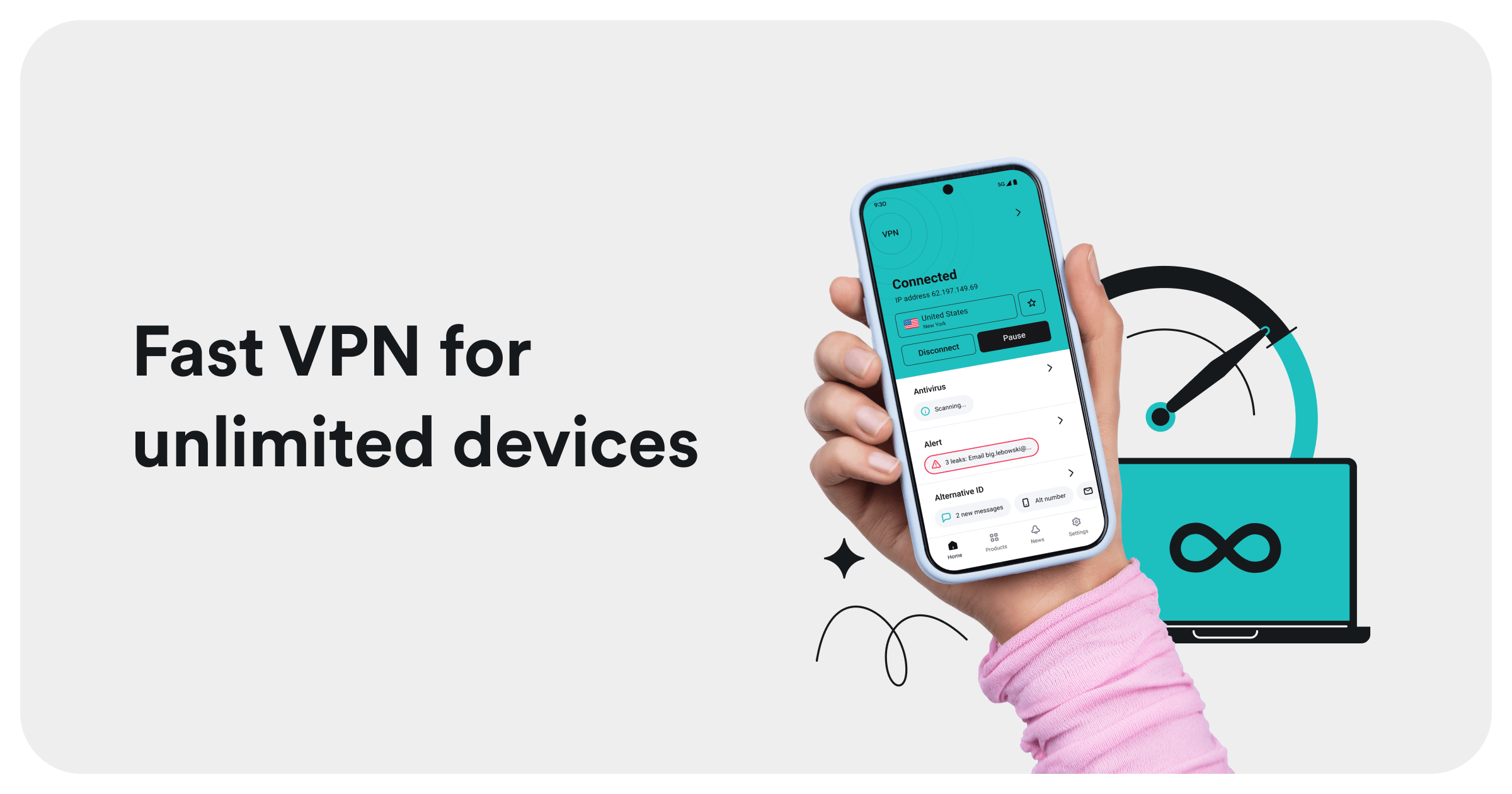
Finding an award-winning VPN deal sounds simple until the internet throws 47 blinking discount banners at you, each claiming to be “the best,” “the fastest,” “the most private,” and possibly “approved by dolphins.” The good news: a genuinely strong VPN offer is not hard to spot once you know what actually matters. The bad news: the cheapest plan is not always the best deal, especially if it turns into a surprise renewal monster six months later.
A virtual private network, or VPN, helps protect your internet connection by routing traffic through an encrypted tunnel. That means your internet service provider, public Wi-Fi snoopers, and some trackers have a harder time seeing what you are doing online. A VPN can also help travelers access familiar websites and streaming libraries while away from home. But a VPN is not a magic invisibility cloak. It will not stop phishing emails, weak passwords, malware downloads, or your cousin from posting your vacation plans on Facebook.
So what makes an award-winning VPN deal worth your money? It is the combination of credible reviews, strong privacy practices, fast performance, useful features, transparent pricing, and a refund policy that does not require a law degree to understand. Let’s break it down before your browser opens another “limited-time offer” tab and starts sweating.
What “Award-Winning VPN Deal” Really Means
The phrase “award-winning VPN deal” can mean two very different things. In the best case, it refers to a VPN service that has been recognized by reputable technology reviewers, independent testing labs, or privacy-focused organizations for performance, security, usability, or value. In the less charming case, it means a brand gave itself a shiny badge and called it a day.
Reliable VPN awards usually come from hands-on testing. Reviewers compare connection speeds, app stability, server coverage, privacy policies, streaming performance, device support, and customer service. They also look for independent no-logs audits, RAM-only server infrastructure, leak protection, kill switches, and clear ownership details. A real award is earned in testing. A fake award is earned in Photoshop.
Why VPN Deals Are So Popular Right Now
VPN deals are everywhere because online privacy has moved from “tech nerd hobby” to “normal adult responsibility,” right next to changing smoke detector batteries and pretending to understand health insurance. People work remotely, travel more, use public Wi-Fi in airports and cafés, stream across devices, and manage sensitive accounts from phones. That creates more reasons to secure connections.
At the same time, the VPN market is competitive. Brands like NordVPN, Surfshark, ExpressVPN, Proton VPN, Mullvad, IVPN, CyberGhost, and Private Internet Access all compete for users who care about privacy, speed, price, or streaming access. Competition often creates discounts, extended plans, free months, bundle offers, and seasonal promotions. That is great for shoppers, as long as they read the fine print before clicking “buy now” with the confidence of a raccoon entering a bakery.
Core Features That Make a VPN Deal Worth It
1. A Strong No-Logs Policy
A no-logs VPN claims it does not store your browsing activity, DNS requests, original IP address, or online behavior in a way that can identify you. This matters because a VPN provider sits between you and the wider internet. If it keeps too much data, you may simply be moving trust from your internet provider to the VPN company.
The best VPN deals come from providers that publish clear privacy policies and support those claims with independent audits. Look for language that explains what is collected, why it is collected, how long it is stored, and whether it can identify a user. “We value privacy” is nice. “Here is our audited logging policy” is better.
2. Fast Speeds Without Drama
All VPNs can slow your connection a little because encryption and server routing add extra steps. A good VPN minimizes that slowdown. Modern protocols such as WireGuard, NordLynx, Lightway, and other optimized systems are designed to keep speeds fast enough for video calls, 4K streaming, cloud backups, and gaming.
If a deal looks tempting, check whether reviewers tested real-world speeds across local and international servers. A VPN that is blazing fast in one city but crawls when you connect overseas may be fine for basic browsing but frustrating for travel, streaming, or remote work. Nobody wants their video call to freeze on the exact frame where they look like a haunted potato.
3. Security Tools That Actually Help
A useful VPN should include AES-256 or similarly strong encryption, DNS leak protection, IPv6 leak protection, and an automatic kill switch. The kill switch is especially important because it blocks internet traffic if the VPN connection drops. Without it, your real IP address may briefly appear online.
Many premium VPNs now include extra tools such as ad blocking, tracker blocking, malware protection, split tunneling, multi-hop routing, obfuscation, dedicated IP options, and dark web monitoring. These extras can be valuable, but do not let them distract you from the basics. A VPN without a reliable kill switch is like a raincoat with decorative holes.
4. Apps for All Your Devices
A great VPN deal should cover the devices you actually use. Windows, macOS, iOS, Android, Linux, smart TVs, browser extensions, and routers may all matter depending on your setup. Some VPNs allow unlimited simultaneous connections, while others set limits such as five, eight, or ten devices.
Households should pay special attention here. A cheap VPN that protects only a few devices may become less attractive if you need coverage for laptops, phones, tablets, streaming devices, and that one mysterious old phone in the junk drawer that still somehow receives weather alerts.
Popular VPN Deal Examples and What They Are Known For
Several VPN providers regularly appear in top review lists, each for different reasons. NordVPN is often praised for all-around performance, speed, security tools, streaming reliability, and features like threat protection and private device-to-device connections. Surfshark is widely known for value, unlimited device connections, and budget-friendly long-term plans. ExpressVPN is popular for simple apps, broad device support, router usability, and a reputation for polished performance.
Proton VPN often appeals to privacy-focused users thanks to its Swiss privacy positioning, open-source apps, Secure Core routing, and free plan. Mullvad and IVPN are frequently respected by privacy enthusiasts for transparency, straightforward pricing, and minimal account data. Private Internet Access and CyberGhost can also be attractive for users who want large server networks, streaming options, or affordable long-term subscriptions.
The point is not that one provider is perfect for everyone. The point is that an award-winning VPN deal should match your use case. A frequent traveler may value server locations and public Wi-Fi protection. A family may value unlimited devices. A journalist, activist, or privacy-sensitive professional may care more about transparency and jurisdiction. A streaming fan may prioritize speed and access to familiar content while traveling.
How to Spot a Good VPN Discount
Check the Real Monthly Cost
VPN companies often advertise long-term plans as a monthly equivalent. For example, a two-year plan may be shown as a low monthly price, but you usually pay the full amount upfront. That is not necessarily bad, but it should be clear. Compare the total cost, not just the big friendly number in the headline.
Watch the Renewal Price
Many VPN deals are introductory offers. After the first term, the subscription may renew at a higher rate. Before buying, check the renewal policy, cancellation process, and whether the provider sends reminders before billing. A discount is less exciting when it returns next year wearing a fake mustache and charging double.
Look for a Money-Back Guarantee
Most reputable premium VPNs offer a 30-day money-back guarantee. This gives you time to test speed, streaming, app design, and reliability. Use the trial period actively. Connect from different networks, test your usual websites, try your preferred streaming apps, and make sure the VPN works on every device you care about.
Avoid Unknown Free VPNs
Free VPNs can be useful when they come from reputable providers with clear limits, such as reduced server choices, speed limits, or monthly data caps. Unknown free VPNs are riskier. Some may rely on ads, tracking, weak privacy policies, or questionable data practices. If the product is free and the privacy policy looks like it was written by a fog machine, step away.
Who Should Buy an Award-Winning VPN Deal?
A VPN is especially useful for remote workers, frequent travelers, students, streamers, digital nomads, small business owners, and anyone who uses public Wi-Fi. If you regularly connect at airports, hotels, libraries, coffee shops, coworking spaces, or conference centers, a VPN adds a valuable layer of protection.
It is also useful for people who dislike excessive tracking by internet providers or want more privacy while browsing. A VPN hides your browsing activity from your ISP, although it does not make you anonymous everywhere. Websites can still use cookies, account logins, browser fingerprinting, and other methods to recognize you. For better privacy, combine a VPN with a privacy-focused browser, strong passwords, two-factor authentication, tracker blocking, and common sense. Yes, common sense is still undefeated, even if it is rarely included in software bundles.
VPN Deal Buying Checklist
- Privacy: Does the provider have an audited no-logs policy?
- Security: Does it include encryption, leak protection, and a kill switch?
- Speed: Are independent speed tests strong enough for your needs?
- Devices: Does one subscription cover your phone, laptop, tablet, TV, and router?
- Servers: Are there reliable servers in the countries or cities you need?
- Streaming: Does it work with the platforms you use while traveling?
- Pricing: What is the upfront cost and renewal price?
- Refunds: Is there a clear money-back guarantee?
- Support: Is live chat or fast email support available?
Common Mistakes to Avoid
Buying Only Because It Is Cheap
The cheapest VPN deal can be fine, but price should not be the only factor. A low-cost VPN with poor speeds, vague logging terms, weak apps, or unreliable support may cost less because it delivers less. Value means the right balance of price and performance.
Ignoring the Refund Window
Do not buy a VPN and forget to test it. The refund period is your inspection window. Try it on home Wi-Fi, mobile data, hotel Wi-Fi, and public hotspots. Check whether banking apps behave normally, video calls stay stable, and streaming services work as expected.
Assuming a VPN Solves Everything
A VPN protects the connection, not every choice you make online. It will not save you from entering your password on a fake login page. It will not fix reused passwords. It will not make suspicious downloads safe. Think of a VPN as a seatbelt, not a self-driving tank.
Best Use Cases for a VPN Deal
For public Wi-Fi, a VPN encrypts traffic so people on the same network have a harder time intercepting your data. For streaming while traveling, it may help you access your usual subscriptions, depending on platform rules and regional licensing. For remote work, it can add security when handling company accounts outside the office. For shopping, it may reduce some location-based tracking, although prices can still vary based on cookies, accounts, and merchant systems.
For families, a VPN with unlimited devices can be practical. One subscription can protect phones, laptops, tablets, and streaming devices without account juggling. For privacy enthusiasts, a transparent provider with audited policies, anonymous payment options, and minimal account data may be worth paying more for.
Experience Section: What Using an Award-Winning VPN Deal Feels Like in Real Life
The first real experience with an award-winning VPN deal usually starts with suspicion. You see a huge discount, a countdown timer, and a button that says something like “Get 73% Off Today.” Naturally, your brain asks, “Is this a deal or a trap wearing a coupon hat?” That skepticism is healthy. The best approach is to treat the first week like a test drive.
After installing a quality VPN, the first pleasant surprise is how ordinary it feels. A good VPN app does not require you to speak fluent cybersecurity. You open it, choose a server, tap connect, and keep using the internet. The connection icon turns green, and suddenly you feel like you have made a responsible adult decision before finishing your coffee.
The second experience is testing speed. On a strong provider, everyday browsing feels nearly unchanged. Email loads, social media scrolls, cloud documents open, and video calls remain stable. Streaming may take a moment to adjust, but good VPNs usually handle HD and 4K video well on nearby servers. International servers can vary more, which is why testing different locations matters. Sometimes the closest server is fastest; sometimes another nearby city performs better. The internet is weird like that.
Public Wi-Fi is where the VPN feels most useful. At an airport, hotel lobby, or café, connecting to a VPN before opening sensitive accounts provides peace of mind. You still need to verify the network name and avoid suspicious links, but the encrypted tunnel adds a layer of defense. It is like putting your data in a locked suitcase instead of letting it ride loose on the luggage carousel.
Another practical moment comes when setting up multiple devices. If the VPN allows unlimited connections, the process feels refreshingly simple. You install it on your laptop, phone, tablet, and maybe a streaming device without counting devices like a stressed accountant. If the VPN has a device limit, you may need to choose carefully or install it on a router for wider coverage.
Customer support can make or break the experience. The best VPN providers offer fast live chat, clear tutorials, and troubleshooting guides. This matters when a streaming app refuses to cooperate, a browser extension behaves oddly, or a workplace network blocks certain VPN protocols. Good support does not just say, “Have you tried turning it off and on again?” though, to be fair, that does work an annoying amount of the time.
The renewal reminder is the final real-life test. A great VPN deal should remain transparent after the honeymoon period. Before the first term ends, check the renewal price and decide whether the service still earns its spot. If it has been fast, private, reliable, and easy to use, renewing may make sense. If not, cancel before the renewal date and compare new offers. Loyalty is nice; surprise billing is not a personality trait anyone asked for.
Overall, the best experience with an award-winning VPN deal is not dramatic. It is quiet, smooth, and dependable. You notice it most when you do not have to think about it. That is the point. The VPN connects, your apps work, your data has stronger protection, and your online life gets a little less exposed. In a world where everything wants your location, behavior, attention, and email address, that small privacy upgrade feels surprisingly luxurious.
Final Verdict: Is an Award-Winning VPN Deal Worth It?
Yes, an award-winning VPN deal can be worth it if the service has credible recognition, strong privacy practices, fast performance, easy apps, and clear pricing. The best deal is not always the lowest price. It is the VPN that fits your habits, protects your devices, and avoids unpleasant renewal surprises.
Choose a provider with independent reviews, an audited no-logs policy, a reliable kill switch, modern protocols, useful apps, responsive support, and a fair refund policy. Test it before the refund window closes. If it performs well in your real life, not just in marketing copy, you have found a deal that deserves the word “award-winning.”
Note: VPN pricing, discounts, features, and promotional terms change often. Always verify the current checkout price, renewal rate, refund policy, and provider terms before purchasing.