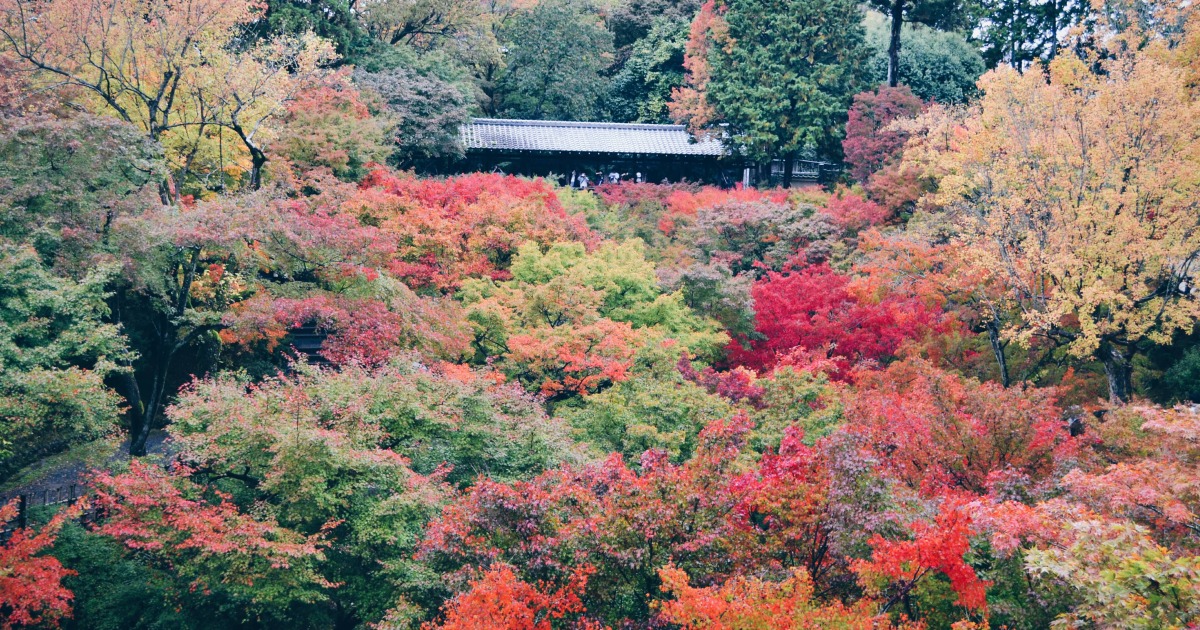
Kyoto in autumn does not simply change color. It performs. One week, the city is a polite collection of moss gardens, wooden temples, quiet lanes, and matcha-scented afternoons. Then November arrives, and suddenly every maple tree behaves like it has been waiting all year for its dramatic solo. Hillsides glow red. Temple ponds double the scenery like mirrors with excellent taste. Even fallen leaves on stone paths look suspiciously arranged, as if Kyoto hired an art director and told them, “More poetry, please.”
This is the magic behind An Autumn Tale In Kyoto, Japan: a season where travel becomes slower, richer, and more cinematic. Known for its historic temples, refined cuisine, bamboo groves, shrines, and centuries-old neighborhoods, Kyoto is already one of Japan’s most beloved destinations. But in fall, the former imperial capital turns into a living watercolor of crimson maples, golden ginkgo trees, misty mountains, and glowing lanterns.
For travelers planning a Kyoto autumn trip, the experience is not just about chasing the best fall foliage spots. It is about listening to gravel crunch under your shoes, sipping tea while leaves drift past a garden wall, eating seasonal dishes that taste like the calendar changed into dinner, and realizing that “leaf peeping” sounds silly until you find yourself emotionally attached to a tree.
Why Autumn In Kyoto Feels So Special
Autumn in Kyoto usually reaches its most photogenic stage from mid-November to early December, though color can vary each year depending on weather, elevation, and location. The Japanese word koyo refers to autumn foliage, while momiji often means maple leaves. The tradition of momijigari, or “maple hunting,” is not about hunting anything with antlers. It is the graceful pursuit of seasonal beauty, preferably with comfortable shoes and a fully charged phone.
Kyoto is uniquely suited to this ritual because the city is framed by mountains and filled with temples, shrines, gardens, rivers, and old streets. The autumn colors do not appear in one isolated park; they spill across the whole city. You can see them behind temple gates, along canal paths, above wooden bridges, beside tea houses, and even peeking over tiled roofs in residential lanes.
The season also brings cooler air, clear skies, and a calmer mood after Japan’s humid summer. Days are comfortable for long walks, while evenings can be crisp enough to justify a warm bowl of noodles. In other words, Kyoto autumn gives you beauty and an excuse to eat more. A rare diplomatic victory.
The Best Places To See Fall Foliage In Kyoto
Kyoto has many famous autumn leaves spots, and each one tells a slightly different story. Some are grand and dramatic. Others are quiet, subtle, and better suited for travelers who prefer their scenery without a crowd doing tripod gymnastics.
Kiyomizu-dera: The Stage Above The Maples
Kiyomizu-dera is one of Kyoto’s signature temples and a World Heritage site with more than 1,200 years of history. Perched on Mt. Otowa in Higashiyama, it is best known for its enormous wooden stage that juts out from the main hall above the hillside. In autumn, that stage becomes one of the most memorable viewpoints in Japan.
From the temple grounds, visitors can look over a rolling sea of red and orange leaves with Kyoto city stretching beyond. The contrast is irresistible: ancient wood, bright foliage, distant rooftops, and the soft silhouette of mountains. At night during seasonal illumination periods, the scene can feel almost theatrical, as if the maples have entered their evening gown era.
Go early in the morning for lighter crowds, or visit near sunset for warmer light. The lanes leading to Kiyomizu-dera, including Sannenzaka and Ninenzaka, are also part of the experience. They are lined with shops selling sweets, ceramics, souvenirs, and enough matcha products to make a green tea enthusiast need a spreadsheet.
Tofuku-ji: The Valley Of Crimson Leaves
Tofuku-ji is one of Kyoto’s most famous autumn foliage temples, especially around Tsutenkyo Bridge. The bridge overlooks a valley filled with maple trees, creating a view that can look less like landscaping and more like a red ocean. It is one of those places where people walk in confidently and then immediately whisper, “Oh wow,” because full-volume speech feels inappropriate.
The temple can become extremely crowded during peak foliage season, and photography rules or restrictions may apply in busy areas. This is a good reminder that Kyoto’s temples are not just scenic backdrops; they are cultural and religious spaces. The best approach is simple: move patiently, follow signs, avoid blocking walkways, and let the view live in your memory even if your camera roll does not capture every leaf from seven angles.
Eikan-do: Kyoto’s Autumn Show-Off
Eikan-do, also known as Zenrin-ji, has a reputation for spectacular autumn colors, and frankly, it has earned the bragging rights. The temple grounds feature maples, ponds, wooden corridors, and a hillside pagoda that looks especially beautiful when framed by fiery leaves.
Evening illuminations, when available, make Eikan-do one of Kyoto’s most atmospheric fall experiences. Reflections shimmer in the water, leaves glow under soft lighting, and the paths feel like they belong in a quiet dream. It is romantic, contemplative, and dangerous for anyone who promised they would not buy another memory card.
Arashiyama: River, Bridge, Bamboo, And Mountains
On Kyoto’s western edge, Arashiyama offers a broader landscape of autumn beauty. The area is famous for the Togetsukyo Bridge across the Katsura River, the nearby bamboo grove, river scenery, and mountain slopes that turn gold and red in fall. It is a wonderful place to spend half a day wandering without turning every minute into an itinerary emergency.
Start near Togetsukyo Bridge, then walk toward the bamboo grove and Tenryu-ji area. The bamboo itself stays green, which makes the surrounding autumn colors feel even warmer. If you arrive early, you may catch a rare moment of quiet before the tour groups arrive. If you arrive later, accept the crowds, move slowly, and remember that everyone else also saw the same dreamy photos online.
Fushimi Inari Taisha: Vermilion Gates In Autumn Light
Fushimi Inari Taisha is famous for its long tunnels of vermilion torii gates leading up Mt. Inari. While it is not always thought of first as an autumn foliage destination, fall light adds a wonderful softness to the shrine paths. The orange gates, forested trails, stone fox statues, and occasional maple color create a different kind of Kyoto autumn scene: more mysterious than postcard-perfect, more pilgrimage than panorama.
The lower shrine area can be busy at almost any time of year, so consider walking farther up the mountain. Crowds thin as the steps rise, and the atmosphere becomes quieter. This is also where you learn whether your travel shoes were chosen wisely or merely looked cute in the hotel mirror.
How To Plan A Kyoto Autumn Itinerary
A successful Kyoto autumn itinerary should balance famous landmarks with slower neighborhood wandering. Try not to schedule five peak foliage temples in one day unless your hobby is becoming a human dumpling in a crowd. Kyoto rewards patience. Two or three major stops, plus time for meals, tea, and aimless strolling, will create a far better story.
A Simple Three-Day Kyoto Autumn Plan
Day one: Explore Higashiyama. Start at Kiyomizu-dera, walk down Sannenzaka and Ninenzaka, continue toward Yasaka Shrine, and end in Gion or along the Shirakawa canal. This day gives you classic Kyoto: wooden streets, temples, small shops, and autumn leaves tucked into every corner.
Day two: Visit Tofuku-ji early, then move to Fushimi Inari Taisha. These two sites are geographically convenient enough to pair, and both benefit from morning energy. Afterward, return to central Kyoto for Nishiki Market or a relaxed dinner.
Day three: Spend the day in Arashiyama. Walk across Togetsukyo Bridge, visit temple gardens, explore the bamboo grove, and leave enough time to sit by the river. If you rush Arashiyama, the mountains will judge you silently, and honestly, they will be right.
What To Eat In Kyoto During Autumn
Kyoto’s food scene is deeply tied to seasonality. Autumn flavors often include mushrooms, chestnuts, sweet potatoes, persimmons, simmered vegetables, grilled fish, tofu, and delicate sweets shaped like maple leaves. Even casual snacks can feel seasonal, because Kyoto has a way of making lunch seem like part of a cultural curriculum.
Kaiseki: The Season Served Course By Course
Kaiseki is Kyoto dining at its most refined: a multi-course meal built around seasonal ingredients, presentation, texture, and balance. A fall kaiseki meal might include soup, grilled fish, rice, pickles, local vegetables, and small dishes arranged with leaves, ceramics, and colors that echo the season outside. It is dinner with a philosophy degree.
For travelers, kaiseki can be a splurge, but it does not need to feel intimidating. Think of it as a guided walk through the season, only instead of a map, you receive lacquerware and tiny edible masterpieces. Just avoid asking for ketchup. Kyoto may never emotionally recover.
Nishiki Market: Kyoto’s Kitchen
Nishiki Market is a narrow covered shopping street often called “Kyoto’s Kitchen.” It has a long culinary history and is packed with vendors selling pickles, tea, seafood, sweets, rice crackers, omelets, tofu products, and seasonal snacks. It is ideal for tasting Kyoto in small bites.
Autumn is a particularly enjoyable time to visit because the weather makes walking pleasant and seasonal treats appear everywhere. Try yatsuhashi sweets, roasted chestnuts, Kyoto pickles, tofu doughnuts, matcha desserts, or skewered snacks. Eat politely, follow local signs about where to consume food, and resist the urge to treat the market like a moving buffet parade.
Practical Tips For Visiting Kyoto In Fall
Kyoto autumn travel is popular, which means planning matters. Book hotels early, especially for mid-November through early December. Stay near a train or subway station if possible, because buses can become crowded during foliage season. Walking is often the most enjoyable way to explore, but Kyoto days can easily turn into 20,000-step adventures. Your feet will write a strongly worded letter if you ignore them.
Check official autumn leaves calendars and temple websites before visiting, since peak color and special evening openings vary each year. Bring layers because mornings and nights can be chilly while afternoons may be mild. Carry cash for smaller temples, shops, or food stalls. Use coin lockers when needed; dragging a suitcase through historic lanes is both inconvenient and a public performance of poor planning.
Most importantly, travel respectfully. Do not touch temple buildings, block narrow streets, chase geiko or maiko for photos, fly drones, or set up tripods where they are not allowed. Kyoto is beautiful because people have cared for it over centuries. The best visitors become part of that care, not part of the problem.
The Deeper Meaning Of An Autumn Tale In Kyoto, Japan
What makes An Autumn Tale In Kyoto, Japan so memorable is not only the color. Many destinations have leaves. Kyoto has layers. A maple tree here may stand beside a temple founded centuries ago. A pond may reflect both bright foliage and a roofline shaped by ancient craft. A bowl of soup may taste simple until you realize it was designed around the exact mood of the season.
Autumn in Kyoto is a lesson in impermanence, but not the gloomy kind. The leaves are beautiful because they will not stay. The best light arrives and disappears. A quiet temple path may become crowded ten minutes later. A perfect red leaf lands on your sleeve, then falls away. Kyoto does not let you hold the moment forever. It asks you to notice it while it is here.
That is why the city feels less like a destination and more like a story. You arrive with a list of places to see, and you leave with smaller memories: steam rising from tea, a bell echoing through trees, the smell of incense near a gate, the sound of river water in Arashiyama, the first glimpse of Kiyomizu-dera above a red hillside. The tale is not written in one grand scene. It is written in footsteps.
Extra Experiences To Make Your Kyoto Autumn Story Longer, Richer, And More Personal
Beyond the famous temples and postcard views, some of the best Kyoto autumn experiences happen in the in-between hours. Wake before breakfast and walk along the Kamo River while the city is still stretching. Local residents bike past with scarves tucked under their chins, birds skim the water, and the eastern mountains slowly brighten. It is not a headline attraction, but it may become one of your favorite memories.
Another underrated pleasure is visiting a small neighborhood café after a morning of foliage viewing. Kyoto does quiet cafés exceptionally well. You may find one hidden behind a curtain, down an alley, or inside a renovated machiya townhouse. Order coffee, matcha, or a seasonal dessert, then do absolutely nothing for twenty minutes. This is not wasted travel time. This is what professionals call “absorbing the atmosphere,” which sounds better than “my legs have resigned.”
Consider adding a tea experience to your autumn itinerary. Whether formal or casual, tea in Kyoto helps slow the day down. The bitterness of matcha pairs beautifully with a small sweet, and the ritual creates a pause between sightseeing stops. After several hours of chasing red maples, sitting still with a tea bowl can feel surprisingly luxurious.
For travelers who enjoy photography, Kyoto’s autumn streets are just as rewarding as its famous landmarks. Look for details: a single red leaf on a stone basin, lanterns glowing near a restaurant entrance, reflections in a canal, a bicycle parked under a ginkgo tree, or steam rising from a food stall. These smaller scenes often capture the feeling of Kyoto better than the crowded viewpoint everyone else is photographing.
Evenings deserve their own chapter. After sunset, explore Gion or Pontocho with patience and respect. Lanterns flicker on, restaurant signs glow, and narrow lanes take on a cinematic softness. This is not the time to rush from one attraction to another. Walk slowly, choose a small restaurant, try seasonal dishes, and let the city shift from temple grandeur to intimate warmth.
If you have extra time, take a short trip beyond central Kyoto. Areas in the northern hills or quieter temple districts may offer excellent color with fewer crowds. The reward is not only better photos but a deeper sense of space. Kyoto’s most famous places are famous for good reason, yet its quieter corners often provide the emotional punctuation: the comma, the pause, the soft ending to a busy day.
Finally, keep one unplanned afternoon. This may sound irresponsible to itinerary lovers, but Kyoto benefits from openness. Follow a lane because it looks pretty. Step into a garden because a sign caught your eye. Buy a warm snack because it smells impossible to resist. Sit beside a pond because the reflection is doing something dramatic. The best autumn tale in Kyoto is not always the one you schedule. Sometimes it is the one that finds you when you stop trying to manage every minute.
Conclusion
An autumn trip to Kyoto is a journey through color, history, flavor, and feeling. From the wooden stage of Kiyomizu-dera to the maple valley of Tofuku-ji, from Eikan-do’s glowing evening paths to Arashiyama’s river and mountains, the city offers one of the most memorable fall travel experiences in Japan. Add seasonal kaiseki, Nishiki Market snacks, quiet cafés, respectful wandering, and a few unscheduled moments, and Kyoto becomes more than a destination. It becomes a story you will keep retelling long after the leaves have fallen.
The secret is to travel with both curiosity and patience. Autumn in Kyoto is popular, yes, and sometimes crowded. But beneath the busy viewpoints is a calmer rhythm: bells, tea, moss, lanterns, rivers, and red leaves moving in the wind. Follow that rhythm, and An Autumn Tale In Kyoto, Japan becomes not just an article title, but the perfect name for a memory.