Note: This article is for general educational purposes only. ADHD diagnosis should be made by a qualified health professional, not by a quiz, a social media checklist, or one suspiciously relatable meme about losing your phone while holding it.
Attention-deficit/hyperactivity disorder, better known as ADHD, is one of the most talked-about neurodevelopmental conditions todayand also one of the most misunderstood. Some people picture a child bouncing around a classroom like a popcorn kernel. Others imagine an adult with 37 browser tabs open, three unfinished projects, and a heroic ability to forget why they walked into the kitchen. Real ADHD can include both of those moments, but it is much more than being energetic, distracted, or “bad at planning.”
ADHD affects attention, impulse control, activity level, organization, emotional regulation, time management, and daily functioning. It can appear in childhood, continue into adulthood, or become obvious only when life gets more demanding. A child may struggle with school routines, homework, friendships, and classroom expectations. An adult may struggle with deadlines, bills, relationships, job performance, or the mysterious disappearance of every important document exactly when it is needed.
The good news: ADHD can be evaluated, diagnosed, and managed. The not-so-good news: there is no single magic test. No blood test, brain scan, or five-minute online quiz can confirm ADHD by itself. A proper ADHD diagnosis is more like detective work: symptoms, history, behavior patterns, medical checks, rating scales, and real-life impairment all matter.
What Is ADHD?
ADHD is a neurodevelopmental disorder marked by persistent patterns of inattention, hyperactivity, and impulsivity that interfere with functioning or development. In plain English, the brain’s “control panel” for focus, planning, inhibition, motivation, and timing may work differently. That does not mean a person with ADHD is lazy, careless, or trying to make life difficult. In fact, many people with ADHD work extremely hard just to keep up with tasks other people seem to do automatically.
ADHD is commonly grouped into three presentations:
Predominantly Inattentive Presentation
This presentation often involves difficulty sustaining attention, following instructions, organizing tasks, finishing work, listening carefully, remembering daily responsibilities, and avoiding distractions. A child may appear dreamy, slow to start tasks, or “not listening.” An adult may miss details, procrastinate, misplace items, or feel mentally foggy during boring but necessary tasks.
Predominantly Hyperactive-Impulsive Presentation
This presentation includes symptoms such as fidgeting, excessive talking, restlessness, interrupting, difficulty waiting, acting before thinking, or feeling driven by an internal motor. In young children, it may look like climbing, running, or constant movement. In adults, hyperactivity may become inner restlessness, impatience, or a strong need to stay busy.
Combined Presentation
Combined ADHD includes both inattentive and hyperactive-impulsive symptoms. This is the version many people think of first, but ADHD can look different from person to person. Some people are visibly energetic; others are quiet, overwhelmed, and mentally overloaded. ADHD is not one-size-fits-allmore like one-size-fits-chaotically.
Why ADHD Diagnosis Matters
An ADHD diagnosis is not about labeling someone. It is about understanding what is happening and choosing the right support. Without diagnosis, children may be unfairly described as careless, disruptive, lazy, or unmotivated. Adults may spend years blaming themselves for missed deadlines, messy finances, emotional reactions, or chronic disorganization.
Diagnosis can open the door to treatment, school accommodations, workplace strategies, therapy, coaching, parent training, medication when appropriate, and better self-understanding. It can also help rule out other conditions that may look like ADHD, such as anxiety, depression, sleep disorders, learning disabilities, trauma-related stress, hearing or vision problems, thyroid issues, or substance-related concerns in adults.
ADHD Diagnosis in Children
Diagnosing ADHD in children requires more than one adult saying, “This kid has rocket fuel in their sneakers.” Clinicians look for a long-term pattern of symptoms that appears in more than one settingusually home and schooland causes real impairment.
When Should a Child Be Evaluated?
A child may need an ADHD evaluation if symptoms consistently interfere with learning, behavior, relationships, or daily routines. Examples include:
- Frequently losing homework, supplies, or instructions
- Difficulty sitting still when expected
- Interrupting often or acting before thinking
- Struggling to finish schoolwork despite understanding the material
- Meltdowns related to transitions, frustration, or overwhelm
- Forgetfulness that affects chores, routines, or responsibilities
- Teacher concerns about attention, impulsivity, or classroom behavior
Most children have energetic days and forgetful moments. ADHD is different because symptoms are persistent, developmentally inappropriate, and impairing. A seven-year-old who forgets a worksheet once is being seven. A child who forgets assignments daily, cannot complete classwork, loses materials constantly, and struggles across settings may need evaluation.
Who Can Diagnose ADHD in Children?
ADHD in children may be diagnosed by pediatricians, child psychologists, psychiatrists, developmental-behavioral pediatricians, neurologists, or other qualified clinicians. Many families start with a pediatrician, who may collect information from parents and teachers, perform a medical review, and refer to a specialist if the case is complex.
Specialist evaluation may be especially helpful when a child is very young, has learning difficulties, has anxiety or mood symptoms, has developmental delays, or has symptoms that do not clearly match ADHD.
ADHD Diagnosis in Adults
Adult ADHD is real, common, and often missed. Many adults were never evaluated as children because they were bright, quiet, high-achieving, or skilled at hiding problems. Some survived school through last-minute adrenaline, caffeine, charm, or sheer panic. Then adulthood arrived with bills, jobs, parenting, relationships, laundry, emails, insurance forms, and other villainsand the old coping system collapsed like a folding chair at a family barbecue.
What Adult ADHD Can Look Like
Adults with ADHD may experience:
- Chronic procrastination or deadline panic
- Poor time estimation, also known as “I’ll leave in five minutes” and somehow it is tomorrow
- Disorganization at work, home, or in finances
- Forgetfulness, missed appointments, or lost items
- Restlessness, impatience, or difficulty relaxing
- Impulsive spending, interrupting, or quick emotional reactions
- Difficulty starting boring tasks but intense focus on interesting ones
- Feeling overwhelmed by ordinary responsibilities
For adults, diagnosis usually includes a detailed history of current symptoms, childhood symptoms, school and work history, family history, mental health screening, and functional impairment. Since ADHD begins in childhood, clinicians often ask whether symptoms were present before age 12, even if they were not diagnosed at that time.
Why Adult ADHD Is Often Missed
Adult ADHD may be overlooked because symptoms can resemble stress, anxiety, depression, burnout, sleep deprivation, or personality traits. Many adults also develop coping strategies that hide the problem temporarily. A person may perform well at work but collapse at home. Another may succeed academically but only with extreme effort, all-nighters, and enough sticky notes to wallpaper a small office.
Women and girls are also more likely to have inattentive symptoms that can be less disruptive in classrooms, which may delay diagnosis. Instead of being described as hyperactive, they may be called scattered, sensitive, forgetful, anxious, or “not reaching potential.”
Is There an ADHD Test?
There is no single ADHD test that gives a simple yes-or-no answer. Instead, ADHD testing usually means a structured evaluation using several tools. Think of it like assembling a puzzle. One questionnaire is a piece. A clinical interview is another. Teacher feedback, medical history, school records, work problems, and rating scales add more pieces. The picture becomes clearer when the pieces agree.
Common Parts of an ADHD Evaluation
- Clinical interview: A clinician asks about symptoms, when they started, where they happen, and how they affect daily life.
- Rating scales: Parents, teachers, adults, or partners may complete standardized questionnaires about attention, impulsivity, hyperactivity, and functioning.
- Medical history: The clinician reviews sleep, medications, health conditions, developmental history, and family history.
- Physical exam: This may help rule out hearing, vision, sleep, neurological, or other medical issues.
- School or work information: Report cards, teacher notes, performance reviews, or accommodation history may help confirm long-term patterns.
- Screening for other conditions: Anxiety, depression, learning disorders, autism spectrum disorder, sleep problems, and substance use may be considered when relevant.
Examples of ADHD Rating Scales
Clinicians may use tools such as the Vanderbilt ADHD Diagnostic Rating Scale, Conners rating scales, ADHD Rating Scale, Adult ADHD Self-Report Scale, or other validated questionnaires. These tools do not diagnose ADHD alone. They help organize information and compare symptoms with typical patterns for age and setting.
Online ADHD quizzes can be useful for self-reflection, but they are not a diagnosis. They can tell you, “This may be worth discussing with a professional.” They cannot tell you, “Congratulations, your brain has officially joined the ADHD club.”
Diagnostic Criteria: What Clinicians Look For
Clinicians use established diagnostic criteria to determine whether symptoms meet the threshold for ADHD. In general, children up to age 16 need six or more symptoms of inattention and/or hyperactivity-impulsivity. Adolescents age 17 and older and adults need five or more symptoms. Symptoms must be persistent, present in more than one setting, interfere with functioning, and not be better explained by another condition.
Another key point: symptoms must have started before age 12. That does not mean a person had to be diagnosed before age 12. It means signs of ADHD should be traceable to childhood, even if nobody recognized them at the time.
Conditions That Can Look Like ADHD
ADHD evaluation is careful because many conditions can mimic attention problems. A child who cannot hear well may look inattentive. A teenager with anxiety may avoid assignments and appear distracted. An adult sleeping four hours a night may have concentration problems that look suspiciously ADHD-shaped. A person with depression may struggle with motivation, memory, and task completion.
Common ADHD look-alikes or companions include:
- Anxiety disorders
- Depression or mood disorders
- Sleep disorders
- Learning disabilities
- Autism spectrum disorder
- Trauma-related stress
- Hearing or vision problems
- Thyroid problems or other medical conditions
- Medication side effects
This is why a professional evaluation matters. The goal is not just to name ADHD; it is to understand the whole picture.
What Happens After an ADHD Diagnosis?
An ADHD diagnosis usually leads to a treatment plan tailored to age, symptoms, goals, and daily challenges. Treatment may include behavioral strategies, parent training, school supports, therapy, coaching, skills training, medication, lifestyle changes, or a combination of approaches.
For Children
Children may benefit from parent behavior training, classroom supports, consistent routines, positive reinforcement, organizational systems, and medication when appropriate. Schools may provide accommodations such as extra time, seating adjustments, task breakdowns, behavior plans, or help with organization.
For Adults
Adults may benefit from cognitive behavioral therapy, ADHD coaching, medication, digital reminders, calendar systems, financial routines, environmental design, and workplace accommodations. Helpful strategies often focus on making tasks visible, reducing friction, and building external structure. In other words: stop expecting your brain to “just remember” and give it a system with alarms, labels, calendars, baskets, and backup plans.
ADHD Medication: What to Know
Medication is not required for everyone, but it can be life-changing for some people. ADHD medications generally fall into stimulant and non-stimulant categories. Stimulants are commonly prescribed and often work by increasing activity of brain chemicals involved in attention and impulse control. Non-stimulants may be used when stimulants are not effective, cause side effects, or are not a good fit.
Medication decisions should be made with a licensed clinician. The process may involve choosing a medication, adjusting dose, monitoring appetite, sleep, mood, blood pressure, growth in children, and overall functioning. Medication is not a personality replacement. Ideally, it helps the person access their abilities with less internal friction.
Practical Tips Before an ADHD Evaluation
Preparation can make an evaluation more useful. Before the appointment, gather examples of symptoms and impairment. For children, bring teacher comments, report cards, behavior notes, and examples of homework struggles. For adults, bring school history if available, work performance concerns, missed deadline patterns, financial organization issues, or examples from relationships and daily life.
It may help to write down questions such as:
- Could these symptoms be ADHD or something else?
- What rating scales or assessments will be used?
- Should learning disorders, anxiety, depression, or sleep problems be evaluated?
- What treatment options are appropriate?
- How will progress be measured?
- What supports are available at school or work?
Be honest during the evaluation. Do not minimize symptoms because you are embarrassed, and do not exaggerate because you are desperate for answers. The most useful diagnosis comes from accurate information, not from performing “fine” while internally screaming into a mental filing cabinet.
Real-Life Experiences: What ADHD Diagnosis Often Feels Like
For many families, the path to an ADHD diagnosis begins with confusion. Parents may notice that their child is bright, funny, curious, and creativebut homework turns into a nightly drama series with too many episodes. The child may understand math during class but forget to turn in the worksheet. They may read beautifully but lose focus after two paragraphs. They may promise, sincerely, to clean their room and then spend 40 minutes examining a Lego piece from 2019. The issue is not lack of caring. It is often difficulty with starting, sequencing, sustaining effort, and shifting attention.
Teachers may see another side. A child who seems calm at home may struggle in a busy classroom with noise, transitions, instructions, and social pressure. Another child who behaves well at school may explode at home after spending the day holding everything together. That is why parent and teacher input can both matter. ADHD does not always look identical in every setting, but impairment usually appears in more than one area of life.
Adults often describe diagnosis as a strange mix of relief and grief. Relief because the lifelong pattern finally has a name. Grief because they wonder how life might have been different with earlier support. Some adults remember being called lazy, messy, dramatic, careless, or too sensitive. After diagnosis, they may realize they were fighting an invisible executive-function battle while everyone else thought they were simply refusing to “try harder.”
One common adult experience is the “high performer, hidden struggler” pattern. Someone may earn good grades or succeed professionally, but only through intense stress, late nights, over-preparation, and last-minute panic. From the outside, they look capable. Inside, they feel like they are juggling flaming bowling pins while pretending everything is completely normal. Diagnosis can help separate ability from support needs. A person can be intelligent and have ADHD. A person can be responsible and still need systems. A person can care deeply and still forget the appointment.
Another experience is the emotional side of ADHD. While diagnosis often focuses on attention and hyperactivity, many people also struggle with frustration, rejection sensitivity, impatience, shame, or quick emotional shifts. These reactions can affect family life, friendships, school, and work. Understanding ADHD can make these patterns less personal and more manageable. Instead of “What is wrong with me?” the question becomes, “What tools help this brain function better?” That shift can be powerful.
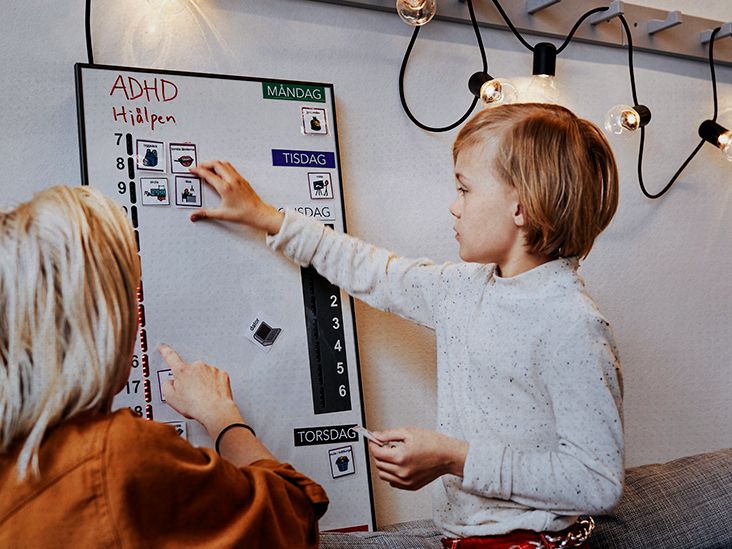
Helpful changes are often practical, not glamorous. A child may need visual routines, movement breaks, shorter instructions, and immediate feedback. An adult may need automatic bill pay, a launch pad by the door, calendar alerts, noise-canceling headphones, body doubling, or a rule that important objects live in exactly one place. These strategies may sound simple, but for ADHD brains, external structure can be the difference between chaos and “Hey, I actually found my keys.”
The most encouraging part is that diagnosis is not the end of the story. It is the beginning of a better map. ADHD does not erase talent, humor, creativity, empathy, or ambition. Many people with ADHD are inventive problem-solvers, energetic contributors, passionate learners, and deeply engaging humans. With the right evaluation and support, the goal is not to become someone else. The goal is to build a life where attention, energy, and strengths have somewhere useful to go.
Conclusion
ADHD diagnosis in children and adults is a careful process, not a single test or quick label. It requires looking at symptoms, history, impairment, settings, medical factors, and possible look-alike conditions. For children, input from parents and teachers is often essential. For adults, childhood history and current life challenges both matter. Rating scales, interviews, medical review, and professional judgment work together to create a reliable picture.
The most important takeaway is simple: ADHD is manageable. Whether the challenge is unfinished homework, missed deadlines, emotional overload, or a calendar that seems personally offended by your existence, support can help. Diagnosis can lead to better strategies, treatment options, accommodations, and self-understanding. ADHD may make life more complicated, but with the right tools, it does not get to be the boss of everything.