Teal is one of those colors that looks as though blue and green had a very calm, very stylish meeting by the ocean. In aura traditions, a teal aura ieativity, and a steady desire to make the world feel a little less chaotic.
But before we put a teal halo on everyone who owns a succulent and sends excellent voice notes, there is an important distinction: aura colors and chakra interpretations are spiritual and reflective frameworks, not scientific personality tests or medical tools. Think of teal aura meaning as a language for self-exploration rather than a cosmic LinkedIn profile written by the universe.
What Does a Teal Aura Mean?
In modern aura reading traditions, teal is usually described as a blend of blue and green energy. Blue is commonly linked with calm communication, insight, honesty, and emotional depth. Green is often connected with growth, compassion, renewal, and the heart-centered desire to help others. When these symbolic meanings overlap, teal is often interpreted as emotionally intelligent, creative, observant, and quietly influential.
A person associated with a teal aura may be the one who notices when a friend says, “I’m fine,” with the emotional force of a smoke alarm. They may enjoy meaningful conversations, artistic expression, nature, problem-solving, or careers that involve helping people communicate more clearly. Teal energy is often portrayed as peaceful, but it is not always passive. A teal personality may have strong opinions, firm values, and a surprisingly effective ability to say, “No, that is not going to work,” without throwing a chair across the conference room.
Because teal sits between blue and green, it is often interpreted as a bridge color. It can symbolize balancing the mind and the heart, expressing feelings without becoming overwhelmed by them, and caring for people without losing oneself in the process.
Common Teal Aura Personality Traits
1. Empathy With Boundaries to Learn
Teal aura interpretations often describe people who are highly sensitive to emotional undercurrents. They may sense tension in a room, notice when someone is being excluded, or understand what a person means even when that person is not especially skilled at explaining it.
This sensitivity can make teal-associated people supportive friends, thoughtful partners, and excellent listeners. The challenge is that empathy without boundaries can turn into emotional overbooking. A person who constantly absorbs everyone else’s stress may eventually feel drained, irritable, or strangely exhausted after a perfectly ordinary coffee date.
The healthiest version of teal energy is compassionate but not self-erasing. It says, “I care about you,” without accidentally becoming everyone’s unpaid crisis manager.
2. Honest, Calm Communication
Teal is frequently connected to communication because of its relationship with blue symbolism. People drawn to teal may value sincerity over small talk, clarity over guessing games, and conversations that actually go somewhere.
They may be good at translating complicated feelings into understandable language. For example, instead of saying, “You never listen,” a teal-leaning communicator might say, “I feel dismissed when decisions are made before I can share my perspective.” Same emotion, fewer flames shooting from the ceiling.
That said, some people who identify with teal energy may wait too long before speaking. They can be so focused on keeping the peace that they avoid raising concerns until their inner emotional filing cabinet is packed beyond capacity. Learning to communicate earlier, not louder, can be a major growth point.
3. Creativity That Has a Purpose
Teal aura meaning is often tied to artistic expression, imagination, and original thinking. This does not mean every teal person is destined to paint murals in a converted warehouse. Creativity can show up in how someone decorates a room, solves a workplace problem, cooks dinner from random leftovers, teaches a class, designs a spreadsheet, or tells a story.
Teal creativity usually has a human element. It often aims to make people feel understood, comforted, inspired, or more connected. A teal-associated person may not create just to impress. They may create because they want to make life more beautiful, more functional, or slightly less ridiculous.
4. Intuition and Pattern Recognition
Many spiritual interpretations describe teal as intuitive. In practical terms, this can mean strong pattern recognition. A person may pick up on subtle changes in tone, recognize when a situation feels off, or quickly understand the emotional dynamics of a group.
Intuition can be valuable, but it works best when paired with evidence. A gut feeling may be a useful signal to pause and ask questions. It is not automatically proof that someone is lying, that a relationship is doomed, or that your neighbor’s cat has launched a psychic campaign against you.
5. A Desire for Peace, Not Avoidance
Teal energy is often described as calm, healing, and diplomatic. People associated with it may prefer cooperation over conflict and thoughtful discussion over dramatic chaos. They often enjoy environments that feel balanced, aesthetically pleasing, and emotionally safe.
However, peace is not the same as avoidance. Healthy teal energy learns that difficult conversations can create deeper peace later. Sometimes the most peaceful move is not staying silent. Sometimes it is saying what needs to be said with kindness, clarity, and enough confidence to survive an awkward pause.
Teal Aura and the Chakra Connection
Teal does not traditionally belong to one single chakra in the common seven-chakra color system. Instead, it is often interpreted as sitting between the symbolism of the heart chakra and throat chakra.
Heart Chakra Influence
The heart chakra is commonly associated with green and is symbolically linked with love, compassion, connection, forgiveness, and emotional balance. The green side of teal may represent nurturing energy, generosity, and a desire to help people feel accepted.
When reflecting on the heart side of teal, consider questions such as: Do I give myself the same compassion I give others? Do I allow people to support me? Am I holding onto resentment because I have not expressed what hurt me?
Throat Chakra Influence
The throat chakra is commonly associated with blue and is symbolically connected with communication, truth, self-expression, and listening. The blue side of teal can represent a wish to speak honestly while remaining emotionally grounded.
A teal aura interpretation may suggest that a person is learning to connect their heart to their voice. In other words, they are working on saying what they feel, asking for what they need, and sharing their ideas without shrinking them into a sentence that begins with, “Sorry, this might be stupid, but…”
Teal as a Bridge Between Feeling and Speaking
In spiritual reflection, teal can symbolize the space between caring deeply and communicating clearly. It may be especially meaningful for people who are learning to set boundaries, repair relationships, express creative ideas, or become more direct without becoming harsh.
That does not mean a teal aura predicts a perfect communicator. It may point to a life lesson instead: learn to let your voice carry the same care that lives in your heart.
Different Shades of Teal and Their Possible Meanings
Not all teal is the same. A soft seafoam teal may feel different from a dark blue-green shade, and spiritual readers often assign slightly different symbolism to each version.
Light Teal Aura
Light teal is often associated with gentleness, emotional openness, healing energy, playfulness, and creative renewal. Someone drawn to pale teal may be entering a period of self-discovery, softer communication, or emotional recovery after a stressful chapter.
Bright Turquoise Aura
Turquoise-leaning teal is often connected with confidence, social energy, charisma, and expressive creativity. It may symbolize someone who is learning to be seen, share their ideas, or lead with warmth rather than force.
Deep Teal Aura
Dark teal may be interpreted as wisdom, privacy, emotional depth, and strong boundaries. It can represent a person who does not reveal everything immediately but sees more than they say. Deep teal energy can be grounding, although it may also suggest a need to avoid withdrawing too far when support is available.
Teal Aura Meaning in Love, Friendships, and Work
Relationships
In relationships, teal-associated people may seek emotional honesty, loyalty, mutual growth, and conversations with more substance than “What should we watch tonight?” They often value partners and friends who respect their sensitivity without treating it as weakness.
Their biggest relationship lesson may involve balance. Teal energy can sometimes overgive, overthink, or become the designated emotional weather reporter for everyone nearby. Strong relationships allow them to care deeply while still maintaining their own needs, routines, and identity.
Career and Purpose
Teal aura traits may feel at home in fields involving communication, creativity, mentoring, counseling, education, wellness, design, community work, writing, leadership, or customer care. The exact job matters less than the environment. Many teal-oriented people thrive when they can solve meaningful problems and feel that their work helps someone.
They may struggle in workplaces that reward constant competition, vague communication, or emotional chaos disguised as “fast-paced culture.” A little challenge can be energizing. Twelve unnecessary meetings and a manager who replies “per my last email” to every question? Less spiritually nourishing.
How to Explore a Teal Aura Without Taking It Too Literally
You do not need an aura photograph, expensive crystal collection, or a mystical subscription box that arrives with three feathers and a coupon for moon water. You can use teal symbolism as a prompt for reflection.
- Journal about situations where you feel most honest and emotionally calm.
- Notice whether you have difficulty speaking up, receiving help, or setting limits.
- Use teal in a workspace, journal, clothing item, or calming visual practice if the color genuinely helps you focus.
- Practice slow breathing or mindfulness before a difficult conversation.
- Ask yourself whether your “intuition” is pointing to a pattern worth exploring or a fear that needs reassurance.
The goal is not to force yourself into a color category. The goal is to become more aware of your emotional patterns, values, needs, and communication habits.
A Simple Teal Aura Reflection Practice
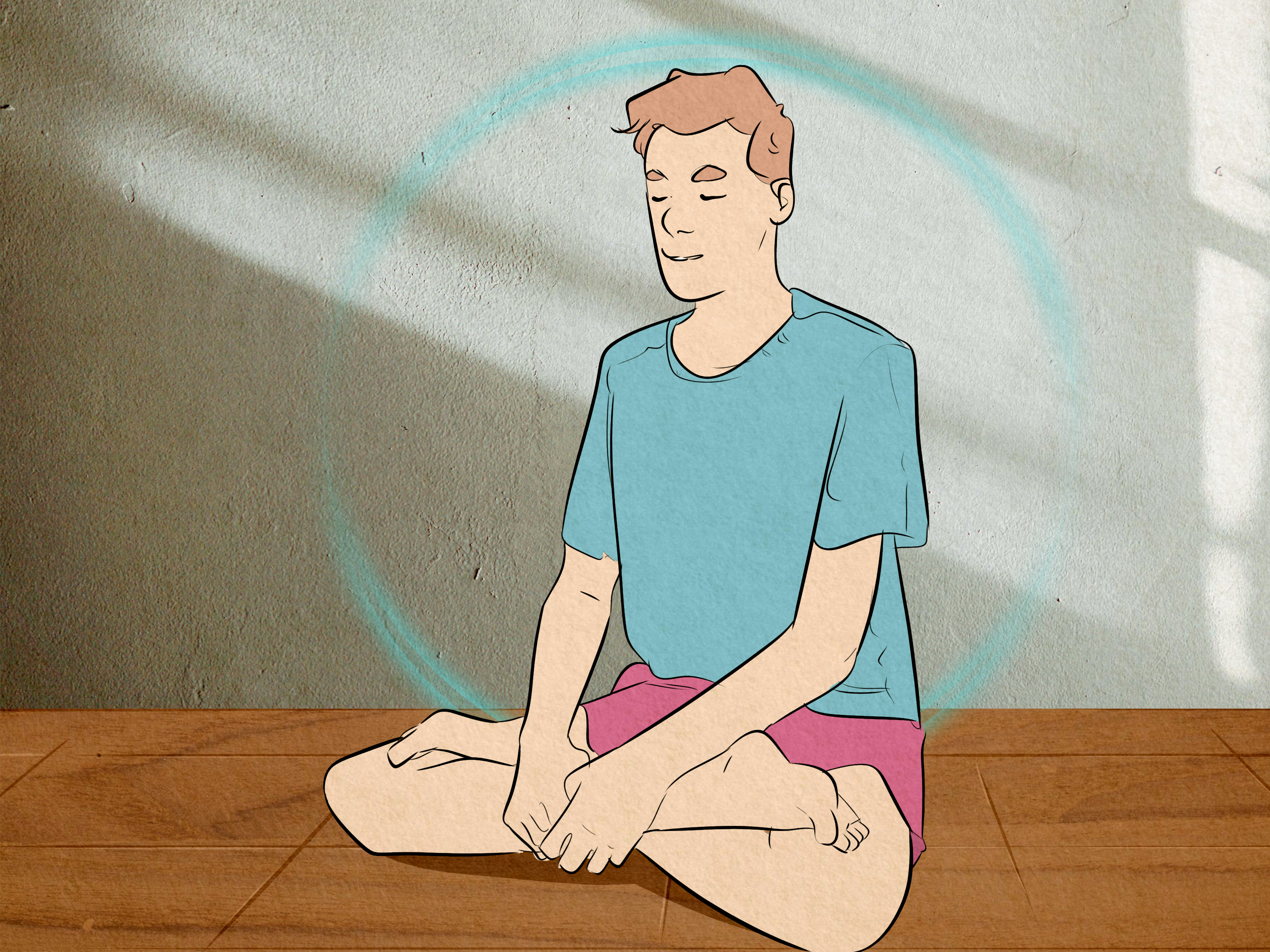
Set aside five quiet minutes. Sit comfortably, breathe slowly, and imagine a gentle teal color around you. There is no need to see anything dramatic or wait for a cosmic laser show. Simply use the color as a focus point.
As you breathe, ask yourself three questions: What am I feeling right now? What truth have I been avoiding? What would a kind boundary look like today?
Write down whatever comes up. The answer might be meaningful, ordinary, messy, or surprisingly practical. Perhaps you need to have a difficult conversation. Perhaps you need to rest. Perhaps you need to stop answering work messages while brushing your teeth. Spiritual reflection and common sense can be excellent roommates.
Teal Aura Experiences: What People Often Notice
People who feel drawn to teal aura symbolism often describe their experiences in ways that are less about supernatural certainty and more about emotional recognition. They may say that teal feels like the color of being both sensitive and strong: soft enough to listen, steady enough to speak.
One common experience is noticing that other people naturally share personal stories with them. A teal-associated person may sit down at a casual gathering and somehow become the keeper of a stranger’s breakup story, career crisis, and childhood dream within twenty minutes. This can feel meaningful because it reflects trust and emotional safety. It can also become exhausting when the person never gets to be the one who needs support.
Another experience involves creative focus. Someone may feel more clear-headed while writing, drawing, organizing a room, gardening, designing a presentation, or walking near water. Teal symbolism often appeals to people who feel restored by beauty, nature, and thoughtful work. They may not call themselves artists, but they often have a strong sense of atmosphere. They notice lighting, wording, color, mood, and the tiny details that make a place or conversation feel welcoming.
Many people also connect teal with the experience of becoming more direct. They may have spent years avoiding conflict, apologizing before stating opinions, or trying to keep everyone happy. Over time, they begin to realize that being honest does not automatically make them unkind. A teal reflection practice can represent that transition: learning to speak from the heart without carrying the entire emotional burden of the room.
Some people associate teal with periods of recovery after burnout, heartbreak, friendship changes, or intense stress. They may not feel “fixed,” and they do not need to. Instead, they notice small signs of returning to themselves: enjoying music again, setting a boundary without panic, saying no to an obligation, or calling a friend because they want connection rather than because they feel responsible for everyone’s well-being.
Teal can also represent the experience of trusting one’s observations without turning every feeling into a final verdict. A person may sense that a workplace dynamic is unhealthy, that a friendship has become one-sided, or that they need more quiet time. The useful next step is not necessarily making a dramatic announcement with thunder in the background. It may simply be gathering information, asking honest questions, and choosing a response that protects their peace.
For some, teal is a reminder that softness is not weakness. Listening carefully, caring deeply, and choosing words with intention are real strengths. The important part is pairing that sensitivity with self-respect. Teal energy, at its best, does not disappear into other people’s needs. It stays present, speaks clearly, and remembers that calm is not something you owe everyone else at the expense of yourself.
Closing Thoughts
The spiritual meaning of a teal aura is often linked with emotional intelligence, compassionate communication, creativity, intuition, and the ongoing work of balancing heart-centered care with honest self-expression. Whether you view aura colors as spiritual symbolism, a journaling prompt, or simply a beautiful way to think about personal growth, teal can offer a useful reminder: your feelings matter, your voice matters, and boundaries can be both loving and powerful.