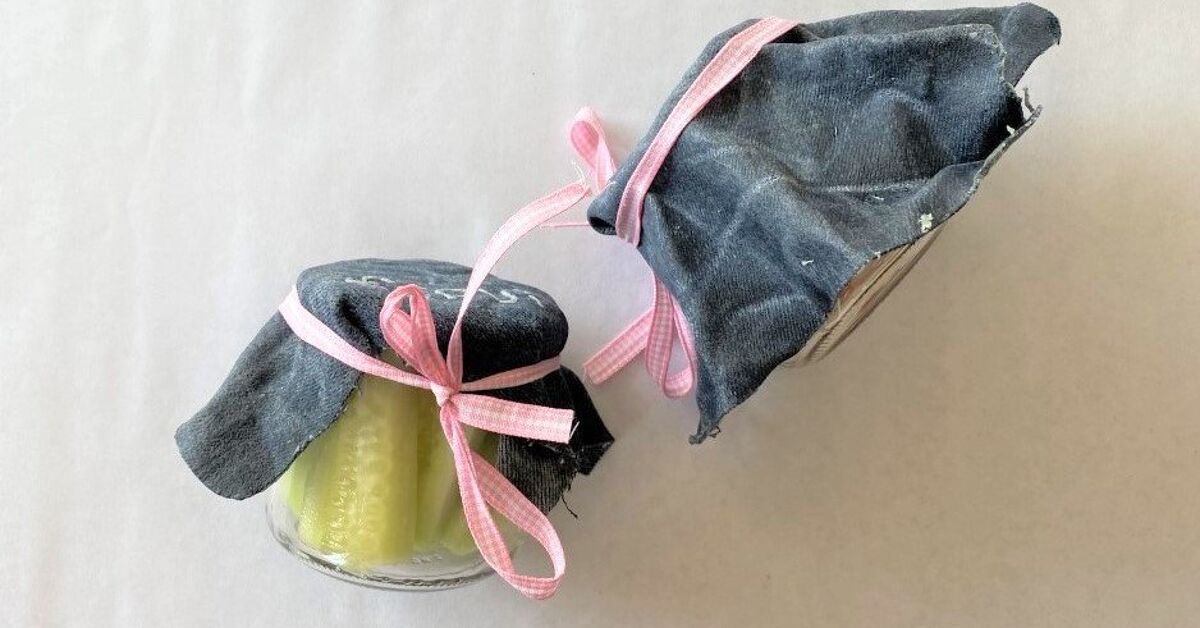
Plastic wrap had a good run, but let’s be honest: it behaves like that clingy friend who shows up everywhere, contributes very little, and refuses to leave. That is exactly why denim beeswax food wraps are getting so much attention. They are reusable, attractive, practical, and surprisingly fun to make or buy. They also bring a little personality to your kitchen, which is more than can be said for a sad roll of disposable plastic hiding in the junk drawer.
Denim beeswax food wraps combine cotton denim fabric with a blend of beeswax and other natural ingredients to create a flexible food wrap that can be used again and again. They are often used for wrapping bread, cheese, produce, snacks, sandwiches, and bowls of leftovers. The result is a low-waste kitchen tool that feels equal parts rustic, modern, and resourceful. If sustainability had a favorite pair of jeans, this might be it.
This guide explains what denim beeswax food wraps are, why they work, how to choose the right fabric, how to use and care for them, and what real-world experiences people tend to have once these wraps move from craft table to refrigerator shelf.
What Are Denim Beeswax Food Wraps?
At their core, denim beeswax food wraps are pieces of cotton denim coated with a wax-based mixture that helps the fabric hold shape, lightly stick to itself, and create a breathable seal around food or containers. Traditional beeswax wraps are commonly made with lighter cottons, but denim gives the concept a sturdier, more textured twist.
That twist matters. Denim is a twill-woven cotton fabric known for durability, structure, and visual character. When used thoughtfully, especially in lighter-weight forms, it creates food wraps that feel more substantial than thin cotton wraps. They can look handcrafted, upscale, and delightfully unfussy all at once.
Not all denim is ideal, though. The best versions for food wraps are usually lightweight, clean, 100% cotton denim fabrics that have been washed well before waxing. Very thick jeans-weight denim can be too stiff, too bulky, and about as cooperative as a cat being asked to take a bath.
Why Denim Beeswax Food Wraps Are Appealing
They replace a lot of single-use wrap
One of the biggest reasons people love beeswax wraps is simple: they help reduce repeat purchases of disposable plastic wrap and plastic sandwich bags. If you use wraps regularly for half a lemon, a wedge of cheese, a lunch sandwich, or a bowl of leftovers, reusable wraps can become one of the most-used items in the kitchen.
They look better than ordinary kitchen storage
Denim has an easy visual charm. It feels familiar, but it still stands out. A beeswax wrap made from denim can make a refrigerator look slightly less chaotic and slightly more intentional. That may not sound life-changing, but when your leftovers look like they belong in a lifestyle photo instead of a science experiment, morale improves.
They are breathable
Unlike airtight plastic wrap, beeswax-coated fabric creates a breathable barrier. That can be useful for foods like bread, herbs, cheese, and produce that benefit from some airflow rather than a fully sealed, moisture-trapping environment.
They are reusable and giftable
Denim beeswax food wraps also make excellent gifts. They feel handmade without looking flimsy. Add a twine tie and a simple tag, and suddenly your practical kitchen project looks suspiciously stylish.
Is Denim a Good Fabric for Beeswax Food Wraps?
Yes, but with a few caveats. Denim can work beautifully for beeswax food wraps when the fabric is chosen carefully. Because denim is cotton-based and sturdy, it can absorb the wax mixture well and hold up to repeated use. However, denim is also thicker than quilting cotton, so its weight and finish matter a lot.
Best denim choices
- Lightweight or shirt-weight denim
- 100% cotton denim or chambray-like denim
- Prewashed fabric with minimal chemical finish
- Smooth, flexible denim that folds easily around bowls and produce
Denim to avoid
- Stretch denim with elastane or spandex
- Heavily coated, waxed, or embellished denim
- Very dark denim that may still bleed color
- Distressed denim with holes, frays, or rough abrasion
- Old jeans with thick seams, rivets, belt loops, or mystery stains nobody wants to discuss
If you are making your own wraps, prewashing is essential. It helps remove sizing, surface treatments, and some excess dye while also letting the fabric shrink before it becomes part of your finished wrap. That step is not glamorous, but neither is discovering your “perfect handmade wrap” has the texture of cardboard and smells faintly like a fabric store aisle.
How Beeswax Food Wraps Actually Work
The magic is in the coating. A typical wrap blend may include beeswax for water resistance and flexibility, pine rosin or resin for tackiness, and jojoba or another plant oil for softness. Once the blend melts into the fabric and cools, the wrap becomes moldable. The warmth of your hands softens it just enough to shape around food or a bowl, and then it firms up into a gentle seal.
This is also why heat is the enemy. Hot water, microwaves, ovens, and dishwashers can soften or melt the coating, shortening the life of the wrap. In other words, treat it like a useful kitchen tool, not an action hero.
How to Make Denim Beeswax Food Wraps
If you want the DIY route, denim beeswax wraps are fairly simple to make. The key is using clean, appropriate fabric and applying the wax mixture evenly.
Basic materials
- Prewashed lightweight 100% cotton denim
- Beeswax
- Pine rosin or pine resin prepared for wrap use
- Jojoba oil
- Parchment paper
- A brush or spoon for spreading
- An oven tray
- Pinking shears or fabric scissors
Simple process
- Wash and dry the denim thoroughly.
- Cut it into practical sizes for sandwiches, produce, bowls, and cheese.
- Place fabric on parchment-lined tray.
- Apply the melted wax mixture lightly and evenly.
- Warm it in the oven just until the coating spreads through the fabric.
- Lift and wave or hang the wrap until it cools and sets.
- Test flexibility once dry and reapply a small amount if needed.
The goal is not to turn the fabric into a candle. Too much wax makes the wrap stiff and crackly. Too little makes it weak and uncooperative. You are aiming for supple, tacky, and tidy.
How to Use Denim Beeswax Food Wraps
Once made or purchased, these wraps are incredibly versatile. Use the warmth of your hands to mold the fabric around the food or over the rim of a bowl.
Best uses
- Wrapping bread, muffins, and baked goods
- Covering bowls of leftovers after food has cooled
- Wrapping cheese
- Covering cut vegetables and herbs
- Packing sandwiches and snacks
- Protecting produce in the refrigerator
What not to do
- Do not use with raw meat or raw fish
- Do not use on very hot foods
- Do not microwave, bake, or dishwash them
- Do not expect them to perform like a rigid airtight lid
Food safety still matters. Perishable food should not sit at room temperature for long just because it is wearing stylish denim. Wraps are useful, but they are not magic. They are a storage helper, not a substitute for proper refrigeration and good kitchen hygiene.
How to Clean and Store Them
Caring for denim beeswax food wraps is straightforward. Wash them in cool water with mild soap, wipe gently, and let them air dry fully before storing. Once dry, fold or roll them and keep them in a drawer, basket, or cool cupboard.
Avoid direct sunlight, hot cars, hot water, and any heat source that could soften the coating. If the wrap starts losing its grip over time, some people refresh it by adding a little more wax mixture. If it has reached the end of its life, a natural-material wrap may be composted or repurposed as a fire starter, depending on how it was made.
The Pros and Cons of Denim Beeswax Food Wraps
Pros
- Reusable and lower-waste
- Durable when made from suitable denim
- Attractive, textured look
- Great for bread, cheese, produce, and lunch items
- Can be handmade from repurposed fabric
- A fun gift or craft project with practical value
Cons
- Heavier than standard cotton wraps
- Not ideal for raw proteins or greasy foods
- Can feel bulky if the denim is too thick
- Needs gentle care and cool-water cleaning
- Dark denim may bleed if not washed well first
Design Ideas and Creative Uses
One of the most fun things about denim beeswax food wraps is that they do not have to look plain. You can use chambray-blue fabric for a classic farmhouse feel, mix different denim washes for a patchwork set, or add simple stitched labels for size. A wrap labeled “bread,” “snacks,” or “cheese” makes the whole kitchen feel suspiciously organized.
You can also pair denim with softer cotton prints, using denim on one side and patterned cotton on the other for wraps that look custom and cheerful. Just keep the project practical. This is not the time to attach sequins and call it innovation.
Are Denim Beeswax Food Wraps Worth It?
For many households, yes. If you want a reusable wrap that feels sturdier than lightweight cloth and more distinctive than ordinary food storage, denim beeswax food wraps are a smart option. They are especially appealing to people who enjoy handmade kitchen goods, sustainable swaps, or upcycling projects.
They are not perfect for every task, and they should be used with common-sense food safety habits. But for wrapping bread, covering bowls, packing snacks, and reducing disposable plastic, they can absolutely earn their place in a working kitchen.
Real-World Experiences with Denim Beeswax Food Wraps
People who try denim beeswax food wraps usually notice one thing right away: they feel different from standard beeswax wraps. There is more body, more texture, and more presence in the hand. A lightweight cotton wrap may feel delicate and floppy at first, but denim wraps often feel more structured. That can be a huge plus when covering a mixing bowl, wrapping a sandwich, or folding a tidy snack pouch.
Another common experience is that the first few uses can be a little awkward. Denim is thicker than many people expect, so the wrap may need a few moments in warm hands before it becomes easy to mold. Once the fabric softens slightly, though, users often start to appreciate that extra sturdiness. It feels dependable. It stays put better on some bowl rims. It also tends to look less wrinkled and chaotic after use, which is nice if your kitchen aesthetic matters to you even a little bit.
Many home cooks also report that denim beeswax wraps are particularly satisfying for bread and baked goods. A loaf end, a stack of biscuits, or a wedge of cornbread can feel right at home in a denim wrap. There is something visually pleasing about rustic food in rustic fabric. It gives “thoughtful home kitchen” rather than “I panic-wrapped this with whatever was nearest.”
For produce, experiences are a bit more mixed, and that makes sense. A half cucumber or herbs can do quite well. A very juicy tomato? Less impressive. Wet foods and wraps are not close friends. People learn fairly quickly that beeswax wraps, denim or otherwise, shine most with foods that are cool, fairly dry, and not dripping with oil or raw juices.
Another frequent observation is that homemade denim wraps can vary a lot depending on fabric choice. Lightweight denim often gets praise for flexibility and clean folding. Thick denim from old jeans can look amazing but feel bulky. It may cover a bowl beautifully, yet struggle with small items like lemon halves or snack portions. This is usually the moment when someone says, “Ah, so that’s why fabric choice matters,” while gently judging past decisions.
Users also tend to notice that prewashing makes a real difference. Wraps made from well-washed fabric usually feel cleaner, softer, and more reliable. Wraps made from stiff, untreated denim can feel overly waxy or resist shaping at first. Over time, though, properly made wraps often settle into a pleasant rhythm. They soften slightly with use, become easier to handle, and feel more natural in everyday storage routines.
One of the best long-term experiences people describe is habit change. At first, denim beeswax food wraps feel like a novelty. Then they become the default option for covering a bowl, wrapping leftover bread, or packing lunch. That shift matters. The wraps stop being a cute sustainability experiment and start becoming ordinary kitchen gear. And honestly, that is probably the highest compliment a reusable product can get: not “Wow, how trendy,” but “Pass me the wrap from the drawer.”
There is also a quieter emotional side to these wraps. Handmade or thoughtfully chosen kitchen tools can make everyday food storage feel less disposable in every sense of the word. Denim beeswax food wraps often carry a bit of personality. They may come from a scrap of fabric saved from another project, a favorite shade of indigo, or a gift set someone actually uses. That small sense of connection makes the experience feel warmer, more intentional, and a little less like life is being managed by a giant box of cling film.
Conclusion
Denim beeswax food wraps bring together practicality, sustainability, and a touch of handmade style. They are not just another eco trend with a cute face and no follow-through. When made from the right fabric and used properly, they are durable, helpful, attractive tools for everyday food storage.
If you choose lightweight 100% cotton denim, prewash it well, avoid heat, and use the wraps for the foods they handle best, you can get a lot of value from them. They reduce waste, add charm to the kitchen, and make leftovers look considerably more respectable. For a product made of fabric, wax, and a little kitchen optimism, that is a pretty solid achievement.