For years, “getting back to normal” sounded like the finish line. It was printed on signs, whispered during video calls, and treated like the reward waiting at the end of a very long tunnel. But the old normal was not exactly a flawless masterpiece. It included exhausting commutes, crowded waiting rooms, fragile supply chains, stale office air, unequal access to technology, and a cultural habit of praising people for working while sick. Nostalgia can be charming, but it is also a talented photo editor.
I am ready for the change COVID-19 will bringnot because the pandemic was good, and certainly not because its losses should be turned into an inspirational poster. I am ready because a crisis this disruptive should leave us wiser. The challenge now is to keep the useful changes, repair the damage, and avoid rebuilding the same systems with shinier logos.
COVID-19 Did Not Invent Change; It Hit the Fast-Forward Button
Many trends associated with the pandemic were already underway. Digital shopping was growing. Telehealth existed. Remote work was possible for some employees. Scientists had spent years developing vaccine platforms. Schools were experimenting with online tools. Then COVID-19 arrived and turned gradual adoption into an emergency sprint.
Work Became Something We Do, Not Just Somewhere We Go
Before 2020, working from home was often treated like a special favor, somewhere between a casual Friday and permission to bring a well-behaved dog to the office. The pandemic forced organizations to test remote work at scale. U.S. labor research shows that working primarily from home rose dramatically from its pre-pandemic level, while later surveys found that remote and hybrid arrangements continued long after the emergency phase. The results have varied by occupation, home environment, technology, management, and the nature of the work itself.
The lasting lesson is not that every employee should work from a couch forever. Some jobs require laboratories, classrooms, kitchens, construction sites, hospitals, warehouses, or face-to-face collaboration. The better lesson is that flexibility can be designed rather than granted as a rare perk. A thoughtful workplace can measure outcomes, protect collaboration time, support caregivers, and stop confusing physical visibility with productivity.
Of course, flexibility must not become a privilege available only to highly paid knowledge workers. Millions of people kept society running in person while others learned how many meetings could have been emails. A fair post-pandemic workplace should improve scheduling, paid leave, health protections, and compensation for workers whose jobs cannot be performed remotely.
Telehealth Moved From Side Door to Front Entrance
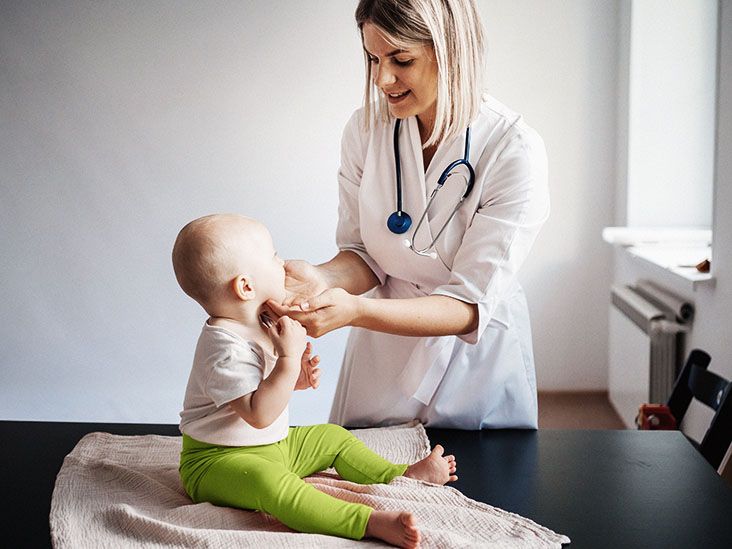
COVID-19 transformed telehealth from a niche option into a mainstream route to care. During the first pandemic year, more than 28 million Medicare beneficiaries used telehealth, and use was far higher than in the previous year. Federal policy has continued to wrestle with how to preserve access while setting appropriate standards for licensing, prescribing, privacy, and quality.
This change matters for patients who live far from specialists, lack reliable transportation, have mobility limitations, or simply do not want to spend half a day traveling for a 15-minute follow-up. Telehealth cannot replace every exam or procedure, but it can replace a surprising amount of waiting-room furniture.
The best future is hybrid health care: in-person care when touch, testing, imaging, or procedures are needed; virtual care when conversation, monitoring, medication review, and follow-up are enough. The goal should not be digital care for its own sake. The goal should be easier access to appropriate care.
Digital Convenience Became Basic Infrastructure
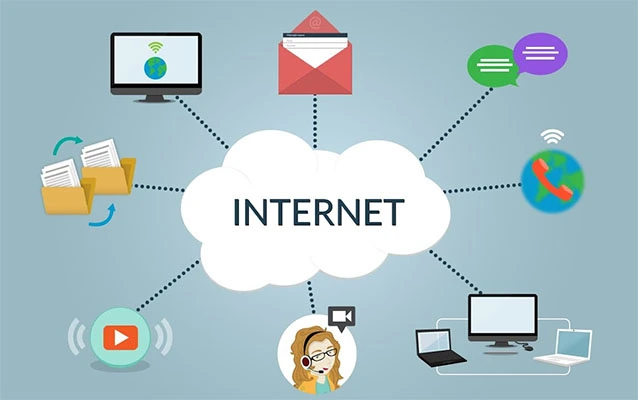
The pandemic accelerated online shopping, digital payments, video communication, curbside pickup, remote customer service, and cloud-based collaboration. Census data documented sharp shifts in e-commerce and business operations during the pandemic, while Pew Research Center found that the internet became essential for work, school, information, relationships, and everyday problem-solving.
That convenience came with a warning label: Internet access is no longer merely a lifestyle upgrade. It is infrastructure. When a household cannot get affordable broadband, it may lose access to classes, job applications, medical visits, government services, and even family connections. The post-COVID future should treat digital inclusion the way earlier generations treated roads and electricitynot as a luxury for the lucky.
Health Will Mean More Than Avoiding a Positive Test
Long COVID Changed the Timeline of Recovery
One of the most important changes COVID-19 brought is a wider understanding that infection does not always end when the fever does. The CDC describes Long COVID as a chronic condition that can begin after infection, persist for months or years, affect multiple organ systems, and sometimes cause disability.
This should change how employers, schools, clinicians, insurers, and families understand recovery. “You look fine” is not a medical assessment. Flexible schedules, symptom-informed care, disability accommodations, and serious research are not acts of indulgence; they are practical responses to a condition that can be complex and unpredictable.
Clean Indoor Air Deserves Its Seat at the Table
COVID-19 pushed ventilation and filtration into public conversation. The EPA continues to emphasize outdoor-air ventilation and effective filtration as parts of a broader strategy for reducing airborne risk, and its school guidance frames healthy indoor air as a goal that extends beyond the pandemic.
This is one change I hope becomes boringly permanent. We inspect food, water, elevators, and fire exits; paying attention to the air inside crowded buildings should not feel like an eccentric hobby. Better indoor air may support healthier schools, workplaces, clinics, and public spaces during many respiratory-virus seasonsnot just COVID waves.
Mental Health Can No Longer Be the Fine Print
The pandemic amplified grief, anxiety, isolation, burnout, parenting strain, and youth mental-health concerns. The U.S. Surgeon General’s advisories have emphasized the importance of youth mental health, workplace well-being, and social connection, while also recognizing that COVID-19 intensified problems that existed before 2020.
A healthier future will treat mental health as part of ordinary health. That means making support easier to access, training managers to respond humanely, designing schools around belonging as well as performance, and rebuilding community spaces where people can gather without purchasing a $7 beverage as an admission ticket.
Education Must Recoverand Become More Resilient
School closures, remote instruction, uneven technology access, absenteeism, and family stress disrupted learning across the United States. National education data recorded enrollment declines and lower mathematics performance in 2022 than in 2019, with the burden falling unevenly across communities.
The answer is not to pretend that every student experienced the same pandemic. Some children had quiet rooms, reliable devices, and adults available to help. Others shared phones, cared for siblings, lost loved ones, or disappeared from regular attendance. Recovery requires tutoring, attendance support, mental-health services, strong teachers, family partnerships, and honest measurement.
At the same time, schools learned useful skills. Teachers became faster at using digital platforms. Families gained more ways to communicate with educators. Recorded lessons and online resources made learning more flexible for some students. The goal should be to keep digital tools as support beams, not use them as an excuse to remove the human relationships at the center of education.
Preparedness Should Become a Habit, Not a Panic Purchase
Resilient Supply Chains Matter in Ordinary Life
COVID-era shortages revealed how quickly disruptions can move from distant factories to neighborhood shelves. The U.S. Department of Commerce has since highlighted vulnerabilities in critical supply chains and expanded efforts aimed at resilience, early warning, coordination, and domestic capacity.
Resilience does not mean producing every object within driving distance. It means understanding critical dependencies, maintaining strategic capacity, diversifying suppliers, sharing timely information, and planning for shocks before everyone is searching for the same box of gloves.
Public Institutions Need Memory
The Government Accountability Office has identified extensive lessons from the federal pandemic response, including the need for stronger coordination, better data, clearer leadership, effective oversight, and improved preparedness for future emergencies.
Institutional memory matters because emergencies create pressure to improvise. Some improvisation is unavoidable; repeating known mistakes is not. Preparedness should include maintained stockpiles, modern data systems, trusted communication channels, a trained public-health workforce, and plans that have been tested before the alarms start ringing.
Science Can Move Quickly Without Starting From Scratch
The rapid development of COVID-19 vaccines was built on years of prior research, multiple technology platforms, large-scale funding, collaboration, and parallel development. The experience accelerated interest in mRNA and other platform technologies for future vaccines and medicines.
The deeper lesson is not that every scientific problem can be solved overnight. It is that sustained research creates options before a crisis, and coordinated investment can compress timelines without pretending the underlying knowledge appeared by magic. Science is less like ordering fast food and more like preparing dough: The visible rise depends on work that started much earlier.
The Change I Want Is More Human, Not Merely More Digital
COVID-19 exposed a strange contradiction. Technology kept many people connected, employed, informed, and entertained, yet endless digital contact also made many of us hungry for ordinary human presence. We learned that a video call can save a trip and still fail to replace a hug. We learned that efficiency is useful, but belonging is essential.
So I am not ready for a future made entirely of apps, automated checkouts, virtual meetings, and contactless everything. I am ready for a future that uses technology to remove friction while protecting relationships. I want telehealth that expands care, not portals that trap patients in password-reset purgatory. I want flexible work, not employees answering messages at midnight because the office now lives in their pockets. I want online learning tools, not lonely children staring at grids of muted faces.
The real test of post-pandemic change is not whether a system becomes faster. It is whether people become safer, healthier, more connected, and more capable of weathering the next disruption.
How to Be Ready for the Change COVID-19 Will Bring
Readiness begins with refusing two easy stories. The first says everything changed forever. The second says nothing really changed and we should simply move on. Reality is messier. Some pandemic habits faded quickly; others became durable expectations. Some innovations widened access; others widened gaps.
Individuals can keep practical habits: staying home when sick when possible, using high-quality masks in higher-risk situations, improving ventilation, keeping vaccinations and medical advice up to date, checking on isolated neighbors, and maintaining a modest emergency supply without turning the garage into a warehouse.
Organizations can offer flexible policies, protect sick leave, improve indoor air, test continuity plans, invest in cybersecurity, and communicate clearly during disruptions. Communities can strengthen schools, libraries, clinics, public spaces, and local networksthe unglamorous institutions that become priceless when ordinary life is interrupted.
Most of all, readiness requires humility. The pandemic showed how quickly confident predictions can age badly. We need systems that can learn, update, and admit uncertainty without collapsing into confusion. Being prepared does not mean knowing exactly what happens next. It means building enough capacity, trust, and flexibility to respond when the next surprise arrives wearing very inconvenient shoes.
Personal Experiences: Learning to Welcome Change Without Worshiping It
My experience of COVID-era change was not one clean transformation. It was a pile of small adjustments that slowly became a new way of thinking. At first, the changes felt temporary. The laptop moved to the kitchen table. Groceries were planned like a military operation. Every cough in public sounded as dramatic as a movie soundtrack. I assumed normal life had stepped out briefly and would return after lunch.
Instead, the temporary arrangements started revealing permanent questions. Why had commuting been treated as proof of commitment? Why did people feel guilty for taking a sick day? Why did routine appointments require so much travel and waiting? Why were so many essential systems one disruption away from chaos? The pandemic did not create all those problems. It simply turned on the overhead lights.
I also learned that convenience and well-being are not the same thing. Working from home removed the commute, but it also erased the natural end of the workday. The office was suddenly everywhere: the table, the couch, and the phone beside the bed. I had to learn that flexibility without boundaries is just a longer leash. Closing the laptop became a deliberate ritual rather than something that happened when I left a building.
Relationships changed, too. I became more grateful for ordinary gatheringsthe kind nobody photographs because they seem too normal to preserve. A conversation across a table felt richer after months of scheduled calls. At the same time, digital tools helped maintain friendships that distance had previously allowed to fade. I stopped thinking of online and offline connection as enemies. The question became whether the tool served the relationship or replaced it.
Health became less abstract. Ventilation, sick leave, caregiving, chronic symptoms, and mental health were no longer policy phrases floating somewhere above daily life. They were connected to whether a colleague could rest, whether a child could learn, whether a family could pay rent, and whether an older relative could safely receive care. I became less impressed by systems that worked beautifully for the average person and failed everyone whose life was not average.
I experienced change fatigue as well. Not every new procedure deserved to survive. Some digital systems were clumsy. Some meetings multiplied because clicking “invite” was easier than deciding whether a meeting was necessary. Some businesses used the language of flexibility while quietly expecting constant availability. Progress, I learned, needs editing.
That is why I say I am ready for the change COVID-19 will bring. I do not mean I welcome the suffering, or that I believe every disruption contains a hidden gift. Loss is not a productivity seminar. I mean I am ready to carry forward the lessons that were purchased at such a high cost.
I am ready to value resilience over perfect efficiency, outcomes over appearances, clean air over stale tradition, access over unnecessary inconvenience, and community over the fantasy that everyone succeeds alone. I am ready to ask better questions when someone says, “This is how we have always done it.” Sometimes the old way is wise. Sometimes it is simply old.
The future after COVID-19 will not arrive as a single grand redesign. It will be built through workplace policies, school budgets, clinic systems, building upgrades, scientific investment, family choices, and daily acts of consideration. That sounds less dramatic than a revolution, but durable change usually does. It enters through the side door, rearranges the furniture, and eventually makes the old layout hard to imagine.
Conclusion
I am ready for the change COVID-19 will bring because returning to the past is neither possible nor desirable. The pandemic exposed weaknesses, accelerated innovation, deepened inequities, and reminded us that health is connected to work, education, technology, housing, trust, and community.
The right response is not blind optimism. It is practical hope: preserve flexibility where it improves life, restore human connection where technology thins it out, invest in preparedness before the next emergency, and judge every “new normal” by whom it includes and whom it leaves behind.
COVID-19 changed the world without asking permission. What happens next is the part where we finally get a vote.
SEO Metadata
Note: This original article synthesizes findings and lessons from reputable U.S. public-health, labor, education, technology, economic, and government sources. It is intended for general informational and editorial use, not medical advice.