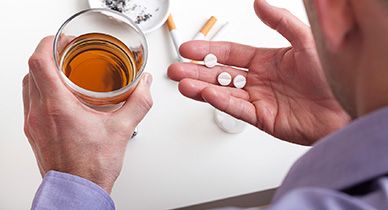
Levitra and alcohol may sound like two guests invited to the same grown-up dinner party, but they do not always behave politely together. Levitra, the brand name for vardenafil, is a prescription medication used to treat erectile dysfunction in adult men. Alcohol, meanwhile, is famous for making people more confident than their texting history can safely support. Put them together, and the answer is not a dramatic “never,” but it is definitely not a carefree “cheers!” either.
The simple answer: Levitra and alcohol are not considered a classic “dangerous interaction” in the same way Levitra and nitrates are, but drinking alcohol while taking vardenafil can increase the chance of unpleasant side effects such as dizziness, flushing, headache, lightheadedness, and low blood pressure symptoms. Alcohol may also work against the very reason someone takes Levitra in the first place, because too much alcohol can make erectile dysfunction worse.
This article explains how Levitra works, why alcohol can complicate the picture, who should be especially cautious, and what real-life experiences often teach adults about mixing ED medication with drinking. It is educational content only, not personal medical advice. Anyone prescribed Levitra should follow their clinician’s instructions and ask a pharmacist or doctor about alcohol use, especially if they take heart, blood pressure, prostate, liver, kidney, or HIV medications.
What Is Levitra?
Levitra is a brand-name version of vardenafil, a medication in a drug class called PDE5 inhibitors. Other medications in this group include sildenafil, tadalafil, and avanafil. These medicines help improve blood flow during sexual stimulation. They do not create desire, cure erectile dysfunction permanently, or work like a magical remote control. Think of Levitra more like a helpful stagehand: it can support the performance, but the lights, timing, and overall production still matter.
Vardenafil is taken only by prescription. That matters because erectile dysfunction can be connected to broader health issues, including diabetes, high blood pressure, cardiovascular disease, medication side effects, stress, anxiety, sleep problems, and lifestyle factors. In some cases, ED is less of a bedroom problem and more of a “your blood vessels are trying to send you a memo” problem.
So, Can You Drink Alcohol with Levitra?
For some healthy adults, small amounts of alcohol may not cause a major problem when using Levitra as prescribed. However, the risk changes quickly when alcohol intake becomes heavy, when the person has underlying health conditions, or when other medications are involved. Alcohol can lower blood pressure, dehydrate the body, affect judgment, worsen headaches, and increase flushing. Levitra can also influence blood vessel relaxation. Together, they may make some people feel lightheaded, weak, dizzy, or faint.
That is why the best practical answer is: do not assume Levitra and alcohol are a perfect mix. If alcohol is involved, caution matters. Large amounts of alcohol are especially unwise because they can increase side effects and reduce sexual performance. In other words, alcohol may step on Levitra’s shoes, spill a drink on the evening, and then pretend it was helping.
Why Alcohol Can Make Levitra Less Predictable
1. Alcohol Can Lower Blood Pressure
Both alcohol and vardenafil can affect blood vessels. Levitra supports blood flow by helping certain blood vessels relax. Alcohol can also relax blood vessels, which may lower blood pressure in some people. When blood pressure drops too much, symptoms may include dizziness, faintness, blurred vision, nausea, weakness, or a racing heartbeat. This is more likely in people who already take blood pressure medication, alpha-blockers, or other medicines that affect circulation.
2. Alcohol Can Increase Common Side Effects
Levitra may cause headache, flushing, nasal congestion, upset stomach, or lightheadedness. Alcohol can make several of those symptoms more noticeable. A mild headache can become a drum solo. A little flushing can turn into “why does my face look like it has been arguing with a toaster?” This does not happen to everyone, but it is common enough to take seriously.
3. Alcohol May Slow or Weaken the Desired Effect
Alcohol can interfere with erectile function on its own. It affects the nervous system, blood flow, hormone balance, coordination, and arousal response. In small amounts, some adults feel more relaxed. In larger amounts, alcohol can make erections harder to get or maintain. That means a person may blame Levitra for “not working,” when alcohol was actually the loud roommate ruining the plan.
4. Alcohol May Affect Timing and Absorption
Vardenafil is often described as working best when taken as prescribed and when the body can absorb it properly. Heavy meals and alcohol may slow absorption for some people. If someone expects predictable timing, alcohol can make the experience less reliable. The result may be frustration, anxiety, and the classic overthinking spiral that ED already loves to exploit.
Who Should Be Extra Careful?
Some adults should be especially cautious with Levitra and alcohol. This includes people with heart disease, chest pain, irregular heartbeat, low blood pressure, uncontrolled high blood pressure, liver disease, kidney disease, a history of fainting, or vision or hearing problems related to ED medications. People taking nitrates should not use Levitra, because the combination can cause a dangerous drop in blood pressure. Nitrates may be prescribed for chest pain and may also appear in certain recreational substances, which should never be combined with ED medications.
Extra caution is also important for adults taking alpha-blockers, certain blood pressure medicines, some antifungal medications, some antibiotics, HIV protease inhibitors, or other drugs that affect how vardenafil is processed in the body. Grapefruit and grapefruit juice can also affect drug metabolism for some medicines, so anyone prescribed Levitra should ask a healthcare professional about grapefruit as well.
Levitra, Alcohol, and Erectile Dysfunction: The Bigger Picture
Alcohol is sometimes seen as a social confidence booster, but confidence and physical performance are not the same thing. A person may feel relaxed after drinking, yet the body may be less responsive. Alcohol can affect nerve signaling, blood flow, testosterone levels, mood, and sleep quality. Over time, heavy drinking is associated with a higher risk of erectile dysfunction and other sexual health problems.
This matters because Levitra is not meant to bulldoze through every lifestyle factor. It can help support blood flow, but it cannot fully cancel out heavy alcohol use, poor sleep, unmanaged stress, smoking, uncontrolled diabetes, or untreated cardiovascular risk. ED treatment works best when the whole body is invited to the meeting.
Common Myths About Levitra and Alcohol
Myth 1: “Alcohol Makes Levitra Work Better”
No. Alcohol may reduce anxiety for some adults in social settings, but it does not improve the medication’s medical effect. Too much alcohol can do the opposite by making erectile function less reliable and side effects more likely.
Myth 2: “If I Feel Fine, There Is No Risk”
Feeling fine once does not guarantee the same result every time. Hydration, food, sleep, stress, dose, other medications, and health status all matter. A combination that felt harmless one night may cause dizziness or a headache another night.
Myth 3: “Levitra Cancels Out Alcohol-Related ED”
Levitra may help some adults with ED, but alcohol can still interfere. If alcohol is the main reason erections are unreliable, adding medication may not solve the root problem. It may simply create a more complicated evening with a higher chance of side effects.
Specific Examples: How the Mix Can Play Out
Example one: An adult takes prescribed Levitra after a stressful week and drinks heavily at dinner. Later, he feels flushed, lightheaded, and disappointed because the medication does not seem to work well. The likely issue is not just the medication; stress, alcohol, a heavy meal, and performance anxiety may all be pulling in the opposite direction.
Example two: An older adult takes vardenafil while also using medication for blood pressure or prostate symptoms. Even a modest amount of alcohol may increase dizziness or faintness. In this case, the safest move is not guesswork. It is a direct conversation with a doctor or pharmacist before mixing alcohol with Levitra.
Example three: A generally healthy adult uses Levitra as prescribed and has a small drink with dinner. He may feel no unusual side effects. But this does not mean alcohol is “recommended” with Levitra. It only means individual responses vary, and caution still matters.
Warning Signs That Need Medical Attention
Anyone using Levitra should seek urgent medical help for chest pain, fainting, severe dizziness, sudden vision loss, sudden hearing loss, or an erection that is painful or lasts for several hours. These are not “wait and see” situations. They are “put the ego in airplane mode and call a professional” situations.
It is also important to tell emergency healthcare providers when Levitra was last taken, especially if chest pain occurs. Some emergency heart medications contain nitrates, and nitrates can interact dangerously with PDE5 inhibitors.
How to Talk to a Doctor Without Feeling Awkward
Many adults feel embarrassed discussing ED, alcohol, or sexual side effects. Doctors and pharmacists, however, discuss these topics all the time. To them, this is healthcare, not gossip hour. Useful questions include: “Is alcohol safe with my prescription?” “Do any of my other medications increase my risk?” “Could alcohol be contributing to my ED?” “Should I avoid grapefruit?” and “What symptoms should make me stop and seek help?”
The more honest the conversation, the safer the advice. Leaving out alcohol use, recreational substances, or other medications can lead to risky assumptions. Healthcare providers are not mind readers, even if their handwriting sometimes looks supernatural.
Experiences Related to Levitra and Alcohol: Real-World Lessons
Real-life experiences around Levitra and alcohol often follow a pattern: the medication is only one part of the story. Adults who report the best experiences with ED treatment usually describe a bigger picture that includes realistic expectations, lower stress, better sleep, honest communication, and avoiding heavy drinking. Those who have frustrating experiences often discover that alcohol, fatigue, a large meal, anxiety, or other medications were quietly interfering in the background.
One common experience is the “special occasion problem.” Someone plans a romantic evening, eats a rich dinner, has several drinks, feels pressure for everything to go perfectly, and then wonders why Levitra did not perform like a superhero landing from the sky. In reality, the body may be juggling digestion, alcohol metabolism, lowered alertness, dehydration, and nervousness. Levitra may still be doing its job, but the surrounding conditions are not exactly rolling out the red carpet.
Another experience involves side effects. Some adults notice that when alcohol is added, facial flushing, warmth, stuffy nose, headache, or lightheadedness feel more intense. This can turn a private confidence boost into a very public “why am I glowing like a stop sign?” moment. Even when symptoms are not dangerous, they can be distracting enough to ruin the mood. The lesson is simple: comfort matters. If the combination makes someone feel strange, dizzy, or unwell, that is useful information to bring to a clinician.
A third experience is emotional. ED already creates a lot of mental noise for many adults. Alcohol may temporarily quiet embarrassment, but it can also increase miscommunication, reduce awareness of body signals, and make disappointment feel bigger the next day. Some adults find that reducing alcohol makes Levitra more predictable and makes the evening feel less like a performance review conducted by the world’s harshest boss.
Partners can also be part of the experience. When ED medication is treated like a secret mission, stress often rises. When adults communicate calmly and respectfully, the pressure can drop. A partner does not need a medical lecture, but a simple “I’m working with my doctor on this” can make the situation feel more human and less dramatic. Confidence often improves when nobody is pretending to be a flawless movie character with studio lighting and a professional scriptwriter.
Some adults also learn that Levitra is not the right fit for them, especially if they have side effects or medication interactions. Others do well with vardenafil but only when they avoid heavy alcohol, get enough rest, and follow their prescription carefully. The key experience is personalization. ED treatment is not one-size-fits-all, and alcohol tolerance is not one-size-fits-all either. What feels fine for one adult may be uncomfortable or risky for another.
The most useful real-world takeaway is this: Levitra and alcohol should not be treated casually. A small amount may be tolerated by some adults, but heavy drinking can increase side effects, reduce performance, and complicate safety. Anyone who notices dizziness, faintness, chest discomfort, vision or hearing changes, or other concerning symptoms should stop guessing and seek medical help. Romance is lovely, but blood pressure deserves respect too.
Final Verdict: Do Levitra and Alcohol Mix?
Levitra and alcohol may mix in limited circumstances for some healthy adults, but they are not an ideal pair. Alcohol can increase side effects, worsen erectile dysfunction, slow the body’s response, and create safety concerns, especially for people with heart or blood pressure issues or those taking interacting medications. The safest approach is to use Levitra only as prescribed and ask a healthcare professional whether alcohol is appropriate for your specific health situation.
If Levitra is part of an ED treatment plan, the goal should not be to see how much alcohol the body can tolerate alongside it. The goal should be better health, better confidence, and fewer surprises. In that contest, moderation, honesty with your clinician, and listening to your body win every time.