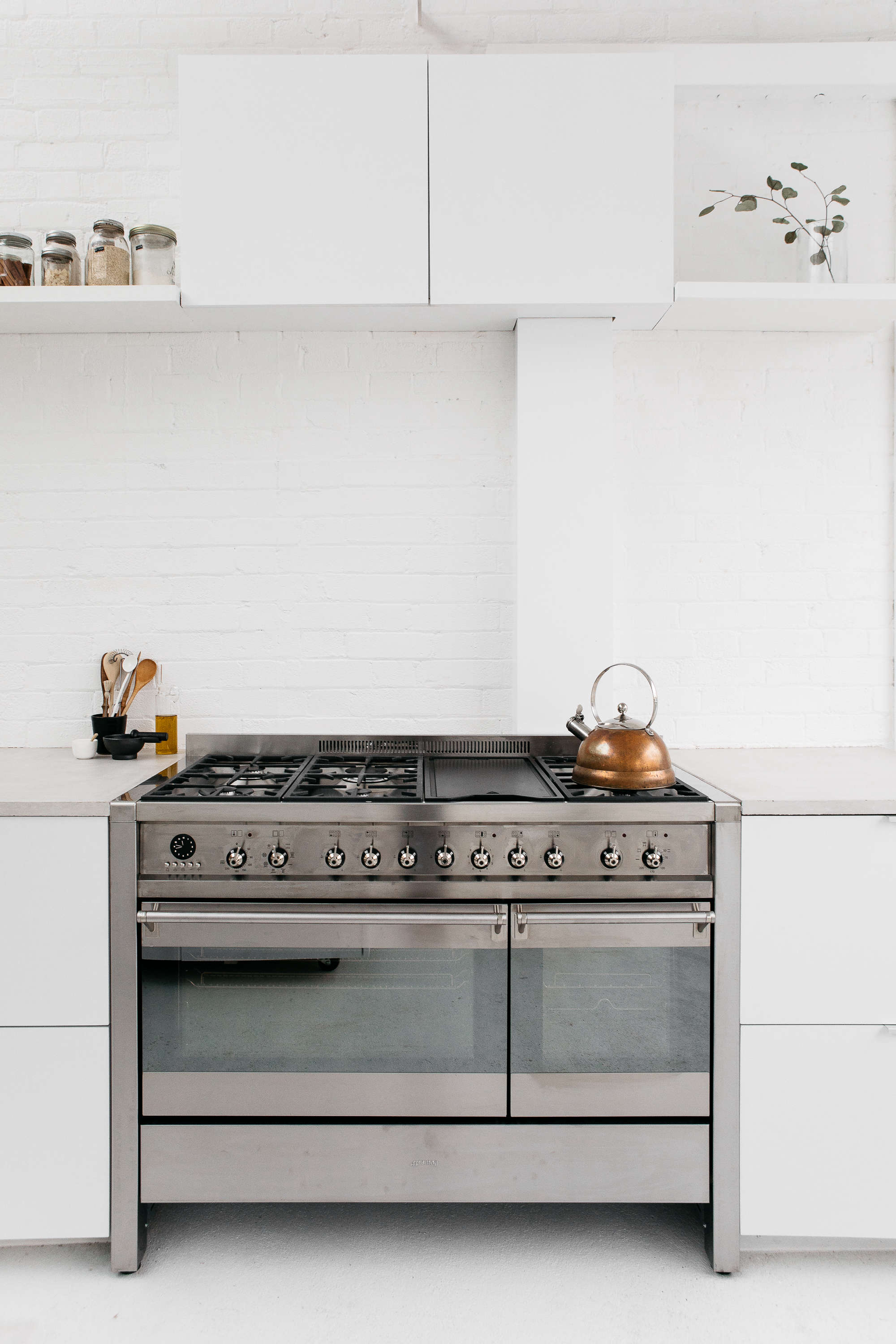
A classic aesthetic free-standing gas range is the kitchen equivalent of a tailored blazer: practical, timeless, and somehow capable of making everything around it look more intentional. It is not just a stove. It is the place where Sunday sauce simmers, pancakes become weekend diplomacy, and one brave sheet pan attempts to feed six people with the confidence of a banquet chef.
For homeowners who want the charm of a traditional kitchen without giving up modern cooking performance, the free-standing gas range remains one of the most flexible choices. It can fit between cabinets, stand at the end of a counter run, or anchor a compact kitchen where every inch has already submitted a formal complaint. Add a classic finish, sturdy knobs, continuous grates, and a proportion that feels balanced, and you get an appliance that looks at home in farmhouse, transitional, cottage, retro, and even quietly modern spaces.
This guide explores how to choose a classic aesthetic free-standing gas range, what features matter, how to balance beauty with safety, and why the right range can completely change the personality of a kitchen. Spoiler: it is rarely just about BTUs, although yes, BTUs do enjoy acting important at dinner parties.
What Is a Classic Aesthetic Free-Standing Gas Range?
A free-standing gas range combines a gas cooktop and an oven in one appliance. Unlike built-in cooktops or wall ovens, it is designed as a complete unit. Most free-standing ranges have finished sides, a rear control panel or backguard, and enough flexibility to be placed between cabinets or used in a more open position. That makes them especially useful for remodels, replacement projects, rental properties, older homes, and kitchens where custom cabinetry is not part of the immediate budget.
The “classic aesthetic” part refers to design choices that age gracefully. Think stainless steel, white enamel, black enamel, cream finishes, brushed metal hardware, substantial knobs, clean oven windows, cast-iron grates, and silhouettes that feel familiar rather than aggressively futuristic. A classic range does not scream for attention. It clears its throat politely, looks beautiful, and then boils pasta water like it has somewhere to be.
Why the Free-Standing Format Still Works
Kitchen design trends come and go, but the free-standing gas range keeps earning its place because it solves practical problems. It is usually easier to install than a separate cooktop and wall oven combination. It often costs less than premium built-in configurations. It also works with many existing kitchen layouts, especially the standard 30-inch range opening common in American homes.
Another advantage is replacement simplicity. If an old range finally gives up after decades of heroic casseroles, a new free-standing model can often slide into the same general footprint. Of course, measurements still matter. Depth, height, gas connection location, electrical outlet placement, and anti-tip bracket positioning all need to be checked. But compared with reworking cabinetry, countertops, and wall oven cutouts, replacing a free-standing range can be refreshingly straightforward.
The Design Appeal: Classic Without Looking Old
A classic gas range can support many kitchen styles. In a white shaker kitchen, a stainless steel free-standing gas range adds a crisp, professional note. In a cottage kitchen, a white or cream range with rounded details can feel warm and nostalgic. In a dramatic kitchen with dark cabinets, a black range with brushed metal hardware creates a handsome focal point. In a retro-inspired space, colorful enamel and chrome accents bring personality without requiring the homeowner to start collecting rotary phones.
Finishes That Never Feel Forced
Stainless steel remains popular because it works with almost every cabinet color and countertop material. It also pairs well with other appliances, even if the brands are not identical. Black stainless, matte black, white, ivory, and retro colors can be excellent choices when the range is meant to be a design feature rather than a background player.
For a classic aesthetic, hardware matters as much as the body finish. Brushed brass, bronze, stainless, chrome, and black knobs can shift the entire mood of the appliance. Brass leans warm and traditional. Stainless feels clean and versatile. Black hardware looks bold and architectural. Chrome brings vintage diner energy, which is delightful unless the rest of the kitchen is already wearing too much costume jewelry.
Proportions and Presence
Most household free-standing gas ranges are 30 inches wide, but compact 20- to 24-inch models are common for apartments and small kitchens. Larger 36-inch, 40-inch, and 48-inch models are available for serious cooks, large families, and kitchens designed around a statement range. Bigger is not always better. A 48-inch range in a tiny kitchen can feel like parking a yacht in a bathtub. The best choice is the one that fits your cooking habits, room scale, ventilation plan, and budget.
Gas Cooking: Why People Still Love It
Gas ranges are loved for responsive heat control. Turn the knob, and the flame changes immediately. That visible flame gives cooks an intuitive sense of heat level, which is useful for sautéing vegetables, simmering sauces, searing meat, charring peppers, warming tortillas, and pretending you are calmer than you are during Thanksgiving.
Many modern gas ranges include sealed burners, which help contain spills and simplify cleaning. Continuous cast-iron grates allow cookware to slide from one burner to another without lifting. This is especially helpful when handling heavy Dutch ovens, stockpots, or a skillet full of something that absolutely must not land on the floor.
Important Cooktop Features to Look For
A beautiful free-standing gas range should also cook well. The best classic-looking models combine traditional styling with modern burner layouts and practical performance features.
Burner Variety
Look for a mix of burner strengths. A high-output burner is useful for boiling water, stir-frying, and searing. A medium burner handles everyday cooking. A low simmer burner is essential for delicate sauces, melting chocolate, keeping soup warm, or preventing rice from becoming an emotional event.
Five-burner layouts are common on 30-inch gas ranges, often with an oval center burner for griddles or long cookware. Four-burner layouts can still be excellent, especially if the spacing is generous and the burner power is well balanced.
Continuous Grates
Continuous grates are one of the most useful upgrades on a gas range. They create a level surface across the cooktop, making it easier to move pots and pans. Cast iron is durable and gives the range a substantial, professional look that fits the classic aesthetic beautifully.
Griddle Options
Some free-standing gas ranges include a center griddle or optional griddle plate. This is handy for pancakes, grilled sandwiches, bacon, burgers, vegetables, and the occasional “breakfast for dinner” situation that saves everyone from making real decisions.
Oven Features That Matter More Than Fancy Labels
The oven is where a range proves whether it is just pretty or actually useful. Capacity, heat consistency, rack design, cleaning options, and convection performance all deserve attention.
Oven Capacity
Many standard 30-inch ranges offer oven capacities around 5 cubic feet, though exact sizes vary. A larger cavity helps with holiday cooking, multiple trays, and big roasting pans. Smaller ranges may have less capacity, but they can still be excellent for apartments, guest houses, and compact kitchens.
Convection Cooking
Convection ovens use a fan to circulate hot air. This can improve browning, support more even baking, and speed up certain cooking tasks. True convection systems add an extra heating element near the fan, while standard convection relies on fan-assisted circulation. Either can be useful, but serious bakers should pay attention to performance reviews and real-world consistency.
Self-Cleaning and Steam-Cleaning
Cleaning features vary widely. Traditional high-heat self-cleaning cycles burn off residue at very high temperatures. Steam-clean or easy-clean systems use moisture and lower heat to loosen light spills. Manual-clean ovens skip special cleaning cycles altogether. If you roast often, bake pies, or have children who believe cheese belongs everywhere, cleaning design is not a small detail.
Safety: The Part That Deserves More Attention
A classic aesthetic gas range may look charming, but it is still a combustion appliance. Safe installation and proper use matter. Always use a qualified installer, follow local codes, and confirm that the range is set up for the correct fuel type: natural gas or liquid propane. Conversion kits should be handled according to the manufacturer’s instructions.
Use the Anti-Tip Bracket
Every free-standing range should be secured with an anti-tip bracket. This small piece of hardware helps prevent the appliance from tipping forward if weight is placed on the open oven door. It is not decorative. It is not optional. It is the quiet little safety part that deserves more respect than it gets.
Ventilation Matters
Gas cooking can produce indoor pollutants such as nitrogen dioxide and carbon monoxide, especially when ventilation is poor. A properly sized range hood that vents outdoors is ideal. If that is not possible, use the best available ventilation, open windows when practical, and avoid using the range or oven as a heat source. A gas range is for cooking dinner, not impersonating a furnace.
Install Carbon Monoxide Alarms
Homes with gas appliances should have working carbon monoxide alarms. Follow placement guidance from the alarm manufacturer and local safety recommendations. Test alarms regularly and replace them according to their expiration dates. Carbon monoxide is odorless, which is exactly why relying on vibes is not a safety strategy.
How to Choose the Right Classic Gas Range for Your Kitchen
Start with measurements. Measure the width, height, and depth of the available space. Check cabinet clearances, countertop depth, backsplash height, and the walking path from the entry door to the kitchen. Many appliance headaches begin when the new range technically fits the kitchen opening but cannot make the turn past the hallway. The range is not being dramatic; geometry is.
Match the Range to Your Cooking Style
If you cook daily, prioritize burner layout, grate quality, oven reliability, and easy cleaning. If you bake often, pay attention to oven temperature consistency, convection performance, and rack positions. If you entertain, consider a larger oven, center griddle, high-output burners, and a finish that can survive fingerprints from guests who “just want to help.”
Think About Your Kitchen Style
For a farmhouse kitchen, white, cream, black, or stainless finishes work beautifully with wood shelves, stone counters, and apron-front sinks. For a transitional kitchen, stainless or matte finishes keep the room balanced. For a retro kitchen, rounded edges, chrome accents, and color can make the range feel like the star. For a luxury classic kitchen, look for strong knobs, heavy grates, clean lines, and customizable hardware.
Do Not Buy on Looks Alone
A range can be gorgeous and still annoying. Before buying, check how the oven racks glide, whether the knobs feel sturdy, how easy the grates are to lift, whether the oven window is useful, and how the control panel is arranged. A beautiful range with awkward controls is like a handsome chair that hurts your back. Admire it from a distance, then keep shopping.
Classic Aesthetic Ideas That Work in Real Kitchens
One of the best ways to make a free-standing gas range look intentional is to frame it well. A simple tile backsplash, a fitted range hood, and balanced cabinetry can turn even a modest range into a focal point. The secret is not always buying the most expensive model; it is making the range feel like it belongs.
White Range With Warm Brass Accents
A white gas range with brass or bronze hardware looks elegant in traditional and cottage kitchens. Pair it with marble-look counters, warm wood shelves, and soft lighting. The result feels timeless without becoming stiff.
Stainless Range With Subway Tile
This is a reliable classic for a reason. Stainless steel, white subway tile, shaker cabinets, and a simple vent hood create a clean kitchen that appeals to many buyers. It is especially smart for resale because it feels updated without being too personal.
Black Range as a Focal Point
A black free-standing gas range can add depth and contrast. It works well with white cabinets, natural wood, soapstone-style counters, or brass lighting. The look is classic, grounded, and slightly dramatic, like the kitchen owns a good coat.
Retro Color for Personality
Soft blue, mint, red, cream, and other vintage-inspired finishes can make a free-standing gas range the happiest object in the room. This approach works best when the rest of the kitchen is edited. Let the range be the star, and avoid making every appliance shout at once.
Maintenance Tips for Long-Term Beauty
Classic style depends on care. Wipe spills quickly, especially acidic foods like tomato sauce. Clean burner caps and grates according to the manual. Avoid abrasive scrubbers on enamel or stainless finishes. Use stainless cleaner when appropriate, and always rub with the grain. For knobs and handles, gentle cleaning is usually better than aggressive scrubbing.
Check burner flames periodically. A steady blue flame usually indicates proper combustion, while yellow or irregular flames may signal that cleaning or service is needed. If you smell gas, turn off the appliance, ventilate the area if it is safe to do so, leave the home, and contact the gas utility or emergency services according to local guidance.
Budget: What Are You Really Paying For?
Free-standing gas ranges span a wide price range. Entry-level models focus on basic cooking. Midrange models often add five burners, convection, self-cleaning, edge-to-edge grates, and better finishes. Premium models may include heavier construction, commercial-style burners, larger capacities, customizable hardware, specialty colors, smart features, and more refined design details.
For many households, the best value sits in the middle: a reliable 30-inch free-standing gas range with sealed burners, continuous cast-iron grates, a useful oven capacity, convection if you bake or roast often, and a finish that complements the kitchen. Spend where performance and daily usability improve. Skip features you will never use. A smart oven is fun, but if you only use one button and whisper encouragement to frozen pizza, be honest with yourself.
Experience Section: Living With a Classic Aesthetic Free-Standing Gas Range
The best way to understand a classic aesthetic free-standing gas range is to imagine using it through an ordinary week. On Monday, it handles the unglamorous work: reheating soup, boiling pasta, and keeping a skillet of vegetables moving while someone asks where the clean forks went. A good gas range makes this feel easy because the flame responds instantly. You turn the knob down, and the sauce stops threatening to redecorate the backsplash.
By Wednesday, the cooktop layout starts to matter. A center burner with a griddle can turn a basic dinner into grilled cheese night with very little effort. Continuous grates become surprisingly lovable because you can slide a heavy pan aside instead of lifting it over open air like a contestant on a cookware obstacle course. Small conveniences like this are what separate a nice-looking appliance from one you actually enjoy using.
On a weekend morning, the classic aesthetic earns its keep visually. Sunlight hits the knobs, the oven door looks polished, and the range quietly anchors the kitchen. Even before breakfast starts, the room feels more finished. That is the magic of a well-chosen range: it works as both a tool and a design feature. It gives the kitchen a center of gravity.
There is also a rhythm to cooking with gas that many people love. The sound of ignition, the visible flame, the quick change from high heat to low simmer, and the immediate feedback make cooking feel hands-on. For people who learned to cook on gas, switching back to it can feel like finding an old favorite pan. Everything is familiar, but the modern version is cleaner, safer, and more controlled.
Cleaning is where reality enters the room carrying a sponge. A classic range looks best when it is maintained regularly. The trick is to clean lightly and often. Wipe the cooktop after dinner. Lift the grates when spills happen. Do not let sugar, grease, or tomato sauce become permanent residents. If the range has stainless steel, use the right cleaner and avoid circular scrubbing. If it has enamel, treat it gently. The goal is not to make the appliance museum-perfect; the goal is to let it age gracefully.
Another real-life lesson is that ventilation changes the cooking experience. A strong, properly used range hood keeps steam, odors, and combustion byproducts from lingering. It also protects cabinets and walls from grease buildup. Turning on the hood before serious cooking begins is a small habit with a big payoff. The fan may not be glamorous, but neither is discovering a fine mist of bacon grease on upper cabinets.
Storage and workflow matter too. Keep frequently used pots near the range. Store oils, utensils, and seasonings within easy reach but away from heat. Use the oven drawer only for items the manufacturer allows; some drawers are for storage, while others are warming drawers or broiler compartments. Assuming all bottom drawers are the same is how kitchen chaos begins wearing oven mitts.
After living with a classic free-standing gas range, many homeowners appreciate its balance. It does not require the custom planning of a built-in cooking wall. It does not demand a trendy kitchen to look good. It can be modest or luxurious, retro or refined, simple or statement-making. Most importantly, it supports real life: quick breakfasts, late dinners, holiday roasting, experimental baking, and the occasional midnight quesadilla that nobody needs to explain.
A classic aesthetic free-standing gas range is not just about nostalgia. It is about choosing an appliance that feels familiar, performs reliably, and makes the kitchen more inviting. When selected carefully, installed safely, and maintained well, it can serve as the heart of the kitchen for years. And unlike many design trends, it does not need to shout. It just stands there, handsome and useful, ready for the next pot of coffee, pan of biscuits, or heroic attempt at homemade lasagna.
Conclusion
A classic aesthetic free-standing gas range is a smart choice for homeowners who want practical cooking power wrapped in timeless style. It offers flexible installation, responsive heat, familiar controls, and the visual charm that makes a kitchen feel complete. The best model is not simply the prettiest one or the one with the longest feature list. It is the range that fits your space, supports your cooking habits, works with proper ventilation, and looks like it was always meant to be there.
Choose carefully, measure twice, install safely, and give the range the maintenance it deserves. Do that, and your free-standing gas range will reward you with steady performance, classic good looks, and enough memorable meals to make the kitchen the most popular room in the house.
Note: This article is written for general educational and editorial purposes. Always follow the manufacturer’s manual, local building codes, and professional installation guidance when buying or using a gas range.