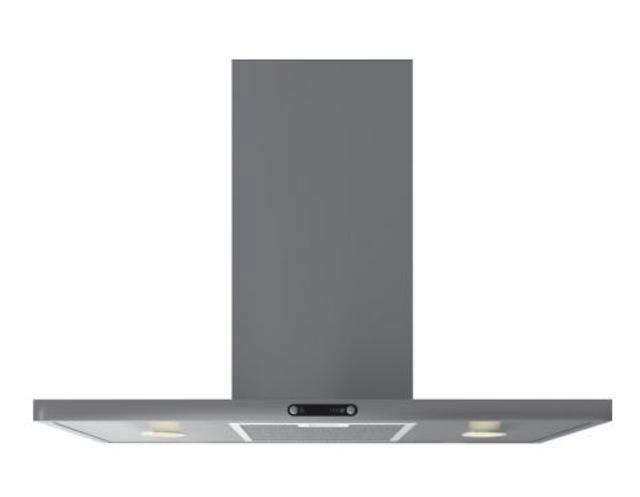
The kitchen island is where dinner gets made, gossip gets exchanged, and somebody inevitably says, “Wait… is that smoke or flavor?” Enter the Nutid Free-Hanging Extractor HoodIKEA’s stainless-steel, ceiling-suspended statement piece that tries to keep your kitchen from smelling like last night’s salmon encore.
If you’re researching Nutid today, chances are you’re either (1) renovating and love that clean Scandinavian look, (2) inheriting one with a house purchase, or (3) hunting a discontinued classic like it’s a rare vinyl record. Whatever brought you here, this guide breaks down what the Nutid free-hanging hood is, how it performs, how to install it sanely, and what to expect in real-life cookingwithout turning your kitchen into a wind tunnel.
What “Free-Hanging” Really Means (and Why It Matters)
A free-hanging (aka island or ceiling-mounted) extractor hood is suspended from the ceiling over a cooktop that’s not against a wall. That changes everything. Wall hoods get help from surrounding cabinetry and walls that guide smoke upward. Island hoods? They’re out in the open, where air currents from people walking by, HVAC vents, and your dog doing laps can push steam and grease sideways.
Translation: island hoods often need smarter placement and sometimes more airflow to capture the same mess. The upside is aestheticsnothing says “I cook here” like a sculptural stainless hood hovering over the island like a calm, judgemental cloud.
Nutid in a Nutshell: Design, Controls, and Everyday Features
The Nutid Free-Hanging Extractor Hood (commonly referenced as IKEA’s NUTID HF560 in older documentation) is built for the island setup: stainless steel body, overhead mounting hardware, and a front control panel that’s reachable without climbing onto your countertop like a raccoon.
Key features people actually notice
- Convertible ventilation: can run ducted to the outdoors or in recirculating (ductless) mode with charcoal filtration.
- Dishwasher-friendly grease filter: because scrubbing sticky metal mesh by hand is how villains are made.
- Cooktop lighting: halogen lighting aimed at the cooking surface for visibility (and late-night snack drama).
- Multi-speed fan control: multiple fan speeds plus a higher “boost” style setting on some variants.
Performance: Airflow, Noise, and the Reality of “Island Life”
Range hood performance is usually discussed in three buckets: airflow (how much air it moves), capture (how well it grabs smoke/steam), and sound (how much it roars while doing it). Airflow is the number you’ll see in product listings: CFM (cubic feet per minute) in the U.S.
Nutid airflow: what it means in practical terms
Some published Nutid HF560 specs list airflow in metric units (m³/h). Converting those figures puts the maximum ducted airflow in the neighborhood of the low-to-mid 300 CFM range, with lower effective airflow in recirculating mode.
That’s often perfectly fine for: sautéing, simmering, boiling pasta, weekday stir-fries, and the occasional “oops, I browned the butter a little too hard.” But if you regularly sear steaks, wok-cook on high heat, or run a high-output gas cooktop like it’s a commercial line, you may want either a higher-CFM hood or a setup optimized for better capture (more on that below).
Noise: the part your ears care about
Noise is frequently rated in sones or sometimes decibels. In plain English: more airflow usually means more noise, and bad ducting makes it worse. A hood can be “powerful” on paper and still sound like a leaf blower if the duct run is too long, has too many elbows, or is undersized.
The best mental model: the hood is only as quiet as your ductwork is kind.
Choosing Ducted vs. Ductless for the Nutid Hood
Nutid is typically configured either as: ducted (vented) to the outside, or ductless (recirculating) with charcoal filters.
Ducted: best for smoke, grease, and indoor air
If you can vent outdoors, it’s usually the strongest option for actually removing pollutants, heat, moisture, and odors. You’re not just filteringyou’re evacuating. For many homes, this is the difference between “fresh kitchen” and “the curtains smell like stir-fry forever.”
Ductless (recirculating): best for constraints, not miracles
Recirculating mode filters grease and odors through charcoal and sends air back into the room. It can be a lifesaver in condos, apartments, and remodels where ducting to the exterior is complicated or prohibited. Just keep expectations realistic: it’s primarily odor control, not full removal of moisture and combustion byproducts.
Installation: Height, Placement, and Ductwork That Doesn’t Sabotage You
A ceiling-mounted island hood looks deceptively simple. Then you start asking questions like, “Where does the duct go?” and “Why is my ceiling suddenly an engineering project?” Here are the big installation considerations for a Nutid island range hood.
1) Mounting height: capture vs. head-bonks
Many guides recommend positioning the hood roughly 30–36 inches above the cooktop for effective capture while still keeping it usable and comfortable. Too high and smoke drifts away; too low and you’ll be seasoning the hood with your forehead. Always follow the manufacturer’s clearance requirements, especially over gas.
2) Center it like you mean it
Island hoods are less forgiving than wall hoods. If the hood isn’t well-centered over the cooking surface, steam will escape on the side that’s “closest to freedom.” When possible, align the hood so it covers the full width of the cooktop, and consider going wider if you do heavy cooking. Capture area matters as much as airflow.
3) Duct runs: keep them short, smooth, and sensible
For ducted installations, performance depends heavily on duct design:
- Shorter is better (less resistance, better airflow, less noise).
- Fewer elbows is better (each turn is basically a toll booth for air).
- Use the right duct size recommended by the manufacturer (undersized duct = louder + weaker).
- Seal connections to prevent leaks that dump greasy air into the ceiling cavity (a surprisingly common “bonus feature”).
4) Makeup air: the code-y conversation you shouldn’t skip
In many U.S. jurisdictions, high-powered kitchen exhaust (commonly above 400 CFM) can trigger a requirement for makeup aira system that brings in replacement air so your home doesn’t end up under negative pressure. This varies by local code adoption and enforcement, so it’s worth a quick check with your HVAC pro or building department.
Even if your Nutid setup is below that threshold, the concept still matters: tight homes can backdraft combustion appliances and reduce hood performance if there’s nowhere for replacement air to come from.
How to Get Better Results from the Nutid Hood
If you want the Nutid free-hanging extractor hood to feel “stronger” without replacing it, focus on usage and capture efficiency:
Turn it on earlier, leave it on longer
Start the hood a few minutes before cooking so it establishes airflow, and let it run after you finishespecially after high-heat cooking. This helps clear lingering particles and odors that keep floating even after the pan is off the burner.
Use the front burners strategically
If your hood is a bit shallower than your cooktop, the back burners can “escape” more easily. When you’re frying or searing, use the burners that sit most directly under the hood’s capture zone.
Keep filters clean (seriously)
A grease filter loaded with sticky buildup is like trying to breathe through a scarf you dropped in a deep fryer. Clean the metal grease filter regularlymany are dishwasher-safeand replace charcoal filters on schedule if using recirculating mode.
Maintenance and Care: Stainless Steel Without the Smudge Museum
Grease filter
Wash the metal grease filter regularly. If you use the dishwasher, expect some dulling over timeperformance usually matters more than a mirror finish.
Charcoal filter (ductless mode)
Charcoal filters don’t last forever. If odors seem to “bounce back” quickly, or the hood feels like it’s just politely waving smoke around, it’s time for a replacement.
Lighting
Replace bulbs with the correct type and wattage rating recommended for your unit. If you’re tempted to “upgrade” to something hotter or brighter, remember you’re installing it inside a metal box that lives above heat and grease. Be boring. Be safe.
Who the Nutid Free-Hanging Extractor Hood Is Best For
- Design-first kitchens that want a clean island focal point without a bulky commercial look.
- Everyday cooking households doing mostly sautéing, simmering, and moderate smoke.
- Remodelers who can run ducting cleanly (or who accept ductless limitations).
- IKEA ecosystem fans who appreciate standard filters, parts, and the general IKEA logic of “some assembly required, patience included.”
When You Should Consider Alternatives
You might want to look beyond Nutid if:
- You do heavy, high-heat cooking (frequent frying, wok cooking, intense searing).
- Your kitchen is very open and drafty, making capture harder for an island hood.
- You need ultra-quiet operation at high airflow (look for models with strong noise ratings and better blower/duct designs).
- You can’t vent outdoors and you’re sensitive to lingering moisture and heat (ductless won’t remove those as effectively).
Buying Tips If You’re Shopping Nutid Today (New, Used, or “Mystery Box”)
Because Nutid models may be older or harder to find through mainstream retail, many buyers encounter them via resale or leftover inventory. Before you commit:
- Confirm the exact model number and ensure the mounting hardware is included.
- Check filter availability (grease + charcoal) and bulb compatibility.
- Inspect for grease infiltration inside seams and around the blower areaheavy buildup can be a maintenance headache.
- Plan ducting first, then pick the hood configuration (ducted/ductless), not the other way around.
Conclusion: The Nutid Hood, Explained Like a Human
The Nutid Free-Hanging Extractor Hood is a stylish island range hood that aims to balance modern design with practical ventilation. In ducted mode, it’s generally the best version of itselfmoving cooking fumes outdoors and helping keep indoor air fresher. In ductless mode, it can still be useful for odor control, but it won’t match the “get it out of my house” effectiveness of true venting.
If your cooking style is moderate and your kitchen layout supports good capture (proper height, centered placement, sensible ducting), Nutid can do the job while looking like it belongs in a magazine spread. If your week includes “smoke point” as a regular vocabulary word, you may want more poweror at least a duct plan that doesn’t strangle performance.
Real-World Experiences with the Nutid Free-Hanging Extractor Hood (About )
Living with a free-hanging hood is a little like living with a ceiling fan that has opinions. The first week feels fancyyour kitchen island suddenly looks like a real cooking station instead of an oversized cutting board parking lot. Then reality arrives wearing an apron and carrying a pan of bacon.
One of the biggest “aha” moments for many homeowners is how much capture depends on timing. If you wait until the smoke alarm is already clearing its throat, the hood has to play catch-up. But if you turn the Nutid on before the pan heats up, it creates a steady upward pull that grabs steam early. The difference is dramatic: fewer odors drifting to the sofa, less greasy film on nearby pendants, and fewer arguments about whether “it’ll air out.”
Another real-life detail: island kitchens have cross-breezes. Someone walks past, the HVAC kicks on, the back door opens, and your cooking plume does a little sideways salsa. That’s when you appreciate being able to bump the fan speed up temporarily. If your model includes a higher “boost” setting, it’s useful for short burstslike when you flip burgers or deglaze with wine and your kitchen suddenly smells like a French bistro that’s on fire (in a good way).
Noise is personal. Some people treat hood noise as a comforting “I am cooking” soundtrack. Others want conversation-level quiet. In the real world, the Nutid’s perceived loudness depends heavily on ducting. A short, properly sized duct that vents cleanly outdoors tends to sound more like a firm whoosh. A long run with multiple sharp elbows can turn into a higher-pitched roar that makes you say “WHAT?” like you’re at a sports bar. If you inherit a Nutid and it’s louder than expected, the hood might not be the villainyour duct path might be.
Maintenance is where Nutid can feel pleasantly civilized. The grease filter being removable (and often dishwasher-friendly) means you can keep performance consistent without turning weekend cleaning into a punishment ritual. The trick is frequency: light cooks can get away with monthly cleanings, but if you fry or sauté daily, waiting too long makes the filter smell like it’s storing memories. Charcoal filters (if recirculating) are the other big experience factorfresh charcoal can noticeably reduce odors, but a tired filter will let smells linger like an uninvited guest.
Finally, there’s the “design tax” you pay with any ceiling-mounted hood: planning. You notice ceiling height, joists, electrical access, and where ducting can hide. The payoff, though, is real. When the Nutid is mounted at the right height and centered over the cooktop, it makes island cooking feel cleaner and more comfortable. You still get the theater of cooking in the center of the homejust with fewer airborne souvenirs.