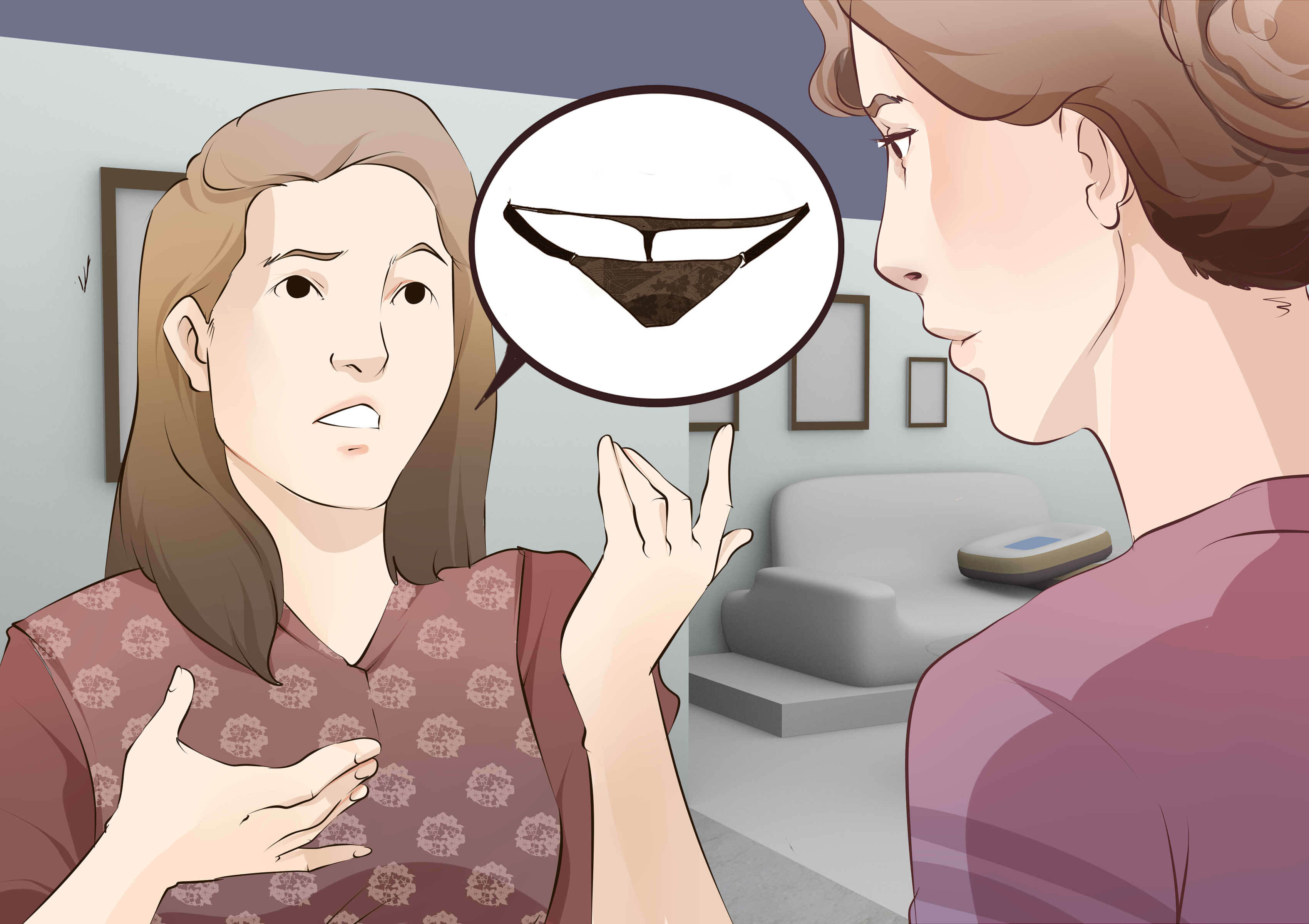
Wanting to buy something without asking your parents first is a fairly normal part of growing up. Maybe you have saved money from a summer job, collected birthday cash for months, or developed an urgent emotional need for a pair of headphones that apparently possesses “studio-quality bass.” Independence often begins with small decisionsincluding decisions about money.
However, there is an important distinction between making an independent purchase and secretly using someone else’s money. Using a parent’s credit card, bank account, payment-app login, identity, or saved shopping information without authorization is not financial independence. It is an unauthorized transaction and may create legal, financial, and family consequences.
This guide explains three lawful ways to buy ordinary, unrestricted products without requesting approval for every individual purchase. It does not cover alcohol, tobacco, weapons, controlled substances, adult products, or anything else subject to age restrictions. It also does not recommend lying about your age, creating a false identity, defeating parental controls, or arranging deliveries designed to deceive the people responsible for your safety.
Rules affecting minors vary by state. Contract law generally considers whether a person has the legal capacity to enter a binding agreement, and minors may be unable to make certain contracts without an adult. A merchant can also refuse a transaction based on its policies, even when the product itself is legal for a young person to own.
Before You Buy: Understand What “Without Permission” Means
There are two very different versions of buying something without your parents’ permission:
- Independent spending: You use money that belongs to you, follow the law, comply with store rules, and accept responsibility for the purchase.
- Unauthorized spending: You use another person’s money, account, identity, card, or personal information without consent.
This article is about the first version. The goal is not to become a teenage financial ninja who disappears into the ventilation system whenever a receipt appears. The goal is to make responsible choices with resources you legitimately control.
Before spending, ask yourself four questions: Do I own the money? Am I legally allowed to buy the item? Does the payment method belong to me or authorize me to use it? Can I afford the complete cost, including tax, shipping, fees, and possible returns?
If any answer is no, the purchase is probably not independentit is simply a problem wearing a shopping bag.
Way 1: Pay With Money You Personally Own
Use Cash for an Ordinary In-Store Purchase
Cash is often the simplest option for buying a low-cost, unrestricted item. It does not require an online account, billing address, credit check, or stored payment method. When a store is willing to sell the product to you, you can pay, collect the receipt, and leave with the item.
Your money might come from an allowance, birthday gift, part-time job, yard work, tutoring, babysitting, selling something you legally own, or saving change that has been reproducing inside a jar since elementary school. The essential point is that the money must genuinely belong to you.
Cash works particularly well for ordinary purchases such as:
- Books and school supplies
- Clothing and accessories
- Food and nonalcoholic drinks
- Art materials
- Low-cost electronics
- Sports equipment
- Gifts for friends or relatives
Even with cash, check the store’s return policy before paying. Return and exchange rules differ among retailers, and some businesses allow only a limited return window. Clearance items may be final sale, while electronics may require the original packaging, receipt, and identification.
Create a Complete Purchase Budget
A common beginner mistake is saving exactly the advertised price. A $49.99 item does not necessarily cost $49.99 after sales tax. An online order can also include shipping, service fees, delivery charges, or optional warranties that mysteriously join the cart like uninvited party guests.
Use this simple calculation:
Total purchase cost = item price + tax + shipping + required fees + maintenance costs
Suppose you want a $60 pair of wireless headphones. Tax could raise the checkout total, and replacement ear cushions, a charging cable, or a protective case may add future costs. Saving $75 instead of exactly $60 creates breathing room and reduces the chance that one purchase empties your entire wallet.
Do Not Borrow Cash Without Clear Agreement
Taking money from a parent’s wallet and planning to replace it later is still taking money without permission. The same applies to borrowing a sibling’s cash, using household emergency money, or spending funds that were given to you for a specific purpose, such as lunch, transportation, or school fees.
Financial responsibility starts with respecting ownership. A purchase becomes much less exciting when it is followed by a family investigation that resembles a low-budget detective series.
Way 2: Use a Legitimately Owned Gift Card or Prepaid Card
Choose the Correct Type of Card
A store gift card can be a practical way to buy something without using a parent’s bank card. Store-specific cards work only with the named retailer, while network-branded prepaid cards may be accepted wherever the corresponding payment network is supported.
Gift cards and prepaid cards are not identical. A conventional gift card normally holds a fixed value and is intended for purchases. A reloadable prepaid account may operate more like a debit account, with registration requirements, identity verification, transaction histories, and multiple fees.
The Consumer Financial Protection Bureau advises buyers to compare prepaid-card features and fees. Depending on the product, fees may apply for activation, monthly maintenance, individual transactions, ATM withdrawals, cash reloads, balance inquiries, inactivity, or replacement cards.
Read the packaging before paying. A $50 prepaid card with a $5.95 purchase fee costs $55.95 but still provides only $50 in spending power. That fee may be reasonable for your situation, but it should not arrive as a surprise at the register.
Expect Possible Registration and Identity Checks
Some prepaid products can be used immediately for limited purchases, while others must be activated or registered. Most reloadable prepaid accounts require the issuer to verify the customer’s identity. Registration may require a legal name, date of birth, address, Social Security number, taxpayer identification number, or another accepted identification number.
Age requirements also vary by issuer. A card hanging in a supermarket display is not automatically available to every buyer for every purpose. Read the cardholder agreement and do not enter a false birth date or use another person’s identity.
Registration can provide important protections. The CFPB warns that an unregistered prepaid card may offer fewer protections if it is lost, stolen, misused, or charged incorrectly.
Understand Why Online Payments Get Declined
A prepaid card may work at a physical checkout but fail online. Common reasons include an insufficient balance, an unregistered card, a billing-address mismatch, a temporary authorization hold, a merchant restriction, or the inability to divide a transaction between two payment methods.
Hotels, rental companies, gas stations, and subscription services may place temporary holds that exceed the advertised price. Free trials can also convert into recurring charges. Before entering prepaid-card information, check whether the service renews automatically and whether the card balance can cover both the purchase and any authorization hold.
Protect Yourself From Gift-Card Scams
Inspect a physical gift card for damaged packaging, exposed PIN areas, altered stickers, or evidence of tampering. Keep the receipt until the balance has been used successfully. The Federal Trade Commission has warned that criminals sometimes copy card numbers from store displays and wait for customers to load money onto the compromised cards.
Never send a gift-card number or PIN to someone who claims it is required to pay a fine, utility bill, government agency, tech-support charge, romantic emergency, or prize fee. The FTC emphasizes that legitimate businesses and government agencies do not demand gift cards as payment.
For online shopping, verify the seller, read independent reviews, examine the return policy, and calculate the complete delivered price. Avoid sellers that insist on gift cards, wire transfers, cryptocurrency, or payment apps without buyer protection.
Way 3: Build a Legitimate Independent Spending System
Earn Income and Separate It From Household Money
The most sustainable way to make independent purchases is to develop your own income and a clear system for managing it. Depending on your age and local employment rules, income might come from a part-time job, seasonal work, tutoring, pet care, lawn care, creative commissions, or another lawful activity.
Once you are earning, divide your money into categories. A basic plan might send 50% toward savings, 30% toward planned purchases, 10% toward gifts or entertainment, and 10% toward unexpected expenses. The percentages are flexible; the habit is what matters.
For example, earning $120 over several weekends does not mean you suddenly possess $120 in “buy random objects at 1:00 a.m.” money. You might save $60, reserve $36 for a planned purchase, keep $12 for entertainment, and leave $12 untouched for emergencies.
Explore Youth Banking Options
A bank or credit-union account can help track earnings, protect cash, and create a record of spending. However, requirements for minors differ by state and financial institution. Some states permit certain minors to open accounts, while many youth checking or savings products require a parent, guardian, custodian, or other responsible adult to participate.
The FDIC notes that youth accounts can help young people practice budgeting, saving, reviewing transactions, and understanding the difference between current and available balances.
A joint or supervised youth account initially requires adult cooperation, but it can still create meaningful independence. The adult might approve the account once, establish a monthly limit, and allow ordinary spending without requiring a new conversation every time you buy a notebook or movie ticket.
This arrangement is better described as standing permission. You are not bypassing your parents; you are negotiating a defined area in which you can make your own choices.
Propose a Personal Spending Agreement
If your parents monitor every purchase, ask for a simple spending agreement rather than arguing over one item at a time. Your proposal could include:
- A monthly amount you may spend independently
- A price threshold that requires discussion
- Categories that are always off-limits
- A rule against subscriptions without approval
- A commitment to save part of every payment or allowance
- A monthly review instead of constant transaction-by-transaction approval
Presenting a budget is usually more persuasive than announcing, “I am basically an adult now,” while standing next to three empty snack bags and a forgotten homework assignment.
You might say: “I would like to manage $40 of my own money each month without asking about every normal purchase. I will not use it for restricted products, subscriptions, in-app purchases, or anything over $25 without discussing it first. I will also save 30% of what I earn.”
That conversation turns independence into a measurable responsibility instead of a vague demand.
Purchases You Should Never Try to Hide or Bypass
No payment method overrides the law. Cash, gift cards, prepaid cards, online marketplaces, and payment apps do not make an age-restricted transaction legal.
In the United States, the minimum legal drinking age is 21, and states prohibit underage purchasing or possession in accordance with their laws. Federal firearm rules also impose minimum ages that vary by firearm type and seller, with additional state restrictions potentially applying.
You should not attempt to conceal purchases involving:
- Alcohol, nicotine, tobacco, or vaping products
- Weapons, ammunition, or dangerous devices
- Controlled substances or medications requiring identification
- Gambling services
- Contracts, loans, financing plans, or buy-now-pay-later debt
- Travel, hotel reservations, or vehicle rentals
- Animals requiring long-term care
- Expensive subscriptions or recurring commitments
- Anything that could endanger you or another person
It is also unsafe to meet an unknown seller alone, provide a stranger with your home address, share identification documents through direct messages, or send money before confirming that a marketplace offers buyer protection.
A Responsible Purchase Checklist
Before buying something independently, run through this checklist:
- Ownership: The money and payment method are legitimately mine to use.
- Legality: The item is not restricted for someone my age.
- Affordability: I can pay the complete cost without using money reserved for necessities.
- Seller credibility: The store or online seller appears legitimate.
- Return policy: I understand whether and how the item can be returned.
- Privacy: I am not sharing unnecessary personal information.
- Recurring charges: The purchase will not create an unwanted subscription.
- Consequences: I would be willing to explain the purchase honestly if asked.
The final question is surprisingly useful. If your plan depends on deleting messages, hiding statements, lying about your age, intercepting packages, or blaming the transaction on a mysterious hacker, it is probably not a responsible independent purchase.
Experiences and Lessons Related to Independent Buying
The following examples are realistic composites designed to illustrate common experiences rather than stories about specific identifiable individuals.
Experience 1: The Headphones That Cost More Than Expected
A 16-year-old saved $80 from tutoring and wanted wireless headphones advertised for $69.99. Because the money came from work, the teenager assumed the purchase was completely covered. At checkout, sales tax raised the total, and the store employee offered a protection plan. The final proposed price was nearly $90.
Instead of borrowing money or using a parent’s card, the teenager declined the protection plan and waited one more week. After earning another $20, the headphones were purchased with cash. The receipt and packaging were kept until the buyer confirmed that the headphones worked properly.
The main lesson was not merely “save more money.” It was to budget for the complete transaction. Waiting seven days was mildly annoying, but far less annoying than creating an unauthorized charge and spending the next month grounded beside excellent new headphones.
Experience 2: The Prepaid Card With a Personality Problem
Another teenager bought a network-branded prepaid card to order art supplies online. The card had enough money, yet the payment was declined three times. The teenager briefly concluded that modern banking had declared war on creativity.
The actual problem was registration. The online seller required a billing address that matched the card’s records, but the card had not been registered. After reviewing the instructions and completing the legitimate registration process, the buyer discovered another issue: the card balance covered the products but not the combined tax and shipping charge.
The order was adjusted by removing one optional item. This experience demonstrated why prepaid cards are not identical to cash. Buyers need to consider activation, registration, identity requirements, merchant restrictions, temporary holds, and the complete checkout total.
Experience 3: The “Cheap” Marketplace Deal
A student found a used gaming accessory offered at half the normal price through a social-media seller. The seller demanded payment through a gift card and insisted that the card number be sent before shipping. The profile was new, the photos appeared in other listings, and the seller claimed the bargain would disappear within ten minutes.
The student almost paid because urgency can make an ordinary plastic controller feel like the final helicopter leaving an action movie. After searching the product photos, the student discovered that they had been copied from an established retailer.
The purchase was abandoned. A similar item was later bought through a marketplace with seller ratings, tracked shipping, and a dispute process. It cost slightly more, but the buyer received an actual product instead of an expensive lesson delivered by a scammer.
Experience 4: Independence Through an Agreement
A 15-year-old regularly argued with a parent about small purchases. The parent was concerned about impulsive spending, while the teenager felt embarrassed about asking permission to buy every snack, book, or school accessory.
They created a three-month experiment. The teenager received control of a fixed monthly spending amount and agreed not to purchase subscriptions, age-restricted items, or anything costing more than $30 without a discussion. Purchases were not individually approved, but the teenager tracked them in a simple spreadsheet.
During the first month, most of the money disappeared within ten days. There was no rescue payment. During the second month, the teenager began comparing prices and waiting 24 hours before making nonessential purchases. By the third month, some money remained at the end of the cycle.
This arrangement did not offer complete financial freedom, but it produced something more valuable: evidence that the teenager could manage limited independence. Trust expanded because responsibility became visible.
Experience 5: The Purchase That Was Better Discussed
One teenager saved enough to buy a small pet without asking anyone at home. Technically, the purchase price was affordable. The food, veterinary care, enclosure, cleaning, transportation, allergies, landlord rules, and years of responsibility were not.
The teenager eventually discussed the idea with the family before buying. The answer was not an immediate yes, but the conversation revealed practical problems that had not been considered. After several months of research, the family chose a different pet and divided the responsibilities clearly.
The lesson was that ownership of the purchase money does not always create sole authority over the consequences. Some decisions affect an entire household. Independence includes recognizing when a purchase is too complicated to make alone.
Conclusion
There are lawful ways to buy something without requesting your parents’ permission for each transaction. You can pay cash with money you own, use a legitimate gift card or prepaid card that you are eligible to use, or establish an independent spending system supported by earnings, budgeting, and clearly defined account rules.
None of these methods justifies using someone else’s card, lying about your identity, defeating age restrictions, concealing dangerous products, or creating debt you cannot legally or practically manage.
The strongest form of independence is not secrecy. It is the ability to earn money, understand the total cost, evaluate sellers, avoid scams, protect personal information, and accept the outcome of your decision. When you can do those things consistently, you are not merely finding ways to shop without permissionyou are learning how to manage money like a responsible adult.
Note: This article synthesizes information from 15 U.S. legal, banking, consumer-protection, and public-agency resources. It provides general educational information, not legal or financial advice. State laws, merchant rules, account agreements, and age requirements may differ.