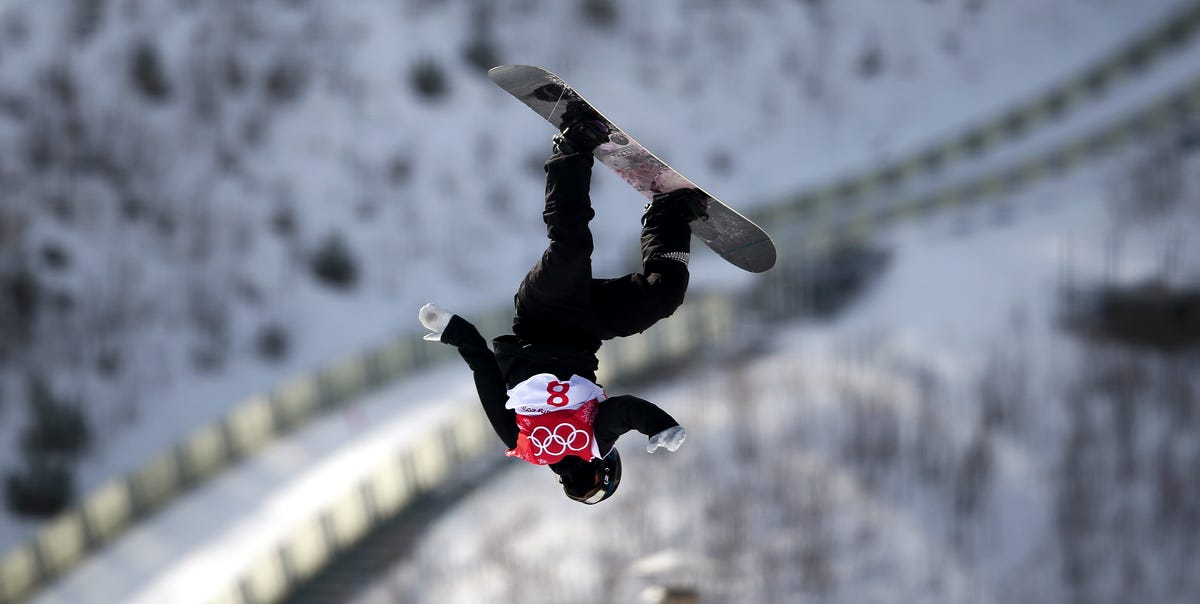
Note: Olympic competition is not merely a collection of races, routines, lifts, dives, and dramatic slow-motion replays. It is also a maze of eligibility clauses, uniform restrictions, commercial rules, anti-doping requirements, and behavior standards. Some rules apply to every Olympian, while others apply only to athletes in particular sports, National Olympic Committees, testing pools, or Olympic editions.
Winning an Olympic medal may look like the glamorous part. The less glamorous part is remembering that a logo can be too large, a sponsor post can be too specific, a missed testing appointment can become a serious problem, and even a harmless-looking supplement can turn into a full-blown administrative nightmare. Welcome to the Olympic rulebook, where the fine print sometimes has better endurance than the athletes.
Olympic Rules Are More Than Just Sport Rules
Every Olympic sport has its own technical regulations, from equipment limits to weigh-ins, uniforms, qualification standards, and competition procedures. On top of that, Olympians must follow broader Olympic Charter rules, their National Olympic Committee policies, anti-doping requirements, accreditation conditions, and integrity rules designed to keep competition fair.
That means an athlete can be perfectly prepared to sprint, swim, ski, box, or tumbleand still get tripped up by something that happens nowhere near the field of play. Here are 43 obscure Olympic rules that help explain why elite athletes need coaches, doctors, nutritionists, legal advisers, media staff, and probably a few people whose only job is reading PDFs.
Eligibility, Nationality, and Accreditation Rules
- Olympians must be entered by a National Olympic Committee. Athletes do not simply buy a ticket, show up with a duffel bag, and announce that they are ready for the 400-meter final.
- They must satisfy their sport’s international federation rules. Olympic qualification standards are not universal. Each sport has its own ranking systems, trials, quotas, selection rules, and technical requirements.
- An athlete generally competes for a recognized National Olympic Committee. Olympic representation is tied to nationality and national-team eligibility, not just personal preference or a favorite passport photo.
- Dual nationals may have to choose carefully. An athlete who holds citizenship in more than one country can often choose which country to represent, but that choice can have long-term consequences.
- Changing Olympic representation may trigger a waiting period. Athletes who have represented one country and later switch nationality can face a three-year waiting period before representing another country, unless the relevant organizations approve an exception.
- Accreditation is not a collectible souvenir. Olympic credentials provide access to tightly controlled places, and athletes must comply with accreditation conditions, security requirements, and village or venue policies.
Uniform, Clothing, and Sponsor Rules
- Olympians cannot turn their uniforms into billboards. Commercial advertising is heavily restricted in Olympic competition areas, venues, stadiums, and official spaces.
- Huge logos are a bad idea. Manufacturers may be identified on clothing or equipment under specific guidelines, but branding cannot be displayed in a way that functions like obvious advertising.
- Commercial messages are restricted on clothing and gear. A slogan, logo, patch, label, or accessory can become a problem when it looks like a commercial campaign instead of standard sportswear.
- Noncommercial propaganda can be restricted, too. The limits are not only about sponsors. Certain messaging on clothing, accessories, or equipment can violate Olympic rules even when no money changes hands.
- The rule applies beyond jerseys. Clothing, bags, helmets, accessories, equipment, and other visible items can all fall under Olympic branding and publicity restrictions.
- Podium appearances are not a loophole. Athletes cannot treat medal ceremonies as free advertising space simply because the race, match, or routine has ended.
- Personal sponsors must follow Rule 40 rules. Rule 40 governs how Olympic participants may appear in advertising during a designated Olympic period.
- Personal-sponsor ads cannot falsely imply Olympic approval. A company generally cannot suggest that it is an official Olympic partner, Team USA sponsor, or authorized Games affiliate when it is not.
- Olympic symbols are not free marketing decorations. The rings, Olympic terminology, official event marks, team branding, and similar intellectual property are protected and cannot be casually dropped into a sponsor campaign.
Expression, Protests, and Social Media Rules
- Political demonstrations are restricted at Olympic sites. The Olympic Charter prohibits political demonstrations and propaganda in Olympic venues and other official Olympic areas.
- Religious propaganda is also restricted. This rule concerns propaganda or demonstrations, not an athlete’s personal faith or private beliefs.
- Racial propaganda is prohibited. Olympic rules aim to prevent discriminatory messages or demonstrations from turning sporting spaces into hostile environments.
- The field of play is not an open protest stage. Athletes cannot assume that a message displayed before, during, or immediately after competition will be allowed.
- The medal podium has special limits. A podium ceremony is one of the most visible moments in sport, which is exactly why Olympic officials regulate demonstrations there very closely.
- Social-media freedom still has boundaries. Athletes may share personal experiences online, but they must follow Games-specific digital policies, protect others’ privacy, and avoid content that breaches Olympic standards.
Anti-Doping Rules That Can Catch Athletes Off Guard
- Athletes are responsible for what enters their bodies. Anti-doping rules use a principle often called strict liability: an athlete can be held responsible for a prohibited substance found in a sample, even when the athlete did not intend to take it.
- The prohibited list changes every year. The World Anti-Doping Agency updates its list annually, so athletes cannot rely on a medication chart from three seasons ago.
- Some substances are banned at all times. Certain drugs and methods are prohibited both in and out of competition.
- Some substances are banned only in competition. Timing matters. A substance that may be permitted outside competition can still create a violation if it is present during the in-competition period.
- Some bans depend on the sport. Certain substances may be prohibited only in specific sports, especially where reaction time, precision, or risk-taking could be affected.
- “Not approved for human use” is a major warning sign. Non-approved substances can be prohibited even when they are marketed as experimental wellness products, research compounds, or miracle shortcuts with suspiciously muscular fonts.
- A prescription does not automatically make a drug permissible. Athletes who medically need a prohibited medication may need a Therapeutic Use Exemption, often called a TUE.
- Supplements are not automatically safe. A bottle sold in a nutrition store may contain banned ingredients, inaccurate labels, or contamination that an athlete never intended to consume.
- “Natural” is not a magic word. Plant extracts, herbal blends, hormone-support products, and trendy recovery powders can still contain substances prohibited in sport.
- Testing can happen almost anywhere. Anti-doping testing may occur in competition or out of competition, including at training facilities, homes, schools, workplaces, and other locations.
- Athletes may need photo identification during testing. Doping-control officials verify the athlete’s identity before the collection process begins.
- Athletes must acknowledge notification. Once officially notified for testing, an athlete is expected to sign paperwork confirming that the notification occurred.
- They usually must report to doping control promptly. A delay may be allowed for a medal ceremony, cool-down, medical care, further competition, or media duties, but only when approved.
- They must remain in direct view after notification. Once selected for testing, an athlete generally remains under observation until the sample-collection process is complete.
- Urine testing has very specific procedures. Athletes may be required to provide a minimum sample volume under direct observation by an authorized official of the same gender.
- Athletes inspect the collection kit. They are expected to check sealed sample vessels, bottles, codes, and packaging for damage or tampering before their samples are processed.
- Athletes help control the chain of custody. The athlete usually maintains control of the sample until it is sealed, helping protect the integrity of the testing process.
- Medication and TUE details must be disclosed. Athletes are asked to declare medications, substances, and any approved Therapeutic Use Exemptions on testing forms.
- Refusing, evading, or tampering can be a violation. An athlete does not need a positive test result to face consequences; failing to cooperate with testing can itself create serious trouble.
Whereabouts, Betting, and Competition Integrity Rules
- Some elite athletes must file whereabouts information. Athletes in a Registered Testing Pool may need to provide regular details about where they sleep, train, compete, and can be found.
- A daily 60-minute testing slot can matter enormously. Registered Testing Pool athletes may be required to designate a precise one-hour period when they can be located for out-of-competition testing.
- Three whereabouts failures in 12 months can become an anti-doping violation. Missed tests and filing failures can add up faster than an athlete might expect.
- Olympic participants cannot bet on Olympic competitions or promote Olympic betting. The integrity rules are designed to stop athletes and insiders from profiting from events they influence or understand unusually well.
- Inside information must stay private, and suspicious approaches must be reported. Athletes cannot use confidential information for betting or manipulation, and they are expected to report attempts to fix, influence, or corrupt competition.
Why These Rules Matter
Some Olympic rules can feel oddly specific, especially when they involve logo size, a one-hour location window, or a prohibition on turning a medal ceremony into an ad campaign. But the goal is bigger than bureaucracy. The rules are designed to protect fairness, athlete safety, sponsor commitments, competition integrity, and public trust.
Without these safeguards, a wealthy company could dominate uniforms, an athlete could gain an unfair chemical advantage, a confidential injury update could become betting material, or a political conflict could overshadow every event on the schedule. The Olympics are already dramatic enough. They do not need a side plot involving a prohibited supplement, an oversized shoe logo, and a missed whereabouts filing on the same Tuesday.
What Following Olympic Rules Feels Like in Real Life
For most fans, the Olympic experience begins when the opening ceremony starts and the music swells. For an athlete, the experience often begins much earlier with paperwork, training schedules, equipment checks, uniform approval, medical forms, and reminders that the rules do not disappear just because the athlete is exhausted.
Imagine a sprinter arriving at an Olympic Village after years of preparation. The athlete has already survived qualifying rounds, national trials, travel plans, jet lag, media attention, and the emotional stress of representing an entire country. Then comes the practical reality: which jacket is approved, which sponsor reference can appear online, where the credential must be displayed, and whether a medication from home needs to be reviewed by the team doctor.
There is also the strange pressure of knowing that normal daily behavior can become important. A casual recovery drink, a new sleep supplement, or a cold medicine recommended by a friend may need to be checked before use. Elite athletes learn to ask questions that most people never consider: Is this ingredient banned in competition? Is it banned all year? Does this product contain a risky stimulant? Does a prescription require a TUE? Suddenly, reading a label becomes almost as serious as reading a starting list.
Testing can add another layer of reality. A medal winner may be celebrating with teammates when a doping-control official appears. The athlete may still be allowed to cool down, receive medical treatment, attend the medal ceremony, or finish a media commitment, but the athlete remains under observation. The glamorous gold-medal moment can be followed by paperwork, sample bottles, verification codes, and a reminder that championship sports are built on procedures as much as podiums.
For athletes in a Registered Testing Pool, even a changing travel plan can become a major administrative task. A missed flight, a new hotel, an unexpected training location, or a family visit may require an update to whereabouts information. The athlete does not need to be doing anything wrong for the process to become stressful. It is simply another responsibility attached to competing at the highest level.
The commercial rules can feel equally surreal. An athlete may have trained for years with financial support from a local sponsor, a shoe brand, or a personal business partner. Yet during a designated Olympic period, the athlete and sponsor may need to be careful about how they describe the relationship. The problem is not that athletes have sponsors. The problem is that Olympic intellectual property, official partnerships, and athlete marketing rights are tightly regulated.
Then there is social media. Athletes want to share excitement, nervousness, behind-the-scenes moments, and gratitude with fans. But they also have to think about privacy, teammates, venue restrictions, sponsor rules, and whether a post creates an unauthorized connection to the Games. It is a lot to consider while trying to sleep before the biggest competition of a lifetime.
In the end, following Olympic rules is part of being an Olympian. The public sees the race, routine, match, or final score. The athlete sees the entire system behind it: qualification, compliance, ethics, testing, branding, and responsibility. Olympic greatness is not only about crossing the finish line first. Sometimes it is also about remembering to update your whereabouts before you board the plane.
Conclusion
The most obscure Olympic rules may sound fussy, but they help protect the credibility of the Games. From uniform logos and sponsor campaigns to anti-doping paperwork and betting restrictions, Olympians compete under a system built to keep the spotlight on athletic achievement. The next time an athlete stands on a podium, remember: getting there required much more than talent. It also required surviving the world’s most intense checklist.