Carry-on travel is basically a sport. You’re speed-walking past Gate B12 with a coffee in one hand, boarding pass in the other, and your suitcase doing that little clack-clack rhythm that says, “I packed smart… probably.” The goal is simple: skip baggage claim, dodge lost-luggage drama, and roll straight into your trip looking like you planned it (even if you packed during a commercial break).
The secret isn’t owning a bigger carry-onit’s packing a better carry-on. Travel editors and gear testers keep coming back to the same categories: organization tools that make overhead-bin Tetris easier, TSA-friendly containers that prevent shampoo tragedies, portable power that keeps your phone alive, and a handful of comfort items that turn economy seats into something slightly less medieval.
Below are the editor-loved carry-on luggage essentials you can grab on Amazon, plus practical tips on how to use them so they don’t just live in your closet like “someday” purchases.
First, the carry-on reality check (so your bag doesn’t get benched)
Most major U.S. airlines cap carry-on dimensions around 22 x 14 x 9 inches (including wheels and handles). Even if your suitcase is technically “carry-on,” a slightly overstuffed bag can turn into a gate-check momentusually when you’re already late and emotionally fragile.
Your best move: pack with a system that keeps your load compact and stable, so your bag stays within its “real-life” footprint. That’s where these essentials shine.
The editor-loved essentials list (Amazon-friendly, carry-on smart)
1) Packing cubes (the “why didn’t I do this sooner?” item)
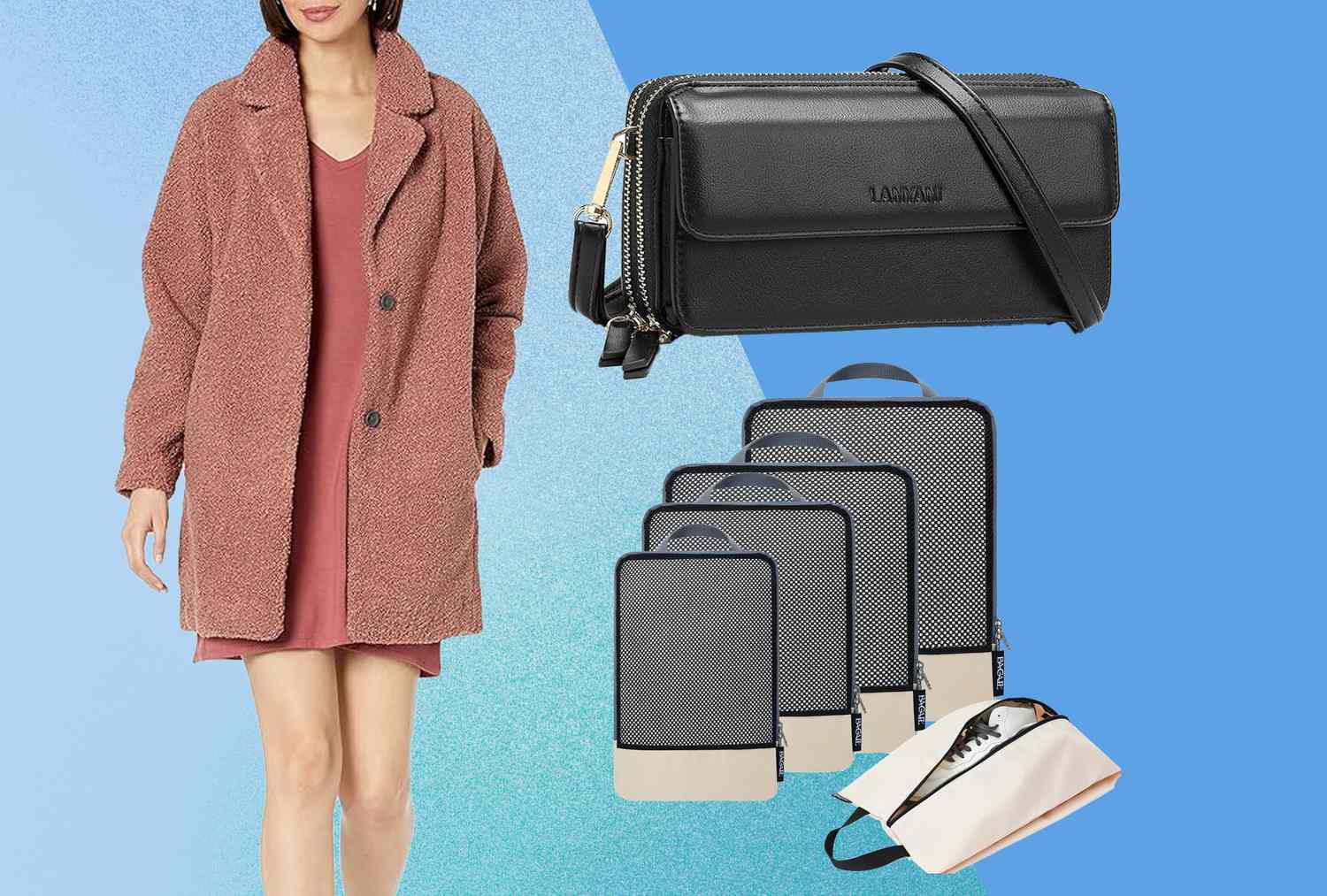
Editors love packing cubes because they create instant order: shirts in one cube, bottoms in another, and socks corralled so they don’t roam your suitcase like tiny hitchhikers. Many travel roundups regularly recommend cubes in both standard and compression stylesstandard for quick organization, compression for bulky clothes.
- Standard packing cube sets (great for weekend trips and warm-weather packing)
- Compression packing cubes (best for sweaters, denim, or “I refuse to check a bag” travelers)
- A dedicated laundry cube/bag (keeps worn clothes from mingling with clean ones)
Pro tip: Use one small cube as your “in-flight kit” (charger, lip balm, gum, pen, tissues). That way you’re not digging through your suitcase mid-aisle while people behind you practice sighing.
2) A hanging toiletry bag + leak-resistant travel bottles
If packing cubes are the closet organizers of the suitcase world, a good toiletry setup is the plumbing. Travel editors often highlight multi-compartment toiletry bags and leak-resistant bottle kits because they prevent the classic carry-on disaster: conditioner explosions that turn your clothes into a scented mystery.
- Hanging toiletry bag (so you can unpack once and use it in tiny hotel bathrooms)
- Travel bottle kit with labeled jars/tubes (better for creams, gels, and decants)
- Toiletry “capsule” containers (a small jar for moisturizer or hair paste = fewer full-size products)
Pro tip: Put your liquids inside a second pouch or zip bag even if you trust the bottles. It’s not paranoiait’s experience.
3) TSA-friendly liquids setup (so security doesn’t become your villain origin story)
In the U.S., carry-on liquids generally follow the TSA’s 3-1-1 rule: small containers (3.4 oz/100 ml or less) in one quart-size bag. A sturdy clear bag (or a thoughtfully designed TSA-friendly toiletry pouch) makes security faster and keeps you from doing frantic bin choreography.
- Reusable clear quart-size bag (more durable than flimsy disposable ones)
- Mini refill bottles for shampoo, face wash, and SPF
- Solid alternatives (solid deodorant, shampoo bars, solid cleanser) to reduce liquids entirely
4) A luggage scale (because surprise fees are not a travel souvenir)
Even carry-on travelers benefit from a compact digital luggage scale. Why? Because the moment your “carry-on” becomes a gate-check (full flight, small bins, airline roulette), you’ll be grateful you already know your bag won’t break a weight limit. Reviewers and travel gear testers consistently rank small handheld scales as one of the highest ROI travel accessories.
Pro tip: Weigh your bag after packing, then again after adding “just one more thing.” That second weigh-in is where the truth lives.
5) A tracker (AirTag-style) for peace of mind
Luggage trackers are popular in editor travel roundups for a simple reason: they reduce uncertainty. Whether you’re tracking a checked bag, a carry-on you had to gate-check, or even a backpack during a chaotic connection, a small tracker can tell you where your stuff last checked in.
- Bluetooth tracker for luggage
- Keychain/holder so it stays attached and doesn’t migrate to the suitcase void
Pro tip: Slip the tracker into an interior zip pocket. It’s less likely to get knocked around, and it’s harder to lose if you end up rummaging for chargers at midnight.
6) A portable charger that’s airline-friendly
A dead phone at the airport is basically playing travel on “hard mode.” Editors frequently recommend reliable power banks from well-known brands, especially slim models that fit in a seat pocket and higher-output options that can handle modern phones quickly.
- 10,000 mAh slim power bank (sweet spot for most trips)
- Magnetic/wireless power bank (nice for quick top-ups without cable spaghetti)
- Multi-port wall charger (one plug, multiple devices)
- Short charging cables (less tangling, easier in tight spaces)
Carry-on note: Power banks are typically treated as spare lithium batteries, which are generally meant for carry-onnot checked luggageso keep them accessible and protected.
7) A tech organizer pouch (so cables don’t become a knot sculpture)
The tech pouch is the unsung hero of smooth travel. Editors love it because it stops the “cord avalanche” and makes it easy to grab what you need at security, at the gate, or in your hotel room without dumping your entire bag onto the floor like a yard sale.
- Structured tech organizer with elastic loops
- Adapter/dongle capsule (especially if you travel with a laptop)
- Spare earbuds (because someone always forgets theirs)
8) Compression socks (yes, even if you’re “not a sock person”)
Compression socks show up in travel editor lists because they’re practical: long flights, lots of walking, and cabin dryness can make legs feel heavy. They’re especially common recommendations for people who travel often or do long-haul flights.
Pro tip: Pack them in your personal item. If your feet start feeling like they’ve entered a separate time zone, you’ll want them mid-flight.
9) A real travel pillow + sleep kit (pick comfort, not bulk)
Travel pillows are divisivesome people swear by them, others swear at them. Editors tend to recommend pillows that pack down small, offer neck support that doesn’t shove your head forward, and come with a washable cover.
- Packable neck pillow (compressible or inflatable with support)
- Eye mask (bonus if it’s contoured and doesn’t crush your eyelashes)
- Earplugs or noise-canceling headphones (depending on your vibe and budget)
10) Mini hygiene and “save-the-day” items
These are the small items that make you feel like a competent adult on the road:
- Disinfecting wipes (tray tables are not known for their emotional warmth or cleanliness)
- Hand sanitizer (tiny bottle, big impact)
- Stain remover pen/wipes (coffee happens)
- Wrinkle-release spray or mini lint roller (for the “why does my shirt look angry?” moment)
- Foldable tote (souvenirs, snacks, unexpected layers, emergency overflow)
11) A refillable water bottle and a snack strategy
Travel editors often include a reusable water bottle because airport hydration shouldn’t require a small loan. Add a couple of sturdy snacks (protein bar, nuts, dried fruit) and you’ll be less tempted to spend $14 on a “meal” that is mostly vibes and regret.
How editors actually pack these essentials (a simple system)
The “zones” method
Instead of packing item-by-item, pack by zone. It’s faster, and you’ll be able to find things without excavating your entire bag.
- Clothing zone: packing cubes + one laundry bag
- Liquids zone: toiletry bag + TSA clear bag (kept near the top)
- Tech zone: power bank + cables + wall charger in one pouch
- Comfort zone: sleep kit + socks + wipes in your personal item
- Quick-grab zone: passport/ID, pen, gum, lip balm in a small pouch
The 3-outfit rule (for weekend trips)
A reliable carry-on trick: pack three outfits you can remix, plus one “nice-ish” layer. Choose a tight color palette, wear your bulkiest shoes, and let accessories do the heavy lifting. Suddenly your carry-on feels twice as big.
Smart Amazon shopping tips (so you buy the right thing once)
- Prioritize sets for organization items: cube sets and bottle kits are usually better value than one-offs.
- Read reviews for zippers and seams: the best packing cubes fail at the zipper, not the fabric.
- Check dimensions: especially for toiletry bags and tech pouchesphotos lie, inches don’t.
- Look for “leakproof” features with specifics: double-seal caps, silicone valves, or tested closures.
- Don’t overbuy: one solid toiletry kit + one cube set + one tech pouch beats five “almost right” options.
Conclusion: build a carry-on that works like a mini home base
The best carry-on setup isn’t about cramming more into a suitcaseit’s about removing friction from travel. Editors consistently love the same essentials because they solve predictable problems: packing cubes prevent chaos, travel bottles prevent leaks, a power bank prevents dead-phone panic, and a tracker prevents the “where is my bag?” spiral.
Start with the core triopacking cubes, a toiletry system, and portable powerthen add comfort and backup items based on how you actually travel. Your future self (the one sprinting to a connection with a coffee and one shoe half-tied) will be deeply grateful.
Experience-Based Notes: what these essentials change in real travel life (extra)
Travel advice sounds neat on a screen, but it hits different when you’re living itlike when your flight boards early, your gate changes twice, and your suitcase decides it would like to audition for a downhill skiing event. Here are a few experience-based patterns travel editors and frequent flyers tend to repeat (because the airport keeps giving them the same pop quiz).
Scenario 1: the two-day work trip that somehow requires five outfits
The classic trap: you’re gone for two days, but you pack like you might be invited to a last-minute gala, a surprise hike, and a formal dinner with someone’s parentsall before noon. This is where packing cubes stop being cute and start being tactical. One medium cube for day outfits, one small cube for gym/sleepwear, and one slim cube for underthings keeps your suitcase from turning into a rummage sale after the first hotel-night repack.
The toiletry setup matters more than people admit. On short trips, you don’t have time to “fix it later.” A hanging toiletry bag lets you arrive, hang, and move onno counter space required. And a leak-resistant bottle kit is the difference between “I feel put together” and “Why do my shirts smell like citrus face wash?”
Scenario 2: the weekend trip with a personal item that becomes a black hole
Most travelers have experienced the personal-item paradox: you pack it carefully, and then you can’t find anything inside it the moment you sit down. Editors solve this with one tiny pouchcall it the seat kit. It holds your charger, gum, tissues, lip balm, wipes, and a pen. When the flight attendant says, “Items under the seat,” you don’t have to excavate your bag like an amateur archaeologist while someone’s backpack presses into your shoulder.
This is also where a tech organizer shines. Airports are full of half-working outlets and awkward charging angles. If your cables and wall charger live in one predictable spot, you’ll charge faster, lose less, and look less like you’re knitting a scarf out of USB-C cords.
Scenario 3: the “I will not check a bag” longer trip (and the art of not overpacking)
For longer trips, the winning combo is usually compression cubes plus a realistic outfit plan. Compression cubes help shrink bulk, but the bigger win is the forced discipline: you can only pack what fits neatly. Travelers who swear by carry-on life tend to pack a tight color palette, rewear outer layers, and choose shoes that work with multiple outfits. Suddenly, five days of clothes becomes possible without bringing a suitcase the size of a refrigerator.
This is also when the portable charger becomes non-negotiable. Long days out, heavy map use, photos, rideshare apps, and translation tools can drain a phone quickly. A slim power bank keeps you functional when you’re far from outlets. And if your luggage ever gets gate-checked, a tracker can reduce stress by giving you quick confirmation of where your bag last pingedespecially during tight connections.
The small items you only appreciate after they save you
Wipes sound boring until you clean a sticky armrest and feel your soul return to your body. A stain remover pen feels unnecessary until you spill coffee on the only decent shirt you packed. A foldable tote feels extra until you’re carrying snacks, a hoodie, and a small mountain of “just in case” purchases through an airport the size of a small city.
The best part is that none of these essentials require perfect travel habits. They work even if you’re the kind of person who packs last-minute, forgets where they put their boarding pass, and always ends up buying a water at the gate. With the right carry-on toolkit, your trip feels smoothernot because everything goes right, but because the common problems stop being emergencies.