Garden lights are the tiny outdoor heroes that make a yard feel less like “where the hose lives” and more like “welcome to my private botanical resort.” The right lights can guide guests safely along a walkway, highlight your favorite hydrangeas, brighten a patio dinner, discourage mystery noises near the fence, and make your garden look like it has a professional stylist hiding in the mulch.
But choosing the best garden lights is not as simple as grabbing the first shiny solar stake light from a checkout aisle. Some lights are made for ambience. Some are built for security. Some are excellent for pathways, while others are better for trees, steps, fences, decks, or flower beds. Solar lights are easy to install, low-voltage lights offer reliable brightness, and smart outdoor lights give you control from your phone when you are already comfortable under a blanket and absolutely not going outside again.
This guide breaks down the 7 best garden lights by real-world use case, with practical examples, buying advice, and a few honest little warningsbecause nobody wants a beautiful backyard that turns into an airport runway at 9 p.m.
What Makes a Garden Light “The Best”?
The best garden lights balance five things: brightness, durability, energy efficiency, style, and placement. A light may look gorgeous in a product photo, but if it gives off the glow of a tired firefly after one cloudy afternoon, it is not exactly garden royalty.
For most outdoor spaces, LED garden lights are the smartest choice because they use less energy, last longer, and come in a wide range of styles. Solar garden lights are excellent when you want simple installation without wiring. Low-voltage landscape lights are better when you need consistent brightness every night. Smart garden lights are ideal if you want scheduling, color control, motion detection, or app-based automation.
7 Best Garden Lights for Every Outdoor Space
1. Best Overall Garden Lights: Solar Pathway Lights
Best for: walkways, front paths, garden borders, flower beds, and everyday curb appeal.
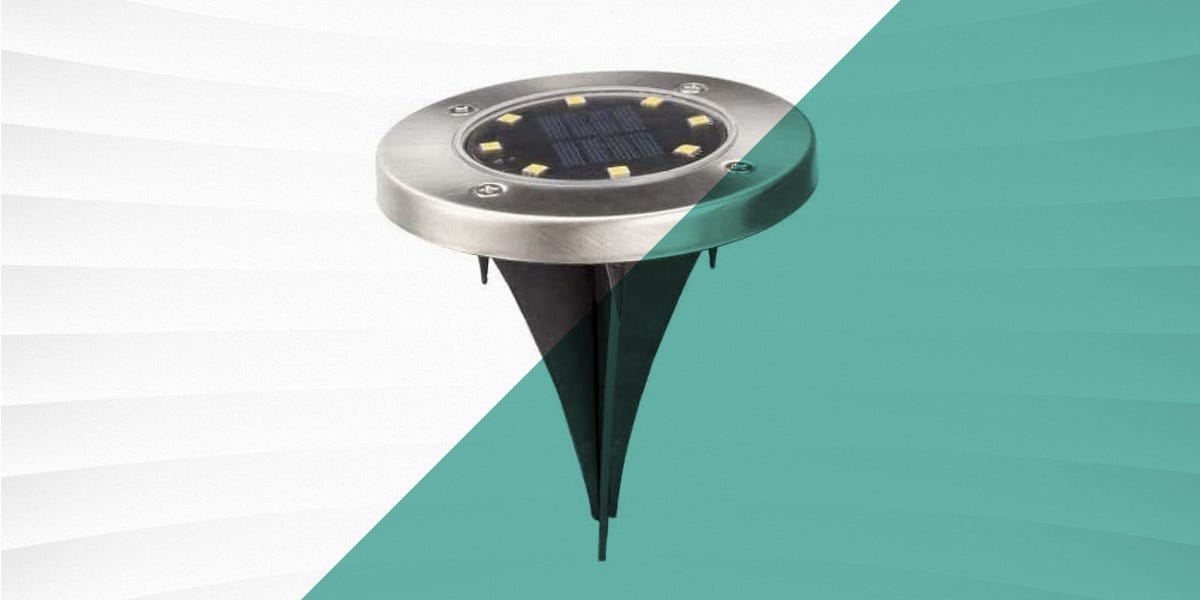
Solar pathway lights are the all-purpose sneakers of garden lighting: easy, practical, and useful almost everywhere. They usually install with a simple ground stake, charge during the day, and turn on automatically at dusk. For homeowners who want an attractive garden upgrade without digging trenches or calling an electrician, this is often the best place to start.
The best solar pathway lights have a warm white glow, sturdy stakes, weather-resistant housing, and enough battery capacity to stay lit through the evening. Look for models with a clean downward spread rather than harsh sideways glare. The goal is to guide the eye and the feet, not interrogate the petunias.
Solar pathway lights work especially well along curved paths because they create rhythm. Place them 6 to 8 feet apart for a soft, natural look. If your path is very dark or uneven, move them closer together. For a modern landscape, choose black metal or bronze finishes. For cottage gardens, lantern-style fixtures or textured glass can add a sweet, storybook effect.
Why they are worth it: They are affordable, simple to install, and instantly improve safety and atmosphere. They are also one of the easiest ways to make a front yard look more finished without introducing a full landscape lighting system.
2. Best Garden Lights for Ambience: Solar String Lights
Best for: patios, pergolas, fences, decks, outdoor dining areas, and cozy garden corners.
Solar string lights are the quickest way to make an outdoor space feel like a charming café, minus the overpriced sparkling water. They do not usually provide strong task lighting, but they are unbeatable for mood. Hang them above a patio table, run them along a fence, weave them through a pergola, or drape them between trees for an instant evening upgrade.
Good solar string lights should have durable weather-resistant wiring, shatter-resistant bulbs, and a solar panel that can be positioned separately from the light strand. That last detail matters. If your patio is shaded but your fence gets great sun, a detachable panel lets the lights charge properly while the bulbs hang where you actually want them.
Warm white Edison-style bulbs are the most versatile. They flatter outdoor furniture, food, plants, and human faces, which is more than can be said for some bathroom lighting. For parties, color-changing string lights can be fun, but for everyday garden design, warm light usually looks more elegant.
Why they are worth it: They create atmosphere better than almost any other outdoor lighting option. They are ideal for renters, casual entertainers, and anyone who believes a backyard dinner deserves a little sparkle.
3. Best Garden Lights for Highlighting Plants: Outdoor Spotlights
Best for: trees, shrubs, statues, fountains, house facades, and statement plants.
Outdoor spotlights are for the drama. Not family dramagarden drama, the good kind. These lights are designed to aim upward or across a feature, creating shadows, texture, and depth. Use them at the base of a Japanese maple, ornamental grass, palm, rose arbor, fountain, or stone wall, and suddenly your garden has a nighttime personality.
Solar spotlights are great for simple installations, especially if they have adjustable panels and adjustable heads. However, low-voltage LED spotlights are usually more reliable if you want strong, consistent brightness every evening. Smart spotlights, such as color-capable outdoor systems, can also create seasonal scenes or subtle color accents.
The trick with spotlights is restraint. One well-aimed light on a tree can look expensive and intentional. Six random lights blasted at the same shrub can look like the shrub is being questioned by garden police. Use narrow beams for tall features and wider beams for broad shrubs or walls.
Why they are worth it: Spotlights add depth, elegance, and visual interest. They are the best garden lights for showing off the parts of your yard you already love.
4. Best Garden Lights for Security: Motion Sensor Lights
Best for: side yards, gates, garages, trash areas, dark corners, and back entrances.
Motion sensor garden lights are practical, efficient, and slightly nosy in the best possible way. They turn on when movement is detected, which makes them useful for safety and security without leaving your yard lit up all night. They are also helpful when you need to take out the trash and would prefer not to step on a rake like a cartoon character.
The best motion sensor lights have adjustable sensitivity, multiple brightness modes, weather-resistant construction, and a detection range appropriate for the space. Solar motion lights work well in sunny locations, while wired or low-voltage models are better for areas that need dependable performance through winter or cloudy weather.
Place motion lights near transition areas: gates, steps, garage doors, side paths, and back doors. Avoid pointing them directly into neighbors’ windows unless your long-term goal is to become the subject of a neighborhood group chat.
Why they are worth it: They improve nighttime visibility and can reduce unnecessary energy use because they only brighten when needed.
5. Best Smart Garden Lights: App-Controlled Outdoor LEDs
Best for: smart homes, patios, entertainment zones, modern gardens, and flexible lighting scenes.
Smart garden lights are for people who enjoy telling technology what to doand honestly, after a long day, that feels nice. These lights can often be controlled through an app, voice assistant, schedule, timer, or automation. Some offer color changes, dimming, sunrise and sunset routines, motion triggers, and scene presets.
Smart outdoor spotlights and path lights are especially useful if you like changing your garden’s mood. Warm white for everyday evenings, soft amber for relaxing, festive colors for holidays, and brighter settings for outdoor tasks. Many smart lights also integrate with home security systems, which makes them practical as well as pretty.
The main thing to check is ecosystem compatibility. Some smart garden lights work best with specific hubs, bridges, or apps. Before buying, confirm whether the lights work with your existing setup, such as Alexa, Google Home, Apple Home, Ring, Hue, Govee, or another platform.
Why they are worth it: They provide control, customization, and convenience. They cost more upfront, but they are excellent for people who want lighting that changes with seasons, events, routines, and moods.
6. Best Garden Lights for Steps and Decks: Deck and Step Lights
Best for: stairs, railings, deck posts, fences, retaining walls, and raised garden beds.
Step lights are the polite little lights that say, “Please do not trip here.” They are usually compact, low-profile fixtures that illuminate edges, stair risers, deck posts, or vertical surfaces. They are not meant to steal the show. Their job is to prevent awkward nighttime stumbles while adding a clean architectural glow.
Solar deck lights are easy to install on fences and posts, while wired low-voltage step lights are better for permanent decks and stairs. For the best effect, choose warm, shielded lights that point downward. This reduces glare and helps people see where they are walking.
Deck post cap lights are another popular option. They sit on top of posts and create a finished look around patios, porches, and garden seating areas. They can be especially attractive on wood or composite decks because they define the outdoor room after dark.
Why they are worth it: They make outdoor areas safer and more polished. If your garden has stairs, raised edges, or a deck, these lights are not just decorativethey are genuinely useful.
7. Best Reliable Garden Lighting System: Low-Voltage Landscape Lights
Best for: larger yards, year-round lighting, premium curb appeal, and dependable brightness.
Low-voltage landscape lighting is the best choice when you want a serious, long-lasting garden lighting setup. Unlike solar lights, which depend on daily sunlight, low-voltage lights run from a transformer connected to an outdoor power source. They typically use 12 volts, making them more DIY-friendly than standard household-voltage fixtures, though careful installation still matters.
A typical low-voltage system can include pathway lights, spotlights, wall wash lights, step lights, and garden bed accents. The transformer may include a timer, photocell, or smart controls. This setup is especially good for front yards, long paths, large gardens, and homes where consistent nighttime appearance matters.
Low-voltage systems cost more than basic solar lights, but they offer stronger performance. If you have a shaded yard, heavy tree cover, or frequent cloudy weather, low-voltage garden lights are often the better investment. They also give you more control over fixture placement because they do not need each light to sit in direct sun.
Why they are worth it: They provide reliable brightness, flexible design, and a more professional finish. For homeowners who want the best garden lights for long-term curb appeal, low-voltage LED lighting is hard to beat.
How to Choose the Best Garden Lights
Match the Light to the Job
Before buying anything, decide what problem the light needs to solve. Do you want to see the path? Highlight a tree? Make the patio cozy? Improve security? Add color? A pathway light cannot do a spotlight’s job, and a string light will not make a dark side yard feel secure. Start with function, then choose style.
Check Lumens, Not Just Looks
Lumens measure brightness. For soft decorative lighting, 5 to 30 lumens may be enough. For pathway lights, 10 to 100 lumens can work depending on spacing and design. For spotlights and security lights, you may want several hundred lumens or more. More brightness is not always better. Too much light can cause glare, wash out the garden, and annoy humans, birds, bugs, and possibly your neighbor named Gary.
Choose Warm Color Temperatures
Warm white light, usually around 2700K to 3000K, looks more natural in gardens than cool blue-white light. It feels softer, flatters plants, and creates a calmer outdoor atmosphere. Cooler light can be useful for work areas or security zones, but for most garden lighting, warm light wins.
Look for Weather Resistance
Outdoor lights need to handle rain, dust, sprinklers, heat, and cold. Look for terms such as weather-resistant, wet-location rated, outdoor rated, or IP65/IP66 protection depending on the product type. A cute light that cannot survive weather is not a garden light; it is an indoor lamp having a very bad day.
Think About Power Source
Solar lights are easiest to install and cost nothing to run, but they need sun. Battery-powered lights are flexible but require maintenance. Plug-in string lights are reliable but need safe outdoor outlets. Low-voltage lights are best for permanent landscaping. Smart lights add convenience but may need Wi-Fi, hubs, or apps.
Garden Lighting Placement Tips
Good garden lighting is more about placement than quantity. A few well-placed lights will look better than a dozen lights scattered randomly like someone sneezed near the hardware aisle.
For pathways, stagger lights on alternating sides instead of creating a runway effect. For trees, place spotlights slightly away from the trunk and angle upward to catch branches and leaves. For patios, combine overhead string lights with lower accent lights so the space feels layered. For steps, keep light low and directed downward. For security, aim motion lights toward entrances and movement zones, not directly into sitting areas.
Always test placement before committing. For solar lights, place them in the ground temporarily and watch how they look after dark. For low-voltage systems, lay out fixtures and cable before burying anything. Your future self will appreciate not having to dig up the same flower bed twice.
Common Garden Lighting Mistakes to Avoid
Using Too Many Lights
The garden should still look like a garden at night, not a stage set for a vegetable awards show. Use lights to guide, highlight, and softennot overpower.
Ignoring Shadows
Shadows create depth. If every corner is evenly lit, the yard can look flat. Use spotlights and path lights to create contrast.
Buying Only Cheap Plastic Fixtures
Budget lights can be useful, but very cheap plastic fixtures may fade, crack, or lean dramatically after a season. For permanent areas, metal or heavy-duty construction is usually worth the upgrade.
Forgetting Maintenance
Solar panels need occasional cleaning. Leaves can block lights. Stakes can shift. Wires can be disturbed by pets, weather, or enthusiastic gardening. Check your lights every month or two to keep everything working.
Best Garden Lights by Situation
For a front walkway: choose solar or low-voltage pathway lights with warm white LEDs.
For a patio: use solar or plug-in string lights combined with lanterns or small accent lights.
For a large tree: choose adjustable outdoor spotlights with enough lumens to reach the canopy.
For steps: use shielded deck or step lights pointed downward.
For security: choose motion sensor floodlights or smart path lights with scheduling and alerts.
For renters: use solar stakes, solar string lights, and clamp-on or battery-powered options that do not require permanent wiring.
For long-term curb appeal: invest in a low-voltage LED landscape lighting system.
Are Solar Garden Lights Worth It?
Yes, solar garden lights are worth it for many homes, especially when you want fast installation, lower energy use, and flexible placement. They are best for pathways, decorative borders, patios, and garden accents. However, they are not perfect. They perform best in sunny locations and may be dimmer after cloudy days or during short winter daylight hours.
If you need dependable brightness every night, especially for safety or security, consider low-voltage or wired outdoor lights. Many gardens benefit from a mixed approach: solar lights for decorative zones and low-voltage lights for important paths, steps, and focal points.
500-Word Experience Section: What It Is Really Like to Use Garden Lights
After living with garden lights for a while, you learn that the best setup is rarely the fanciest one. It is the one that makes the yard easier to use. The first night you install lights along a walkway, you notice the obvious benefit: you can see where you are going. But after a few evenings, the smaller benefits show up. Guests naturally follow the path. The front yard looks more welcoming. The patio feels like a place to sit, not just a slab behind the house. Even ordinary plants look more intentional when they are softly lit.
Solar path lights are usually the first experiment, and they are satisfying because they give instant results. You push them into the ground, wait for sunset, and suddenly the garden has a little personality. The downside is that placement matters more than expected. A light tucked under a leafy shrub may look perfect during the day, but if the solar panel does not get sun, it will fade early. The lesson is simple: sunlight first, style second. Luckily, moving a solar stake light is easier than moving a sofa, and nobody judges you for rearranging mulch.
String lights create the biggest emotional change. A plain patio with string lights becomes a destination. Dinner outside feels more relaxed. A weekend drink feels slightly more cinematic. Even folding chairs look more charming under warm bulbs, which is a powerful reminder that lighting has confidence-building abilities. The key is to hang string lights high enough for comfort, secure them well, and avoid stretching them too tightly. Outdoor lights need a little slack so wind and weather do not turn them into a stress test.
Spotlights are where garden lighting starts to feel designed. One light at the base of a tree can completely change the mood of a yard. The trunk becomes sculptural, the leaves create movement, and the whole space looks deeper. Still, spotlights require patience. The first angle is rarely perfect. You may need to adjust the beam several times before it highlights the plant instead of blasting the neighbor’s fence. Once it is right, though, the effect is worth it.
Motion sensor lights are less romantic but extremely practical. They are the lights you appreciate when you hear a noise near the gate, carry groceries after dark, or need to find the recycling bin without stepping into a mystery puddle. The best experience comes from adjusting sensitivity so the light responds to people, not every leaf that considers a career in dance.
The biggest takeaway from using garden lights is that layering works best. Use path lights for movement, string lights for ambience, spotlights for focal points, and motion lights for safety. Keep the color warm, avoid glare, and let some parts of the garden stay dark. Nighttime gardens need contrast. A little shadow makes the light feel special.
Final Thoughts on the Best Garden Lights
The best garden lights are not just decorations. They shape how you move through your yard, how your home looks from the street, and how often you actually use your outdoor space after sunset. For most people, the smartest starting point is a set of warm solar pathway lights, followed by string lights for ambience and a spotlight or two for favorite plants.
If you want reliable brightness, choose low-voltage LED landscape lights. If you want convenience, choose smart outdoor lights. If you want safety, add motion sensor lighting. And if you want your garden to feel magical, use warm light sparingly and thoughtfully. A garden should glow, not shout.
With the right garden lighting, your yard can become safer, prettier, and more usefulwithout requiring a landscaping degree, a giant budget, or a suspicious number of extension cords. Start small, test at night, and build your lighting plan one glowing corner at a time.