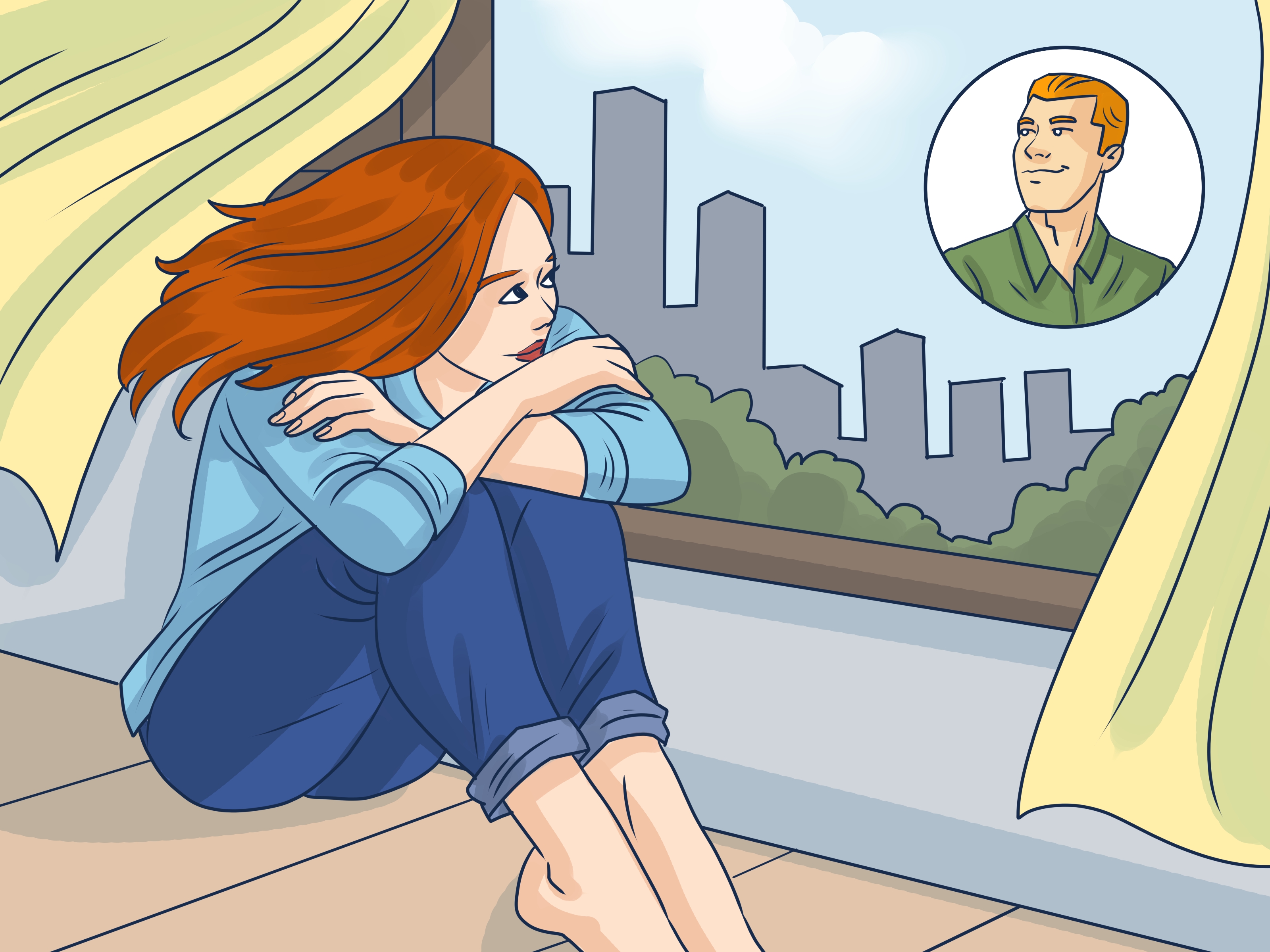
Your skin is not a silent bystander. It is a full-time employee with terrible boundaries, and it loves to file reports about your stress level directly on your face. A big deadline? Here comes a breakout. A rough month? Your eczema may decide to audition for a comeback tour. A few bad nights of sleep? Suddenly your skin looks like it also stayed up arguing with your thoughts.
That is the skin-mind connection in action. Your skin, brain, immune system, hormones, and even sleep patterns are deeply connected. When one part gets thrown off, the others often join the chaos. This does not mean every pimple is caused by stress or that calm thoughts alone can replace good dermatology care. It does mean that healthy skin often responds best when you treat the whole person, not just the surface.
In other words, expensive serums may be helpful, but so are sleep, stress management, movement, balanced meals, and a skin-care routine that does not behave like a chemistry experiment gone rogue. If you want better skin from the inside out, it helps to understand why your emotions, habits, and skin seem to be in a group chat together.
Why Your Skin and Mind Are So Closely Connected
Your skin is your body’s largest organ, but it is also part of a bigger communication network. It responds to immune signals, hormone changes, nerve activity, inflammation, heat, friction, and environmental triggers. When you are stressed, your body releases stress hormones such as cortisol and other chemical messengers. In the short term, that response is useful. In the long term, it can help fuel inflammation, increase oil production, slow healing, and make the skin barrier less resilient.
That barrier matters more than most people realize. Think of it as your skin’s security team. When it is healthy, it helps keep moisture in and irritants out. When it is weakened, skin may become dry, itchy, reactive, inflamed, or more likely to flare. So if your skin feels cranky during stressful periods, it is not being dramatic. It is reacting to a real biological shift.
The Two-Way Street No One Asked For
Here is the twist: the relationship goes both ways. Stress can worsen skin problems, but skin problems can also increase stress, embarrassment, frustration, poor sleep, and social anxiety. That creates a feedback loop. You feel stressed, your skin flares, the flare makes you more stressed, and suddenly both your nervous system and your mirror are being extremely unhelpful.
This is one reason skin conditions can feel emotionally exhausting even when they are not medically dangerous. They are visible. They itch. They hurt. They interfere with confidence, comfort, sleep, and routine. The skin-mind connection is not just poetic wellness language. It is real life with bad lighting.
How Stress Shows Up on the Skin
Stress does not create every skin condition from scratch, but it can absolutely make many of them louder. That is especially true for inflammatory conditions, barrier-related conditions, and disorders with known triggers.
Acne: The Classic “I Have a Deadline” Flare
Acne is influenced by oil production, clogged pores, bacteria, inflammation, hormones, products, and genetics. Stress is not usually the sole cause, but it can make existing acne worse. When stress rises, the skin may become oilier and more inflamed, which can turn a manageable situation into a surprise constellation of breakouts.
Then comes the behavior spiral: picking, over-cleansing, trying five new products in one night, and blaming yourself for “doing something wrong.” None of that usually helps. Acne tends to do better with a gentle, consistent routine than with panic and ten active ingredients applied like revenge.
Eczema: Itch, Scratch, Repeat
Eczema, especially atopic dermatitis, often lives at the intersection of skin-barrier weakness and inflammation. Stress can trigger or worsen flares, and flares can increase itch. Itch leads to scratching, scratching damages skin, damaged skin becomes more irritated, and the whole cycle turns into a tiny miserable treadmill.
People with eczema often notice that emotional stress, poor sleep, and irritants all pile onto the same week. That is not bad luck. It is the skin-mind connection playing a very annoying ensemble role. Daily moisturizing, gentle cleansing, trigger awareness, and treatment when needed often work best when paired with steps to lower stress and protect sleep.
Psoriasis: Inflammation Does Not Stay in One Lane
Psoriasis is an immune-mediated inflammatory condition, and stress is a commonly reported trigger for flares. Many people also find that itching, discomfort, and self-consciousness affect sleep and emotional well-being. Once sleep suffers, the next day’s coping ability often suffers right along with it.
That is why caring for psoriasis is not just about what you put on plaques. It is also about routine, rest, movement, weight management when appropriate, avoiding smoking, and reducing stress where possible. Not perfectly. Just realistically. Perfection is not a skin-care product, despite what the internet tries to sell.
Rosacea: When Stress Turns the Volume Up
Rosacea is famous for triggers. Sun, heat, certain drinks, spicy foods, wind, exercise intensity, and emotional stress can all play a role. For some people, stress acts like someone hit the flush button on their face. The result may be redness, burning, bumps, or increased sensitivity.
A trigger diary can help here. Not because you need to become a detective with seventeen spreadsheets, but because patterns matter. If hard workouts, hot coffee, and high-pressure mornings all seem to team up before a flare, that is useful information. It gives you something better than random guessing: a strategy.
Sleep: The Most Underrated Skin-Care Product
If sleep came in a glass bottle with a French label, it would cost a fortune. During sleep, your body supports repair, immune regulation, and recovery. Poor sleep can interfere with those processes and make inflammation harder to manage. Research has also linked sleep loss with slower skin-barrier recovery, which helps explain why tired skin can feel dull, reactive, dry, or simply “off.”
Many skin conditions also sabotage sleep in return. Itchy eczema, uncomfortable psoriasis, or a painful breakout can make it harder to fall asleep and stay asleep. That is why sleep is both a cause and a consequence in the skin-mind connection.
Ways to Protect Sleep So Your Skin Gets a Fighting Chance
- Keep a steady sleep and wake time as often as possible.
- Use a cool, comfortable sleep environment, especially if heat worsens your skin.
- Avoid late-night doomscrolling, which is terrible for both cortisol and common sense.
- Manage itch before bed with the routine your clinician recommends, including moisturizer or prescribed treatment if needed.
- Remove makeup before sleep and keep your nighttime routine simple and gentle.
Good sleep will not erase a chronic skin condition, but it can lower the volume on several things that make skin harder to manage.
Eat for Skin Support, Not for Miracles
Food is one piece of skin health, not a magic wand. The strongest general advice is still remarkably unglamorous: eat a balanced pattern rich in fruits, vegetables, whole grains, lean proteins, beans, nuts, and healthy fats. Drink enough water. Limit excess added sugar, heavily processed snacks, and refined carbohydrates when those foods seem to worsen your overall health or your skin.
Some people notice personal food triggers, especially with conditions like rosacea. Others do not. Acne may worsen for some people with certain high-glycemic foods, while psoriasis research has pointed toward benefits from broader anti-inflammatory eating patterns and healthy weight management. The key is to avoid turning nutrition into punishment.
What About the Gut-Skin Axis?
The gut-skin axis is one of the more interesting areas of current research. Scientists are studying how the microbiome and systemic inflammation may influence skin conditions such as acne, eczema, and psoriasis. That does not mean every skin problem starts in the gut, and it definitely does not mean you need to buy mystery powders from a wellness influencer with suspiciously bright lighting.
For most people, the smart move is simple: prioritize fiber-rich foods, varied plants, enough protein, and an overall eating pattern that supports energy, digestion, and steady health. If you suspect a specific food issue, work with a qualified clinician rather than launching a dramatic self-directed elimination diet on a Tuesday.
Stress Management Is Skin Care Too
Stress management is not fluff. It is part of a practical skin plan. You do not need to become a meditation monk or vanish into a forest with herbal tea and perfect boundaries. You just need tools that lower the intensity and frequency of your stress response.
Useful Habits That Help from the Inside Out
Movement: Regular exercise supports mental health, sleep, circulation, and stress reduction. Just match it to your skin needs. If heavy heat triggers rosacea, choose cooler settings or lower-intensity sessions.
Mindfulness and breathing: Even a few minutes of deep breathing, guided relaxation, journaling, or mindfulness practice can help interrupt the stress-flare loop. Small habits count.
Connection: Skin conditions can feel isolating. Talking with a friend, support group, therapist, or clinician can reduce the emotional burden.
Routine: Consistent meals, sleep, movement, and skin care help calm both the nervous system and the temptation to overreact every time your skin changes.
Perspective: A flare is frustrating, but it is not a moral failure. Your skin is not a report card.
Keep the Topical Routine Gentle and Boring
If your skin is already stressed, do not make your routine look like a science fair project. A simple, dermatologist-friendly routine is often better than an aggressive one. That usually means a gentle cleanser, regular moisturizer, sunscreen during the day, and condition-specific products that actually match your skin’s needs.
General Rules That Save Many Faces
- Do not scrub like you are trying to remove your past.
- Use fragrance-free or low-irritant products if your skin is sensitive.
- Introduce one new active at a time instead of launching a cosmetic group project.
- Moisturize consistently, especially if your skin barrier is dry or reactive.
- Wear sunscreen daily, since UV exposure can worsen redness, irritation, and long-term damage.
The skin-mind connection works best with consistency. Your nervous system likes predictability. Your skin usually does too.
When to Get Professional Help
Inside-out care matters, but there are times when lifestyle support is not enough on its own. See a dermatologist if your acne is scarring, your rash is spreading, your eczema is not controlled, your rosacea is worsening, or your psoriasis is affecting daily life. Also get help if your skin condition is hurting your confidence, sleep, mood, or willingness to leave the house.
You do not have to choose between medical treatment and lifestyle care. The best approach is often both. A well-chosen prescription can calm the flare while better sleep, stress support, trigger awareness, and skin-care habits help reduce the frequency and intensity of future problems.
Conclusion: Healthy Skin Is More Than Surface Level
The skin-mind connection reminds us that skin health is not only about what you apply. It is also about how you live, recover, eat, sleep, cope, and care for yourself when life gets messy. Stress can show up on the skin. Poor sleep can make recovery harder. Inflammation can connect seemingly separate problems. And a gentle routine, paired with healthy daily habits, can make a meaningful difference.
If your skin has been trying to send you messages lately, it may be worth listening with curiosity instead of panic. Better skin from the inside out is rarely about one miracle product. It is usually about building a calmer, steadier system overall. Your face may not send a thank-you card, but it might stop yelling.
Common Experiences People Have with the Skin-Mind Connection
The skin-mind connection becomes easiest to understand when you look at everyday experiences. Not formal case reports, not glossy before-and-after promises, just the ordinary patterns many people notice in real life. One of the most common is the stress breakout. A person may go weeks with fairly stable skin, then enter a season of deadlines, arguments, poor sleep, skipped meals, and nonstop caffeine. Suddenly the jawline breaks out, the skin looks oilier, and healing seems slower than usual. The products did not necessarily fail. The whole system got overwhelmed.
Another familiar experience is the eczema sleep spiral. Someone starts with mild dryness and itching, then has a stressful week. The itch ramps up at night, they scratch in their sleep, and by morning the skin is red, irritated, and more reactive. The worse the eczema feels, the harder it becomes to sleep well the next night. This can leave people tired, irritable, and discouraged, which only makes stress harder to manage. In this situation, improving skin care alone may not be enough. Protecting sleep becomes part of treatment.
Rosacea often shows up in a similarly human way. A person may already know that sun and heat are triggers, but emotional stress turns out to be the hidden one. They notice facial flushing before presentations, on tense mornings, or during conflict. When they begin tracking patterns, using sunscreen consistently, simplifying skin care, and practicing calming habits before stressful events, the flares may become more predictable and easier to manage. The skin is still sensitive, but it is no longer running the entire schedule.
People with psoriasis also describe a very real emotional load. Visible plaques can affect clothing choices, social confidence, and comfort in public spaces. Add itching or pain, and the condition can start affecting mood and sleep as much as the skin itself. Many people find that treatment works better when they stop viewing psoriasis as only a surface issue. They may benefit from medication, yes, but also from exercise, steadier routines, support from others, and practical stress management that lowers the overall burden on the body.
Then there is the experience almost everyone has had at least once: trying to “fix” stressed skin by attacking it. More exfoliation, more acids, more masks, more scrubbing, more products, more regret. Often the skin responds by getting drier, redder, stingier, or more inflamed. The lesson is not that skin care does not matter. It is that overwhelmed skin usually responds better to gentleness than aggression. When people finally simplify their routine and support their sleep, stress, and habits, they often realize their skin needed calm more than warfare.
That is what caring for your skin from the inside out really looks like in everyday life. It is not perfect eating, perfect emotions, or perfect skin. It is learning your patterns, respecting your triggers, treating your skin kindly, and recognizing that mental and physical care are often on the same team.