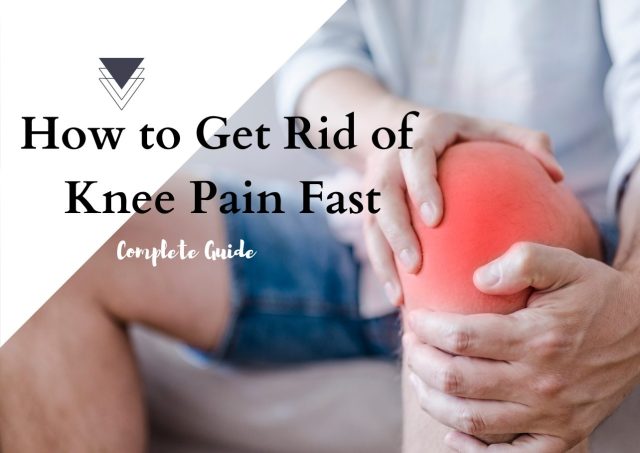
Quick promise: This guide will help you calm knee pain, understand what might be causing it, and build a smart recovery plan without treating your knee like a mysterious haunted hinge.
Why Knee Pain Happens in the First Place
Knee pain is common because the knee is a hardworking joint with a very dramatic job description. It bends, straightens, twists slightly, absorbs shock, carries body weight, helps you climb stairs, supports workouts, and complains loudly when you ask it to do too much. Pain can come from a sudden injury, overuse, poor movement patterns, arthritis, tendon irritation, bursitis, cartilage problems, ligament sprains, weak hips, tight muscles, or simply doing “one quick squat” after sitting at a desk for eight hours.
The good news is that many mild cases of knee pain improve with simple self-care. The less fun news is that not all knee pain is the same. A sore knee after a long walk is different from a knee that suddenly swells after a basketball pivot. A dull ache from arthritis is different from sharp pain after a fall. The fastest way to get relief is not to throw every remedy at your knee like spaghetti at a wall. The fastest way is to match the remedy to the likely cause.
This guide focuses on safe, practical steps to reduce knee pain fast while also helping you avoid common mistakes that can turn a short-term problem into a long-term grudge match between you and your kneecap.
First: Know When Knee Pain Needs Medical Attention
Before trying home treatment, check for red flags. You should contact a healthcare professional promptly or seek urgent care if your knee pain follows a major injury, your knee looks deformed, you heard a pop at the time of injury, you cannot bear weight, the pain is intense, swelling appears suddenly, the knee feels hot and red, you have a fever, or the joint keeps buckling.
You should also schedule a medical evaluation if pain lasts more than a few days without improvement, keeps returning, limits normal walking, wakes you at night, or comes with calf swelling, numbness, or major loss of motion. Home remedies are useful, but they are not magic wands. If your knee is waving a red flag, do not try to “walk it off” like a stubborn movie character who clearly needs an X-ray.
How to Get Rid of Knee Pain Fast: The First 24–48 Hours
1. Rest, But Do Not Become a Couch Fossil
For sudden soreness or a minor strain, reduce activities that trigger pain. That may mean skipping running, jumping, deep squats, heavy lifting, long stair sessions, or kneeling. Rest gives irritated tissue time to calm down. However, complete inactivity can make stiffness worse. The sweet spot is relative rest: avoid painful movements while continuing gentle, comfortable activity such as short walks around the house.
2. Ice the Knee the Smart Way
Ice can help reduce pain and swelling after a new injury or flare-up. Wrap an ice pack or a bag of frozen peas in a thin towel and apply it for about 15–20 minutes at a time. Do not put ice directly on skin, and do not fall asleep with it on your knee unless you want frostbite to join the party.
3. Use Compression for Swelling
A soft elastic bandage or knee sleeve may help control mild swelling and provide a sense of support. Compression should feel snug, not like your knee is being held hostage. If your foot tingles, turns cold, changes color, or swelling gets worse below the wrap, loosen it immediately.
4. Elevate the Knee
When resting, prop your leg on pillows so the knee is above heart level if possible. Elevation can help fluid drain away from the joint. It works best when combined with ice and compression, especially after activity.
5. Consider Over-the-Counter Pain Relief Carefully
Some people use acetaminophen or nonsteroidal anti-inflammatory drugs, such as ibuprofen or naproxen, for short-term knee pain. Topical anti-inflammatory gels may also help some forms of knee pain with less whole-body exposure than pills. However, NSAIDs are not right for everyone. People with stomach ulcers, kidney disease, heart disease, high blood pressure, blood-thinner use, pregnancy, or a history of bleeding problems should ask a healthcare professional before using them. When in doubt, read labels and get medical advice. Your knee should not get relief at the expense of your stomach, kidneys, or heart.
Fast Relief Based on the Type of Knee Pain
If Your Knee Pain Started After Exercise
Post-workout knee pain often comes from overuse, poor form, sudden increases in training, weak supporting muscles, or tight hips and hamstrings. Reduce training volume for a few days, ice if swollen, and switch to low-impact movement. Walking on flat ground, cycling with low resistance, swimming, and gentle mobility exercises are usually kinder to irritated knees than sprinting, jumping, or stairs.
If Your Knee Hurts Going Down Stairs
Pain going down stairs often points to irritation around the kneecap or weakness in the quadriceps, hips, or glutes. In the short term, take stairs slowly, use the handrail, and step down with control. In the long term, strengthen your thighs and hips. The knee rarely enjoys being the only employee in the leg department.
If Your Knee Feels Stiff in the Morning
Morning stiffness can happen with arthritis or after a period of inactivity. Gentle range-of-motion movements, a warm shower, and light walking may help. If stiffness lasts a long time, worsens, or comes with swelling and warmth, it is worth discussing with a clinician.
If Your Knee Is Swollen
Swelling means the knee is irritated. After a new injury, use rest, ice, compression, and elevation. Avoid deep bending, twisting, and heavy loading. Sudden or severe swelling deserves medical attention, especially after a pop, fall, or sports injury.
If You Have Chronic Knee Pain or Arthritis
For ongoing knee pain, the best “fast” solution is often a combination of pain control, low-impact activity, strengthening, weight management if needed, and movement changes. Arthritis pain may flare, but consistent exercise and smart load management can improve function over time. Think of it less like a one-time repair and more like regular maintenance on a very important machine that unfortunately did not come with a warranty card.
Best Exercises for Knee Pain Relief
Exercise can sound rude when your knee hurts. Still, the right exercises can reduce stress on the joint by strengthening the muscles around it. Start slowly and stop if pain becomes sharp, severe, or worse afterward. Mild effort is fine. Heroic suffering is not required.
Quad Sets
Sit or lie with your leg straight. Tighten the muscle on the front of your thigh by gently pressing the back of your knee toward the floor. Hold for five seconds, then relax. Repeat 10–15 times. This exercise wakes up the quadriceps without asking your knee to bend.
Straight Leg Raises
Lie on your back with one knee bent and the painful leg straight. Tighten your thigh, lift the straight leg about 12 inches, hold briefly, and lower slowly. Do 8–12 repetitions. If this causes pain, skip it for now.
Heel Slides
Lie on your back and slowly slide your heel toward your body, bending the knee as far as comfortable. Slide it back out. Repeat 10–15 times. This helps restore motion without aggressive stretching.
Glute Bridges
Lie on your back with knees bent and feet flat. Tighten your glutes and lift your hips. Hold for a second, then lower. Strong glutes help control leg alignment, which can reduce unnecessary stress on the knee.
Calf Raises
Stand near a wall or chair. Rise onto your toes, pause, and lower slowly. Do 10–15 repetitions. Calves support walking mechanics, and walking mechanics matter more than most knees would like to admit.
Gentle Hamstring Stretch
Sit or lie down and stretch the back of your thigh without forcing it. Hold for 20–30 seconds. Tight hamstrings can increase strain around the knee, especially during walking, squatting, and bending.
What to Avoid When You Want Knee Pain to Go Away Fast
The quickest way to make knee pain last longer is to keep irritating it. Avoid high-impact activity during a flare-up, including running, jumping, aggressive sports, and intense stair workouts. Avoid deep squats and lunges if they trigger pain. Avoid kneeling on hard surfaces. Avoid twisting motions, especially if the knee feels unstable.
Also avoid the “pain equals progress” mindset. Pain is not your knee applauding your discipline. It is feedback. If an exercise causes sharp pain, swelling, limping, or worse symptoms the next day, scale it back. Modify the range of motion, reduce resistance, or choose a different movement.
Another mistake is wearing unsupportive shoes. Old, flat, worn-out shoes can change how force travels through your legs. Supportive footwear will not solve every knee problem, but it can reduce unnecessary stress during walking and exercise.
Food, Weight, and Inflammation: Do They Matter?
Food will not fix knee pain overnight, but it can support recovery and long-term joint health. A balanced eating pattern with enough protein, colorful fruits and vegetables, whole grains, healthy fats, and adequate hydration gives your body the materials it needs for tissue repair. For people with knee osteoarthritis and excess body weight, even modest weight loss can reduce stress on the knee and improve pain and function.
That does not mean you need an extreme diet. Your knee does not require you to survive on boiled sadness and lettuce. A practical approach works better: reduce sugary drinks, build meals around lean protein and plants, control portions, and choose lower-impact exercise that you can actually repeat. Consistency beats dramatic Monday morning declarations every time.
Heat vs. Ice: Which One Should You Use?
Use ice when the knee is newly injured, swollen, or inflamed. Ice is generally better during the first 24–48 hours after a flare-up or strain. Use heat for stiffness, tight muscles, or chronic aching without obvious swelling. A warm shower, heating pad, or warm towel may help loosen the joint before gentle movement.
A simple rule: swollen and angry usually likes cold; stiff and cranky often likes warmth. If either method makes symptoms worse, stop using it.
Should You Wear a Knee Brace?
A knee sleeve or brace may help some people feel more stable, especially during walking or light activity. For mild pain, a simple compression sleeve may be enough. For arthritis or ligament issues, a clinician may recommend a more specific brace. The key is fit. A brace should support movement, not cut off circulation or create new pain.
Do not use a brace as permission to ignore pain. A brace is a tool, not a superhero cape. If the knee is unstable, buckling, or painful after injury, get it evaluated.
How Physical Therapy Helps Knee Pain
Physical therapy can be one of the most effective ways to treat recurring knee pain. A physical therapist can identify weakness, stiffness, balance issues, foot mechanics, hip control problems, and movement habits that overload the knee. They can also build a progressive exercise plan so you are not guessing your way through recovery like a detective with no clues.
Therapy often includes strengthening, stretching, balance work, gait training, activity modification, and education. For many people, this approach helps reduce pain, improve function, and prevent future flare-ups.
A Simple 7-Day Knee Pain Relief Plan
Day 1–2: Calm the Flare
Reduce painful activity. Use ice for swelling, elevate the knee, and try gentle range-of-motion movements. Avoid deep bends, heavy exercise, and long walks if they worsen symptoms.
Day 3–4: Add Gentle Movement
If pain is improving, add short walks on flat ground, heel slides, quad sets, and light stretching. Keep movement comfortable. The goal is to restore confidence, not audition for an action movie.
Day 5–7: Begin Light Strengthening
Add straight leg raises, glute bridges, calf raises, and easy cycling if tolerated. Continue avoiding activities that trigger sharp pain or swelling. If symptoms are not improving by the end of the week, consider professional evaluation.
Experience-Based Tips: What Knee Pain Teaches You the Hard Way
Anyone who has dealt with knee pain knows it has a talent for making ordinary life weirdly complicated. Suddenly, stairs look like a personal insult. Getting out of a chair becomes a negotiation. You start planning your route through a grocery store like a military operation: shortest path to bananas, avoid the far dairy aisle, retreat before the knee files a complaint.
One of the biggest lessons is that “fast relief” usually begins with listening. Many people try to push through knee pain because they assume rest equals weakness. Then the knee responds by turning a small ache into a full committee meeting. A better approach is to notice patterns. Does the pain appear after running? During squats? When sitting too long? Going downstairs? After wearing certain shoes? These clues matter because they show what your knee can currently tolerate.
Another practical lesson is that small adjustments can make a big difference. Shortening your stride, slowing down on stairs, avoiding sudden pivots, warming up before exercise, and choosing flatter walking routes can reduce irritation quickly. Many people also discover that strengthening the hips and glutes helps more than rubbing the painful spot over and over while saying, “Why are you like this?” The knee is often affected by what happens above and below it. Weak hips, tight calves, stiff ankles, and poor foot support can all shift extra stress to the joint.
Consistency is the unglamorous hero. A few minutes of quad sets, bridges, stretching, and low-impact movement each day may not feel exciting, but it often works better than one heroic workout followed by three days of limping. Progress may look boring at first: less swelling, easier stairs, smoother walking, fewer pain spikes. Celebrate those wins. Knees are not known for writing thank-you notes.
It also helps to respect recovery timing. Some knee pain improves in a few days. Other cases need weeks of progressive strengthening and activity changes. If you return to full intensity too soon, the pain may come back. A smart comeback plan usually means increasing activity gradually, testing your response, and backing off when swelling or sharp pain returns.
Finally, do not ignore the emotional side. Knee pain can make active people feel frustrated, older, or limited. That frustration is real. But pain does not always mean permanent damage, and needing help does not mean failure. Whether relief comes from home care, physical therapy, better shoes, weight management, medication, or medical treatment, the goal is the same: getting you back to daily life with more confidence and fewer dramatic sound effects every time you stand up.
Conclusion: The Fastest Knee Pain Relief Is Smart, Not Random
To get rid of knee pain fast, start with the basics: reduce painful activity, use ice for swelling, elevate and compress when helpful, move gently, and avoid movements that make symptoms worse. Then look beyond quick fixes. Stronger thighs, hips, glutes, and calves can reduce stress on the knee. Low-impact exercise can keep joints moving. Better shoes, healthy weight management, and smarter training habits can prevent repeat flare-ups.
Most mild knee pain improves with sensible care, but severe pain, sudden swelling, instability, fever, deformity, or inability to bear weight should be checked by a medical professional. Your knee is important. Treat it like a key part of your mobility, not like a squeaky door you keep meaning to fix next weekend.
The best plan is simple: calm the pain today, strengthen for tomorrow, and stop doing the thing that made your knee send an angry email in the first place.